As the leaves turn and the air grows crisp, the retail sector is signaling the official start of the holiday shopping season. For industry giants Target and Amazon, this shift is marked by a renewed focus on the “kid-centric” experience. On October 5, both companies unveiled their respective holiday toy catalogs, setting the stage for a high-stakes battle that leverages interactive technology, artificial intelligence, and seamless omnichannel integration to capture the attention of children and the wallets of their parents.
Main Facts: The Evolution of the Toy Catalog
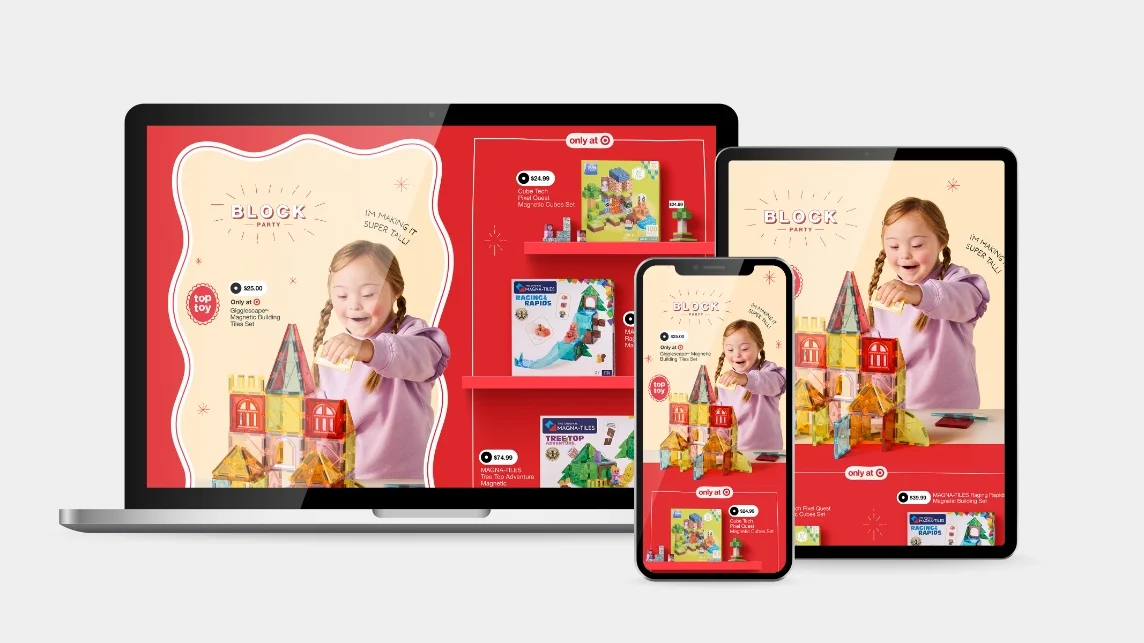
Target’s 2026 holiday push centers on its new interactive Holiday Kids Catalog. Moving away from the traditional, static paper circular, Target has transformed its toy presentation into a shoppable, immersive content platform. Accessible through Target.com and the company’s mobile application, the digital catalog showcases nearly 500 toys, games, and gifts.
The platform is designed as a discovery tool rather than a standard product grid. Users can engage with toy demonstrations, watch curated video reviews, and add items directly to a digital shopping cart. Perhaps the most innovative feature is the “list scanner,” which bridges the gap between physical and digital worlds. Parents or children can take a handwritten wish list—often compiled from the printed version of the catalog—and scan it into the Target app, which uses optical character recognition to instantly convert the scribble into a digital, shareable shopping list.
Chronology of the 2026 Holiday Kickoff
The simultaneous announcement on October 5 highlights the synchronized timing of modern retail strategy.
- Early October: Target and Amazon release their digital holiday gift guides, marking the start of the “Golden Quarter.”
- Mid-October: Retailers begin pushing social media campaigns and influencer partnerships, directing traffic to these digital hubs.
- Late October/Early November: The focus shifts from discovery to fulfillment, as both companies prepare their logistics networks for the surge in demand.
- Fiscal Q2 Foundation: The groundwork for this strategy was laid earlier this year, particularly at Target, where the “Fun101” category—encompassing toys and entertainment—emerged as the strongest performer in the second quarter.
The Technological Arms Race: Target vs. Amazon
While both retailers are vying for the same demographic, their strategies reveal fundamentally different philosophies regarding user experience.
Target’s App-Native Social Approach
Target is positioning its catalog as a collaborative, family-oriented activity. The emphasis is on discovery and sharing. By enabling users to share wish lists with extended family and friends, Target is effectively turning its customer base into a marketing engine. The inclusion of QR codes on every page of the physical catalog—linking directly to the mobile digital version—ensures that the friction between offline browsing and online purchasing is virtually eliminated.
Amazon’s AI-Driven Ecosystem
Amazon, the undisputed leader in North American e-commerce (ranked No. 1 in the Digital Commerce 360 Top 1000 Database), has taken a more aggressive stance on AI integration. Its 2026 Holiday Kids Gift Book, now in its ninth year, features over 600 items. However, the standout feature is the integration with Alexa.
Amazon has partnered with Readyland to create a “choose-your-own-adventure” audio experience. Children can interact with “Forest Friends” characters via Alexa-enabled devices, creating an immersive, narrative-driven shopping experience that keeps users engaged within the Amazon ecosystem. Furthermore, Amazon’s “Alexa for Shopping” allows parents to utilize natural language processing to refine gift searches. For example, a parent can ask, “What are some holiday gifts for my 10-year-old daughter who likes science?” and receive AI-curated recommendations based on specific interests. Amazon Lens, another critical tool, allows users to point their camera at an item seen on social media or in public to instantly identify and purchase it on Amazon.
Supporting Data: E-commerce Performance
The necessity for these high-tech initiatives is backed by strong e-commerce performance metrics.
Target’s Growth Trajectory
Target’s online sales saw an 8.7% year-over-year increase in fiscal Q2 2026, significantly outpacing their total comparable sales growth of 3.8%. A major driver of this growth has been the company’s investment in logistics; same-day delivery services saw over 25% growth in the quarter. Furthermore, Target reported a 30% increase in the fulfillment of same- and next-day units compared to the previous year.
The “Fun101” category—the very category these catalogs are designed to boost—reported double-digit growth, proving that toys remain a vital anchor for the retailer’s quarterly performance. While the company reported $26.7 billion in total net sales for Q2, a figure buoyed by a $1 billion tariff refund, the underlying momentum in e-commerce suggests a healthy outlook for the remainder of the year.
Amazon’s Market Dominance
As the No. 1 ranked retailer in the Digital Commerce 360 database, Amazon’s strategy is built on scale and personalization. With a larger catalog size (600+ items compared to Target’s 500) and a sophisticated AI backend, Amazon is leveraging its massive data advantage to provide a hyper-personalized shopping experience that competitors struggle to match.
Official Responses and Strategic Intent
Industry leaders are explicit about the intent behind these digital overhauls. Cassandra Jones, senior vice president of Fun101 at Target, stated, “This year’s digital experience helps families discover toys together, create and share wish lists, and find gifts they’ll be excited about all season long.”
The messaging from both camps is clear: the goal is to occupy the “discovery” phase of the consumer journey. By becoming the primary platform where children and parents first interact with potential gifts, both retailers hope to lock in consumer loyalty long before the final checkout occurs.
Implications: The Future of Retail
The shift toward interactive, content-rich catalogs marks a turning point in how retailers handle seasonal marketing.
- Blurring the Lines Between Content and Commerce: Both Target and Amazon are moving away from traditional “listing pages” toward “shoppable content.” This reflects a broader trend in retail where consumers—particularly Gen Z and Alpha—prefer to interact with products through video and narrative experiences rather than traditional search interfaces.
- The Rise of Conversational Commerce: Amazon’s reliance on Alexa and AI-powered recommendations signals that the future of retail is conversational. As voice-enabled search becomes more sophisticated, the role of the traditional search bar may diminish in favor of direct, AI-assisted queries.
- Omnichannel Synergy: The use of QR codes and “list scanners” by Target demonstrates that the physical store and the printed catalog are not dead; rather, they have been repurposed as top-of-funnel acquisition tools for the digital ecosystem.
- Data Harvesting: These interactive tools are powerful data-gathering engines. By encouraging users to build, share, and scan wish lists, retailers are gaining unprecedented insight into consumer preferences, which will inform inventory planning and marketing strategies for years to come.
As the holiday season progresses, the effectiveness of these strategies will be tested. Will Target’s focus on social sharing and user-friendly, app-based discovery resonate more deeply with families than Amazon’s AI-heavy, narrative-driven approach? For now, the battle lines are drawn. Retailers are no longer just selling toys; they are selling an interactive, personalized, and highly digitized holiday experience.
For businesses looking to compete in this rapidly shifting landscape, the takeaway is clear: success in modern e-commerce requires a blend of high-touch user experiences, seamless omnichannel integration, and the strategic application of artificial intelligence. As the data from Digital Commerce 360 shows, those who fail to innovate in these areas risk falling behind in an increasingly crowded and tech-savvy marketplace.