By Sharon Udasin and Gemma Smith
As the United States government attempts to roll back federal protections related to per- and polyfluoroalkyl substances (PFAS)—the persistent, synthetic compounds colloquially known as "forever chemicals"—a dangerous regulatory vacuum has emerged. In response, a growing coalition of states is scrambling to implement precedent-setting policies to protect their citizens. This unfolding crisis, which pits state-led innovation against federal deregulation, serves as a high-stakes test of American "cooperative federalism."
The Nature of the Threat: Why PFAS Persist
PFAS are not merely a chemical inconvenience; they are an environmental and public health crisis of historic proportions. Characterized by incredibly strong carbon-fluorine bonds, these manmade substances do not break down in the environment or the human body. They accumulate over time, earning their moniker "forever chemicals."
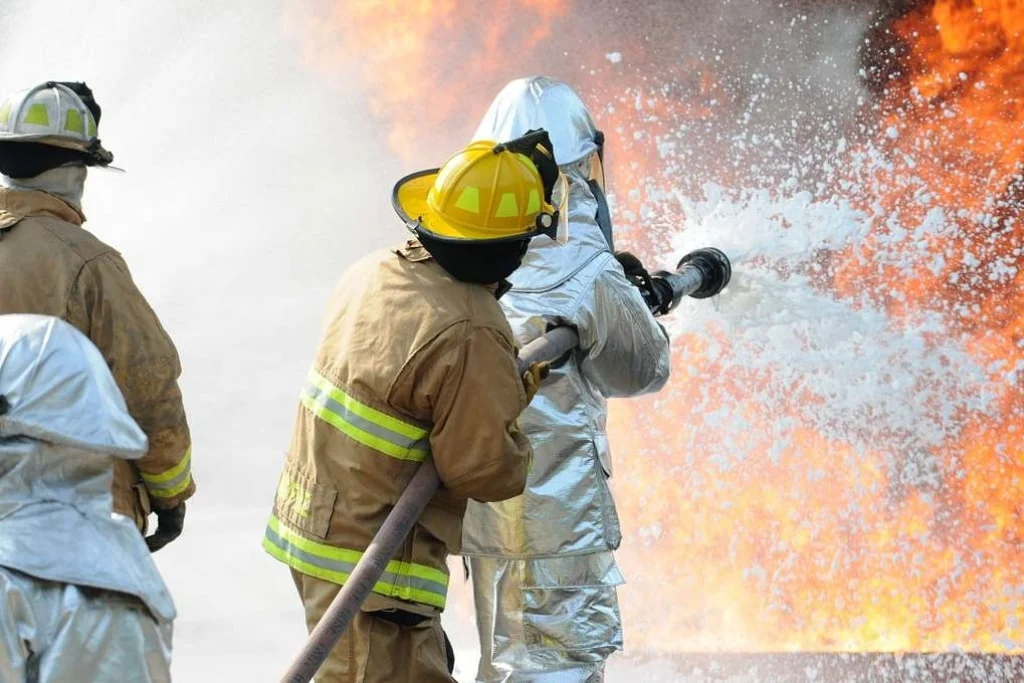
These compounds are ubiquitous in modern life. They are the key ingredients in non-stick cookware, waterproof apparel, stain-resistant carpeting, and specialized firefighting foams used at airports and military bases. The U.S. Geological Survey estimates that roughly 45% of the nation’s tap water contains at least one detectable PFAS compound. Exposure has been definitively linked to a litany of serious illnesses, including various cancers, liver damage, developmental issues in children, and immune system suppression.
A Chronology of Federal Flux
The trajectory of PFAS regulation in Washington has been characterized by sharp pivots and prolonged uncertainty:
- April 2024: The Biden-era Environmental Protection Agency (EPA) made a historic move, establishing the first-ever legally enforceable drinking water standards for six specific PFAS compounds. Shortly thereafter, the EPA designated PFOA and PFOS—the two most prevalent and well-studied chemicals—as "hazardous substances" under the Comprehensive Environmental Response, Compensation, and Liability Act (CERCLA). This classification was designed to force polluters to pay for cleanup costs.
- Early 2025: Political winds shifted, leading to a reversal of priorities. The EPA under the Trump administration proposed a rule to rescind drinking water standards for four of the six previously regulated PFAS, leaving only PFOA and PFOS under scrutiny.
- Spring 2026: Further setbacks were introduced. Proposals surfaced to potentially extend compliance deadlines for the remaining two chemicals from 2029 to 2031, effectively delaying essential infrastructure upgrades for water utilities across the country. While the hazardous substance designation remains in place, the softening of water quality standards has left local water districts in a state of suspended animation.
Local Leadership: The Tucson Case Study
When national policy stalls, local municipalities are often forced to act as the first line of defense. A 2025 study published in Environmental Policy and Governance by University of Arizona researchers highlighted Tucson, Arizona, as a primary test case for how local agencies are navigating this fractured landscape.
Tucson has grappled with industrial contamination since the 1950s. When PFAS contamination from nearby military and aviation facilities was identified, local water utilities did not wait for federal intervention. Despite Arizona’s "no more stringent" state laws—which historically prohibited the state from adopting environmental regulations stricter than federal mandates—local leaders pioneered their own sampling and monitoring programs.
By leveraging federal funds from the 2023 Bipartisan Infrastructure Law, Tucson was able to pivot from passive monitoring to active remediation, constructing advanced wastewater treatment facilities that strip these chemicals from the water supply. The study concluded that Tucson’s proactive stance, while expensive and technically challenging, provided a template for how local autonomy can mitigate risks when federal oversight is absent.
The Rise of Bipartisan State Legislation
The political gridlock in Washington stands in stark contrast to the bipartisan cooperation emerging in several state legislatures. When the health of agricultural economies is at stake, the usual ideological divides often dissipate.
Maine serves as the gold standard for this shift. After the state discovered that the use of PFAS-laden municipal sludge as fertilizer had decimated its dairy industry, local farmers and legislators formed an unlikely alliance. The result was a comprehensive ban on PFAS in consumer products and the creation of a $60 million "PFAS Fund" to support farmers whose land was rendered toxic.
"It doesn’t matter whether you’re Republican or Democrat," says farmer Fred Stone, a central figure in the state’s legislative effort. "It’s very hard to vote against public health and food safety."
Following Maine’s lead, Minnesota passed "Amara’s Law," a landmark piece of legislation that mandates a full phase-out of non-essential PFAS usage. Similarly, Wisconsin recently concluded months of intense bipartisan negotiation to allocate $125 million toward PFAS mitigation. To date, ten states have enacted bans on specific PFAS-laden consumer goods, including textiles, cosmetics, and artificial turf.
The Looming Threat of Federal Preemption
While state-level successes are heartening, they are under direct threat from "preemption." This legal mechanism allows federal law to supersede state regulations, effectively stripping states of their power to protect their own residents.
Currently, proposed revisions to the Toxic Substances Control Act (TSCA) are causing alarm among public health advocates. If enacted, these changes could codify a "no more stringent" rule at the national level, meaning that if the EPA fails to regulate a chemical, states would be legally barred from doing so themselves. This would effectively tie the hands of the most progressive state agencies, forcing them to wait for the notoriously slow wheels of federal bureaucracy to turn.
Implications for Cooperative Federalism
The American model of "cooperative federalism" was designed as a relay race: the federal government sets the floor for protection, and states are expected to carry the baton further to meet specific regional needs. However, the current reality is more akin to a disjointed scramble.
The consequences of this uneven regulatory landscape are profound. When states like Maine or Minnesota act, they drive innovation and pressure manufacturers to reformulate products globally. However, this creates a "patchwork" of regulations that industry groups often cite as a burden, while simultaneously leaving citizens in states without such protections at higher risk of exposure.
Furthermore, the lack of federal consistency disproportionately harms vulnerable, low-income communities. If a wealthy municipality can afford to build advanced filtration systems while a neighboring, resource-strapped town cannot, the result is a widening "toxic inequality."
Conclusion: A Call for Unified Action
The fight against PFAS is not merely a technical challenge; it is a profound test of the democratic promise of environmental protection. State and local entities have demonstrated that when given the resources and the mandate, they can effectively manage even the most stubborn chemical threats. However, they cannot be expected to win this race alone.

Without a strong, consistent federal framework—one that views state regulations as a floor for innovation rather than a ceiling to be capped—the United States risks a future where health outcomes are determined by zip code. As we look toward the next decade, the question is not whether we can eliminate PFAS from our environment, but whether the federal government will empower the local actors currently holding the line, or if it will dismantle the very mechanisms of protection that our communities rely on to survive.
The baton has been passed, but the finish line remains out of reach. For the sake of public health and the integrity of our environmental laws, the federal government must choose to support, rather than obstruct, the state-level progress that has become our most reliable shield against the "forever" threat.
About the authors:
Sharon Udasin is a Colorado-based journalist and author of "Poisoning the Well: How Forever Chemicals Contaminated America." Gemma Smith is an assistant professor at the University of Arizona’s School of Government and Public Policy and the Udall Center for Studies in Public Policy.