By Financial Analysis Desk
Published January 7, 2026
As the U.S. economy navigates the first month of 2026, market participants are bracing for a crucial day of macroeconomic updates. On Thursday, January 8, 2026, the Bureau of Economic Analysis (BEA) and the Department of Labor are scheduled to release two high-impact reports: the November Trade Balance and the latest Weekly Initial Unemployment Claims. These figures, arriving at 8:30 AM ET, serve as vital barometers for the health of the manufacturing sector, global trade demand, and the underlying strength of the domestic labor market.
I. Main Facts: A Dual Focus on Trade and Employment
The consensus among economists is that the U.S. trade deficit will likely widen, reflecting shifting global demand and domestic consumption patterns. Simultaneously, the labor market remains under intense scrutiny as analysts attempt to determine whether current unemployment claims represent a seasonal anomaly or the beginning of a broader softening in the hiring landscape.
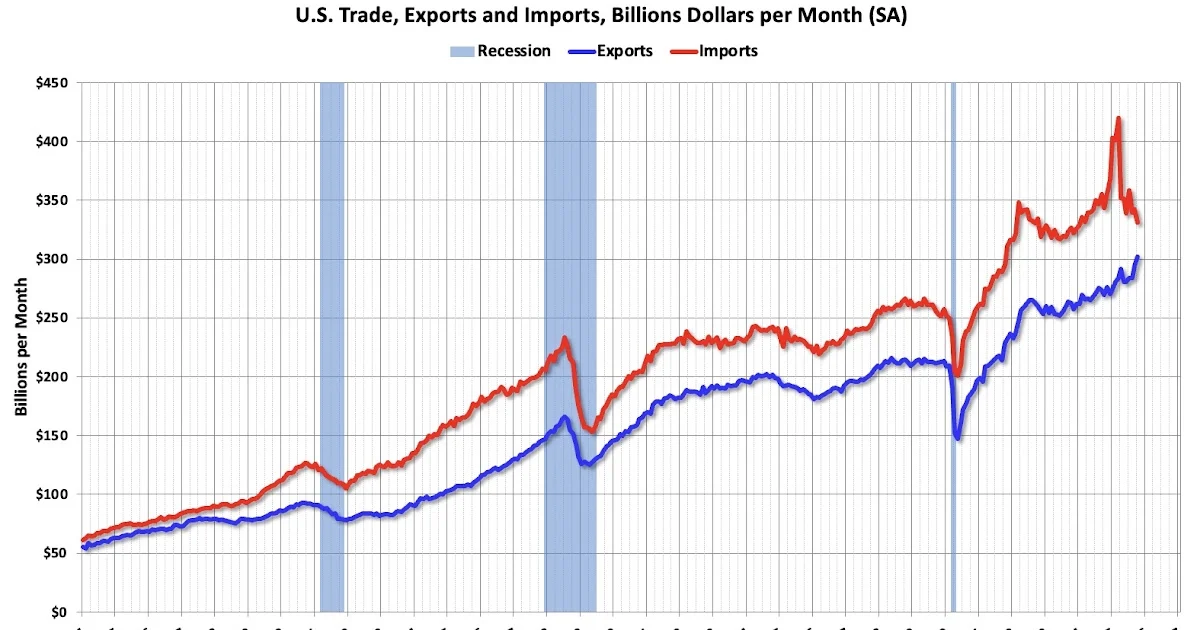
The November Trade Balance report is expected to show a deficit of approximately $59.4 billion. This follows a September figure of $52.8 billion, suggesting a significant expansion in the gap between imports and exports over the two-month interim. For investors and policymakers alike, the widening of this deficit is a critical data point that informs the "Net Exports" component of the GDP calculation.
Concurrently, the Department of Labor will issue the weekly jobless claims report. The market consensus anticipates a figure of 205,000 initial claims, a slight uptick from the previous week’s 199,000. While the sub-200,000 range has characterized a historically tight labor market, the anticipated move toward the 205,000 mark is being monitored for signs of "labor fatigue" or corporate restructuring as companies enter the new fiscal year.
II. Chronology of Economic Indicators
To understand the weight of Thursday’s data, one must look at the recent trajectory of these indicators.
Q4 2025: The Contextual Foundation
Throughout the final quarter of 2025, the U.S. economy displayed remarkable resilience. However, trade volatility remained a constant theme. In September, the trade deficit contraction to $52.8 billion was largely attributed to a temporary dip in imported consumer electronics and energy costs. Analysts at Calculated Risk have noted that the projected expansion to $59.4 billion in November suggests a rebound in imports, likely driven by holiday inventory restocking and robust consumer demand for foreign-manufactured goods.
The Labor Market Tightrope
The labor market has been the standout performer of the last eighteen months. With jobless claims holding firmly below the 200,000 threshold for much of late 2025, the economy has successfully avoided the predicted "cooling off" that many analysts feared would accompany the Federal Reserve’s interest rate environment. Thursday’s report is the first major labor market indicator of 2026, and its significance cannot be overstated: if the claims data exceeds the 205,000 consensus, it could signal that the long-anticipated labor market normalization is finally beginning.
III. Supporting Data and Market Dynamics
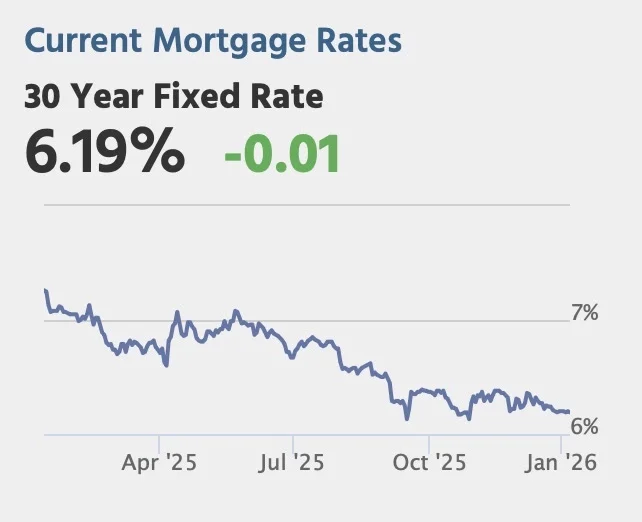
The financial landscape for early 2026 is further complicated by mortgage rates, which serve as a critical secondary indicator of economic health. According to the latest data from MortgageNewsDaily.com, mortgage rates—particularly for top-tier scenarios—have been hovering at levels that have challenged home affordability but have yet to trigger a systemic collapse in the housing sector.
Trade Dynamics
The projected $6.6 billion increase in the trade deficit is expected to be driven by three primary factors:

- Import Velocity: Increased domestic demand for goods leading into the end-of-year holiday season.
- Currency Fluctuations: The strength of the U.S. Dollar throughout Q4 2025, which, while beneficial for inflation control, has made U.S. exports less competitive in the global marketplace.
- Energy Sector Balance: Fluctuations in the price of crude oil and liquefied natural gas (LNG), which remain the largest variables in the monthly trade balance sheets.
Unemployment Trends
The move from 199K to an expected 205K in weekly claims, while minor in absolute terms, represents a 3% increase in volatility. Economists are analyzing this against the backdrop of recent corporate layoff announcements in the tech and finance sectors. If the data trends toward 210,000 or higher, it may prompt a reevaluation of the "soft landing" narrative that has dominated the investment climate.
IV. Official Responses and Institutional Sentiment
The Federal Reserve has maintained a stance of "data dependency" as it steers the economy through 2026. While the Fed has signaled a preference for stability, Thursday’s reports will be closely scrutinized by policymakers.
- The Federal Reserve’s Perspective: Officials have consistently pointed to the labor market as the primary pillar of economic sustainability. Should initial claims data demonstrate sustained growth above the 200k-210k range, the Committee may view this as evidence that the restrictive monetary policy of the previous year is finally exerting the desired cooling effect on aggregate demand.
- The Census Bureau and BLS: Both agencies continue to emphasize the volatility of monthly snapshots. A single week’s report on jobless claims or a single month’s trade data often contain seasonal adjustments that can lead to revisions. Analysts are advised to wait for the four-week moving average before drawing definitive conclusions about labor market trends.
V. Strategic Implications
The implications of Thursday’s reports extend far beyond simple numerical updates. They serve as the foundation for institutional portfolio adjustments for the first quarter.
For the Equity Markets
Markets are currently priced for perfection. A report that falls within the expected range will likely be treated as "business as usual," maintaining the current valuation of S&P 500 companies. However, a significant miss—either a larger-than-expected trade deficit or a sudden spike in jobless claims—could lead to increased volatility in cyclical sectors, particularly in manufacturing and logistics.
For Interest Rate Policy
If unemployment claims continue to climb, the pressure on the Federal Reserve to hold or cut rates increases. Conversely, if the labor market continues to show defiance against high interest rates by keeping claims low, the Fed may find itself with the "luxury" of maintaining its current stance for longer, prioritizing the fight against residual inflation over the pursuit of aggressive stimulus.
For the Consumer
For the average American, the trade deficit is often an abstract concept, but it directly impacts the availability and cost of goods. A widening deficit suggests a heavy reliance on global supply chains, which could be vulnerable to geopolitical disruptions in 2026. Meanwhile, the jobless claims data remains the most vital indicator of personal financial security. A steady labor market provides the psychological backing for continued consumer spending, which remains the primary engine of the U.S. GDP.
Conclusion: Watching the Horizon
As we look toward the 8:30 AM release on Thursday, the consensus is one of cautious anticipation. The U.S. economy enters 2026 with a dual identity: a robust, resilient labor market paired with an increasingly complex global trade profile.
While the trade deficit is projected to widen and unemployment claims are expected to show a marginal increase, these figures are not outliers but rather reflections of an economy adjusting to a new, higher-rate normal. Investors, economists, and policymakers will be looking for stability. If the reports align with consensus, the market will likely breathe a sigh of relief, viewing the data as confirmation that the economic transition remains orderly and managed.
However, should the data deviate sharply from these expectations, it will undoubtedly trigger a reassessment of the economic outlook for the remainder of 2026. As always, the key will be to look past the headlines and examine the revisions and the moving averages that tell the true story of American economic health.
Disclaimer: This report is for informational purposes only and does not constitute financial advice. Data referenced is based on consensus estimates provided by market analysts and is subject to revision by the issuing government agencies.