The African continent is currently navigating a period of profound geopolitical flux, characterized by a recalibration of power dynamics, the erosion of traditional alliances, and the emergence of new, transactional foreign policies. From the arid plains of the Sahel to the mineral-rich forests of the Democratic Republic of the Congo, the continent is witnessing a scramble for influence that involves both regional heavyweights and global powers.
Main Facts: A Continent in Transition
The current landscape is defined by three primary developments: the assertive return of Algeria to the Sahelian security theater, a significant pivot in U.S.-African health and economic diplomacy, and the growing magnetism of the BRICS bloc among African nations seeking alternatives to Western-led financial structures.
Algeria’s Sahel Rebound
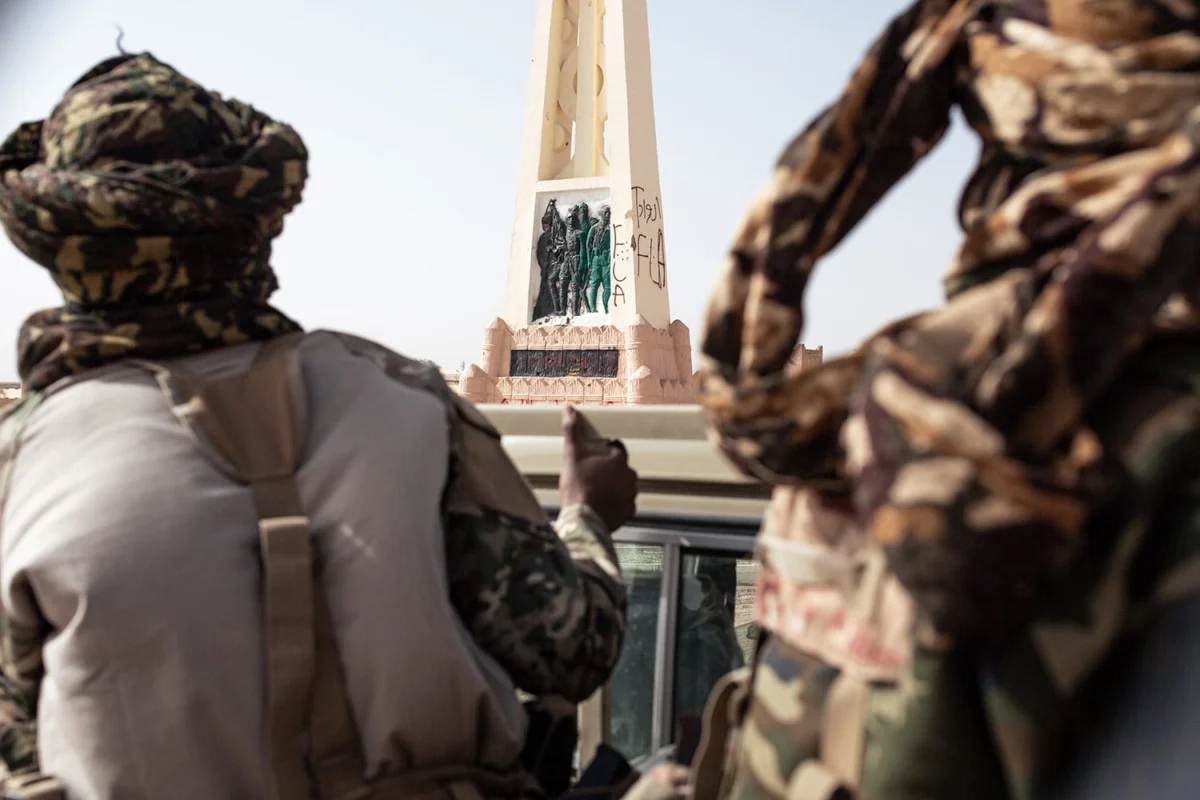
Algeria, long viewed as the regional stabilizer of the Sahel, has moved aggressively to reclaim its status as a primary security mediator. Following the Malian military’s recapture of the strategic city of Kidal—aided by Russian partners—Algiers has signaled an end to its period of relative isolation. By leveraging its military might and economic initiatives, such as the Trans-Saharan gas pipeline, Algeria is actively attempting to counter the influence of the United Arab Emirates and other foreign actors whom Algiers views as destabilizing forces.
The U.S.-Zambia Health Pivot
In a notable shift in development diplomacy, Zambia successfully renegotiated a $1.5 billion health financing deal with the United States. This agreement is particularly significant because it represents a "decoupling" of humanitarian aid from the contentious issue of critical mineral access—a demand previously championed by Zambian civil society.
The BRICS Magnet
Ghana’s formal application to join the BRICS bloc as a partner country underscores a broader trend: the desire for "resource sovereignty." By moving to join a bloc that includes powerhouses like China and India, Ghana aims to insulate its economy from the conditionalities often imposed by traditional international financial institutions.
Chronology of Recent Developments
- July 2026: Algeria reopens its airspace to Mali, effectively ending a 15-month diplomatic rift sparked by a border drone incident.
- August 2026: Algeria demonstrates its newfound assertiveness by dispatching fighter jets to Niger to support the military government against a coup attempt.
- September 2026: Algiers formally severs diplomatic ties with the UAE, citing "hostile acts" in Sudan and the Sahel.
- October 6, 2026: Ghana announces it has officially applied to become a BRICS partner country.
- October 9, 2026: A deadly ambush in the eastern DRC results in significant casualties among mercenaries contracted by Vectus Global, a firm led by Erik Prince.
- October 10, 2026: Tensions escalate between Ethiopia and Eritrea, with both nations trading accusations of "acts of aggression" and "unprovoked war."
- October 12, 2026: Navi Pillay is awarded the 2026 Nobel Peace Prize, sparking a public confrontation with former U.S. President Donald Trump.
Supporting Data and Regional Dynamics
The Security Architecture of the Sahel
Algeria’s military remains the second-strongest on the continent, trailing only Egypt. This strength is no longer dormant. In Niger, the state-owned energy firm Sonatrach has reignited the Kafra oil block project, signaling that Algeria’s influence is as much about economic integration as it is about security.
The rivalry between Algeria and Morocco continues to act as a catalyst for regional projects. Morocco’s "economic diplomacy" approach—highlighted by the planned Nigeria-Morocco gas pipeline—aims to link landlocked Sahelian nations to the Atlantic. As senior fellow Intissar Fakir notes, however, the region is becoming too crowded to define solely through the lens of this bilateral rivalry. The involvement of Russia, the UAE, and the U.S. has created a complex web of competing interests that transcends the traditional Maghrebian power struggle.
The DRC and the "Mercenary" Factor
The situation in the eastern Democratic Republic of the Congo (DRC) highlights the risks of privatized security. The involvement of Erik Prince’s forces to protect mineral-rich zones is a direct result of the Congolese government’s effort to secure a U.S. security deal. The recent loss of life in a rebel ambush demonstrates the volatility of these arrangements, especially as former President Joseph Kabila pivots toward a new armed coalition, including the M23 group.
Official Responses and Diplomatic Rhetoric
The rhetoric surrounding these events has been notably sharp. Algerian President Abdelmadjid Tebboune’s condemnation of the UAE—"Wherever they set foot, blood flows"—marks a departure from the traditional, muted language of regional diplomacy.
Conversely, Nigerien Prime Minister Ali Mahamane Lamine Zeine has lauded Algeria as a "kindred and neighboring country," characterizing the relationship as a pillar of Niger’s newfound national sovereignty.
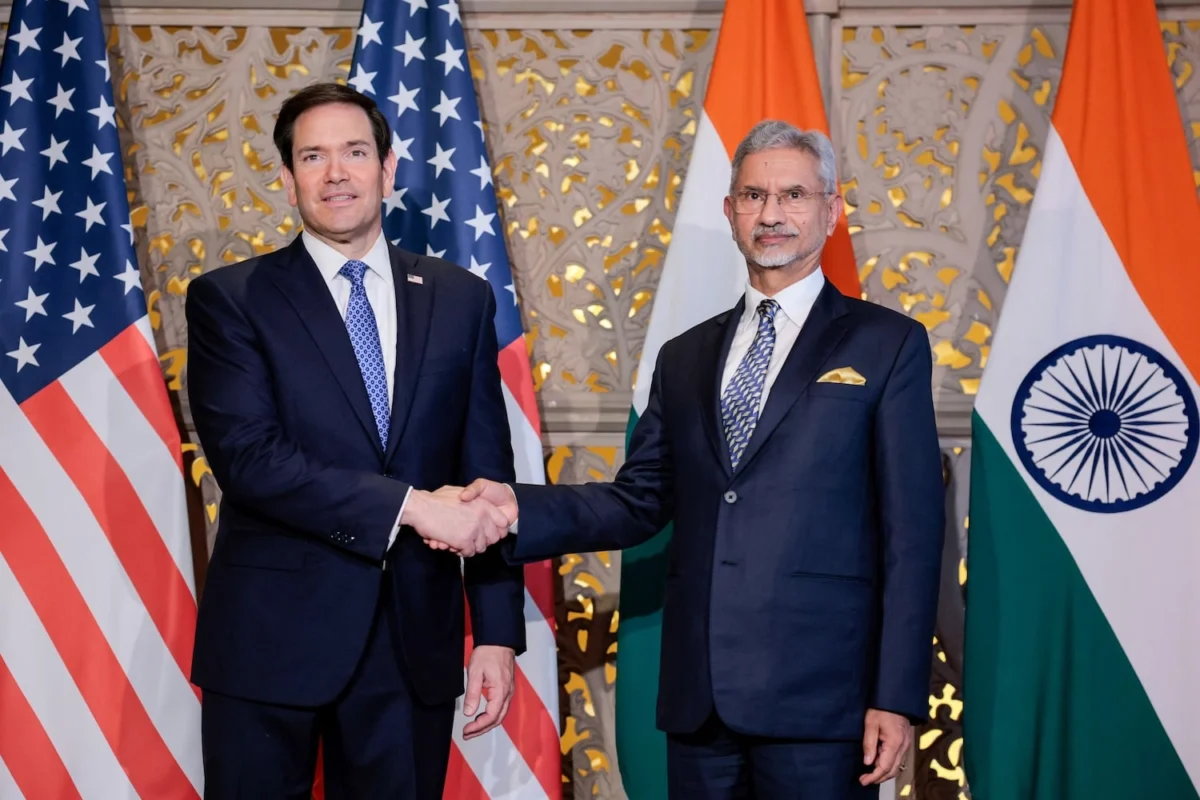
In the case of the Ethiopia-Eritrea conflict, the diplomatic tone is one of urgent escalation. The Ethiopian government, in a letter to the UN, has framed its current military posture as an "inherent right to self-defence," while Eritrea has utilized the same forum to describe Ethiopia’s actions as "deceitful attempts" to mask an invasion. The intervention of U.S. Secretary of State Marco Rubio, who urged de-escalation, highlights the international concern over a potential proxy war in the Red Sea.
Implications for the Future
The Erosion of Non-Intervention
The most striking implication of these developments is the decline of the "non-interference" doctrine in North Africa. Algeria’s willingness to send fighter jets to Niger and its aggressive stance against the UAE signal that Algiers no longer views its neighbors’ internal stability as separate from its own security. This shift suggests a more muscular, proactive approach to regional hegemony that will likely define the next decade of Sahelian politics.
The "Decoupling" of Aid and Minerals
Zambia’s successful renegotiation of the U.S. health deal serves as a case study for other African nations. By separating humanitarian aid from commercial mineral interests, Lusaka has set a precedent that could empower other countries to negotiate with global powers on more equal terms. This reflects a growing trend of "African agency," where governments are increasingly willing to reject unfavorable aid packages in favor of broader economic autonomy.
The BRICS Expansion and Institutional Alternatives
Ghana’s bid for BRICS partnership is not merely a diplomatic gesture; it is a structural play. As the bloc expands to include more African nations, it creates a counter-weight to Western-led institutions like the IMF and the World Bank. The ability of African states to access funding and trade partnerships that do not require democratic or political "conditionalities" will fundamentally alter the continent’s economic landscape.
The Conflict of Norms
The Nobel Peace Prize controversy—featuring the clash between human rights champion Navi Pillay and U.S. political figures—underscores a deeper ideological rift. As the global order fractures, the debate over international law, the role of the International Criminal Court, and the definition of "peace" has moved from the lecture hall to the center of global political discourse. Pillay’s insistence that "heads of countries have a particular responsibility" to respect international law is being tested in real-time across the theaters of the Sahel, the DRC, and the Horn of Africa.
Conclusion
As 2026 draws to a close, it is clear that Africa is moving toward a multipolar reality. The old certainties—that the Sahel would remain the domain of traditional mediators or that development aid would remain tethered to Western interests—have been discarded. In their place, a more volatile, assertive, and complex geopolitical environment has emerged, one where African nations are increasingly the architects of their own regional alliances, even as they contend with the pressures of competing global interests. The coming year will likely see these trends solidify, as regional powers like Algeria and Morocco continue to define their roles in a rapidly changing world order.