By Max Garland
Published October 14, 2026
In a move set to redefine the customer experience for social commerce, TikTok Shop has announced a strategic integration with Happy Returns, the UPS-owned reverse logistics provider. As retailers brace for the annual post-holiday surge in product returns—a period that historically strains supply chain infrastructure—this partnership positions TikTok Shop as a more sophisticated competitor in the e-commerce landscape. By offering a "box-free, label-free" returns solution, TikTok and Happy Returns are aiming to reduce the friction that has long plagued online shopping, turning a logistical headache into a competitive advantage.
Main Facts: A Frictionless Solution for Social Commerce
The core of the collaboration lies in simplifying the returns journey. For the millions of users browsing TikTok’s increasingly robust storefronts, the promise of returning items without the need for packaging materials or shipping labels represents a significant evolution.
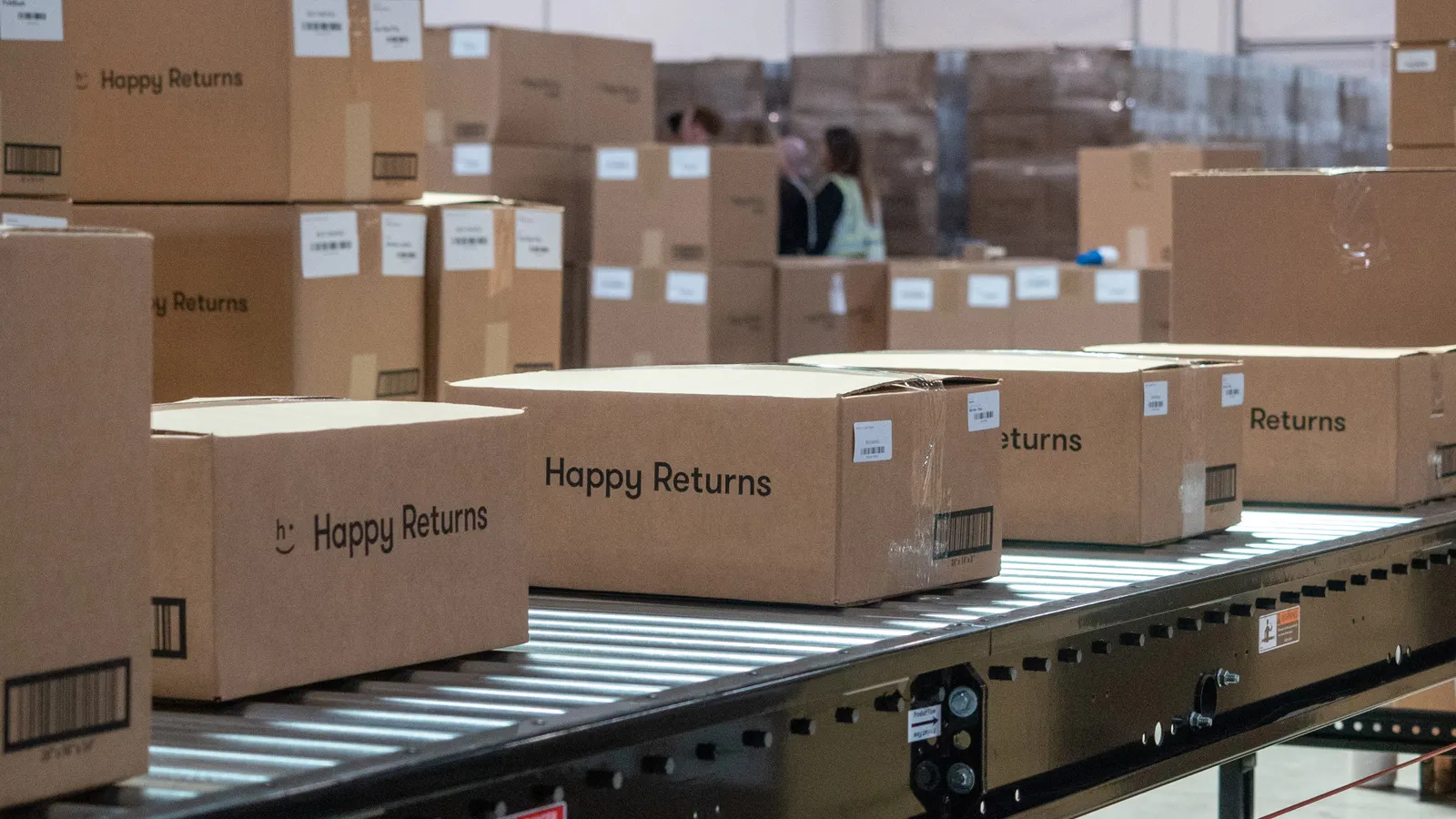
Under this new integration, customers can initiate a return within the TikTok Shop interface and receive a QR code. This code can then be presented at one of thousands of "Return Bars"—typically located at third-party retail locations—where the item is accepted, consolidated, and processed immediately.
For the merchant, the value proposition is twofold: increased customer loyalty driven by convenience, and a reduction in the operational overhead associated with managing individual return shipments. As the industry grapples with the reality that billions of dollars in merchandise are returned annually, this integration serves as a critical tool for scaling operations while maintaining margins.
Chronology: The Path to Integration
The integration is not an isolated event but the culmination of a broader strategy by both TikTok and Happy Returns to capture a larger share of the retail market.
- Early 2025: As TikTok Shop’s transaction volume surged, the platform identified return processing as a key point of failure in the user experience. Internal data suggested that high return friction was leading to lower repeat purchase rates.
- Mid-2025: Negotiations between TikTok and the UPS-owned Happy Returns intensified. The goal was to bypass the traditional method of integrating returns through individual retailer websites and instead embed the logic directly into the TikTok ecosystem.
- September 2026: Beta testing began with select high-volume retailers, including industry heavyweights like Pacsun and Everlane.
- October 14, 2026: The official launch of the integrated service. The timing is deliberate, designed to provide a "stress test" period of several weeks before the anticipated high-volume return window following the year-end holiday season.
Supporting Data: The High Cost of Returns
The scale of the reverse logistics challenge in 2026 cannot be overstated. According to the National Retail Federation, consumers are expected to return nearly $850 billion worth of merchandise this year. This "return tax" impacts every facet of the supply chain, from labor hours in warehouses to the environmental cost of shipping back under-utilized inventory.
Happy Returns has positioned itself as the industry leader in mitigating these costs. For merchants, the math is compelling. During a recent informational webinar, Birdie Smith, Happy Returns’ head of sales, noted that the service is specifically calibrated for high-volume merchants. "This is really best fit for merchants that are doing around 10,000 or more returns a year, primarily focused in apparel, footwear, and accessories," Smith stated.
The economic efficiency is driven by "box-free" processing. By consolidating items at the point of return, retailers avoid the cost of individual shipping boxes and the high labor costs associated with inspecting and re-bagging individual returns at a central warehouse.
Official Responses: Aligning Strategy and Execution
Leadership from both organizations has framed this partnership as a turning point for the social commerce industry.
Patrick Nommensen, TikTok Shop’s president of strategic initiatives, emphasized that the goal is to foster trust. "This collaboration will help make returns faster, hassle-free, and more trustworthy," Nommensen said in a statement. For TikTok, which is fighting to prove its longevity as a retail destination, trust is the primary currency.
David Sobie, co-founder and CEO of Happy Returns, highlighted the scalability of the infrastructure. "Our TikTok Shop partnership brings Happy Returns into one of the fastest-growing commerce ecosystems, giving greater confidence at purchase while supporting the fraud-resistant, scalable returns infrastructure merchants need to grow," Sobie noted.

The integration is designed to be seamless regardless of the fulfillment model. For "Fulfilled by TikTok" orders, the system is plug-and-play; for seller-fulfilled orders, Happy Returns provides a guided onboarding process to ensure that the merchant’s existing logistics flow remains intact while adopting the new interface.
Implications: Changing the Competitive Landscape
The integration of Happy Returns into the TikTok ecosystem has profound implications for the broader retail industry.
1. The Death of the "Label-Printer" Era
For years, the standard for returns has been the manual printing of a shipping label, the search for a box, and the trek to a carrier drop-off point. This has been a major deterrent for shoppers. By eliminating these steps, TikTok is effectively raising the bar for the entire e-commerce sector. Other platforms, such as Instagram Shop or independent storefronts, will likely face pressure to implement similar "box-free" solutions to remain competitive.
2. A Strategic Advantage Over Traditional Carriers
While FedEx continues to push its "Easy Returns" service—which utilizes its network of Office locations and partners like Kohl’s—the TikTok-Happy Returns alliance creates a unique, platform-native experience. By embedding the service directly into the seller center, TikTok is creating a "sticky" ecosystem where the logistics are invisible to the user.
3. Impact on Specialized Retailers
The participation of brands like Pacsun and Everlane suggests that apparel retailers are the primary beneficiaries. Because these items are high-frequency returns—often due to sizing or fit issues—the speed of the "Return Bar" model allows merchants to put inventory back on the virtual shelf significantly faster. This reduces the "dead capital" trapped in the reverse logistics pipeline.
4. The Fraud Factor
One of the most significant, yet often overlooked, benefits of the Happy Returns model is the reduction of return fraud. By requiring in-person drop-offs where items are immediately inspected, merchants are far less likely to be victimized by "empty box" scams or the return of damaged, used goods passed off as new. This creates a "fraud-resistant" infrastructure that is essential for the long-term viability of high-volume social commerce.

Conclusion: The Road Ahead
As the 2026 holiday season approaches, the retail world will be watching closely to see how this integration performs under pressure. If successful, it will likely serve as the blueprint for how major social platforms manage the lifecycle of a product.
For the average consumer, the shift is subtle but meaningful: the anxiety of a "difficult return" is being removed from the equation. For the merchant, it represents a transition from viewing returns as a cost-center to viewing them as a customer-retention tool. As TikTok Shop continues to mature, its ability to integrate the physical realities of logistics with the digital speed of social media will be the true test of its market dominance.
The partnership with Happy Returns is not just about moving packages; it is about building the foundation of a modern, efficient, and consumer-centric retail future. As the industry moves toward 2027, the retailers who fail to prioritize this level of logistical integration may find themselves increasingly isolated in an era that demands speed, convenience, and absolute transparency.