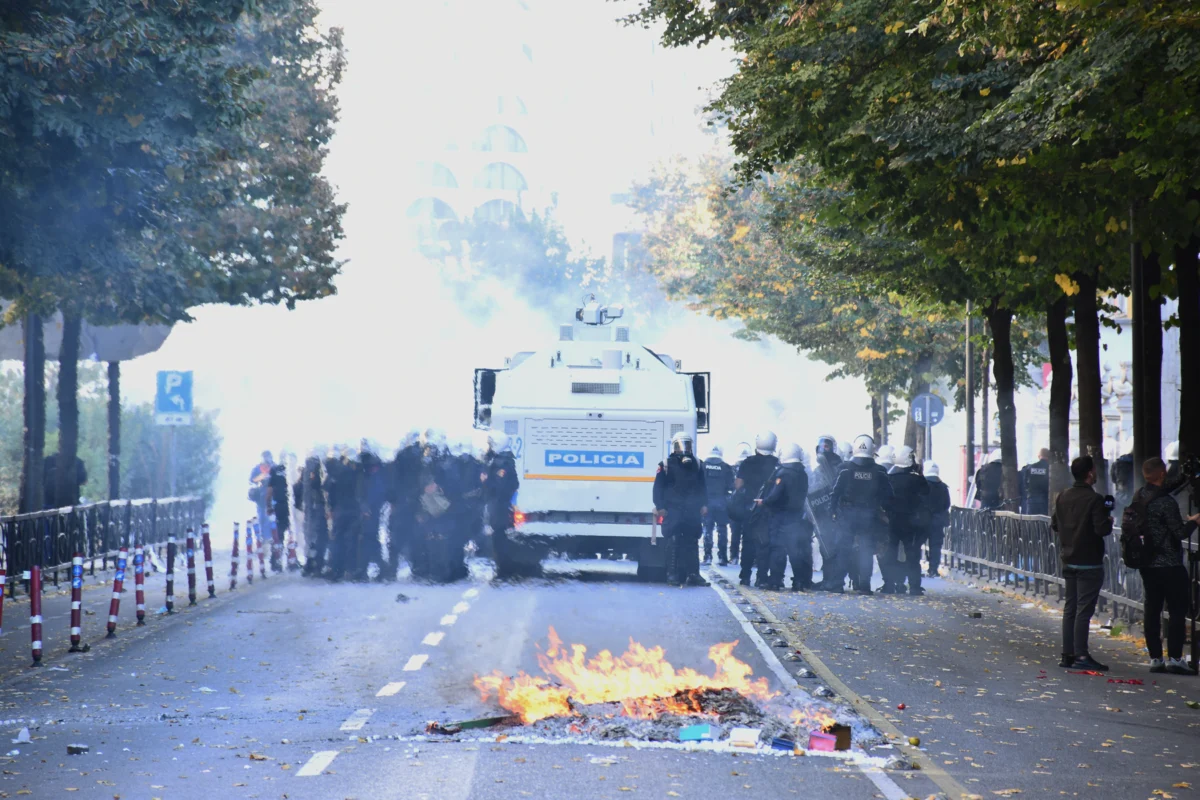
Tirana, Albania – October 14, 2026 – A wave of discontent has swept through Tirana as thousands of students have taken to the streets, demanding significant reforms within the higher education system. The protests, which began with peaceful demonstrations, have escalated, marked by clashes with law enforcement, the use of tear gas, and a growing sense of urgency among the youth. This live blog aims to provide comprehensive, real-time coverage of the unfolding events, detailing the students’ demands, the actions of the police, and the initial reactions from governmental institutions.
Main Facts
The core of the student movement revolves around a series of grievances concerning the quality of education, accessibility, and administrative transparency within Albanian universities. Key demands include:

- Reduced Tuition Fees: Students are calling for a substantial decrease in tuition costs, arguing that current fees are a significant barrier for many aspiring scholars, particularly those from lower-income backgrounds.
- Improved Educational Quality: There are widespread complaints about outdated curricula, inadequate facilities, and a perceived lack of qualified faculty in many departments. Students are demanding modernization of academic programs and investment in research infrastructure.
- Increased Transparency and Accountability: The protesters are seeking greater clarity in university administration, including transparent budgeting, fair allocation of resources, and more student representation in decision-making processes.
- An End to Perceived Corruption: Allegations of favoritatism and irregularities in admissions and academic progression have fueled anger, with students demanding a crackdown on corrupt practices.
The demonstrations have seen a significant police presence, with reports of the use of tear gas and crowd control measures to disperse the crowds. Several arrests have been made, and there are concerns regarding the use of excessive force.
Chronology of Events
The following is a timeline of key developments as reported by BIRN:

- October 13, 2026, 10:31 AM: Police arrest 16 individuals following a student protest in Tirana.
- October 13, 2026, 11:15 PM: Journalists covering the student protest report facing violence and threats from the police.
- October 13, 2026, 11:51 PM: Images emerge showing student protests escalating with barricades and what appear to be fires.
- October 14, 2026, 7:02 AM: A separate political development sees the Socialist Party issuing an ultimatum to the opposition regarding electoral reform, with experts calling for consensus. This highlights a broader political climate of negotiation and potential tension.
- October 14, 2026, 10:31 AM: Further reports detail police arrests of 16 individuals after the student demonstration in Tirana.
- October 14, 2026, 1:41 PM: The student revolt intensifies in Tirana, with tear gas and barricades reportedly present amidst the protests.
- October 14, 2026, 4:04 PM: Students are reported to be abandoning lecture halls and taking to the streets, signaling a significant shift in their engagement.
- October 14, 2026, 4:27 PM: This live blog entry marks the latest update, indicating ongoing developments from the protest in Tirana.
(Please note: This chronology is based on the provided snippets and will be updated as more information becomes available.)
Supporting Data and Student Voices
The sentiment on the ground is one of deep frustration and a desperate desire for change. Social media platforms have become a hub for students to share their experiences, document alleged police misconduct, and rally support. Videos and images circulated online depict scenes of intense confrontation, with students holding signs and chanting slogans highlighting their grievances.

"We are not asking for the impossible," stated a student interviewed by BIRN, who wished to remain anonymous for fear of reprisal. "We want an education that prepares us for the future, not one that holds us back. The current system is failing us, and our voices need to be heard."
Another student expressed concerns about the economic burden of higher education: "My parents are struggling to afford my tuition. I see so many talented individuals forced to drop out because they simply cannot afford it. This is not meritocracy; it’s a system that favors wealth."

The scale of the protests suggests a widespread dissatisfaction that has been brewing for some time. The decision to abandon classrooms and occupy public spaces signifies a willingness to escalate their actions in pursuit of their demands. This transition from academic spaces to public squares indicates a broader societal concern about the future of education in Albania.
Official Responses and Institutional Reactions
As of the latest reports, official responses from the Ministry of Education and other governmental bodies have been limited. The initial approach appears to be one of cautious observation, with a focus on maintaining public order.

The Ministry of Education has historically acknowledged the need for reforms in the higher education sector, but concrete actions and significant investments have often lagged behind public expectations. Protesters are likely to be looking for more than just statements of intent; they are demanding tangible policy changes and a clear roadmap for improvement.
The Ministry of Interior, responsible for law enforcement, has maintained that the police are acting within their legal mandate to ensure public safety and prevent disruption. However, allegations of excessive force and the use of tear gas are likely to draw scrutiny from human rights organizations and international observers. The statement from BIRN about journalists facing violence underscores the challenges in obtaining objective information and the potential for a crackdown on media freedom during such events.

The date of the articles, October 14, 2026, suggests that these protests are a recent and ongoing development. The lack of immediate, comprehensive responses from government officials indicates a potential challenge in de-escalating the situation and finding common ground with the student movement.
Implications and Broader Context
The student protests in Tirana are not isolated incidents but reflect a broader trend of youth activism and demand for systemic change across various countries. In the context of Albania, these demonstrations highlight several critical issues:

- The Future of Higher Education: The protests serve as a stark reminder of the urgent need for investment and reform in Albania’s higher education system. An inability to address the concerns of students could lead to a "brain drain" of talented individuals seeking better opportunities abroad.
- Youth Engagement and Political Participation: The organized nature of the protests, with students using social media and coordinating their actions, demonstrates a growing capacity for civic engagement among young Albanians. This could have significant implications for the country’s political landscape in the long term.
- Police Conduct and Civil Liberties: The reports of police actions, including the use of tear gas and alleged mistreatment of journalists, raise important questions about the respect for civil liberties, including the rights to assembly and freedom of the press, during public demonstrations.
- Economic and Social Development: The link between education quality and economic development is undeniable. A robust and accessible higher education system is crucial for fostering innovation, creating a skilled workforce, and driving the country’s progress.
The coming days will be critical in determining the trajectory of these protests. The government’s willingness to engage in meaningful dialogue and implement substantive reforms, alongside the students’ commitment to peaceful advocacy, will shape the outcome. The international community will likely be watching closely, particularly in light of Albania’s aspirations for European integration, which often involves adherence to democratic principles and respect for human rights.
This live blog will continue to provide updates as this dynamic situation evolves, offering a platform for diverse voices and a detailed account of this significant moment in Albanian history.