Tirana, Albania – [Date of publication, e.g., October 26, 2023] – In a scathing indictment of the government’s handling of persistent student protests, the Albanian University Union (Sindikata e Universiteteve) has issued a powerful statement expressing unwavering solidarity with student demonstrators and condemning the use of force by law enforcement. The union’s declaration, released amidst escalating tensions, calls for immediate self-restraint from authorities, a renewed respect for fundamental human rights, and the unconditional guarantee of peaceful assembly.
The union posits that the current volatile situation is a direct consequence of the government’s protracted inaction and apparent neglect of long-standing civic and student demands. This sentiment is particularly underscored by the fact that core grievances have remained unaddressed even after a "marathon protest" spanning an astonishing 135 days. The critical absence of meaningful dialogue and a discernible political will to find solutions, according to the union, threatens to erode public trust in state institutions to an irreparable degree.
Main Facts: A Crisis of Trust and Engagement
The core message from the University Union is unequivocal: solidarity with students, condemnation of police violence, and a demand for immediate, substantive dialogue. Their statement highlights several critical points:
- Unwavering Solidarity: The union stands firmly with students, recognizing their protests as a legitimate exercise of constitutional rights to organize and protest. They view the student voice as a vital call for institutional reflection and accountability.
- Condemnation of Violence: The use of force by law enforcement against protestors is vehemently denounced, with the union urging authorities to exercise self-restraint and uphold fundamental human rights, including the right to peaceful protest.
- Governmental Negligence as Root Cause: The escalation is attributed directly to the government’s failure to react and its general negligence towards civic demands, including those from students, which have persisted for over four months.
- Broken Relationship with Ministry of Education: The union underscores the symbolic significance of students protesting before the Ministry of Education, viewing it as their "institutional home." They reveal that their own official correspondence with the Ministry since March has also been met with "silence," mirroring the lack of response students encounter. This silence is depicted as symptomatic of a "broken relationship" between the institution and the community it is meant to serve.
- Call for Academic Unity: An urgent appeal is made to all academics, researchers, university staff, and the broader academic community to stand alongside students, emphasizing that the pursuit of quality education, dignified working and studying conditions, and fair treatment of higher education issues are shared, collective causes.
- Demand for Real Dialogue: The union implores the government and all political actors to engage immediately in a genuine dialogue process aimed at reviewing and resolving the demands of both students and academic staff, dismissing formal responses, silence, or delays as unacceptable substitutes for institutional and political responsibility.
- Warning of Political Consequences: A stark warning is issued that if the current political configuration proves incapable of addressing these critical issues, the path must be cleared for alternative political solutions that align with democratic principles and citizen will.
Chronology of Discontent: A Prolonged Struggle
The current eruption of protests and the subsequent union statement are not isolated incidents but rather the latest chapter in a protracted period of unrest and unmet demands within Albania’s higher education sector. While the initial prompt doesn’t detail the exact triggers for the "135-day marathon protest," general knowledge of student movements in Albania suggests a consistent pattern of grievances.
The seeds of discontent have often been sown by concerns over the quality and accessibility of higher education, including issues such as:
- Tuition Fees and Costs of Living: Students frequently protest against high tuition fees, inadequate financial aid, and the prohibitive cost of living, which create barriers to education for many, particularly those from lower-income backgrounds.
- Infrastructure and Resources: Complaints often arise regarding dilapidated university infrastructure, overcrowded lecture halls, insufficient library resources, and outdated laboratory equipment, all of which compromise the learning environment.
- Academic Autonomy and Governance: There have been recurring calls for greater academic freedom, transparent university governance, and less political interference in academic affairs.
- Curriculum Relevance and Employment Prospects: Students often voice concerns about the relevance of their curricula to the modern job market and the lack of opportunities for graduates, leading to widespread youth unemployment and brain drain.
- Faculty Conditions: Academic staff, often represented by unions like the University Union, have their own grievances regarding stagnant salaries, precarious contracts, and a lack of investment in research and professional development, which directly impacts the quality of education they can provide.
The "135-day marathon protest" referenced by the union likely represents an extended period where these diverse student and civic demands were repeatedly voiced through various forms of peaceful demonstration, marches, and public assemblies. The fact that these demands have remained unaddressed for over four months underscores a deep-seated frustration with governmental responsiveness.
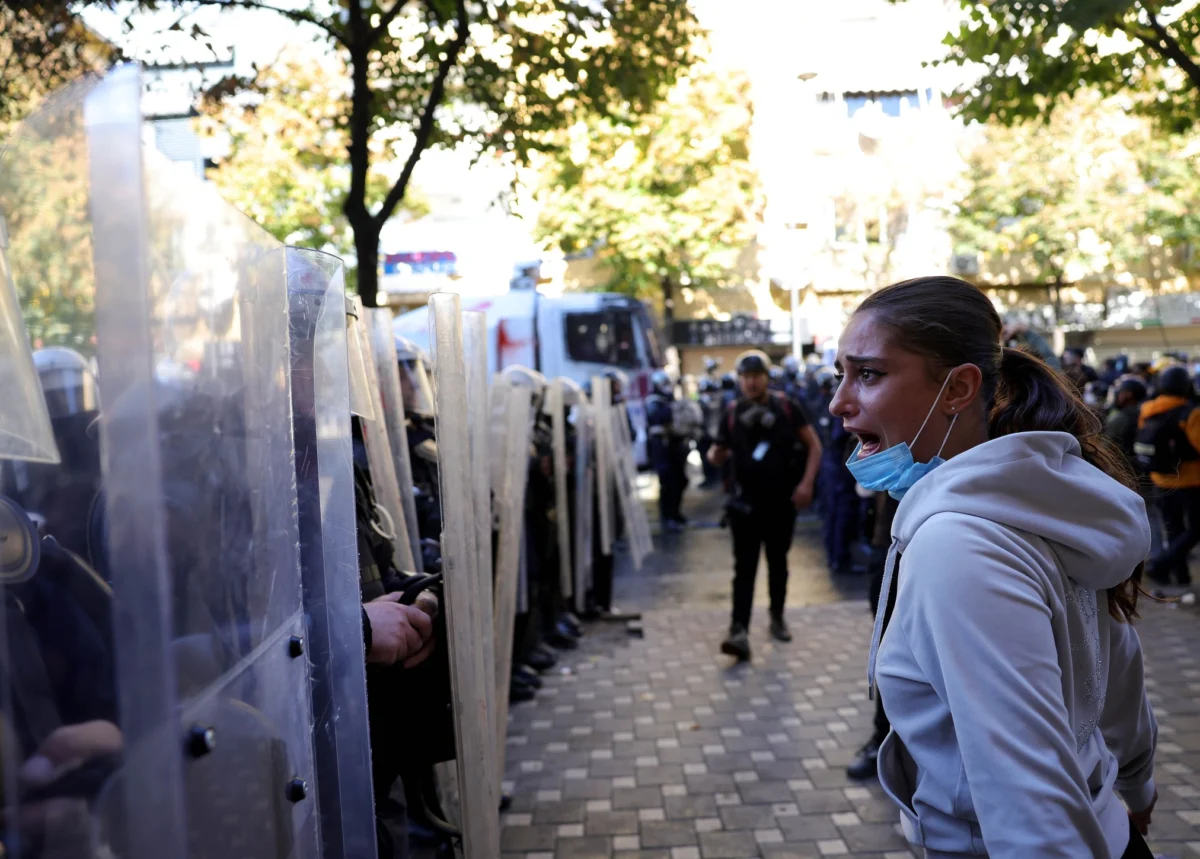
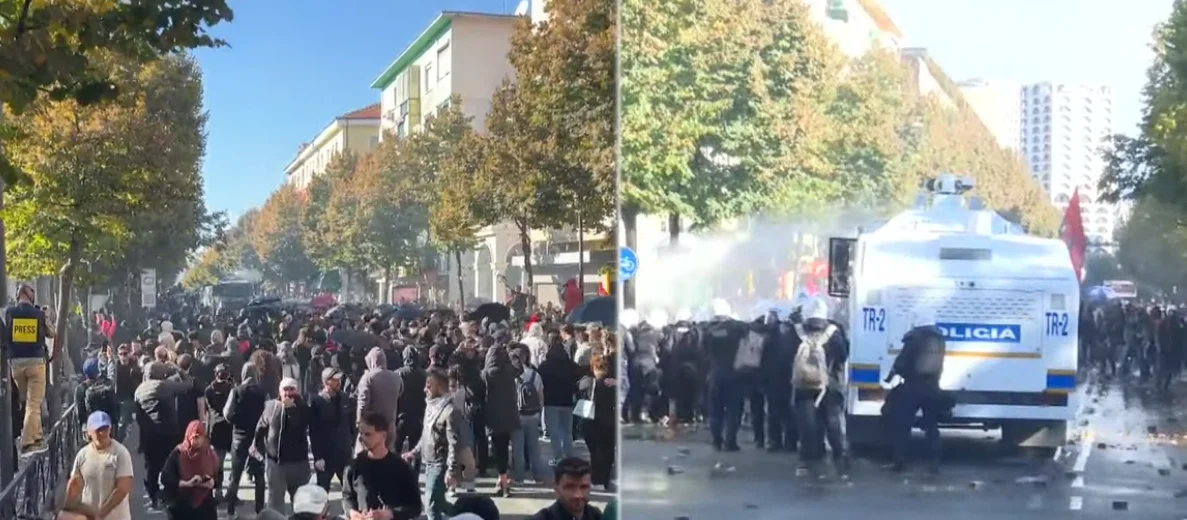
The immediate trigger for the University Union’s recent statement appears to be a specific protest where students converged on the Ministry of Education. This particular action carries profound symbolic weight. As the union points out, students did not approach the Ministry as adversaries but as individuals seeking redress from an institution that, by its very mission, is meant to serve them. The subsequent confrontation with law enforcement and the alleged use of violence against these protestors represent a critical turning point, pushing the academic community to issue a forceful rebuke.
Adding another layer to this chronology of unheeded calls, the University Union revealed its own attempts to engage with the Ministry of Education through official correspondence dating back to March of the current year. The union’s experience of "silence" from the Ministry directly mirrors the lack of response that students have encountered on the streets, reinforcing the perception of a systemic failure in institutional communication and accountability. This parallel experience of neglect forms a crucial part of the union’s argument that the relationship between the governing educational body and its constituents is fundamentally broken.
Supporting Data: The Erosion of Fundamental Rights and Academic Integrity
The University Union’s statement delves into the broader implications of the current crisis, extending beyond mere administrative grievances to touch upon fundamental principles of democracy, human rights, and the role of higher education in society.
The Right to Peaceful Protest: The condemnation of police violence against protestors is not merely a reaction to an isolated incident but a defense of a cornerstone of democratic societies. The right to peaceful assembly and protest is enshrined in international human rights conventions and national constitutions. When state forces employ violence against peaceful demonstrators, it undermines the very fabric of democratic expression and can instill fear, deterring future civic engagement. The union’s call for "self-restraint" is a plea for adherence to established protocols for managing public demonstrations, where force should only be used as a last resort, proportionate to the threat, and with strict accountability. The implications of such violence extend to a chilling effect on freedom of speech and expression, essential components of a healthy academic environment.
The "Broken Relationship" with the Ministry of Education: The union powerfully describes the situation before the Ministry of Education as a "symbol of a broken relationship" between the institution and the community it ought to serve. This is a critical observation. A Ministry of Education is typically envisioned as a supportive body, a facilitator of educational excellence, and a guardian of student and academic welfare. When students and academic unions find themselves confronting it as an unresponsive, even antagonistic, entity, it signals a profound misalignment of purpose. The ministry, in its ideal role, should be a partner in addressing educational challenges, fostering dialogue, and implementing policies that improve learning and working conditions. Its perceived silence and the deployment of force instead of engagement suggest a significant departure from this mandate.
The Imperative of Quality Education and Dignified Conditions: The union’s reiteration of demands for "quality education, dignified study and work conditions, and fair treatment of higher education problems" forms the substantive core of the protests. These are not trivial requests but fundamental prerequisites for a functioning and competitive higher education system.
- Quality Education: This encompasses a range of factors from updated curricula and effective pedagogical methods to sufficient resources for research, modern infrastructure, and a robust system of academic assessment. A lack of quality education can have long-term societal consequences, impacting national development, innovation, and global competitiveness.
- Dignified Conditions: This extends to safe and clean campus environments, adequate student housing and support services (including mental health), fair remuneration and secure employment for academic staff, and a culture of respect within universities. When these conditions are absent, it not only affects the well-being of individuals but also hinders the attraction and retention of talent within the academic sector.
- Fair Treatment: This refers to transparency in decision-making, equitable distribution of resources, and addressing systemic issues such as corruption or nepotism that can plague higher education institutions, eroding meritocracy and trust.
Academic Freedom and University Autonomy: The union explicitly states that "academic freedom and university autonomy are not privileges, but responsibilities." This is a crucial defense of the university’s role as a critical institution in society. Academic freedom allows scholars to pursue truth, challenge existing norms, and engage in open intellectual debate without fear of retribution. University autonomy ensures that academic institutions can govern themselves, make independent decisions regarding curricula, research, and appointments, free from undue political interference. When these principles are compromised, universities risk becoming tools of political agendas rather than independent centers of knowledge and critical thought. The union frames these not as benefits for academics but as responsibilities to uphold critical thinking, truth, and the right of every young person to a valued education.
Official Responses: A Persistent Pattern of Silence
The article, as derived from the union’s statement, points to a troubling pattern of official non-response. Rather than engaging in constructive dialogue, the government and political actors are accused of offering "formal responses, silence, or further postponement of solutions." This perceived stonewalling strategy is not only frustrating for protestors but also counterproductive to resolving the underlying issues.
The union’s own experience of unacknowledged correspondence with the Ministry of Education since March serves as compelling evidence of this systemic lack of engagement. It demonstrates that the problem extends beyond just the student protests on the street to a broader institutional reluctance to communicate and collaborate with legitimate stakeholders within the academic community.
This persistent silence can be interpreted in several ways:
- Underestimation of the Protest: Authorities might be underestimating the depth and breadth of public and academic dissatisfaction, believing that the protests will eventually dissipate on their own.
- Strategic Delay: The government might be hoping to outlast the protestors, or waiting for a more opportune political moment to address the issues, thereby risking further escalation.
- Political Deadlock: It’s possible that internal political divisions or a lack of consensus within the governing structures are preventing a unified and effective response.
- Dismissal of Demands: The government might fundamentally disagree with the protestors’ demands, choosing to ignore them rather than engage in a debate it perceives as unfavorable.
Regardless of the underlying reason, the outcome is a deepening sense of distrust and disillusionment among students and academics. The union clearly states that these tactics "cannot replace institutional and political responsibility," emphasizing that genuine leadership requires active problem-solving, not passive avoidance.
Implications: A Looming Crisis for Democracy and Education
The implications of the current standoff, as articulated by the University Union, are far-reaching and potentially dire, affecting not only the educational system but also the broader democratic landscape of Albania.
Erosion of Trust in Institutions: The most immediate and tangible implication is the continued erosion of public trust in governmental and educational institutions. When legitimate demands are met with silence and, worse, with force, citizens, especially the youth, become increasingly cynical about the democratic process and the efficacy of civic engagement. This can lead to political apathy or, conversely, to more radical forms of protest, creating a vicious cycle of distrust and confrontation.
Damage to the Higher Education System: The prolonged crisis poses a significant threat to the quality and reputation of Albanian higher education.
- Brain Drain: Dissatisfied students and underpaid academics are more likely to seek opportunities abroad, leading to a critical loss of talent and expertise. This "brain drain" can cripple the nation’s capacity for innovation and development.
- Decline in Academic Standards: Without adequate funding, resources, and a supportive environment, academic standards are likely to decline, producing less-qualified graduates and hindering research output.
- Loss of International Credibility: A system plagued by unrest, lack of autonomy, and perceived political interference will struggle to attract international students, faculty, or research collaborations, further isolating it.
Political Instability and the Call for "Political Solutions": The union’s warning that if the "current political configuration" fails to resolve the problems, "the path must be opened for political solutions that enable the overcoming of the crisis, in accordance with democratic principles and citizen will," carries significant weight. This is more than a simple call for dialogue; it hints at a fundamental challenge to the legitimacy and effectiveness of the existing political leadership.
- Demand for Accountability: It suggests that the union believes the current government has forfeited its mandate to address these issues, potentially paving the way for calls for early elections, government reshuffles, or even broader systemic political reforms.
- Democratic Principles: The emphasis on "democratic principles and citizen will" frames the crisis as one of governance itself, where the state is failing to represent and respond to the needs of its populace. This elevates the protest from specific educational demands to a broader struggle for democratic responsiveness and accountability.
Social Unrest and Division: A failure to address the grievances of students and academics can exacerbate social divisions. The academic community, often seen as a voice of reason and critical thought, taking such a firm stance suggests that the issues resonate deeply within wider society. Continued inaction could lead to broader public support for the protests, potentially escalating into more widespread social unrest.
The Path Forward: Dialogue as the Only Recourse:
The University Union concludes its powerful statement by reiterating that "dialogue, institutional responsibility, and concrete solutions to demands are the only way to overcome the created situation." This underscores the urgency of the moment and offers a clear, albeit challenging, path forward. The union and the students they support are not seeking conflict but resolution, yet they are resolute that this resolution must be genuine, comprehensive, and respectful of their constitutional rights and the principles of a functioning democracy. Their final call – "Solidarity with students! Respect for the right to protest! Institutional responsibility and concrete solutions for education and society!" – serves as a stark reminder of the high stakes involved in this unfolding crisis.