By: [Your Name/Journalistic Staff]
Published: October 13, 2026
The logistics landscape of the United States is undergoing a quiet, high-altitude transformation. As of October 2026, retail giant Walmart, in partnership with Alphabet-owned drone operator Wing, has signaled a significant acceleration in its aerial delivery roadmap. With a stated goal of reaching more than 270 locations by next year, the collaboration is moving beyond the pilot-program phase and into a robust, scalable service model that promises to redefine the "last mile" of retail.
Main Facts: The New Frontier of Logistics
The core of the initiative is a sophisticated, automated delivery network that leverages Wing’s specialized unmanned aerial vehicle (UAV) technology. By the end of 2027, Walmart intends to have integrated drone capabilities into over 270 of its retail outlets. This represents a massive shift in how the world’s largest retailer handles quick-turnaround orders, specifically for groceries and essential household items.
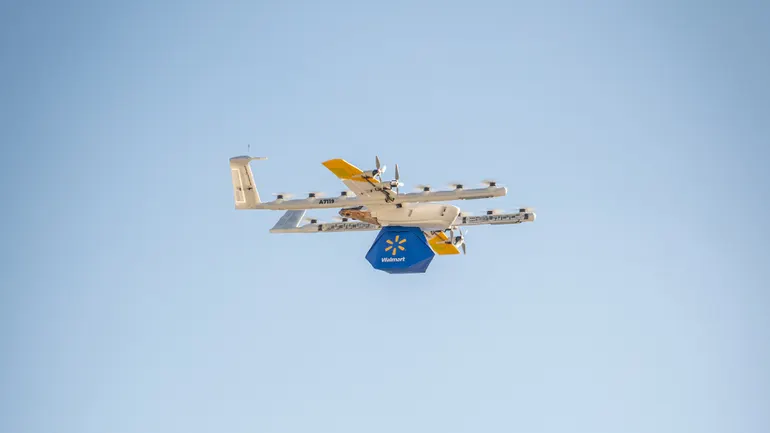
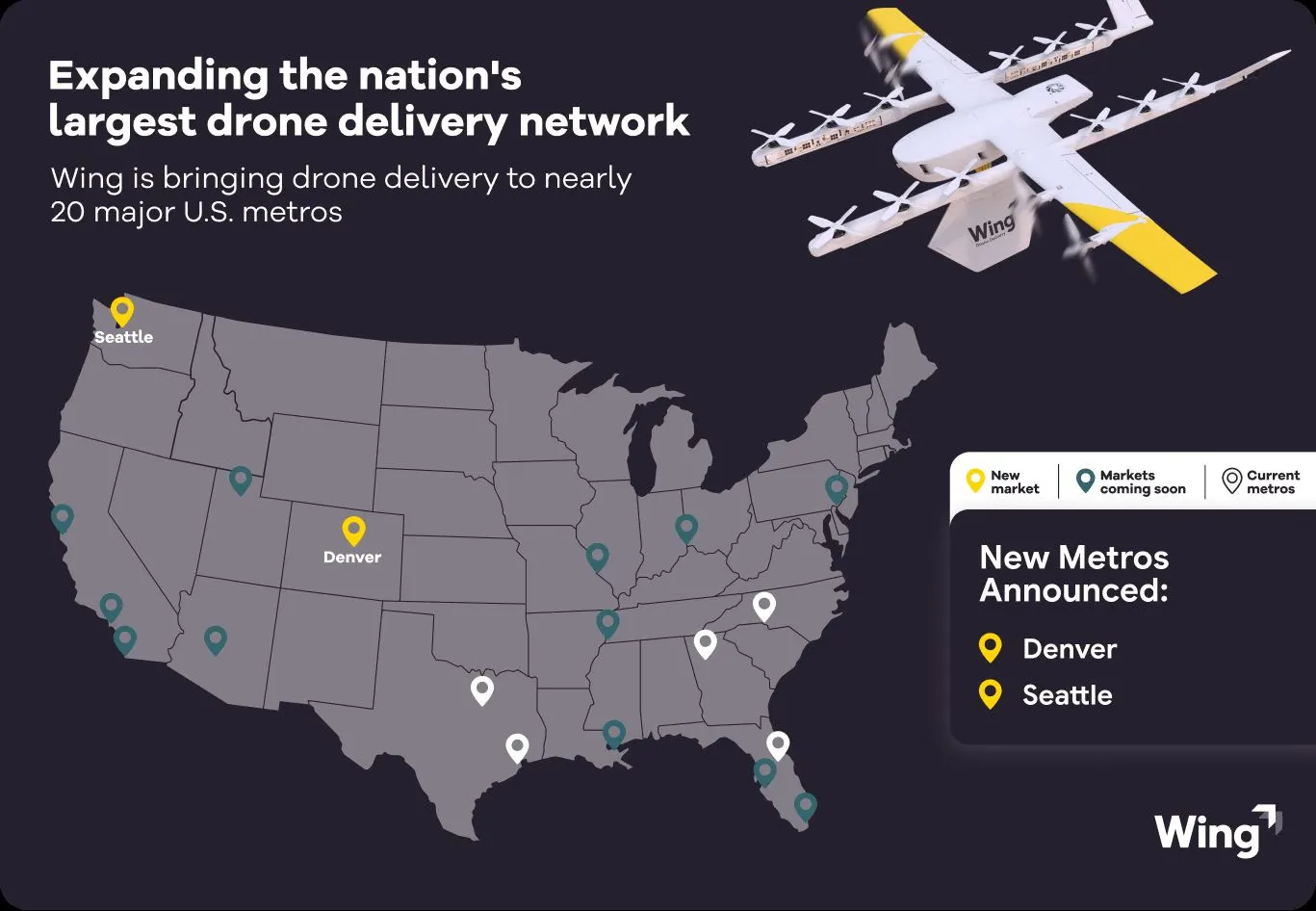
Currently, the service is operational in high-density metropolitan areas, including Houston, Atlanta, Dallas-Fort Worth, Orlando, and Charlotte. The operational model is designed for efficiency: Wing’s drones are capable of cruising at speeds of up to 60 miles per hour, carrying payloads of up to five pounds. This capacity is optimized for the "on-demand" grocery market—think milk, eggs, fresh produce, or over-the-counter medicine—that a consumer might need within 30 minutes.
Accessing the service is designed for seamless integration into the existing Walmart ecosystem. Customers simply select the drone delivery option within the Walmart app or website, or they may utilize the standalone Wing application. Once an order is placed, the fulfillment process—from pick-and-pack to flight—is engineered to minimize human touchpoints, drastically reducing the traditional labor and fuel costs associated with standard delivery vans.
A Chronological Evolution of Aerial Fulfillment
The journey to this point has been one of incremental validation and regulatory navigation.

- Initial Pilots (2020–2022): Walmart first dipped its toes into the water with limited-scope tests, aiming to understand the consumer appetite for autonomous delivery. These early days focused on proving safety and reliability in controlled environments.
- The Partnership Formalization (Early 2026): At the beginning of this year, Walmart and Wing announced a strategic expansion targeting 150 new locations. This announcement served as the catalyst for the current, broader rollout.
- The October 2026 Update: As of early October, the companies identified a massive pipeline of "coming soon" markets, including Los Angeles, San Francisco, Cincinnati, New Orleans, St. Louis, and Tampa. While exact launch dates for these cities remain under wraps, the commitment to expansion is clear.
- The 2027 Horizon: The stated goal of 270+ active locations by next year suggests that the partnership has successfully cleared significant hurdles regarding Federal Aviation Administration (FAA) certifications and local municipal zoning requirements.
Supporting Data: Why Drones Matter
The shift toward drone delivery is not merely a technological gimmick; it is a response to the harsh economic realities of the "last mile." In traditional retail, the last mile—the final leg of a delivery from a distribution center or store to the customer’s doorstep—is the most expensive and inefficient part of the supply chain.
- Speed and Efficiency: A delivery van stuck in traffic is a financial drain. A drone, traveling in a straight line at 60 mph, is immune to road congestion.
- Payload Capacity: While five pounds may seem small, data suggests that the majority of "emergency" grocery runs involve fewer than 10 items. By focusing on this specific weight class, Walmart can capture a high-frequency segment of the market that was previously underserved by traditional delivery services.
- Environmental Impact: As retailers face increasing pressure to reduce their carbon footprints, the transition to electric, low-weight drones offers a compelling alternative to internal combustion engine delivery vehicles. Fewer idling trucks in suburban neighborhoods also contribute to reduced noise and air pollution.
Official Responses and Strategic Vision
The leadership at Walmart has been vocal about the necessity of this shift. Greg Cathey, senior vice president of eCommerce transformation at Walmart, emphasized that the expansion is not just about convenience, but about "practicality."
"Expanding drone delivery to Seattle and Denver is about giving more customers a practical option when they need something quickly," Cathey noted in a recent statement. His remarks highlight the retailer’s shift from seeing drones as a novel perk to viewing them as a core component of the standard retail experience.

For Wing, the partnership with Walmart represents a validation of their business model. By embedding their technology within the world’s largest retailer, Wing has secured a massive, built-in customer base. The partnership allows Wing to iterate on its hardware and software in real-world scenarios, gathering the data necessary to improve flight path algorithms and obstacle-avoidance systems.
Implications: The Future of the Suburban Retail Landscape
The implications of this rollout are far-reaching, touching on everything from urban planning to the future of the American workforce.
1. The Transformation of the "Store"
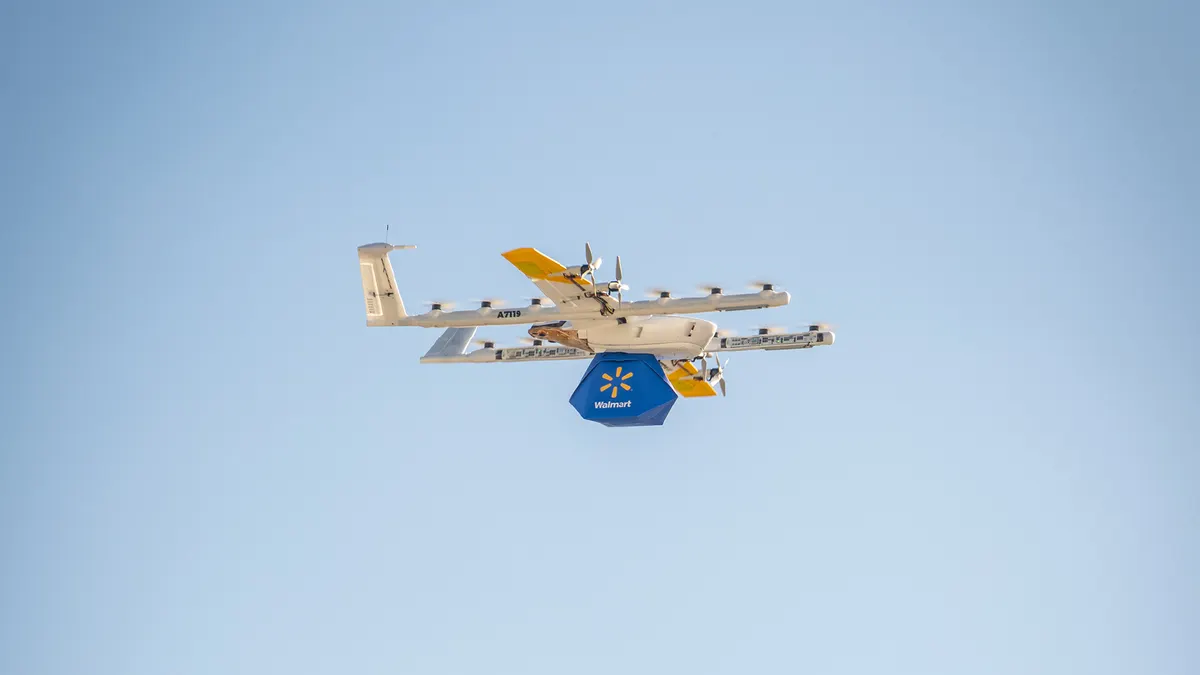
Walmart stores are effectively becoming decentralized fulfillment centers. By utilizing the airspace above their parking lots, retailers are essentially turning every store into a mini-distribution hub. This shift changes the physical requirements of a retail location, potentially increasing the value of real estate that has clear, unobstructed access to the sky.
2. Regulatory Hurdles and Public Perception
Despite the rapid rollout, the industry faces ongoing challenges. Air traffic management, privacy concerns, and noise complaints remain the "triad of trouble" for drone operators. As these drones become a common sight in the skies over major metropolitan areas, the public will likely demand more transparency regarding data collection and flight safety. The FAA continues to be the ultimate arbiter, and as the network grows, the regulatory framework will likely become more stringent regarding safety protocols.
3. The Competitive Landscape
Walmart’s aggressive move sets the bar for competitors like Amazon and Target. With Walmart leaning heavily into the Wing partnership, other retailers will be forced to accelerate their own autonomous delivery strategies or risk falling behind in the race for the "instant gratification" consumer. This creates a "drone arms race" that will likely lead to rapid innovation in battery life, payload capacity, and autonomous navigation.
4. Economic Disruption
There are valid questions regarding the impact on the labor market. While drones offer efficiency, they do not replace the human element of retail entirely; they do, however, change the nature of delivery jobs. As the industry matures, the focus will shift from driving delivery trucks to monitoring fleets of autonomous systems, necessitating a new set of skills for the retail workforce.

Conclusion
The expansion of Walmart and Wing’s drone delivery network is more than a news item; it is a bellwether for the future of commerce. As we move into 2027, the sight of a Walmart-branded package being lowered by a drone into a suburban backyard will likely shift from a novelty to a mundane reality. By scaling to over 270 locations, Walmart is betting that the future of the American grocery experience is not on the road, but in the air. Whether this bet pays off in the long term depends on public acceptance, regulatory harmony, and the continued reliability of the technology itself. For now, the horizon looks increasingly crowded—and for the impatient consumer, that is exactly the point.