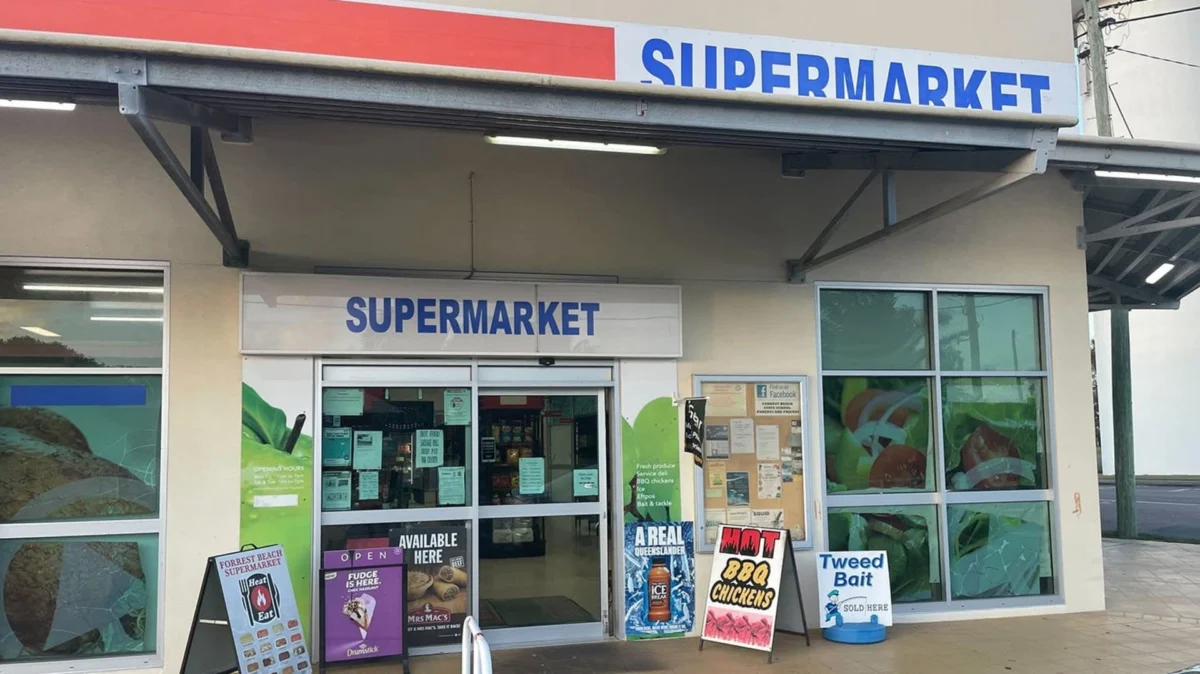
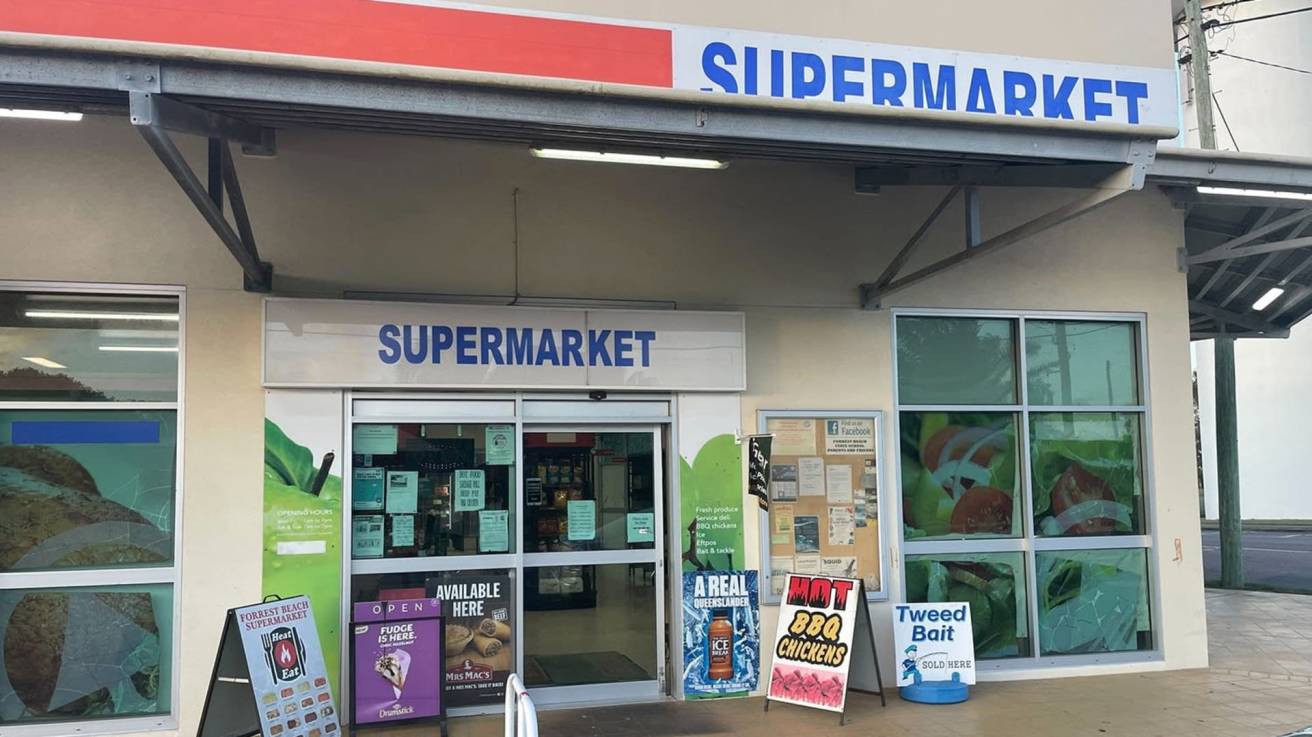
As the Australian retail landscape undergoes a seismic shift in how transactions are processed, a quiet but potent form of protest is emerging in the regional heartlands of Queensland. Forrest Beach Supermarket, a community staple, has become the face of a growing movement among small business owners who are finding the regulatory cost of "going cashless" increasingly untenable.
Following the federal government’s implementation of a ban on card surcharging, which officially took effect on October 1, merchants are navigating a precarious financial environment. While the policy was designed to provide relief to consumers, business owners like Joshua Williams, director of Forrest Beach Supermarket, are highlighting a critical oversight: while customers no longer pay the surcharge, the businesses themselves are still being hit with the underlying merchant service fees.
In a move that is as much a political statement as it is a financial strategy, Williams is actively encouraging his customers to return to physical currency, offering informal incentives for those who pay with cash.
Main Facts: The End of the Surcharge Era
The federal mandate that effectively outlawed the practice of passing card processing costs onto consumers represents one of the most significant changes to the Australian payment ecosystem in decades. For years, businesses—particularly small-to-medium enterprises (SMEs)—relied on these surcharges to offset the often-hefty fees charged by banks and payment processors for every tap-and-go transaction.
Under the new regulations, the "cost of doing business" has been fundamentally redefined. Proponents of the ban argue that it increases price transparency and prevents "hidden" costs at the point of sale. However, the legislation does not eliminate the fees themselves; it merely shifts the burden of payment entirely onto the merchant.
For businesses operating on razor-thin margins, such as local grocery stores, the accumulation of these transaction fees—often ranging from 0.5% to 2% per sale—can erode profit margins significantly. By incentivizing cash payments, Forrest Beach Supermarket is attempting to circumvent these digital tolls, ensuring that more revenue remains within the business rather than being diverted to financial institutions.
Chronology of the Regulatory Shift
The journey toward this legislative milestone was marked by years of debate regarding the "cost of convenience."
- Pre-2024: The Australian Competition and Consumer Commission (ACCC) and various government bodies engaged in ongoing reviews regarding the fairness of surcharging. While some surcharges were deemed "excessive," the industry argued they were necessary to cover the infrastructure costs of modern banking.
- Early 2026: Political pressure mounted to eliminate surcharges, with consumer advocacy groups labeling them an "unfair tax" on everyday spending.
- September 2026: Businesses across Australia began preparing for the transition, with many expressing deep concern about how to absorb the costs. Industry bodies, including those representing retail and hospitality, warned that the ban would lead to either price hikes on goods or, in some cases, the closure of businesses unable to absorb the merchant fees.
- October 1, 2026: The ban officially came into force. The transition was immediate, forcing merchants to adjust their point-of-sale systems overnight to ensure compliance.
- Post-October 2026: The "rebellion" phase began. As the reality of the profit loss set in, independent retailers began publicly pivoting back to cash-preferred models, with Forrest Beach Supermarket gaining national attention for its vocal stance on the matter.
Supporting Data: The Cost of Digital Transactions
To understand why a local supermarket would encourage the use of physical cash in an increasingly digital world, one must examine the economics of electronic payments.
In the Australian market, merchant service fees (MSFs) are a composite of interchange fees, scheme fees, and the profit margin of the payment acquirer. While large retailers can negotiate lower rates due to their high transaction volumes, small businesses are often trapped in high-fee tiers.
Consider a small grocery store processing $500,000 in card transactions annually. If the average fee is 1.5%, that business is losing $7,500 per year directly to transaction processing. In a sector where net profit margins are often between 2% and 4%, this fee can represent a significant portion of the owner’s take-home pay.
Furthermore, the "cost of cash" is often overstated in the digital age. While cash requires armored transport and manual counting, these costs are fixed. Conversely, card fees are variable and grow in direct proportion to the business’s revenue—meaning that as a business grows, its "tax" to the banking system grows with it. For regional businesses with limited access to low-cost banking competition, the burden is disproportionately high.
Official Responses and Political Friction
The government’s position remains firm: the surcharge ban is a consumer-first policy. Officials have emphasized that the digital economy is the standard, and businesses that fail to adapt to modern consumer preferences risk obsolescence.
However, the opposition and various small business advocacy groups have argued that the government has failed to provide a corresponding reduction in the fees banks are allowed to charge.
"The legislation is one-sided," says an industry analyst. "By removing the surcharge, the government has essentially mandated a subsidy for the payment processing industry at the expense of the small business sector. If the goal was to lower costs, the focus should have been on capping the interchange fees that banks charge, rather than simply moving the cost from the consumer to the merchant."
The ACCC has stated it will monitor compliance strictly, but there is a growing sentiment that the government may need to revisit the issue if a wave of small business closures or service reductions follows the implementation of the ban.
Implications: The Future of the "Cashless" Society
The actions taken by Forrest Beach Supermarket serve as a case study for a wider trend: the re-emergence of cash as a tool of economic sovereignty for small businesses.

1. The Survival of Independent Retail
If businesses cannot legally surcharge, they have two primary levers: raising prices on goods or finding ways to avoid the costs of digital transactions. The former can drive away customers who are already sensitive to inflation; the latter, through cash incentives, may keep local businesses alive.
2. The Divide Between Regional and Urban
This issue highlights a growing divide. Urban centers, with their high density of contactless payment users, are more easily absorbed into a cashless ecosystem. Regional areas, however, often face higher operational costs and fewer banking options, making the surcharge ban feel like a "city-centric" policy that ignores the realities of regional logistics.
3. The Revaluation of Cash
For decades, we have been told that cash is a dying technology. However, the current regulatory environment is forcing a rethink. If digital payments become too expensive for the merchant, cash becomes a "premium" payment method that helps a business maintain its viability. This could lead to a stable, if diminished, role for physical currency in the Australian economy for years to come.
4. Consumer Sentiment
Will consumers support the "cash-back" movement? Early evidence suggests that in smaller, close-knit communities, customers are willing to accommodate the store’s needs. If a local shop offers a small discount or an incentive for cash, it fosters a sense of shared responsibility. However, in larger urban markets, convenience remains king, and the "tap-and-go" habit is likely too ingrained to be easily broken.
Conclusion: A Delicate Balance
The situation involving Forrest Beach Supermarket is not merely about notes and coins; it is a manifestation of the friction between rapid technological adoption and the economic realities of small business.
As the dust settles on the surcharge ban, the Australian retail sector finds itself at a crossroads. Will the government step in to address the underlying merchant fees that are squeezing these businesses, or will the "cash-back" movement continue to spread as a grassroots defense mechanism?
For now, Joshua Williams and his peers are choosing to vote with their cash registers. They are signaling to policymakers that while the digital transition is inevitable, it cannot be forced at the expense of the very businesses that provide the essential goods and services our communities rely on. The survival of the local corner store may depend on its ability to convince the modern consumer that, sometimes, the old way of paying is the most sustainable way of all.
As we look toward 2027 and beyond, the debate over payment methods will likely evolve from a question of convenience to one of equity. The challenge for regulators will be to balance the consumer’s desire for a seamless, low-cost experience with the merchant’s right to operate a profitable business in a landscape where the cost of money itself is ever-increasing.