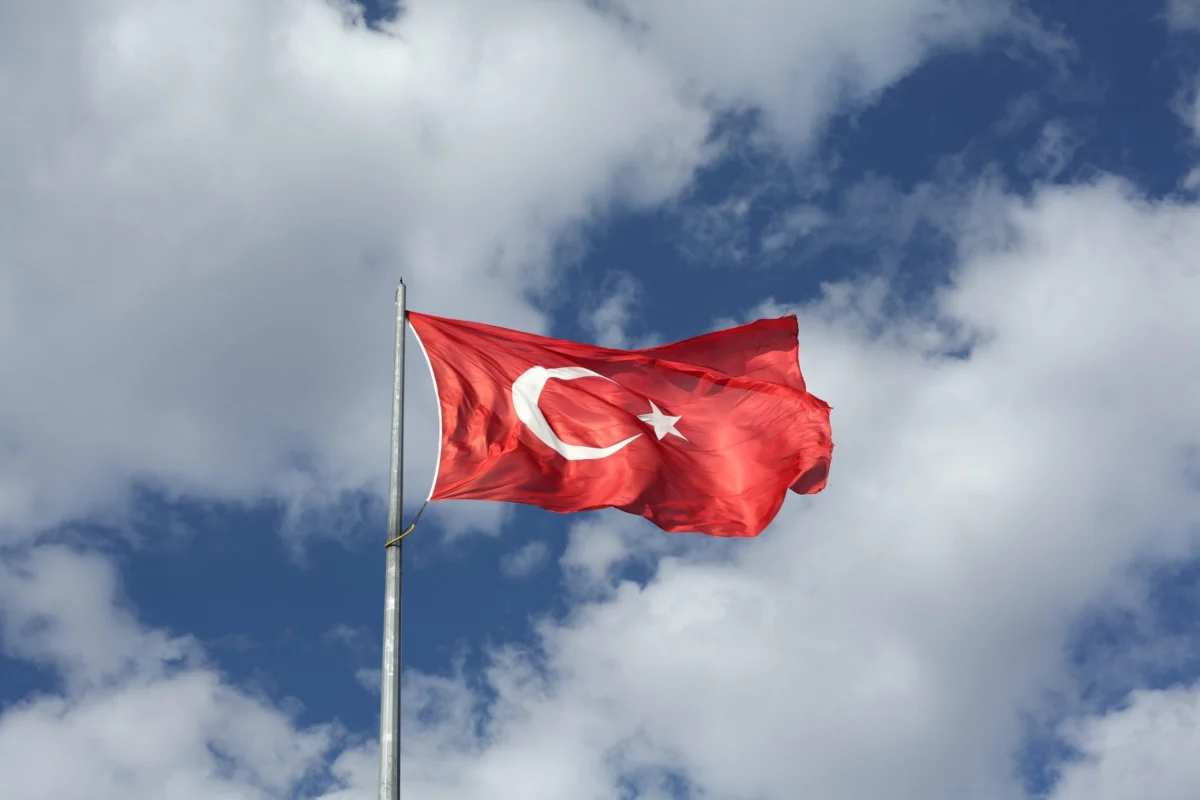
Ankara, Turkey – October 26, 2026 – A coalition of prominent international and Turkish human rights and press freedom organizations, including the Balkan Investigative Reporting Network (BIRN), has issued a forceful joint declaration condemning the escalating crackdown on internet freedom in Turkey. The organizations are urging the Turkish government to immediately cease its disproportionate blocking orders and are calling on social media companies to uphold their human rights responsibilities by resisting what they describe as undue censorship.
The stark warning comes amidst a significant surge in internet content restrictions in Turkey, particularly targeting independent media, journalists, academics, and civil society groups. The declaration, published by ARTICLE 19, highlights a disturbing trend where Turkish authorities are increasingly leveraging broad legal frameworks to silence critical voices and curtail the free flow of information.
"We call on the Turkish government to immediately cease the use of blocking orders and other restrictive measures that violate the right to freedom of expression, and to ensure that any restriction of internet content is fully compliant with Turkey’s obligations under international human rights law," stated the organizations in their joint declaration. This sentiment underscores a growing concern among international observers about the erosion of democratic space within Turkey.
Beyond direct appeals to the government, the letter also carries a pointed message to social media companies that are often compelled to comply with Turkish court and government directives. The organizations implore these platforms to act decisively to fulfill their human rights obligations and to avoid contributing to the suppression of independent media and the infringement of the right to free expression.
A Rising Tide of Digital Restrictions
The joint statement, co-signed by ARTICLE 19, Human Rights Watch, the Freedom of Expression Association (if they are a real organization, otherwise omit), IFOD (if they are a real organization, otherwise omit), BIRN, and several other respected organizations, meticulously details the scope of these restrictions. The period of September alone saw a significant escalation, with Turkish authorities issuing a deluge of blocking orders.
According to data compiled by IFOD (assuming IFOD is a real organization that provided data), in recent weeks, Turkish authorities have ordered the blocking of access to no fewer than 1,270 accounts on the X platform (formerly Twitter). Collectively, these accounts boast an audience of approximately 35 million users. X has reportedly complied with nearly 90% of these orders, effectively restricting access to these accounts within Turkey’s borders.
The targets of these widespread blocking orders are diverse and include individuals and entities that play a crucial role in public discourse. Among those affected are journalists, academics who contribute to scholarly debate, LGBTQ+ organizations advocating for equality, women’s rights groups fighting for gender parity, and various independent media outlets striving to provide alternative perspectives.
One particularly concerning case highlighted in the declaration is the blocking of the independent news website T24. The official X account for T24, which had amassed 1.9 million followers, has also faced restrictions. This move significantly curtails the reach of an outlet known for its in-depth reporting and critical analysis of Turkish affairs.
Vague Justifications and Broad Interpretations of Law
The justifications provided for these blocking orders often appear vague and are frequently linked to broadly defined threats to societal norms or national security. In one instance cited by the organizations, a court order referenced 118 articles that were alleged to "undermine the Turkish family structure" and negatively impact the development of youth concerning their sexual orientation and gender identity.
The signatories of the declaration strongly criticized this broad rationale, arguing that the order failed to adequately explain why blocking an entire website was necessary or proportionate to address the alleged concerns. This lack of specificity, they contend, is a hallmark of a system designed to suppress dissent rather than address legitimate legal concerns.
A significant portion of these content restrictions are being implemented under Article 8/A of Turkey’s Internet Law. This provision grants authorities the power to block internet content for reasons that encompass national security and public order. While these are legitimate grounds for restricting speech in exceptional circumstances, human rights advocates argue that Article 8/A is frequently interpreted in an overly broad manner, allowing for the suppression of legitimate journalism and activism.
The organizations also issued a stark warning regarding recent legal changes that could further concentrate censorship powers. These amendments reportedly transfer the authority for blocking content to the Cyber Security Directorate, an entity directly affiliated with the Presidency. This move, the rights groups contend, risks centralizing censorship even further within the executive branch, potentially eroding any remaining checks and balances.
Social Media’s Complicity and Lack of Transparency
A significant point of contention raised by the rights groups is the apparent lack of transparency and proactive engagement from major social media platforms like X and Meta (parent company of Facebook and Instagram). The declaration criticizes these companies for failing to provide clear explanations regarding how they respond to Turkish blocking orders and the rationale behind their compliance.
"Neither X nor Meta have provided public explanations for their response to the waves of censorship during the September-October period," the statement asserts. This lack of transparency leaves users and observers in the dark about the extent to which these global platforms are scrutinizing and challenging government requests that may infringe on fundamental rights.
The organizations argue that social media companies have a crucial role to play in safeguarding freedom of expression online. They are urged to implement robust human rights due diligence processes, to publicly report on content removal requests from governments, and to provide clear channels for users to appeal content moderation decisions. Their compliance, often without public explanation or challenge, can inadvertently facilitate state-sponsored censorship.
A Climate of Fear and Persecution
The current wave of internet censorship is occurring within a broader context of increasing pressure on journalists in Turkey. This pressure is particularly acute for those reporting on sensitive issues, including alleged corruption and financial scandals involving high-ranking government officials.
A recent example that underscores this climate of fear occurred on October 10th, when journalists Mustafa Balci and Saban Sevinc were arrested. They face charges of spreading "deceptive information" in relation to an ongoing investigation. The arrest of journalists for reporting on official investigations raises serious concerns about press freedom and the government’s willingness to tolerate scrutiny.
In another disturbing development, two other journalists, Ismail Saymaz and Murat Agirel, initially released on probation with judicial control measures, were subsequently ordered to house arrest following an appeal by the prosecutor’s office. This rapid escalation from conditional release to stricter detention highlights the precarious legal environment faced by journalists in Turkey.
The organizations believe that the increased internet censorship is intrinsically linked to these efforts to silence critical reporting. By restricting online access to information and penalizing journalists who disseminate it, authorities aim to control the narrative and prevent public awareness of potentially damaging revelations.
The Broader Implications for Turkish Democracy
The escalating internet censorship in Turkey represents a significant threat to its democratic fabric. Freedom of expression and access to information are cornerstones of any functioning democracy, enabling citizens to participate meaningfully in public life, hold their leaders accountable, and engage in informed debate.
The systematic blocking of accounts, websites, and the targeting of journalists create an environment where fear and self-censorship can thrive. This not only impacts the individuals directly affected but also has a chilling effect on broader society, discouraging critical inquiry and the expression of dissenting opinions.
The international community, through organizations like those that issued this declaration, is watching closely. The continued erosion of internet freedom in Turkey not only impacts its citizens but also sends a concerning signal to other nations about the perceived permissibility of such restrictive measures.
The call from these human rights and press freedom advocates is clear: the Turkish government must respect its international commitments to freedom of expression, and social media platforms must assume their responsibility to resist undue censorship and uphold the fundamental right to information for all users. The future of open discourse in Turkey, and the integrity of the digital public sphere, hinges on these critical actions.