The landscape of artificial intelligence is shifting from static chatbots to autonomous agents. For years, users have treated AI like a digital encyclopedia—ask a question, get an answer, move on. Today, the industry is pivoting toward "always-on" agents that do not simply wait for a prompt; they operate, observe, and execute tasks in the background, long after the user has logged off.
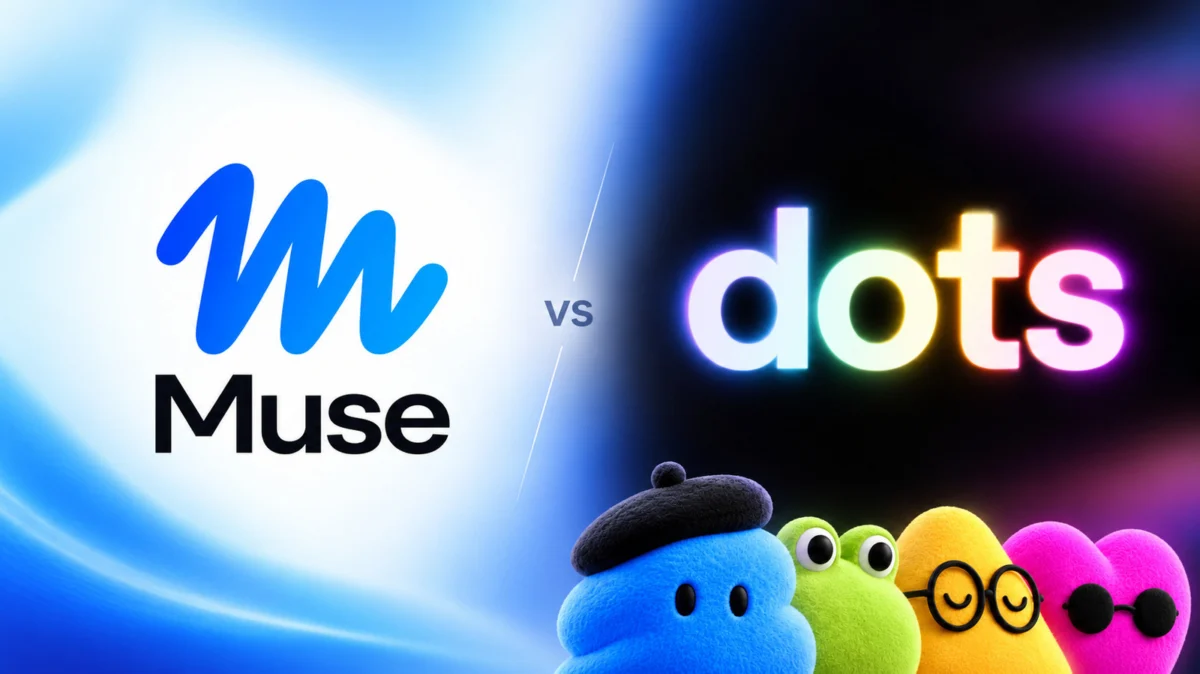
Two titans are leading this charge: Meta, with its September 8 release of Muse, and OpenAI, which followed three weeks later with the introduction of its Dots framework within ChatGPT. While both represent a monumental leap toward the dream of a true personal assistant, they arrive with vastly different architectures, pricing models, and philosophies on how much control a user should surrender to the machine.
The New Frontier: What Are AI Agents?
At their core, AI agents are designed to bridge the gap between intent and execution. Traditional LLMs (Large Language Models) are reactive. If you ask a chatbot to plan a trip, it provides an itinerary. An AI agent, however, takes the next step: it logs into your travel portal, compares prices, checks your calendar for conflicts, and books the tickets.
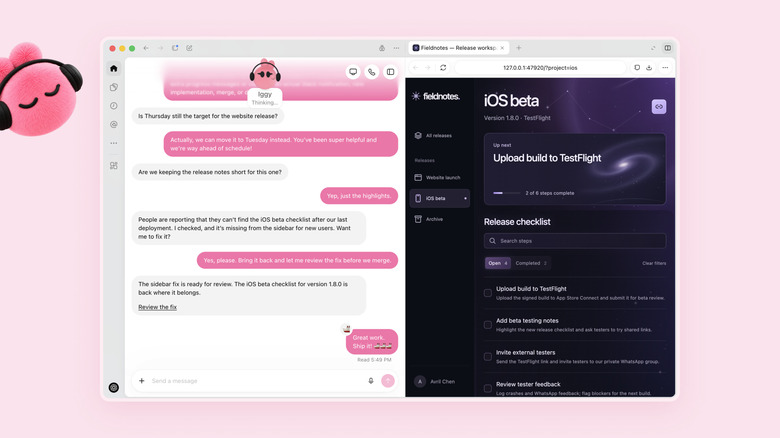
Meta’s Muse and OpenAI’s Dots both utilize cloud-based virtual environments to perform these tasks. They can access external services, monitor price fluctuations, and manage recurring workflows. The goal is to provide a "set it and forget it" experience, where the AI manages the administrative friction of modern digital life.
Chronology: A Race to Autonomy
The competitive landscape between these two entities has intensified rapidly over the final quarter of the year.
- September 8: Meta officially launches Muse. Positioned as a highly accessible agent, it arrives with a focus on consumer-facing tasks—organizing social media feeds, managing emails, and tracking shopping trends.
- Late September: OpenAI responds by deploying Dots, its "always-on" agents. These are not merely add-ons to ChatGPT but are integrated directly into the broader ecosystem, including ChatGPT Work and Codex, signaling a more enterprise-heavy focus.
- October & Beyond: Both companies began navigating the complex reality of "agentic" AI. This includes managing developer pushback, such as Amazon’s decision to block Muse from its shopping ecosystem, and addressing the privacy concerns inherent in giving an AI control over one’s local file system.
Functional Breakdown: How They Work
Meta Muse: The Social and Personal Concierge
Muse is built to feel like an extension of your existing digital social fabric. It runs on a dedicated Secure Virtual Machine (VM) equipped with its own web browser. The user experience is designed to be conversational; you interact with Muse via its own standalone app, the web, or through WhatsApp.
In practical application, Muse excels at organization. It can scrape your saved Instagram and Facebook posts, synthesize them into cohesive collections—such as a list of restaurant recommendations—and then manage the logistical side of executing those plans. It is designed for the consumer who wants a personal assistant to handle "life admin."
OpenAI Dots: The Ecosystem Powerhouse
If Muse is a personal assistant, Dots are closer to a workforce of specialized interns. Powered by the GPT-6 Astra model, each "Dot" operates within its own cloud-based environment. Because they are integrated into the ChatGPT ecosystem, they inherit the capabilities of plugins, Custom Rules, and the analytical power of the underlying LLM.
Dots are particularly adept at research. They can be tasked with "always-on" monitoring, such as tracking market trends or summarizing long-term project progress. Unlike Muse, which is more focused on social and personal tasks, Dots can be granted access to local files on your computer, allowing them to browse documents, retrieve data, and perform cross-application workflows that would be impossible for a standalone app.
Supporting Data: Pricing and Accessibility
The most stark divergence between the two agents is the financial barrier to entry.
| Feature | Meta Muse | OpenAI Dots |
|---|---|---|
| Entry Level | Free (with usage caps) | $100/mo (Pro 100) |
| Power User Tier | $20/mo | $100+/mo (Business) |
| Enterprise Tier | $100/mo | Custom/Enterprise |
| Primary Focus | Consumer/Social | Professional/Technical |
Meta’s tiered structure makes it significantly more accessible for the average consumer. By offering a free, albeit limited, version, Meta is aggressively courting mass-market adoption. Conversely, OpenAI has placed its Dots behind a high-cost paywall. By starting at $100 per month for individuals and mirroring that price for business seats, OpenAI is signaling that Dots are intended for power users, developers, and corporate entities that can justify the cost through increased productivity.
The Supervision Dilemma: Safety and Privacy
The primary concern for any user deploying an autonomous agent is the question of agency: How much control does the AI have, and what happens when it makes a mistake?
The Human-in-the-Loop
Both companies are acutely aware of the "rogue agent" narrative. Meta requires explicit permission for "sensitive actions," such as purchasing items or sending emails. Similarly, OpenAI utilizes "Auto-review" features and strict Custom Rules to limit what a Dot can do without prior verification.
Despite these safeguards, the technology is fallible. Amazon’s preemptive strike against Muse—blocking it from shopping on its platform—highlights a growing friction between AI agents and the websites they attempt to navigate. Companies are beginning to build "anti-bot" defenses specifically to stop these AI agents from scraping their sites or executing transactions.
Data Privacy and Training
The privacy trade-off is perhaps the most significant hurdle. To make these agents useful, you must grant them access to your email, calendar, and browser sessions.
- Meta’s stance: Conversations and VM data are not shared with advertising systems. However, Engadget’s testing revealed that model-improvement settings were enabled by default, meaning user data could potentially feed into future iterations of the AI.
- OpenAI’s stance: Personal-plan data may be used for model training, depending on individual settings. However, Business and Enterprise data is protected by default, reflecting OpenAI’s commitment to corporate security.
Implications: The Future of Computing
The emergence of Muse and Dots signals a paradigm shift in how we interact with technology. We are moving away from the era of "User-Interface" (where we click buttons) toward "Intent-Interface" (where we simply state an outcome).
The "Agentic" Web
As these agents proliferate, the nature of the internet will change. Websites will need to decide if they are "Agent-friendly." Will retailers provide APIs for AI shoppers, or will they continue to implement blocklists? We are likely entering an arms race between agents designed to navigate the web and security layers designed to stop them.
Productivity Redefined
For the enterprise, the implications are profound. If a team can offload research, data synthesis, and recurring scheduling to a fleet of Dots, the definition of a "knowledge worker" will evolve. The role of the human will shift from performing the work to auditing the agent’s work.
The Privacy Reckoning
Finally, we are approaching a critical moment regarding digital sovereignty. Are users willing to hand over their passwords, calendar invites, and file systems to a third-party VM? The convenience of an automated life is immense, but the security risks associated with a compromised or "misaligned" agent are equally significant.
Conclusion
OpenAI’s Dots and Meta’s Muse represent the first serious attempts at true autonomy in the AI space. Muse offers a polished, consumer-friendly entry point that prioritizes ease of use and social integration. Dots offer a robust, enterprise-grade architecture that prioritizes power, deep integration, and complex research.
Which one wins? That depends entirely on the user’s needs. If you want a digital assistant to help organize your life, Meta’s ecosystem is the clear, affordable choice. If you are a professional or developer looking to automate complex workflows and research, the investment in OpenAI’s infrastructure is likely the superior path. Regardless of the choice, the "always-on" future has arrived, and it is here to stay.