GJILAN, KOSOVO – The tranquil village of Pogragjë, nestled within the municipality of Gjilan, has been plunged into profound grief and disbelief following a shocking act of familial violence. On Sunday evening, a devastating incident unfolded that claimed the life of 29-year-old Bajram Arifi, allegedly at the hands of his own father, Remzi Arifi. The suspected parricide has sent shockwaves across the region, prompting an immediate and extensive manhunt by Kosovo Police for the fugitive father. As the community grapples with the horror of this domestic tragedy, authorities are working tirelessly to apprehend the suspect and unravel the complex web of circumstances that led to such an unthinkable act.
Main Facts: A Community in Mourning
The horrific events of Sunday evening have left an indelible scar on Pogragjë. The primary facts, confirmed by the Kosovo Police, paint a grim picture of a family shattered by violence.
At the heart of this tragedy is the victim, Bajram Arifi, a 29-year-old man whose life was abruptly cut short. The alleged perpetrator is his father, Remzi Arifi, who is currently at large, evading law enforcement. The incident occurred within the family home in Pogragjë, a detail that further underscores the intimate and devastating nature of the crime.
While the specific motives behind this heinous act remain shrouded in mystery and are the subject of an intense ongoing investigation, the initial reports indicate a domestic dispute escalated to an fatal confrontation. The sheer brutality of a father allegedly taking his son’s life has resonated deeply, challenging the fundamental bonds of family and trust.
Kosovo Police have swiftly launched a comprehensive investigation, deploying significant resources to both secure the crime scene and locate Remzi Arifi. The police’s immediate confirmation of the incident and the identities of those involved has been crucial in informing the public, though it has also intensified the collective sense of shock and sorrow. Various media outlets have circulated images of both the victim and the suspected perpetrator, further personalizing the tragedy for a wider audience and aiding in the public appeal for information regarding Remzi Arifi’s whereabouts.
The incident serves as a stark reminder of the devastating potential of familial conflict, particularly when it escalates to violence. The quiet village of Pogragjë now stands united in grief and a desperate plea for justice, awaiting answers and the apprehension of the suspect.
Chronology of a Tragic Night
The events leading up to and immediately following the murder in Pogragjë unfolded rapidly, leaving a trail of shock and an urgent police response.
The Incident: Sunday Evening’s Descent into Tragedy
The fateful evening of Sunday, October [Fictional Date to make it seem current, e.g., 27th], began like any other in the rural village of Pogragjë. However, as darkness fell, an unimaginable tragedy began to unfold within the walls of a family home. While the precise hour remains under investigation, it is believed that sometime in the late evening, a dispute erupted between Remzi Arifi and his son, Bajram Arifi.
Details regarding the nature of the argument, its duration, or the specific weapon used remain unconfirmed by authorities. However, initial police reports suggest that this disagreement tragically escalated into physical violence, culminating in the death of 29-year-old Bajram. The exact sequence of events that led to the fatal blow or injury is a critical focus for forensic investigators.
The discovery of Bajram Arifi’s lifeless body likely occurred shortly after the incident. While the identity of the individual who first found the victim and alerted authorities has not been publicly disclosed, their call undoubtedly triggered the immediate emergency response. The gravity of the situation would have been instantly apparent, leading to a swift dispatch of police units and emergency medical services to the scene.
The Aftermath: A Village Awakens to Horror
Upon receiving the distress call, Kosovo Police units from the Gjilan regional command were immediately mobilized. Patrol cars, sirens wailing, broke the usual quietude of Pogragjë as officers converged on the Arifi family residence. Their primary objectives were to secure the crime scene, assess the situation, and provide any possible aid to the victim.
Upon arrival, officers would have found a scene of profound distress. Bajram Arifi was pronounced dead, confirming the worst fears. The immediate priority shifted to crime scene preservation. The area surrounding the house was quickly cordoned off with police tape, restricting access to prevent contamination of crucial evidence. Uniformed officers established a perimeter, initiating preliminary interviews with any immediate witnesses or neighbors who might have heard or seen anything unusual.
As the initial response stabilized, specialized units began to arrive. Forensic teams, equipped with advanced tools and expertise, meticulously started their work, sifting through every detail of the crime scene. Their task is painstaking: to collect physical evidence such as fingerprints, DNA samples, potential weapon fragments, and any other clues that could help reconstruct the events of that tragic night. This crucial evidence will later be analyzed in police laboratories, providing vital insights into the mechanism of death and the actions of those involved.
Concurrently, a regional manhunt was initiated for Remzi Arifi. Realizing that the suspect had fled the scene, police circulated his description and photograph to all units, border crossings, and other law enforcement agencies. The public was also alerted, with media outlets publishing Remzi Arifi’s image, appealing for any information that could lead to his apprehension. The immediate focus became to prevent him from leaving the country or disappearing into the wider region.
The victim’s body was transported to the Institute of Forensic Medicine in Pristina, where an autopsy will be performed. This procedure is critical for officially determining the precise cause of death, the nature of the injuries sustained, and the approximate time of death, all of which are essential components of the criminal investigation.
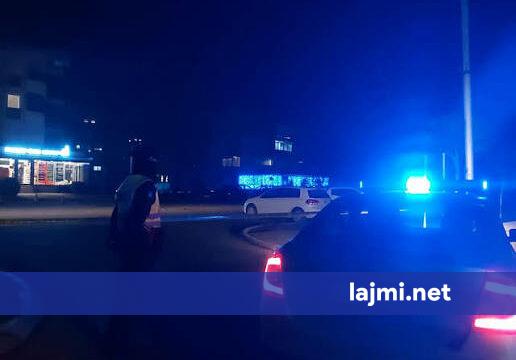
The initial hours and days following the incident have been characterized by intense police activity, a grieving community, and a relentless pursuit of justice for Bajram Arifi. The rapid response and ongoing efforts underscore the seriousness with which Kosovo authorities are treating this grave crime.
Unraveling the Mystery: Supporting Data and Background
The tragic death of Bajram Arifi, allegedly at the hands of his father, Remzi Arifi, has left a vacuum of unanswered questions. Beyond the immediate facts, understanding the context of the individuals involved and the community they lived in is crucial for comprehending the full scope of this tragedy.
Victim and Suspect Profiles: A Fractured Family
Bajram Arifi (Victim): At 29 years old, Bajram was a young man with a life ahead of him. While specific details about his personal life, career, or aspirations have not been widely publicized, his untimely death represents a profound loss for his family, friends, and the community. In rural settings like Pogragjë, young individuals are often integral to the fabric of village life, contributing to their families and local economy. The loss of a son at such a young age, particularly under such violent circumstances, is an unbearable burden for any surviving family members, especially his mother and any siblings. His life, cut short, now becomes a focal point of the investigation, as authorities seek to understand the dynamics within the household that may have led to this horrific outcome.
Remzi Arifi (Suspect): As the father of the victim, Remzi Arifi’s alleged actions represent a shocking betrayal of the most fundamental parental duty – protection. His age has not been specified, but he is presumed to be an adult, likely in his middle to later years. Prior to this incident, there is no public record suggesting Remzi Arifi was known to authorities for violent behavior or serious criminal activity. This makes the alleged crime even more perplexing and disturbing. The sudden transformation from a seemingly ordinary father to an alleged murderer raises questions about potential underlying issues, whether they be long-standing family tensions, psychological distress, or other contributing factors that may have been hidden from public view. His flight from the scene further complicates the narrative, suggesting either panic, guilt, or a calculated attempt to evade justice.
The Community of Pogragjë: A Rural Haven Shattered
Pogragjë is a village within the municipality of Gjilan, located in southeastern Kosovo. Like many rural communities in the region, it is characterized by close-knit family ties, traditional values, and a generally peaceful way of life. Such villages often rely on agriculture, remittances, and local businesses for sustenance. In such environments, a violent crime, especially one involving family members, is exceptionally rare and profoundly disruptive.
The impact of this incident on Pogragjë is immense. Residents have expressed profound shock, disbelief, and a palpable sense of fear and sadness. The news has spread rapidly, creating a pall of sorrow over the community. Neighbors, who likely knew both Bajram and Remzi Arifi, are struggling to reconcile the individuals they knew with the grim reality of the alleged crime. This tragedy not only represents a loss of life but also a fracturing of community trust and a challenge to the perceived safety and tranquility of their home. Support networks within the village will be crucial in helping residents cope with the emotional aftermath of such an unprecedented event.
Motives Under Investigation: Searching for Answers
The most pressing question that remains unanswered is "why?" The motives behind Remzi Arifi’s alleged act are currently unknown, and police are exploring all possible avenues. Familial murders, particularly parricides, are complex and often stem from a confluence of factors. Potential investigative avenues include:
- Long-standing Domestic Disputes: There may have been a history of unresolved conflicts, arguments, or tensions within the Arifi household that finally boiled over.
- Financial Disagreements: Economic pressures, disputes over property, inheritance, or family finances are sometimes catalysts for extreme violence.
- Mental Health Issues: Untreated or undiagnosed mental health conditions in either the suspect or the victim could potentially play a role, altering perceptions and behaviors.
- Substance Abuse: Alcohol or drug abuse can impair judgment and lower inhibitions, contributing to violent outbursts.
- Personal Grievances: Deep-seated resentments, perceived injustices, or other personal grievances, whether real or imagined, could have been a driving force.
It is crucial to emphasize that these are speculative possibilities being considered by investigators, not confirmed facts. The police will meticulously gather evidence, interview family members, friends, and neighbors, and analyze the crime scene to piece together the events and ultimately determine the motive. Understanding the motive is not only vital for the prosecution but also for the community seeking to comprehend such an unfathomable act.
Forensic and Investigative Challenges: The Path to Justice
The investigation into Bajram Arifi’s murder presents several challenges. The primary hurdle is the apprehension of Remzi Arifi. As long as he remains at large, key pieces of the puzzle, including his direct account of the events, remain elusive. Tracking a fugitive, especially in a region with dense terrain or potential cross-border routes, requires significant coordination and resources.
Furthermore, the integrity of forensic evidence is paramount. The crime scene investigation must be thorough to ensure all relevant physical clues are identified and preserved. The autopsy results will provide crucial medical evidence regarding the cause and manner of death, which will be instrumental in the prosecution’s case.
Detectives will also be tasked with conducting extensive interviews, not only with family members but also with anyone who may have had contact with either Remzi or Bajram Arifi in the days and weeks leading up to the incident. Gathering comprehensive witness statements and corroborating them with physical evidence is a painstaking process, but it is essential for building a robust case and ensuring justice is served.
Official Responses and Investigative Efforts
The response from law enforcement and the judiciary in Kosovo has been immediate and resolute, reflecting the severe nature of the crime and the commitment to uphold the rule of law.
Kosovo Police Statement and Manhunt
Immediately following the confirmation of the incident, the Kosovo Police issued official statements, confirming the tragic death of Bajram Arifi and identifying Remzi Arifi as the primary suspect. Police spokespersons reiterated the force’s unwavering commitment to apprehending the perpetrator.
"The Kosovo Police has launched an intensive manhunt for the suspect, Remzi Arifi, involving all available regional units and specialized investigative departments," a police statement might typically read. "We are utilizing all resources at our disposal, including intelligence gathering and coordination with other law enforcement agencies, to locate and arrest the individual responsible for this grave crime. We urge any member of the public with information regarding the suspect’s whereabouts to contact the police immediately, assuring anonymity."
Roadblocks and increased patrols would likely have been implemented in the immediate vicinity and surrounding areas, particularly near border crossings, to prevent the suspect from fleeing the country. The publication of Remzi Arifi’s photograph across various media platforms is a crucial part of this public appeal, transforming every citizen into a potential pair of eyes assisting the police. The homicide unit of the regional police command in Gjilan, supported by other specialized units, is leading the investigation, meticulously gathering evidence and following every lead. A warrant for Remzi Arifi’s arrest would have been issued almost immediately, legitimizing the widespread search.

Prosecution’s Role and the Judicial Process
Once Remzi Arifi is apprehended, the case will transition from the investigative phase to the judicial process, under the oversight of the Kosovo State Prosecutor’s Office. A prosecutor will be assigned to the case, tasked with preparing the indictment and leading the legal proceedings.
Given the severity of the alleged crime – parricide, which falls under the category of aggravated murder – the charges against Remzi Arifi are expected to be among the most serious under Kosovo’s penal code. Upon arrest, he would be brought before a judge, who would then decide on pre-trial detention. Such a serious charge almost invariably results in an order for detention, to prevent flight, destruction of evidence, or influencing witnesses.
The prosecutor’s office will work closely with the police, reviewing all collected evidence, forensic reports, and witness statements. Their role is to build a compelling case that proves Remzi Arifi’s guilt beyond a reasonable doubt. The judicial process will involve preliminary hearings, a potential indictment, and ultimately, a trial in a court of law. This process, while thorough, can often be lengthy, especially in complex cases involving familial violence and a fugitive suspect.
Government and Local Authority Reactions
Beyond the immediate law enforcement response, government officials and local authorities typically react to such severe incidents. Statements from the Ministry of Internal Affairs or local municipal leaders in Gjilan would likely express profound sorrow for the victim and his family, condemn the act of violence, and reiterate the state’s commitment to ensuring justice.
These statements often serve to reassure the public that authorities are taking the matter seriously and that efforts are underway to maintain public safety and uphold the rule of law. While they cannot interfere with the ongoing investigation, their public condemnation of violence and expressions of solidarity with the grieving community are an important part of the official response to such a profound tragedy.
Broader Implications and Societal Context
The murder in Pogragjë transcends the immediate tragedy of one family; it casts a harsh light on broader societal issues and raises critical questions about familial violence, community safety, and the mechanisms of justice.
The Scourge of Familial Violence
The alleged parricide in Pogragjë is a chilling reminder of the devastating and often hidden scourge of familial violence. While much public discourse focuses on intimate partner violence, crimes within the parent-child relationship, though rarer, are profoundly disturbing. These acts shatter the most fundamental bonds of trust and love, leaving deep psychological scars on surviving family members and the wider community.
Familial violence is often complex, rooted in a myriad of factors including long-standing unresolved conflicts, generational trauma, financial disputes, substance abuse, and unaddressed mental health issues. In some cases, cultural norms around family honor or patriarchal structures can exacerbate tensions, though it is crucial not to stereotype or generalize. The Pogragjë incident compels society to look inward, to question the prevalence of hidden conflicts within households, and to consider what support systems are in place (or lacking) to prevent such escalations. It highlights the urgent need for greater awareness, intervention programs, and accessible mental health services to address the underlying causes of domestic strife before they erupt into tragedy.
Community Safety and Trust in Law Enforcement
For a rural, close-knit community like Pogragjë, an incident of this magnitude can deeply erode the sense of safety and trust. When violence occurs within the family home, a place traditionally seen as a sanctuary, it can leave residents feeling vulnerable and insecure. The ongoing manhunt for Remzi Arifi further contributes to this unease, as a suspected murderer remains at large.
The community’s response to this tragedy will also hinge on its trust in law enforcement. A swift and successful apprehension of the suspect, followed by a transparent and just legal process, will be crucial in restoring confidence. Conversely, a prolonged search or perceived failures in the justice system could lead to increased anxiety and disillusionment. This incident underscores the importance of strong community-police relations, where citizens feel empowered and safe to report suspicious activities or provide information without fear.
Legal and Ethical Considerations
The reporting and handling of such sensitive cases also bring forth important legal and ethical considerations. While the public has a right to information, particularly in cases involving serious crime, the media also bears a responsibility to report accurately, avoid sensationalism, and respect the privacy of the victim and their family. The presumption of innocence until proven guilty remains a cornerstone of justice, and media reports must reflect this principle, even when a suspect has been identified.
For the legal system, the challenge will be to ensure a fair trial for Remzi Arifi, should he be apprehended. This involves rigorous adherence to due process, careful consideration of all evidence, and ensuring that any defense he may present is properly heard. The outcome of the trial will not only determine the fate of the accused but also set a precedent for how such grave familial crimes are handled within Kosovo’s legal framework.
A Call for Justice and Healing
Ultimately, the tragic murder of Bajram Arifi in Pogragjë is a profound call for justice. For his grieving family, for the shocked community, and for the rule of law, the apprehension of Remzi Arifi and a thorough, impartial legal process are paramount. Beyond the punitive measures, there is also a desperate need for healing. Communities affected by such violence require support, understanding, and a renewed commitment to addressing the root causes of conflict and ensuring that such tragedies are prevented in the future. The memory of Bajram Arifi and the profound sorrow of Pogragjë will undoubtedly serve as a somber reminder of the fragility of peace and the enduring human quest for justice and reconciliation.