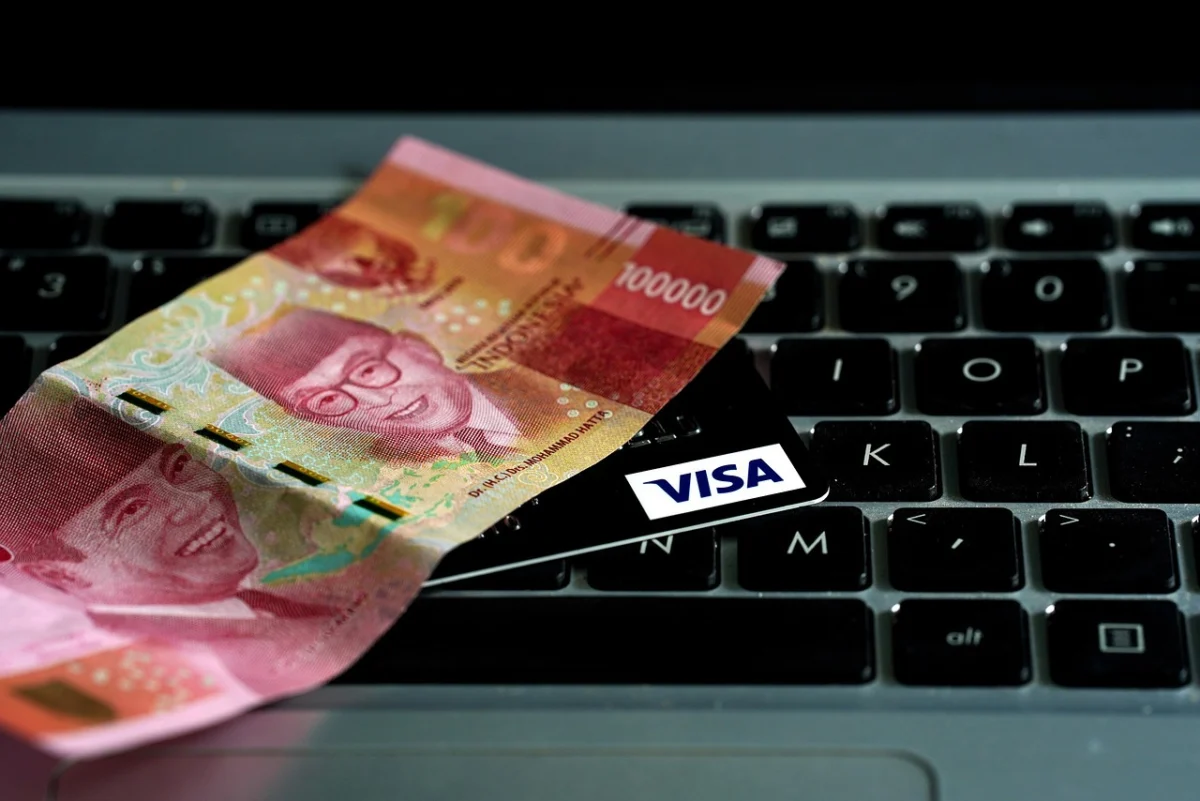
In a landmark development for the global financial services industry, Visa (NYSE: V) has officially received approval from the People’s Bank of China (PBOC) to begin preparations for establishing a domestic bankcard clearing institution. This regulatory milestone signals a pivotal shift in the competitive landscape of the world’s most dynamic digital payments ecosystem, marking the beginning of a new chapter for the American financial giant within the Chinese mainland.
The Core Development: Breaking Barriers in a Massive Market
The approval, formally termed an "Application to Prepare," grants Visa the regulatory clearance necessary to initiate the rigorous technical and operational requirements mandated by the Chinese government. While Visa has maintained a presence in China for over four decades, its operations have historically been limited to cross-border transactions. This new authorization serves as a gateway to the highly lucrative and technologically advanced domestic retail payments sector.
For decades, China’s domestic bankcard market was effectively monopolized by UnionPay. However, as part of its broader financial sector liberalization initiatives, Beijing has gradually opened its doors to international players. Visa’s successful application is a testament to the company’s persistence in navigating the complex regulatory environment of China and reflects a broader warming of economic cooperation between the United States and China.
A Chronology of Engagement: Four Decades of Evolution
Visa’s journey into the Chinese market is not a recent endeavor; it is the culmination of 40 years of strategic positioning.
- The 1980s – Early Footprint: Visa established its initial presence in China during the early years of the country’s "Reform and Opening-up" policy. At this stage, the focus was primarily on facilitating international travel and tourism for foreigners visiting China.
- The 2000s – Expanding Global Connectivity: As China’s economy exploded, Visa played a critical role in connecting Chinese consumers to the global financial grid, enabling international e-commerce and cross-border travel.
- 2017 – Formal Application: In a move to comply with new regulations requiring foreign card networks to set up local entities to process domestic payments, Visa submitted its formal application to the PBOC.
- 2020–2024 – The Regulatory Slog: Like its competitors, Visa faced an arduous period of technical audits, data security reviews, and ongoing negotiations with the PBOC regarding operational compliance.
- 2026 – The Breakthrough: With the receipt of the "Application to Prepare," Visa enters the final pre-operational phase. The company must now demonstrate that its infrastructure—ranging from processing centers to cybersecurity protocols—meets China’s strict domestic standards before receiving a final operating license.
Supporting Data: Why China Matters
To understand the weight of this announcement, one must look at the sheer scale of China’s digital payments industry.
- Digital Dominance: China is widely recognized as the world leader in digital payments. According to data from the PBOC, the volume of electronic payments in China has consistently reached record highs, with mobile payment penetration exceeding 85% among urban consumers.
- Market Size: The total value of transactions processed in China’s retail payments sector is measured in the trillions of dollars annually. While domestic giants like Alipay and WeChat Pay dominate the wallet space, the "clearing" layer—the underlying infrastructure that settles transactions between banks—remains a highly strategic asset.
- The Middle-Class Catalyst: China’s growing middle class is increasingly demanding globalized financial services. As Chinese consumers travel more and engage in global digital commerce, the need for a seamless, universally recognized payment network like Visa has never been higher.
- Financial Inclusion: Government initiatives have prioritized financial inclusion, aiming to bring millions of unbanked or underbanked citizens into the formal financial system. Visa’s global expertise in credit scoring and fraud prevention is viewed by Beijing as a complementary asset to domestic efforts.
Official Perspectives and Strategic Vision
The leadership at Visa has been quick to frame this development as a win for both the company and the broader goal of stable international economic relations.
Ryan McInerney, Chief Executive Officer of Visa, emphasized the significance of the move during his recent statement: "The approval of our Application to Prepare marks a significant step forward in Visa’s long-standing commitment to China. We greatly appreciate the important role of the leaders of the United States and China in pursuing a constructive and strategically stable relationship between the world’s largest economies."
Industry analysts note that McInerney’s emphasis on "constructive relationships" is a calculated diplomatic nod. Operating in China requires navigating geopolitical sensitivities, and Visa has positioned itself as a partner in China’s economic modernization rather than a disruptor. By aligning its goals with the PBOC’s requirements for financial security and consumer protection, Visa has successfully differentiated itself from firms that faced more friction with Chinese regulators.

The Implications: What Comes Next?
The transition from a "preparatory" status to full operational capacity will not happen overnight. The implications of this development are multifaceted:
1. Competitive Pressure on Domestic Networks
For years, UnionPay has held a near-total lock on domestic card clearing. While Visa’s entry will likely start as a niche service focused on premium cards and international business travel, it creates long-term competitive pressure. The introduction of foreign technology and global best practices often forces incumbent institutions to innovate, which may lead to improved services for the average Chinese cardholder.
2. Heightened Cybersecurity and Data Sovereignty
The PBOC’s primary concern in allowing foreign entrants is data sovereignty. Visa has had to assure regulators that transaction data generated within China will be processed and stored in accordance with the Cybersecurity Law of the People’s Republic of China. This infrastructure investment represents a massive capital expenditure for Visa, but one that is necessary to ensure compliance with the "Great Firewall" of digital finance.
3. A Template for US-China Economic Cooperation
This development serves as a case study for how US-based financial firms can successfully enter the Chinese market. It demonstrates that despite the "decoupling" narrative prevalent in other sectors like semiconductors or advanced AI, the financial services sector remains an area where both nations see mutual benefit. By allowing Visa to participate in the domestic clearing market, Beijing is signaling a continued commitment to an open, albeit highly regulated, financial sector.
4. Expansion of Consumer Choice
For the Chinese consumer, the arrival of domestic Visa-branded cards could lead to greater utility in international travel. Currently, many Chinese cardholders carry dual-branded cards or rely on domestic networks that are not always accepted in smaller merchants abroad. A domestically issued Visa card would, in theory, offer the same global acceptance that Visa cardholders enjoy in London, New York, or Paris.
Conclusion: A Long Road Ahead
While the approval of the Application to Prepare is a triumph, it is by no means the finish line. Visa must now execute a complex rollout of its infrastructure, pass final security and reliability audits, and build partnerships with local Chinese banks that will issue the cards.
The process will be gradual. Visa is expected to roll out its services in phases, likely starting with high-end corporate accounts and international travelers before expanding to the broader consumer retail market.
Nevertheless, the significance of this news cannot be overstated. By successfully entering the world’s most sophisticated digital payments market, Visa has secured a vital position for its future growth. It is a testament to the power of persistent, diplomatic, and technically rigorous corporate strategy in an era of complex global relations. As the company moves toward full operation, the eyes of the global fintech community will be firmly fixed on Beijing, watching how the world’s largest payment network adapts to one of the world’s most unique financial ecosystems.