By Editorial Staff
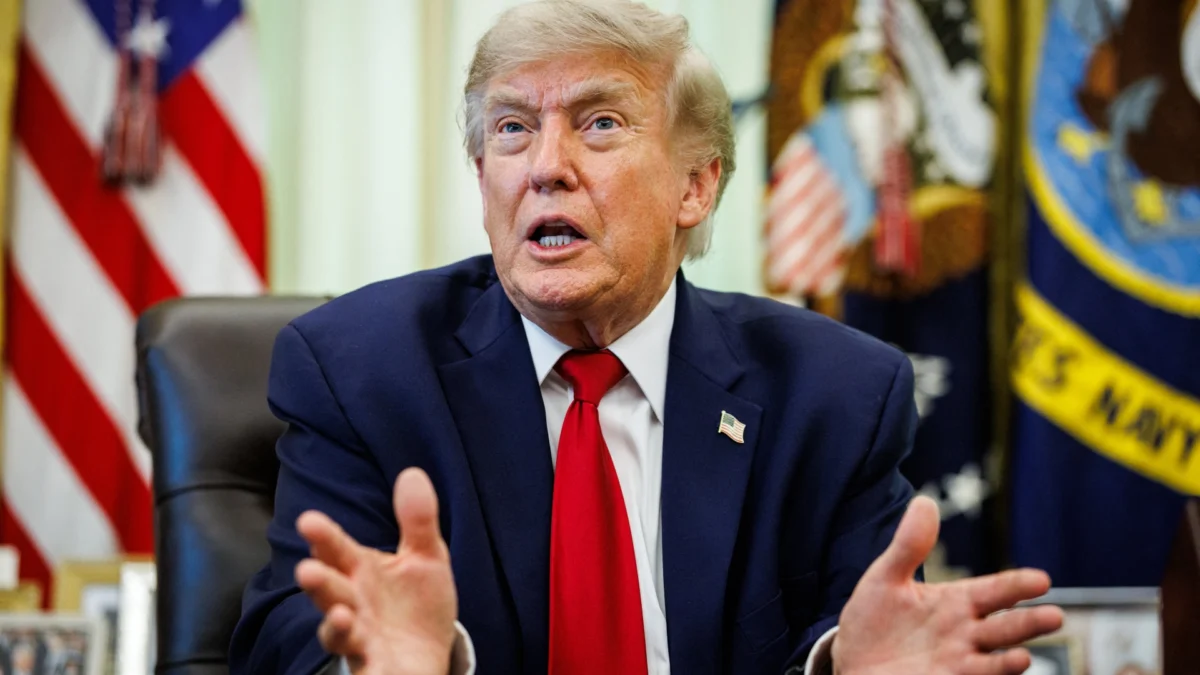
In a move that has sent shockwaves through the Australian business community and the halls of Canberra, the White House has officially announced a new 12.5% tariff on a wide array of Australian goods. The decision, formalized through a presidential memorandum issued late Tuesday, targets 60 global economies. The United States government, under the administration of President Donald Trump, justifies the aggressive fiscal policy by alleging that these nations have failed to adequately enforce prohibitions against forced labour in their domestic supply chains.
The Australian government has categorically rejected these assertions, describing the claims as factually baseless and inconsistent with the long-standing, robust trade relationship between the two nations. As the United States remains Australia’s second-largest two-way trading partner, the sudden imposition of these tariffs threatens to disrupt supply chains, inflate costs for consumers, and create a significant barrier for Australian small-to-medium enterprises (SMEs) looking to penetrate the U.S. market.
The Core Conflict: Forced Labour Allegations
At the heart of this geopolitical and economic confrontation is the White House’s insistence that Australia’s current regulatory framework is insufficient to prevent the entry of goods produced through forced labour into the global market.
The U.S. presidential memorandum asserts that the 60 affected nations have shown a "persistent failure" to align their import prohibitions with international human rights standards. While the White House has not yet released a granular list of specific commodities that will be subjected to the additional 12.5% surcharge, initial reports suggest that the scope is broad, potentially affecting manufacturing, agricultural inputs, and specialized components.
For Australian officials, the accusation is particularly stinging. Australia has long prided itself on its Modern Slavery Act, which mandates that large entities report on the risks of modern slavery in their operations and supply chains. To be grouped with nations that have arguably weaker human rights records has prompted a sharp diplomatic rebuttal from Canberra.
A Chronology of Escalating Tensions
The announcement of these tariffs did not occur in a vacuum. The path to this trade friction can be traced back through several months of increasing protectionist rhetoric from Washington:
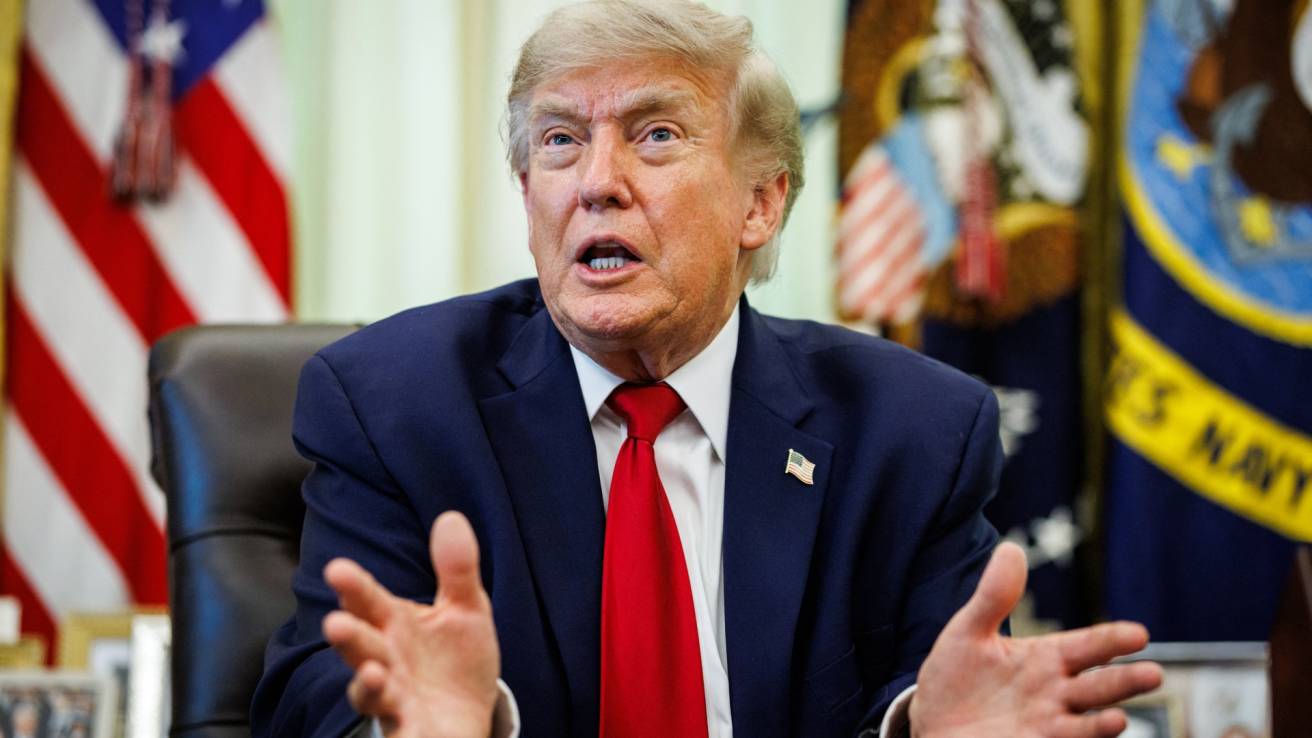
- Early 2026: The Trump administration begins a comprehensive audit of global supply chains, signaling a shift toward "America First" trade policies.
- April 2026: The U.S. Department of Commerce releases a preliminary report questioning the efficacy of oversight mechanisms in several partner nations, including Australia.
- May 2026: Informal warnings are issued to various trade departments. Australian trade officials meet with U.S. counterparts to provide documentation of Australia’s rigorous supply chain audits.
- June 29, 2026: President Trump signs an executive order focusing on domestic industrial revitalization, setting the stage for the following day’s tariff announcement.
- June 30, 2026: The White House publishes the formal presidential memorandum, officially imposing the 12.5% tariff on 60 economies, including Australia, citing "failure to impose forced labour import prohibitions."
Supporting Data: The Economic Stakes
The economic stakes for Australia are significant. The United States is not merely a political ally; it is a vital economic partner. Recent data indicates that two-way trade in goods and services between the two nations exceeds tens of billions of dollars annually.
The Impact on Small Business
While multi-national corporations may have the capital reserves to absorb a 12.5% tariff increase or re-route supply chains, the impact on Australian SMEs is expected to be immediate and potentially devastating. For a small business exporting specialized goods to the U.S., a 12.5% increase in cost renders their product significantly less competitive compared to domestic American alternatives.
Trade Volume Vulnerabilities
- Manufacturing and Machinery: Often the sectors most vulnerable to "forced labour" scrutiny due to the complexity of global component sourcing.
- Agricultural Exports: While often exempted in previous trade spats, the broad nature of the current mandate leaves the sector in a state of high uncertainty.
- Tech and Services: Software and professional services, which have seen a surge in Australian exports to the U.S., remain in a gray area regarding how the tariff is applied to non-physical goods.
Official Responses and Diplomatic Fallout
The response from Canberra was swift and uncompromising. Trade Minister representatives have described the move as a "regrettable miscalculation" of Australia’s commitment to ethical labour practices.
"Australia maintains one of the most transparent and regulated supply chains in the world," a government spokesperson stated in a press briefing following the announcement. "We have provided the U.S. administration with exhaustive data regarding our compliance. To categorize our nation alongside those that turn a blind eye to forced labour is not only insulting but economically misguided."
Conversely, the White House has remained steadfast. In a brief statement provided to the press, the Press Secretary noted that the President is committed to "protecting American workers from unfair competition and ensuring that no product entering the United States is tainted by the stain of forced labour." The administration has signaled that the tariffs will remain in place until such time as the identified nations can prove that their import prohibitions are "functionally equivalent" to the stringent standards now being demanded by the U.S.
Broader Implications: A New Era of Protectionism
The imposition of these tariffs marks a potential turning point in international trade relations. By framing economic protectionism through the lens of human rights, the U.S. administration has created a precedent that is difficult to challenge through traditional World Trade Organization (WTO) dispute resolution mechanisms, which often take years to reach a conclusion.
Geopolitical Realignment
This move may force Australia to diversify its export markets more aggressively. If the U.S. market becomes structurally more expensive due to these tariffs, Australian businesses may pivot toward the ASEAN bloc or deepen ties within the Comprehensive and Progressive Agreement for Trans-Pacific Partnership (CPTPP).
Supply Chain Decoupling
The uncertainty created by this policy will likely accelerate the trend of "near-shoring" or "friend-shoring." Businesses will be forced to reconsider whether they can afford the risk of exporting to the United States if their supply chain documentation can be challenged at any moment by a presidential memorandum.
The Future of the U.S.-Australia Relationship
While the political alliance (AUKUS and other security pacts) remains intact, the economic "special relationship" is clearly under strain. Political analysts suggest that this is a test of how much economic punishment Australia is willing to endure to maintain its status as a key U.S. ally.
As Australian businesses scramble to assess their exposure, the government is expected to lobby Washington intensely over the coming weeks. Whether this results in a targeted exemption or a long-term trade dispute remains to be seen. For now, the 12.5% tariff stands as a stark reminder that in the modern global economy, trade policy is rarely just about economics—it is a weaponized tool of national interest.
Looking Ahead
The coming quarter will be critical. Businesses are advised to review their supply chain transparency documentation, consult with legal experts specializing in international trade law, and prepare for potential price adjustments. As the Australian government prepares its formal challenge, the business community waits with bated breath to see if diplomacy can prevail over the current wave of protectionist policy.
For further updates on how this tariff impacts your specific industry, monitor the Department of Foreign Affairs and Trade (DFAT) portal for official guidance and potential exemptions.