TIRANA, ALBANIA – In an age where personal image profoundly influences perception, the nuances of our daily sartorial and beauty choices often escape scrutiny. While many strive to project an image of vitality and contemporary elegance, a collection of seemingly minor missteps in dressing, accessorizing, and grooming can subtly, yet significantly, add years to one’s perceived age and contribute to an overall fatigued appearance. Fashion stylists and beauty experts consistently highlight that true style transcends fleeting trends, rooting itself instead in timeless principles of fit, proportion, and mindful self-presentation.
This article delves into the seven most common pitfalls identified by industry professionals, examining how these habitual errors can undermine efforts to maintain a fresh, youthful, and sophisticated look. From the silhouette-obscuring comfort of ill-fitting garments to the unintentional harshness of heavy makeup, understanding and rectifying these tendencies offers a pathway to a more refined and age-defying personal aesthetic.
Main Facts: The Seven Style Saboteurs
Experts agree that the path to a more vibrant appearance often involves recognizing and correcting specific habits. The primary culprits for an inadvertently aged or tired look include:
- Wearing Overly Baggy or Shapeless Clothes: Garments that lack structure and fail to complement the body’s natural form can create an impression of dishevelment and add visual weight.
- Adhering to Outdated or Age-Inappropriate Styles: Fashion evolves, and clinging to past trends or adopting styles unsuitable for one’s age can instantly date an entire ensemble.
- Excessive Use of Jewelry and Accessories: While accessories are vital for personal expression, an overload of adornments can clutter an outfit, distracting from its intended elegance and creating a heavy, dated aesthetic.
- Choosing Unflattering Footwear: Shoes play a critical role in defining the overall silhouette. Styles that are excessively flat, clunky, or lack design integrity can detract from an otherwise polished look.
- Applying Heavy or Ill-Suited Makeup: Makeup intended to enhance can, when applied too heavily or with an outdated technique, highlight fine lines, dull the complexion, and create an unnatural mask-like effect.
- Neglecting Hair Care and Styling: Hair is often described as the ultimate accessory. Poorly maintained, unkempt, or anachronistic hairstyles can dramatically impact one’s perceived age and overall level of care.
- Wearing Ill-Fitting Garments: Regardless of quality or brand, clothes that do not fit correctly – whether too tight, too loose, too long, or too short – compromise the entire look, appearing unprofessional and unflattering.
Chronology and the Evolution of Style Consciousness
The understanding of what constitutes a "youthful" or "aging" look has evolved significantly over decades, mirroring broader societal shifts in beauty standards and personal expression. In earlier eras, strict fashion rules often dictated appropriate attire based on age, leading to predictable and sometimes matronly styles for older individuals. The emphasis was often on modesty and conformity, with little room for individualistic expression beyond certain age brackets.
The latter half of the 20th century, particularly with the rise of youth culture and subsequent fashion revolutions, began to challenge these rigid norms. The advent of mass media and globalized fashion trends introduced a greater diversity of styles, simultaneously empowering individuals to experiment and blurring traditional age-related fashion boundaries. However, this liberation also brought new complexities. The pursuit of "ageless" style sometimes led to attempts to mimic much younger demographics, often resulting in an incongruous or "trying too hard" appearance.
The 21st century has ushered in an era of unprecedented access to fashion and beauty information, largely driven by digital platforms and social media. This has fostered a more nuanced understanding: rather than chasing youth, the contemporary focus is on vitality, authenticity, and confidence. Stylists and beauty gurus now emphasize enhancing natural features, embracing personal style, and making informed choices that reflect one’s personality and stage of life without being bound by outdated conventions. The mistakes outlined above are not new, but their recognition as "age-adding" factors has become more pronounced as the collective consciousness around sophisticated, timeless style has matured. This evolution underscores a move away from prescriptive rules towards empowering individuals with principles that allow for personalized adaptation, ensuring that one’s outward appearance aligns with an inner sense of dynamism and self-assurance.
Supporting Data and Expert Responses: Deconstructing the Missteps
1. Wearing Overly Baggy or Shapeless Clothes
The allure of comfort often leads individuals to gravitate towards oversized garments. However, there’s a critical distinction between intentionally relaxed, fashion-forward silhouettes and clothes that simply swamp the wearer. Stylists consistently advise that excess fabric can obscure the body’s natural lines, creating a perception of bulk and shapelessness that adds visual weight and years.
- Why it ages: Shapeless clothing hides definition, making the body appear less toned and energetic. It can also give the impression of not caring about one’s appearance, which subtly signals a lack of vitality.
- Expert Advice: "Proportion is key," states renowned stylist Anya Sharma. "While oversized pieces can be trendy, they must be balanced. A voluminous top pairs best with a more fitted bottom, and vice versa. Crucially, even ‘oversized’ should still fit in the shoulders and be hemmed correctly." Tailoring is paramount; even an off-the-rack garment can be transformed by minor adjustments that define the waist, shorten sleeves, or adjust hems. Focus on garments that skim the body rather than cling or engulf it, allowing for comfortable movement while still hinting at your form.
2. Adhering to Outdated or Age-Inappropriate Styles
Fashion is cyclical, but not all trends deserve a return. Clinging to styles that were popular decades ago, or conversely, attempting to adopt trends specifically designed for a much younger demographic, can be equally detrimental. The line between "vintage chic" and "outdated" is often determined by context, fit, and the overall modernness of the accompanying pieces.
- Why it ages: Outdated styles instantly date the wearer, signaling a disconnect with current aesthetics. Conversely, age-inappropriate styles can look forced or unnatural, drawing attention away from genuine personal style.
- Expert Advice: Fashion historian and stylist Dr. Elena Petrova notes, "The secret lies in understanding timelessness. Invest in classic pieces like a well-cut blazer, tailored trousers, or a simple white shirt, which can be updated with modern accessories. When incorporating trends, choose one or two that genuinely resonate with your personal style and adapt them. For example, a modern cut of jeans paired with a classic sweater is more effective than an entire outfit from a bygone era." Regularly audit your wardrobe, letting go of pieces that no longer serve your current style or fit your body.
3. Excessive Use of Jewelry and Accessories
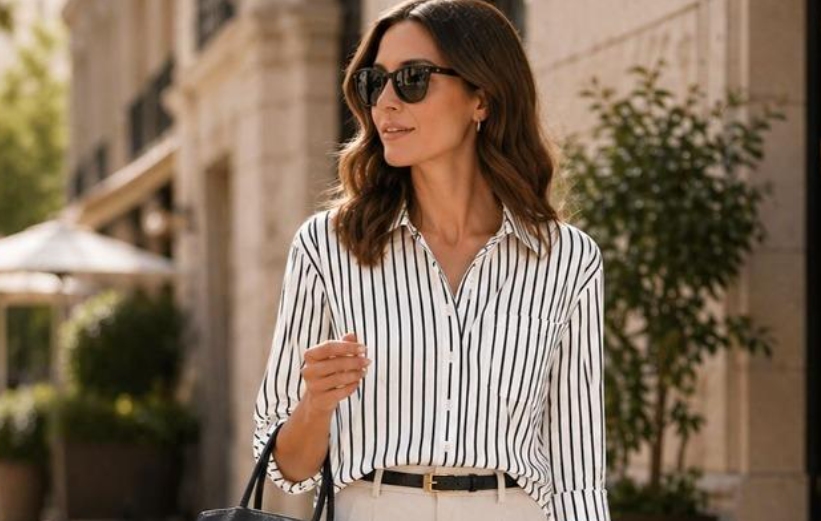
Accessories are the punctuation marks of an outfit, capable of elevating a simple look into a statement. However, the "more is more" approach often backfires, creating a cluttered and visually noisy effect that distracts rather than enhances.
- Why it ages: An abundance of large, clunky, or mismatched jewelry can overwhelm the wearer, drawing attention away from the face and creating a heavy, sometimes gaudy, impression. It can also appear dated, harking back to specific maximalist trends.
- Expert Advice: "Think curation, not collection," advises accessories designer Marco Rossi. "A few well-chosen, quality pieces make a far greater impact than a multitude of lesser ones. Opt for one or two statement pieces – perhaps a bold necklace or a pair of elegant earrings – and keep other adornments minimal. Consider the scale of your accessories relative to your body and the outfit. Delicate pieces often convey a sense of refinement and modernity."
4. Choosing Unflattering Footwear
Footwear is often underestimated in its power to complete or compromise an entire ensemble. Shoes that are too flat, too clunky, worn out, or simply lack an elegant structure can drastically alter the perceived posture and overall silhouette.
- Why it ages: Heavily worn, shapeless, or overly practical-looking shoes can drag down an outfit, making the wearer appear less refined and energetic. Very flat shoes, especially without any structural support or design element, can sometimes shorten the leg line and affect posture.
- Expert Advice: Footwear expert Dr. Sofia Mendes explains, "The right shoe can elongate the leg, improve posture, and add a touch of sophistication. It’s not about wearing high heels constantly; rather, it’s about choosing shoes with good structure, a clean design, and appropriate fit. A slight heel, even a block heel or a wedge, can make a difference. Opt for well-maintained leather, suede, or polished synthetic materials. Even sneakers can be chic if they are clean, modern, and paired thoughtfully."
5. Applying Heavy or Ill-Suited Makeup
Makeup is a powerful tool for enhancement, but when applied with a heavy hand, it can paradoxically achieve the opposite effect. Over-foundation, thick powder, or harsh contouring can settle into fine lines and wrinkles, emphasizing rather than concealing them.
- Why it ages: Heavy makeup creates a mask-like appearance, flattening the face and obscuring natural radiance. It can make skin look dry and accentuate imperfections. Outdated makeup techniques, such as overly thin eyebrows or harsh lip liner, also contribute to an aged look.
- Expert Advice: Celebrated make-up artist Lena Kosta emphasizes, "Less is often more, especially as we age. The goal should be to enhance your natural features, not to cover them up entirely. Focus on good skincare as your foundation. Choose lightweight, hydrating foundations or tinted moisturizers that allow your skin to breathe and glow. Opt for soft, natural tones for eyes and lips. A touch of highlighter, a subtle blush, and well-groomed brows can instantly lift and brighten the face, creating a fresh, youthful radiance."
6. Neglecting Hair Care and Styling
Hair is a crucial component of overall appearance, framing the face and reflecting general health and vitality. A neglected hairstyle, split ends, or an outdated cut can instantly add years and project an image of disarray.
- Why it ages: Hair that is dry, brittle, unkempt, or poorly cut can make one look tired and older. Styles that were popular decades ago, or those that lack volume and movement, can also contribute to an aged aesthetic.
- Expert Advice: Master hairstylist David Chen notes, "Hair is your crown. Regular trims are essential to remove split ends and maintain shape. Invest in quality hair care products that suit your hair type – moisturizing shampoos, conditioners, and occasional treatments. Consider a modern cut that complements your face shape and adds volume and movement. A fresh hair color, strategically placed highlights, or a slightly updated style can work wonders in making you look more vibrant and contemporary."
7. Wearing Ill-Fitting Garments
Perhaps the most fundamental error, yet one of the most common, is wearing clothes that simply do not fit. Whether too tight, too loose, too long, or too short, ill-fitting attire undermines even the most expensive garments.
- Why it ages: Clothes that are too tight can create unflattering bulges and restrict movement, making one appear uncomfortable and older. Conversely, clothes that are too loose look sloppy and can add visual bulk. Incorrect lengths (e.g., trousers dragging on the floor, sleeves covering hands) make an outfit look unpolished.
- Expert Advice: Fashion consultant Maria Lopez states unequivocally, "Fit is paramount. Even a simple t-shirt looks elegant if it fits perfectly. Understanding your measurements and body shape is the first step. Don’t be afraid to utilize a tailor; it’s an investment that transforms your wardrobe. A well-fitting garment flatters your figure, boosts confidence, and instantly makes you appear more put-together and sophisticated, regardless of your age or the garment’s price tag."
Implications: Beyond the Mirror
The implications of these subtle style and beauty choices extend far beyond mere aesthetics. Our appearance significantly impacts self-perception, confidence, and how we are perceived by others in social, professional, and personal contexts.
- Psychological Well-being: When individuals feel good about how they look, it translates into increased self-confidence, improved mood, and a more positive outlook. Conversely, a perpetually tired or aged appearance can lead to self-consciousness and a diminished sense of self-worth.
- Professional Image: In many professional environments, a polished and contemporary appearance can convey competence, attention to detail, and a forward-thinking mindset. Unintentionally aging choices can subtly undermine this perception.
- Social Dynamics: How we present ourselves influences initial impressions and ongoing social interactions. A vibrant, well-maintained appearance can foster greater engagement and positive connections.
- Personal Expression: Ultimately, style is a form of self-expression. By understanding and rectifying these common missteps, individuals can refine their personal brand, ensuring that their external presentation authentically reflects their inner vitality and personality, rather than inadvertently detracting from it.
Conclusion: The Power of Mindful Choices
It is not necessary to meticulously follow every fleeting trend to cultivate an elegant and youthful style. Instead, the focus should be on foundational principles: choosing clothes that fit impeccably, investing in quality over quantity, employing accessories judiciously, prioritizing hair and skin health, and embracing a natural approach to makeup. By combining classic pieces with modern elements and, crucially, making mindful choices about how we present ourselves, even small adjustments can yield remarkable transformations. These subtle refinements are not about chasing youth, but about cultivating an image of confidence, dynamism, and timeless elegance that truly reflects who we are.