In an era defined by economic volatility, supply chain disruptions, and the rapid escalation of hardware manufacturing costs, the landscape of home entertainment has shifted dramatically. For the modern consumer, the "sticker price" of a gaming console has become a deceptive metric. While manufacturers often tout an alluring entry point, the true financial commitment of a gaming ecosystem—factoring in software pricing, subscription models, and long-term hardware longevity—reveals a much more complex picture. As we enter 2026, the question is no longer just "What is the cheapest console I can buy?" but rather, "Which console offers the most sustainable path to a library of games?"
The Economic Landscape of 2026
The gaming industry is currently navigating a "perfect storm." Following several years of global instability, import tariffs on essential semiconductors and rare earth materials have caused the cost of high-performance electronics to soar. We are witnessing a departure from the "loss-leader" strategy that defined the previous decade, where companies like Sony and Microsoft sold hardware at or below cost to secure a foothold in living rooms.
Today, that model has largely collapsed. The PlayStation 5 Pro, which launched in 2024 with a $700 price tag, now commands a retail price of $900. In the secondary market, opportunistic resellers have driven costs as high as $1,400, effectively pricing out the average consumer. With blockbuster titles like Grand Theft Auto VI debuting at a premium $80 price point, the financial barrier to entry for "next-gen" gaming has arguably never been higher.
Chronology of Price Inflation
To understand how we arrived at this juncture, one must look at the recent trajectory of console pricing:
- 2023: The market began to feel the squeeze of inflation. Microsoft and Sony maintained stable MSRPs, but the frequency of "deep" software discounts began to wane as publishers sought to recover development costs.
- 2024: The release of the mid-cycle refresh consoles (PS5 Pro and Xbox updates) signaled a shift. Manufacturers increased MSRPs to account for advanced ray-tracing hardware and high-speed memory, passing these costs directly to the consumer.
- 2025: The "Digital-Only" transition became absolute for many platforms. By removing disc drives, manufacturers gained tighter control over the retail ecosystem, effectively ending the used-game market for flagship consoles.
- 2026: We are now in a phase of market stratification. Premium consoles are luxury items, while the "budget" segment is dominated by legacy hardware and specialized handhelds.
The Cheapest Upfront Options: A Careful Calculation
When examining the market for the lowest initial investment, the major players—Sony and Microsoft—are effectively off the table. Their digital-only consoles, priced at $500 to $600, represent a "subscription trap." By purchasing a console without a physical media drive, users are locked into the proprietary digital storefronts of the manufacturer. Without the ability to trade, sell, or purchase pre-owned physical copies, the consumer is at the mercy of the platform holder’s pricing algorithms.
The Nintendo Paradox
Nintendo remains the outlier in the hardware market. The Nintendo Switch 2, priced at $500, offers a middle ground. While the entry cost is substantial, it preserves the physical media format. The ability to purchase used cartridges provides a crucial hedge against the $80 software MSRP.
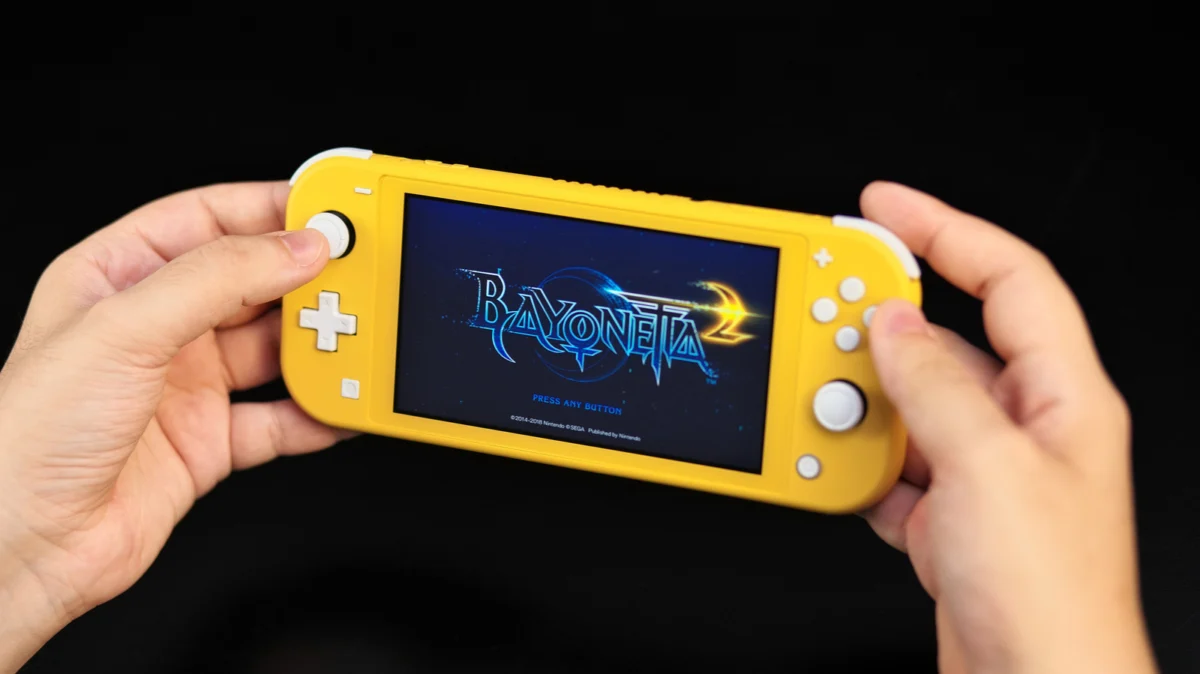
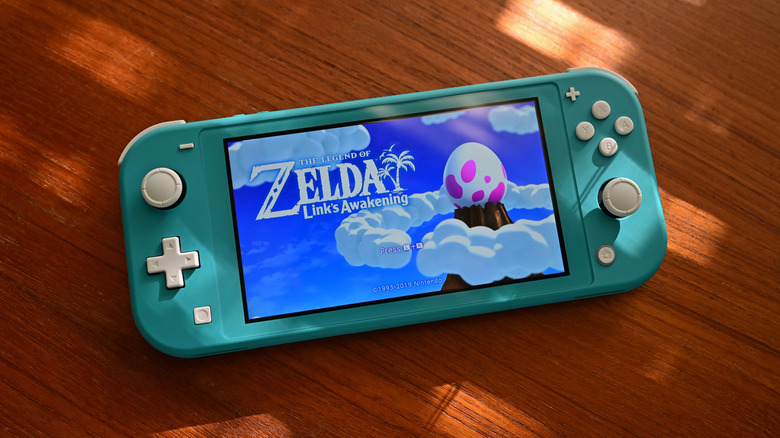
However, for the budget-conscious gamer, the Nintendo Switch Lite remains the undisputed king of the entry-level market at $230.
- The Compromise: Users sacrifice docking capabilities, higher-end graphical fidelity, and compatibility with upcoming "Switch 2" exclusive titles.
- The Benefit: Access to one of the most robust libraries in gaming history. Titles like Super Mario Odyssey, Zelda: Tears of the Kingdom, and an endless supply of critically acclaimed indie titles (such as Hades or Undertale) remain accessible and highly playable.
The Case for Handheld PCs
While the Nintendo Switch Lite is the cheapest point of entry, the "Value Proposition" shifts significantly when one moves toward the handheld PC market. Brands like Valve (Steam Deck) and ASUS (ROG Ally X) offer a starkly different economic model.
Why Steam Dominates the Long-Term Cost
A Valve Steam Deck OLED starts at approximately $789, a price that makes the Switch Lite look like a bargain. However, the disparity in software pricing cannot be overstated.
- Platform Agnostic Sales: PC storefronts like Steam and GOG operate in a competitive market. Unlike Nintendo, which rarely discounts its first-party titles, Steam frequently hosts seasonal sales where major, high-quality games are reduced by 75% or more.
- The "Forever Library": Games purchased on PC are not tethered to a single generation of hardware. A game bought today will likely be playable on a successor device in 2030, whereas console games are often orphaned when a new generation arrives.
- Free-to-Play Ecosystems: PC gaming provides the most robust access to high-tier free-to-play titles. Games like The Finals, Overwatch, and Genshin Impact are perfectly optimized for portable PC devices, allowing for thousands of hours of gameplay without a single dollar spent on software.
Implications for the Modern Consumer
The shift toward digital-only ecosystems has profound implications for consumer rights and financial health. When a user buys a $500 digital-only console, they are not buying a game library; they are buying a license to access a service. Should that service change, or should a user’s budget tighten, they have no recourse to recoup value through the sale of their games.
Expert Analysis and Industry Response
Market analysts have noted that the industry is trending toward a "Services-as-a-Platform" model. Major publishers argue that the $80 price point for AAA games is necessary to offset the 5-to-7-year development cycles. However, the data suggests that this is pushing casual gamers toward older, more stable, or open-platform ecosystems.
"We are seeing a bifurcated market," says industry analyst Marcus Thorne. "On one side, you have the high-end enthusiasts who treat the $1,000 console as an essential lifestyle purchase. On the other, you have a growing demographic of value-seekers who are moving toward PC handhelds or staying within the Nintendo ecosystem because it is the only one that acknowledges the value of physical, transferable ownership."
Summary Table: 2026 Console Value Index
| Console | Upfront Price | Software Cost | Long-term Value |
|---|---|---|---|
| Switch Lite | $230 | High | Moderate (Used market helps) |
| Xbox Series S | $500 | Very High | Low (Digital-only, no resale) |
| PS5 Digital | $600 | Very High | Low (Digital-only, no resale) |
| Switch 2 | $500 | High | Moderate (Physical media) |
| Steam Deck | $789+ | Low | High (Massive discounts) |
Conclusion: How to Choose
If your primary objective is to spend as little as possible today, the Nintendo Switch Lite is the only logical choice. It provides an immediate, functional gaming experience for under $250. However, if you intend to play games for the next five years, you must weigh the upfront savings against the long-term cost of software.
The "cheapest" console is rarely the one with the lowest price tag; it is the one that allows you to build a library of high-quality games at a sustainable pace. For the vast majority of consumers, the high initial cost of a PC-based handheld is an investment that pays dividends within the first twelve months of software purchases. As we navigate the high-cost environment of 2026, the savvy consumer is the one who chooses flexibility over the lure of the lowest sticker price.