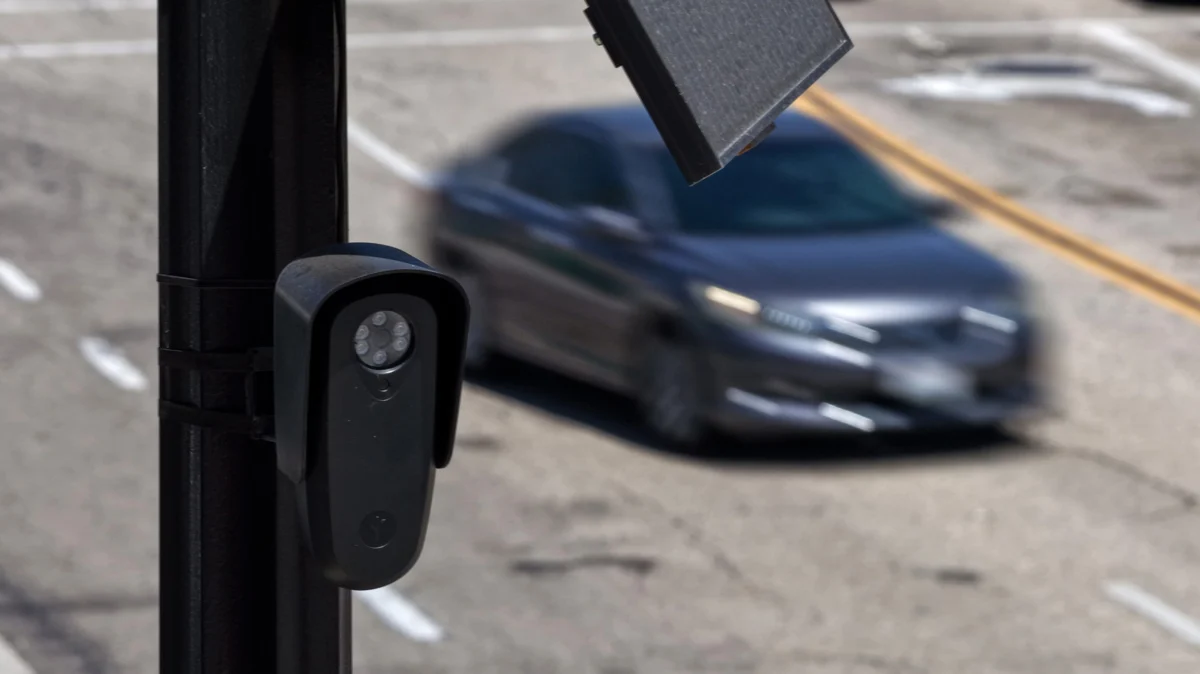
Morale at Flock Safety, once heralded as the darling of the "smart city" movement, has plummeted to an all-time low. As the company grapples with an increasingly hostile public and a rapidly changing political landscape, it has reportedly initiated a restructuring effort that marks a sobering turning point for the AI-surveillance industry.
The company, known for its ubiquitous license plate-reading cameras, is preparing to lay off 18 percent of its workforce—a move that will impact approximately 270 employees. This development comes on the heels of reports that the firm had already begun offering voluntary buyouts to staff, signaling a desperate attempt to curtail costs as the company’s reputation becomes its greatest liability.
The Anatomy of the Cuts
According to sources close to the matter, the layoffs are slated to take effect at the end of October. These cuts will reduce the company’s headcount from approximately 1,500 to roughly 1,230. The decision follows a tumultuous three-week period during which reports emerged that internal discontent was rising in tandem with external pressure.
While the company has framed these measures as a necessary evolution of its business strategy, industry analysts view the move as a direct response to a shrinking addressable market. When a company that sells "public safety" finds itself persona non grata in state houses and city councils across the country, its growth trajectory inevitably plateaus. The voluntary buyout program, which offered generous severance packages to those willing to leave, appears to have been an attempt to soften the blow of what was clearly an inevitable reduction in force.
A Chronology of Controversy
To understand how a company promising "the elimination of crime" became a target for both vigilantes and state governors, one must look at the rapid, unregulated proliferation of its technology over the last several years.
- 2017–2020: The Rapid Expansion Phase: Founded with the goal of creating a "neighborhood watch" powered by AI, Flock Safety gained rapid traction by offering low-cost, high-tech surveillance hardware to Homeowners Associations (HOAs) and local police departments. Their business model relied on the promise that license plate data could solve petty crimes and track stolen vehicles.
- 2021–2023: The Normalization of Surveillance: As municipal budgets swelled, Flock cameras became a staple of suburban landscapes. During this era, the company faced minimal regulatory pushback, effectively creating a private, for-profit surveillance network that operated largely outside the purview of traditional constitutional oversight.
- 2024: The Turning Point: The narrative began to shift as civil liberties groups, privacy advocates, and concerned citizens began to document the chilling effect these cameras had on public life. Reports of data sharing with ICE and the potential for federal surveillance databases sparked localized protests.
- 2025–2026: The Bipartisan Backlash: The current year has seen a collapse of the "pro-safety" coalition that once supported the company. From the halls of Tallahassee to the streets of Los Angeles, the cameras have become symbols of an overreaching "surveillance state," leading to legislative bans and contract non-renewals.
The Bipartisan Rebellion: A Rare Political Alignment
Perhaps the most striking aspect of Flock Safety’s current crisis is the nature of its opposition. In a deeply polarized American political environment, the movement against the company has been remarkably bipartisan, albeit for different reasons.
The Conservative Resistance
For many conservatives, the opposition is rooted in a fundamental distrust of the "surveillance state." Florida Governor Ron DeSantis, a figurehead for the right-wing base, spearheaded a legislative push to ban the cameras on state highways, explicitly stating, "I don’t want to have this become a surveillance state." Similarly, Texas Governor Greg Abbott, despite his staunch "law-and-order" platform, has moved to cut off state funding for Flock-integrated systems, reflecting a broader shift in his voter base toward protecting local autonomy and privacy.
The Progressive and Civil Liberties Critique
On the left, the critique has focused on the potential for systemic abuse and the disparate impact of surveillance on marginalized communities. In Pennsylvania, Democratic Governor Josh Shapiro has expressed deep skepticism regarding the role of private surveillance in public law enforcement, stating he would "welcome" legislation to curb the use of such technology. Furthermore, the Los Angeles Police Department—a massive, high-profile client—recently opted not to renew its contract with the firm, citing concerns regarding data privacy and the efficacy of the data being collected.
The Media and Cultural Front
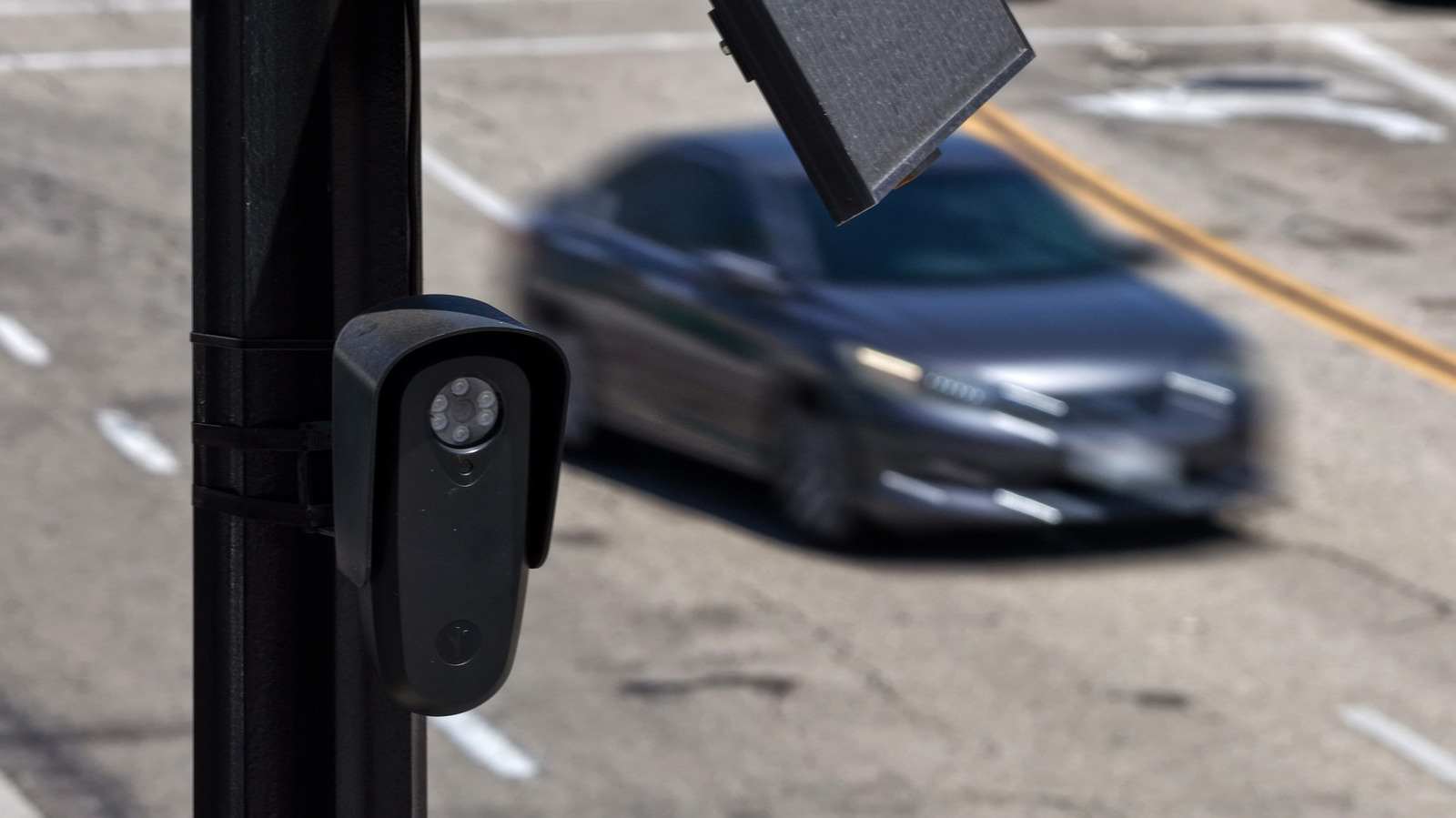
The cultural backlash has been just as severe. Pundits who rarely agree on anything, from progressive commentator Hasan Piker to conservative firebrand Tucker Carlson, have found common ground in decrying the erosion of anonymity. Meanwhile, social media has become a venue for "surveillance resistance," where videos of individuals dismantling or spray-painting over Flock cameras go viral, garnering widespread support and moral validation from commenters who see these acts as a modern form of civic protest.
Implications for the AI Surveillance Industry
The implications for Flock Safety—and the broader AI-surveillance sector—are profound.
The Cost of Public Trust
Flock’s struggle serves as a case study in the "social license to operate." Companies that move fast and break things—especially things involving public privacy—often fail to account for the political capital required to maintain long-term institutional support. By prioritizing rapid deployment over transparent oversight, Flock inadvertently created a narrative that it was a threat to the very citizens it claimed to protect.
Financial Viability and Market Contraction
The impending layoffs indicate that the cost of maintaining, lobbying for, and repairing a network of cameras under constant threat of vandalism is becoming prohibitive. When a significant portion of a company’s revenue is tied to government contracts, and those contracts are being cancelled or banned at the state level, the business model faces an existential threat. Investors who once poured capital into the startup are now likely recalculating the long-term viability of an asset that carries such immense "reputational risk."
Future Regulatory Hurdles
The trend in 2026 suggests that the era of the "Wild West" for private surveillance is coming to a close. Legislators across the country are now drafting bills that would require:
- Mandatory Data Purge Cycles: Strict laws limiting how long private companies can store data on innocent civilians.
- Public Oversight Committees: Requirements that police departments gain city council approval before deploying private surveillance networks.
- Liability Clauses: Holding companies like Flock legally responsible for data breaches or illegal use of their platforms by third parties.
Conclusion: A Cautionary Tale
As Flock Safety heads into this round of layoffs, the company finds itself at a crossroads. It can either pivot toward a more transparent, privacy-first business model that seeks to mend the bridges it has burned, or it can continue to fight a defensive battle against an increasingly organized public.
The story of Flock Safety is, ultimately, a story about the limits of technology in a democratic society. It serves as a reminder that no amount of AI-driven efficiency can overcome a fundamental lack of public consent. As the company trims its staff and attempts to navigate the fallout of the last year, it leaves behind a legacy that may define the regulatory landscape for surveillance technology for decades to come. Whether or not the company survives the winter remains to be seen, but the era of unchecked, invisible surveillance is clearly facing a reckoning that it may not survive.