In the high-stakes world of consumer electronics, the narrative for the past two years has been dominated by a singular, persistent antagonist: the memory supply crisis. As the global economy pivots toward artificial intelligence and high-performance computing, the infrastructure supporting these technologies—specifically memory chips—has become the most precious commodity in the tech ecosystem.
Driven by insatiable demand from AI data centers, memory prices have skyrocketed by as much as 400% in the last 24 months, according to data from Omdia. This surge has forced a fundamental transformation in how electronics manufacturers procure, design, and distribute their products. According to Willy Shih, the Robert and Jane Cizik Baker Foundation professor of management practice at Harvard Business School, the current environment is defined by a palpable sense of "tactical scrambling." For companies caught in the crosshairs, the stability of the pre-pandemic supply chain is a distant memory, replaced by a volatile reality of regulatory hurdles, logistical bottlenecks, and extreme cost pressures.
The Chronology of the Crunch: From Pandemic to AI Frenzy
To understand the current crisis, one must look at the progression of market forces over the last half-decade.
- 2020–2021 (The Pandemic Disruption): The onset of COVID-19 created an unprecedented shock to demand. As global lockdowns forced a shift toward remote work and home entertainment, the demand for PCs, tablets, and gaming consoles spiked. Supply chains were stretched thin, leading to the infamous semiconductor shortage.
- 2022–2023 (The Bullwhip Effect): As the pandemic subsided, many companies over-corrected, building massive inventory buffers. However, macroeconomic uncertainty and inflationary pressures began to dampen consumer demand, leaving many firms holding excess stock.
- 2023–2024 (The AI Supercycle): The explosion of generative AI shifted the landscape entirely. Data center operators, hungry for high-bandwidth memory (HBM) and advanced storage, began absorbing global supply at a voracious pace. By early 2024, the "bullwhip" had swung back: manufacturers were no longer struggling with oversupply but with an acute scarcity of the components required to fuel the AI revolution.
Supporting Data: The Cost of Connectivity
The financial burden of this supply-side squeeze is not being borne solely by manufacturers. Industry data reveals a systemic shift in cost structures:
- Price Volatility: Memory costs have risen by up to 400% compared to pre-crisis baselines, a figure that has fundamentally altered the BOM (Bill of Materials) for smartphones, laptops, and consoles.
- The "Pass-Through" Effect: Major players are no longer able to absorb these costs. Recent moves by industry titans—such as Sony’s April 2026 price hikes for its PlayStation 5 ecosystem and Microsoft’s mid-2026 decision to raise Xbox console pricing by $150—serve as clear indicators of a market where the consumer is now paying for the premium cost of silicon.
- Tariff Pressures: Beyond chips, the industry is grappling with shifting trade regulations. Recent legal challenges, including the invalidation of certain emergency-power-based tariffs by the U.S. Supreme Court, have forced companies to move from broad, country-of-origin strategies to granular, component-level cost management.
Official Responses and Strategic Pivots
Industry leaders are responding to these pressures with a "renaissance in planning discipline." Experts from firms like Gartner and the Boston Consulting Group (BCG) observe that the "firefighting" mentality of the pandemic is being replaced by a more sophisticated, multi-year strategic approach.

"Really looking at landing your inventory, your roadmaps, and your investments to more of a multiyear strategy versus just looking at the budget for the next year is going to be key for a lot of these organizations," says Cori Masters, senior research analyst director at Gartner.
Joseph Fitzgerald, managing director and partner at BCG, notes that firms are reinvesting in planning software suites—such as Kinaxis, Blue Yonder, and SAP—to move away from manual spreadsheets and toward AI-driven demand sensing. "We’re in the infancy of applying AI intelligence to supply chains where we have always-on responsiveness," Fitzgerald notes.
Five Key Trends Reshaping the Sector
1. The Renaissance of Long-Term Planning
Manufacturers are moving away from reactive, short-term budget cycles. By utilizing advanced planning systems, firms are attempting to map out their supply needs 36 to 60 months in advance. This shift is not just about logistics; it is about securing a "seat at the table" with wafer foundries and memory fabricators who now prioritize long-term, committed customers.
2. Radical Redesign and Material Substitution
When components become too expensive, the product itself changes. We are seeing a move away from mid-tier, low-margin hardware toward "premium-only" product mixes. Furthermore, companies are engaging in aggressive value engineering. As Venky Ramesh, a director at AlixPartners, points out, industrial manufacturers are now swapping aluminum for plastics to mitigate the impact of rising metal tariffs, a trend that is bleeding into the consumer electronics space as design teams prioritize cost-effective materials that do not sacrifice structural integrity.
3. Integrated Supplier Relationships (The "Sweetheart" Deal)
The era of the transactional, one-year vendor contract is ending. To secure supply, firms are signing three-to-five-year agreements. These contracts often come with "sweeteners," such as advance payments of up to 30% of the contract value. Apple’s recent multi-year agreement with Broadcom for custom silicon is a prime example of this "vertical integration" approach, where the buyer effectively acts as a capital partner to the supplier to ensure priority access to output.

4. Expanding and Diversifying the Supply Base
The "China-plus-one" strategy has evolved into a full-scale diversification effort. Companies like Dell are moving beyond just memory to address bottlenecks in secondary components like rack-level cooling and power delivery systems. This involves identifying secondary and tertiary suppliers, even if they are more expensive, to ensure that a single regional disruption does not halt an entire assembly line.
5. Logistics Driven by Scarcity, Not Cost
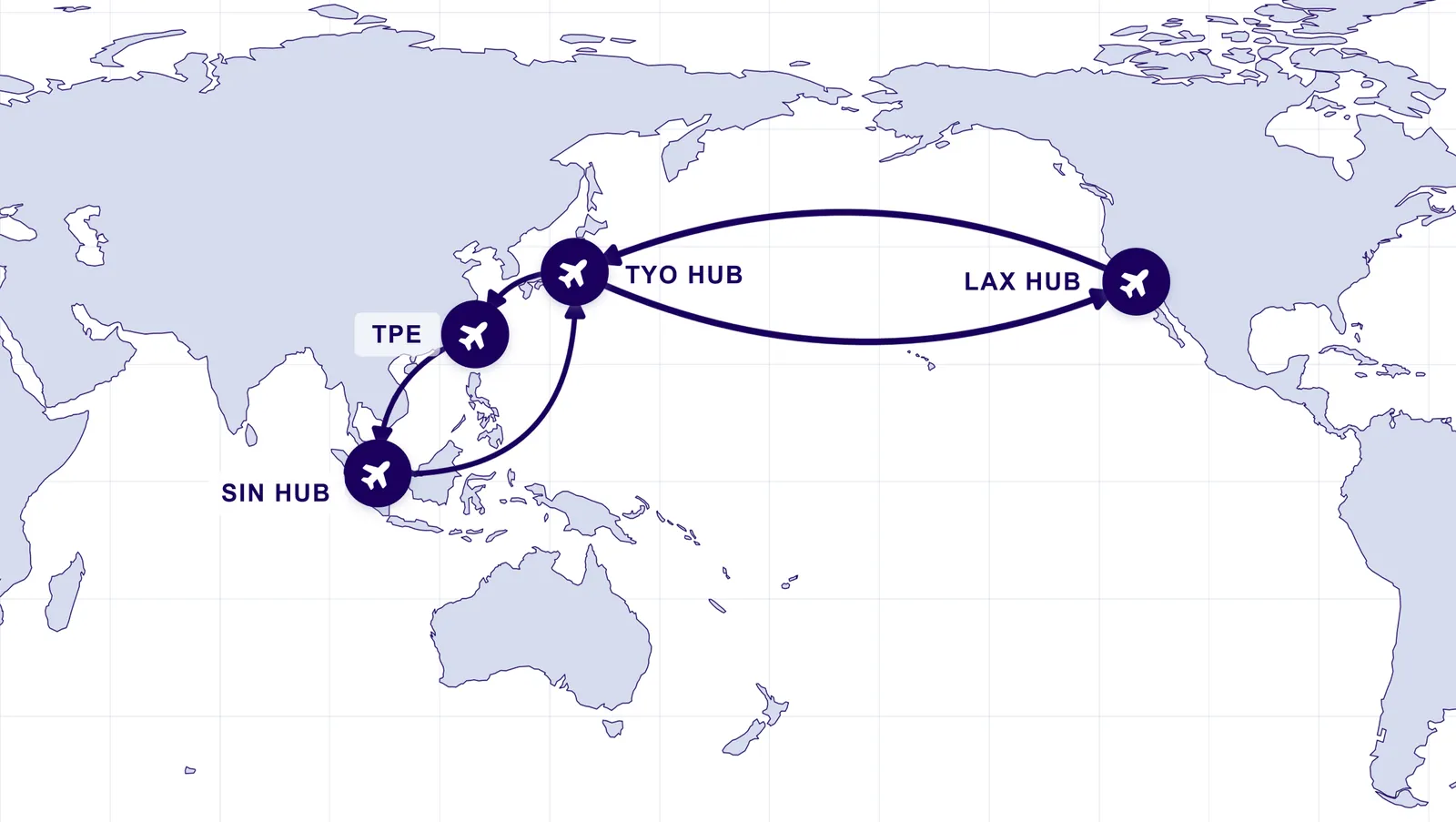
Perhaps the most significant change in operational philosophy is the decoupling of logistics from freight costs. In previous cycles, supply chain managers prioritized the cheapest mode of transport—usually ocean freight. Today, the cost of a delayed production line dwarfs the cost of air freight. As Ramesh notes, "Mode and route decisions are now driven by component scarcity rather than freight cost." The new industry standard is a hybrid model: a core flow of low-cost ocean freight supplemented by "deliberately expensive" expedited air lanes to bridge gaps in component availability.
Implications for the Future
The consumer electronics sector is entering a period of permanent structural change. The days of "just-in-time" efficiency at the lowest possible price are being superseded by "just-in-case" resilience.
For the consumer, this implies a future of higher price floors for electronics. For the manufacturer, the future belongs to those with the deepest balance sheets and the most sophisticated planning software. As AI continues to scale, the competition for the physical substrate of our digital future—memory and processing power—will only intensify.
The companies that succeed will be those that have successfully transformed their supply chains from a back-office function into a core strategic competency. As Willy Shih aptly summarized, the "tactical scrambling" of today is merely the precursor to a new, more integrated, and far more expensive era of global electronics manufacturing. The industry has been forced to mature, and in doing so, it has fundamentally changed the value proposition of the devices we carry in our pockets and use in our homes.