In the global food supply chain, the journey from raw harvest to the consumer’s dinner plate is fraught with invisible risks. Whether it is a batch of fresh seafood, a pallet of artisan juices, or mass-produced poultry, the potential for biological, chemical, or physical contamination is constant. With the CDC estimating that approximately one in six Americans suffers from a foodborne illness annually, the industry has shifted from a reactive stance—relying on testing finished products—to a proactive, science-based model known as HACCP.
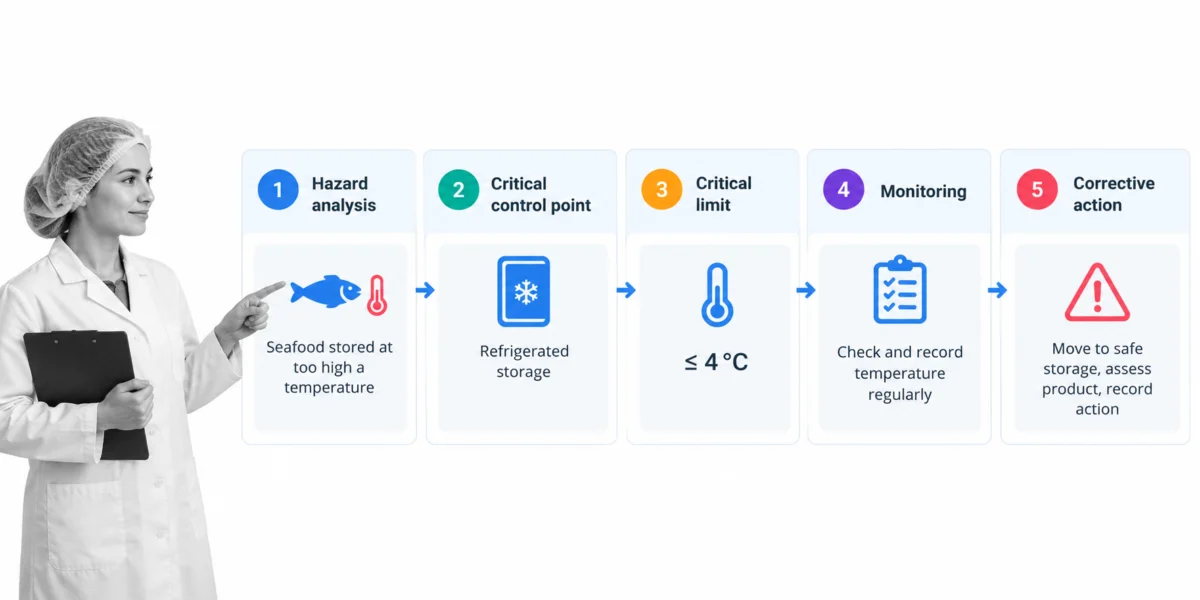
A HACCP plan is not merely a document; it is a site-specific, living architecture of food safety. It identifies significant hazards, establishes rigorous critical limits, mandates continuous monitoring, and ensures that when deviations occur, corrective actions are swift and documented.
Main Facts: The Anatomy of HACCP
HACCP, an acronym for Hazard Analysis and Critical Control Points, represents the gold standard in food safety management. It is a systematic approach that moves away from the outdated method of "testing our way to safety." Instead, it focuses on the prevention of hazards at the precise stages where they are most likely to occur.
The Three Pillars of Hazard Analysis
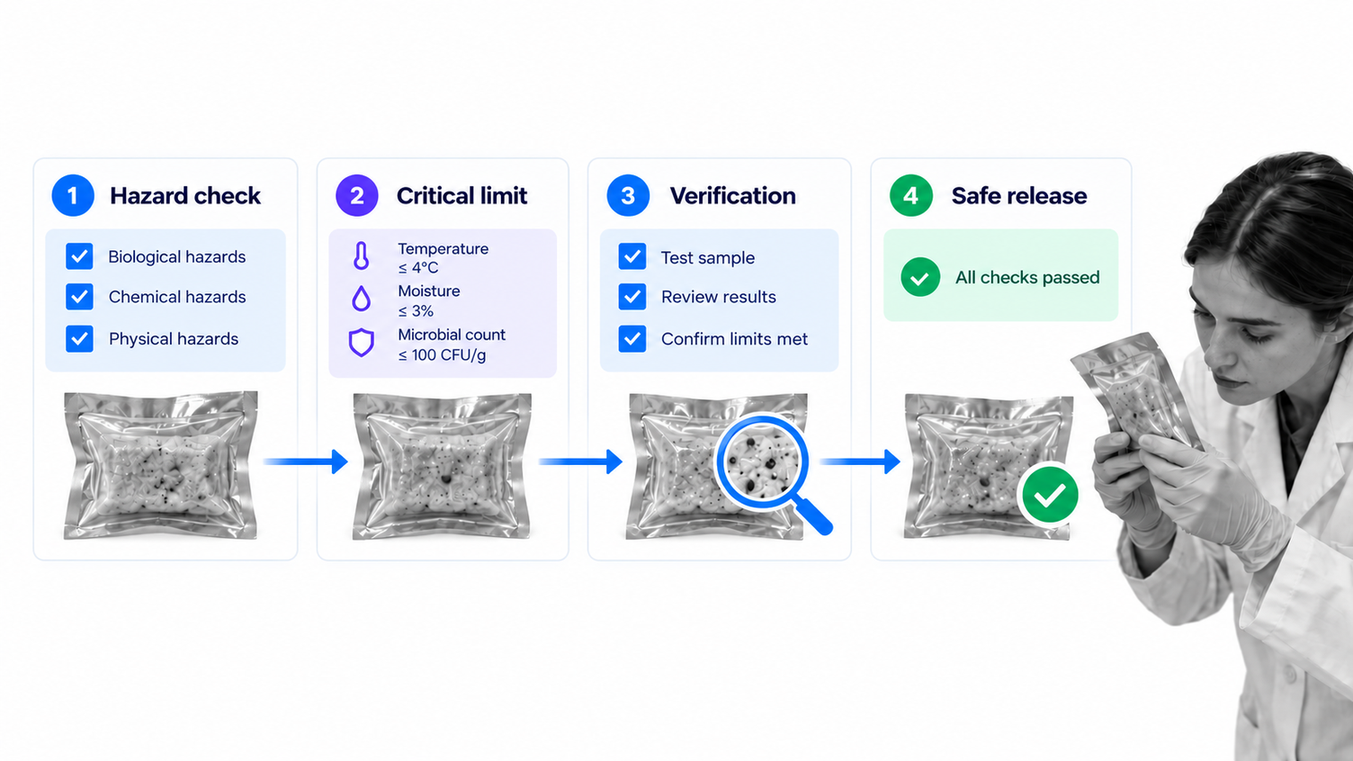
To build a functional plan, food safety managers must categorize risks into three distinct buckets:

- Biological Hazards: Pathogens such as Salmonella, E. coli, Listeria, and various parasites that can cause severe illness.
- Chemical Hazards: This includes naturally occurring toxins, chemical residues from cleaning agents, undeclared allergens, and unauthorized additives.
- Physical Hazards: Foreign objects such as metal shards, glass, bone fragments, or plastic bits that can cause physical injury during consumption.
By identifying these risks early, a facility can establish Critical Control Points (CCPs). A CCP is not just any important task; it is a specific step in the production process where a control measure can be applied, and where that control is essential to prevent, eliminate, or reduce a food safety hazard to an acceptable level.
Chronology: From NASA’s Launchpad to Global Standards
The origins of HACCP are as unconventional as they are critical. In the 1960s, the space race created a unique challenge for NASA: how to feed astronauts in zero gravity without risking a foodborne illness outbreak—a catastrophe that would have been impossible to treat in orbit.
The Pillsbury Collaboration
NASA, alongside the Pillsbury Company and the U.S. Army Natick Laboratories, recognized that traditional end-product testing was insufficient. If you test a finished product and find a pathogen, you have already failed. They required a "zero-defect" program that built safety into the manufacturing process itself.
By adapting engineering concepts—specifically Failure Mode and Effect Analysis (FMEA)—the team developed a system of monitoring, validation, and control. When Pillsbury presented this system at the 1971 National Conference on Food Protection, the industry realized that the "space-grade" safety model could revolutionize commercial food production. Over the following decades, what began as a niche aerospace requirement evolved into the backbone of international food safety standards, including ISO 22000 and FSSC 22000.
Supporting Data: Why Prevention Outperforms Detection
The transition to HACCP is backed by robust data suggesting that prevention is the most cost-effective and life-saving strategy for food processors.
The Regulatory Landscape
While specific requirements vary by jurisdiction, the U.S. regulatory framework is clear:
- FDA Mandates: Mandatory for seafood and juice processors.
- USDA FSIS Mandates: Required for all federally inspected meat and poultry establishments.
- FSMA Compliance: For facilities outside the specific HACCP mandates, the Food Safety Modernization Act (FSMA) preventive controls rule requires a similar hazard-based approach.
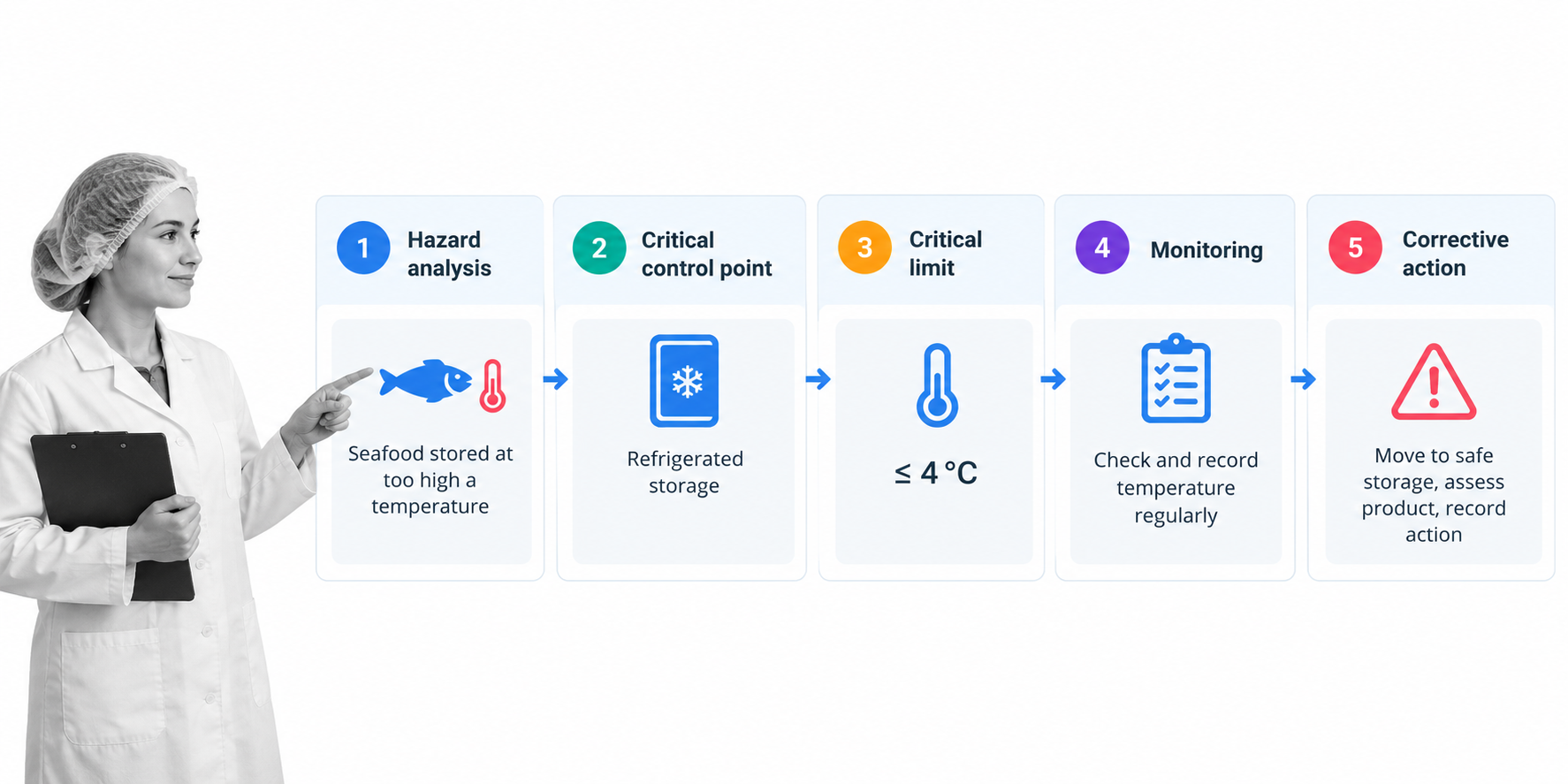
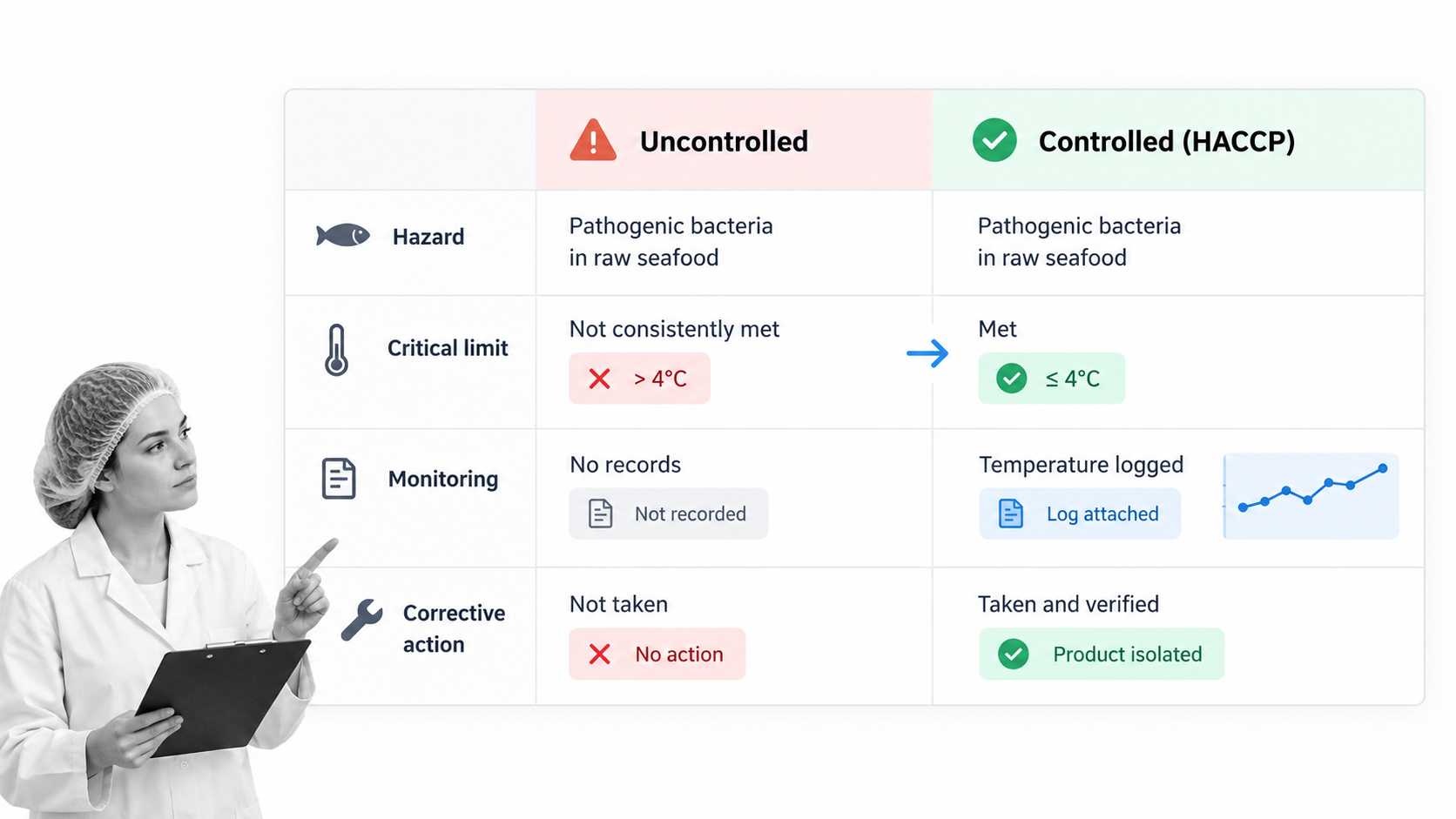
Data indicates that facilities operating under a formal HACCP plan exhibit higher audit pass rates and lower rates of product recalls. By transforming abstract safety goals into measurable Critical Limits—such as specific internal cooking temperatures, pH levels, or metal detector sensitivity—businesses reduce the "noise" of daily operations and focus on the data that truly matters.
Official Guidelines and Implementation
The FDA and USDA emphasize that a HACCP plan is only as effective as the preparation behind it. Before a single hazard is identified, the Codex Alimentarius framework suggests five preliminary tasks:
- Assemble the HACCP Team: Cross-functional expertise (production, sanitation, quality, and maintenance) is required.
- Product Description: Detailed identification of ingredients and processing methods.
- Identify Intended Use: Who is the consumer? (e.g., vulnerable populations like the elderly or immunocompromised).
- Construct a Flow Diagram: A visual map of every step from receipt to shipment.
- On-Site Verification: Walking the floor to ensure the diagram matches reality.
Once these tasks are complete, the seven principles of HACCP are applied: conducting the hazard analysis, determining CCPs, establishing limits, monitoring procedures, corrective actions, verification, and robust record-keeping.
Implications: The Shift Toward Digital Compliance
In the modern era, the biggest threat to a HACCP plan is "document decay"—the tendency for paper logs to be filled out incorrectly, filed away, and forgotten until an auditor arrives.
The Role of Technology
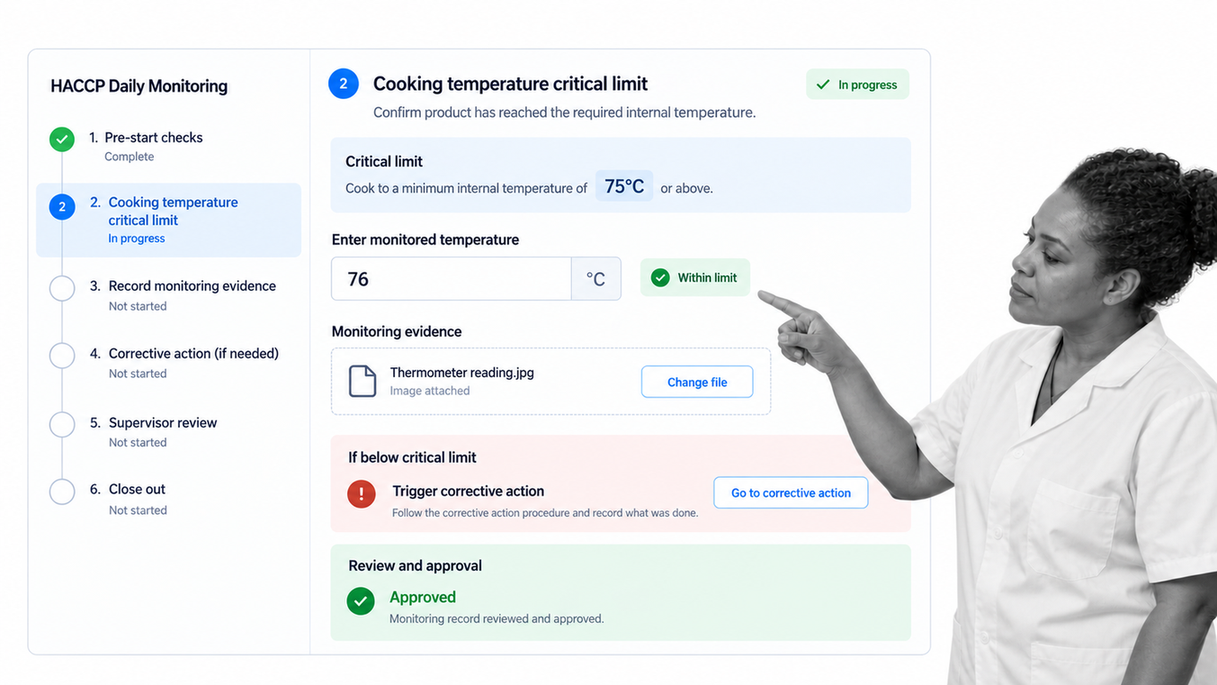
Platforms like Process Street have changed the implications of HACCP from a manual chore to an automated operational advantage. By digitizing the HACCP program, companies can now:
- Automate Notifications: Alerting supervisors instantly when a temperature reading falls outside a critical limit.
- Enforce Compliance: Using "stop tasks" to ensure a workflow cannot proceed if a critical safety step was skipped.
- Real-time Evidence: Storing digital logs, photos, and signatures in a cloud-based audit trail.
- AI-Driven Support: Utilizing AI to summarize exceptions or draft corrective action paths, allowing human experts to make faster, better-informed decisions.
The implication for the modern food business is clear: HACCP is no longer just a regulatory hurdle; it is a competitive differentiator. Companies that leverage digital operational platforms can prove their safety standards to retailers, export partners, and consumers with objective, irrefutable evidence.
Conclusion: A Culture of Continuous Improvement
A HACCP plan is a promise to the consumer. It is the recognition that food safety is a continuous cycle of Plan, Do, Check, and Act.
- Plan: Define the risks and establish the controls.
- Do: Execute the procedures exactly as designed.
- Check: Monitor the CCPs and verify that the system is working.
- Act: Correct deviations immediately and improve the system based on historical performance.
Whether you are running a small local processing plant or a global supply chain, the core logic remains the same. By documenting the "why" and the "how" of your safety processes, you transform your facility from a place that produces food into a place that guarantees safety. In an era where brand reputation is fragile and consumer health is paramount, the HACCP plan is the most reliable tool in the shed.
Frequently Asked Questions
What does HACCP stand for?
HACCP stands for Hazard Analysis and Critical Control Points. It is a management system in which food safety is addressed through the analysis and control of biological, chemical, and physical hazards.
What is the difference between HACCP and a HACCP plan?
HACCP is the overarching methodology—the "philosophy" of food safety. A HACCP plan is the physical, written document that applies that philosophy to a specific facility, including the hazard analysis, the CCPs, and the corrective action protocols.
Is HACCP required for every food business?
While not all food businesses are governed by the same federal HACCP regulations, most modern food safety certifications (such as SQF, BRCGS, or FSSC 22000) require a HACCP-based system. Furthermore, regulatory agencies increasingly expect a hazard-based approach regardless of the specific food category.
How often should a HACCP plan be reviewed?
A HACCP plan is not a static document. It should be reviewed whenever there are changes to raw materials, equipment, suppliers, or processes. It should also be formally reassessed following any food safety incident, product recall, or if scientific knowledge regarding a hazard changes.