In the fast-paced world of global fashion, the industry’s compass has swung decisively toward the rearview mirror. From the hallowed halls of luxury houses in Paris to the accessible storefronts of American heritage brands, "what is old is new again" has transformed from a nostalgic platitude into a highly calculated business strategy. As the 2025 and 2026 fashion cycles unfold, brands are aggressively mining their own back catalogs, proving that in an era of digital saturation, the most potent marketing tool is the tangible weight of history.
The Archive Movement: A Strategic Shift
The current wave of archival reissues represents a departure from the "disposable fashion" model that defined the early 21st century. Instead of chasing the fleeting micro-trends of social media algorithms, major fashion houses are pivoting toward longevity and brand heritage.
In 2025, the luxury giant Chloé set the tone by reintroducing its iconic Paddington bag—a hallmark of the mid-2000s—under the direction of creative director Chemena Kamali. The move was met with immediate fervor, signaling that the "it-bag" cycle had finally looped back to the post-minimalist aesthetic of two decades ago. Similarly, in April 2026, Giorgio Armani unveiled Archivio, a curated collection of 13 men’s and women’s looks painstakingly remade from the brand’s storied past. Even Banana Republic has joined the fray, partnering with The Explorers Club to reissue adventure-focused archival pieces that emphasize durability and timeless utility over seasonal gimmickry.
A Chronology of the Revival
The trend did not emerge in a vacuum; it is the culmination of a multi-year shift in consumer behavior.
- 2023–2024 (The Foundation): The rise of circular fashion platforms and the mainstreaming of resale sites like Depop and Vinted sensitized consumers to the value of "pre-loved" goods. Brands began to realize that if they didn’t offer their own historical pieces, their customers would simply buy them elsewhere.
- Spring 2025 (The Luxury Pivot): Chloé’s relaunch of the Paddington bag served as the industry’s wake-up call, proving that Gen Z was willing to pay a premium for archival-inspired luxury.
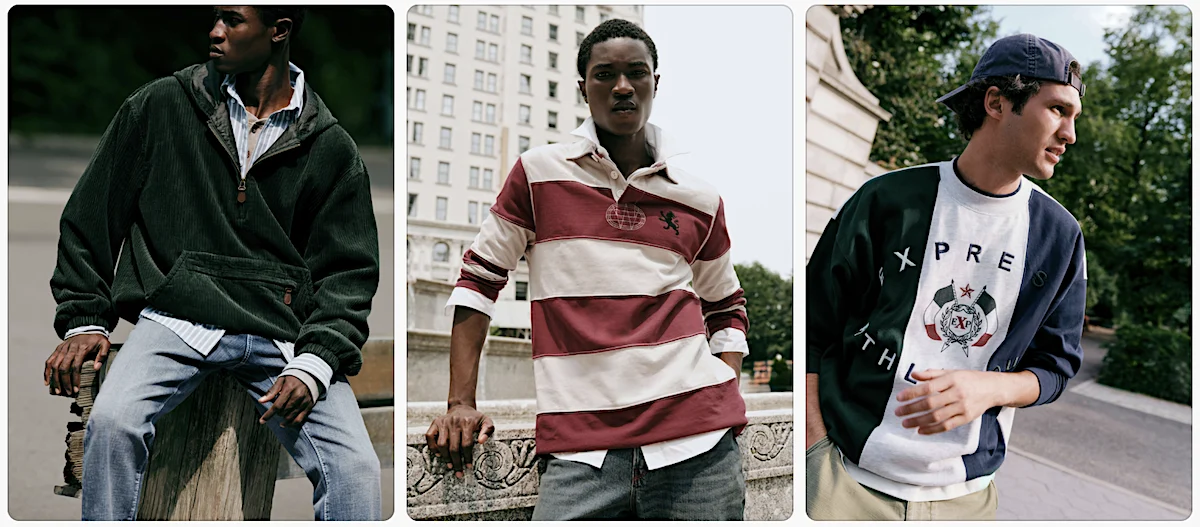
- September 2025 (The Retail Resurgence): Express launched Express Archives, a dedicated collection reviving 1990s and early 2000s staples, including the ’95 Color Block Sweatshirt and the ’98 Utility Cargo Pant.
- 2026 (The Mainstream Integration): Throughout the spring and summer of 2026, Vera Bradley and Crocs leaned into their own histories, with Vera Bradley’s "Remix Collection" selling out in under 30 seconds, demonstrating that the appetite for archival prints and silhouettes had moved from niche enthusiasts to the general public.
The Psychology of "Anemoia" and the Gen Z Consumer
Executives across the retail spectrum agree: this movement is being driven by a generation that never experienced the eras they are currently romanticizing. According to Pacsun’s recent Youth Report, many younger shoppers are experiencing "anemoia"—a profound longing for a past they never lived.
This psychological phenomenon is bolstered by the cultural influence of 1990s-centric media, such as the Love Story reboot and similar period-piece aesthetics that have saturated streaming platforms. For Gen Z and Gen Alpha, these archival collections offer an antidote to the "fast fashion" fatigue. As 18-year-old shopper Hannah Schwartz noted during Shoptalk Fall, the desire for uniqueness is a primary motivator: "I can’t tell you how embarrassing it is to go to a party and walk in and see four people with the exact same shirt. We want something a bit unique."
By reissuing original silhouettes—often with updated, modern fabrications—brands are satisfying this demand for individual expression while maintaining the structural integrity of the original design.
Corporate Insights: The Brands Speak
For brands like Express, the archival strategy is a form of brand reclamation. Joe Berean, CMO of Express, notes that the brand’s return to its roots—and the roots of its defunct menswear label, Structure—is about more than just profit. "We see customers dressing this way on the street," Berean says. "It’s self-referential for us. To see these looks come back and to see this new generation of customers embracing them, it excites us."
Express’s approach highlights a critical nuance in this trend: technical updates. While the aesthetics of the ’98 Utility Cargo Pant remain faithful to the original, the brand has integrated modern textile technologies, such as improved stretch in denim, to ensure the product meets contemporary expectations for comfort.
Similarly, Vera Bradley is utilizing its archives to drive a corporate turnaround. Melinda Paraie, the company’s chief brand officer, emphasizes that the brand’s archival prints, such as the Ditsy Bandana series, provide a sense of scarcity that modern, mass-produced items lack. "Our customer loves collecting," Paraie observes. The success of the "bespoke" 50-bag collection, which sold out instantly, highlights that the "drop culture" model is highly effective when paired with heritage branding.
The Role of Personalization and Partnerships
Crocs represents a slightly different facet of the archive trend. Rather than just reissuing old styles, the brand is using its archives as a "mood board" for future collaborations. The Crocband clog, originally from 2009, was identified by the design team as the perfect bridge between the brand’s history and the current cultural shift toward slimmer, sportier silhouettes.
"It has to be authentic with our brand DNA," says Lori Foglia, Crocs’ chief product officer. This sentiment is echoed by partners like Simone Rocha, who consulted the Crocs archives to create a unique aesthetic that felt both "designer" and "archival." By collaborating with cultural touchstones like Florence by Mills and Oracle Red Bull Racing, Crocs ensures that its vintage silhouettes remain relevant to modern, fragmented audiences.
Implications for the Future of Retail
The "Archival Turn" signals a fundamental shift in how brands view their history. It is no longer a static museum collection; it is a dynamic asset class.
1. The Death of the "Trend-Only" Cycle
Brands are moving away from the pressure to reinvent their design language every six months. By cycling through archival hits, they reduce the risk of "design misses" and build a narrative of consistency that resonates with long-term customers.
2. The Rise of the "Curator" Executive
Creative directors are increasingly being hired for their ability to synthesize brand history with modern utility. The success of figures like Chemena Kamali at Chloé suggests that the industry values "heritage-led design" more than radical, disconnected invention.
3. Supply Chain Sustainability
Reissuing archival pieces can be more sustainable than developing entirely new product lines from scratch. By utilizing existing patterns and perfecting known silhouettes, brands can reduce waste and streamline manufacturing processes, appealing to the eco-conscious values of younger consumers.
4. Community and Exclusivity
The success of limited-edition archival drops proves that the "collectability" of fashion is returning. By limiting supply, brands are creating a secondary market excitement that keeps the brand name in the social media discourse for longer periods.
Conclusion: A Balanced Heritage
The current archival obsession is not merely a sign of creative stagnation; it is a calculated response to a culture that has become overwhelmed by the sheer volume of new information and new trends. In a world that moves at the speed of an Instagram feed, the durability and familiarity of the past offer a sense of security.
As Express, Vera Bradley, and Crocs have demonstrated, the key to success lies in the balance. The archive must be treated as a foundation, not a cage. By recoloring prints, improving fabric technology, and collaborating with modern tastemakers, these brands are ensuring that their legacy is not just a ghost of the past, but a living, breathing component of the modern wardrobe. As we look toward the remainder of the decade, it is clear that the most "innovative" brands will be those that best understand how to curate their own history for a generation that is eager to own a piece of it.