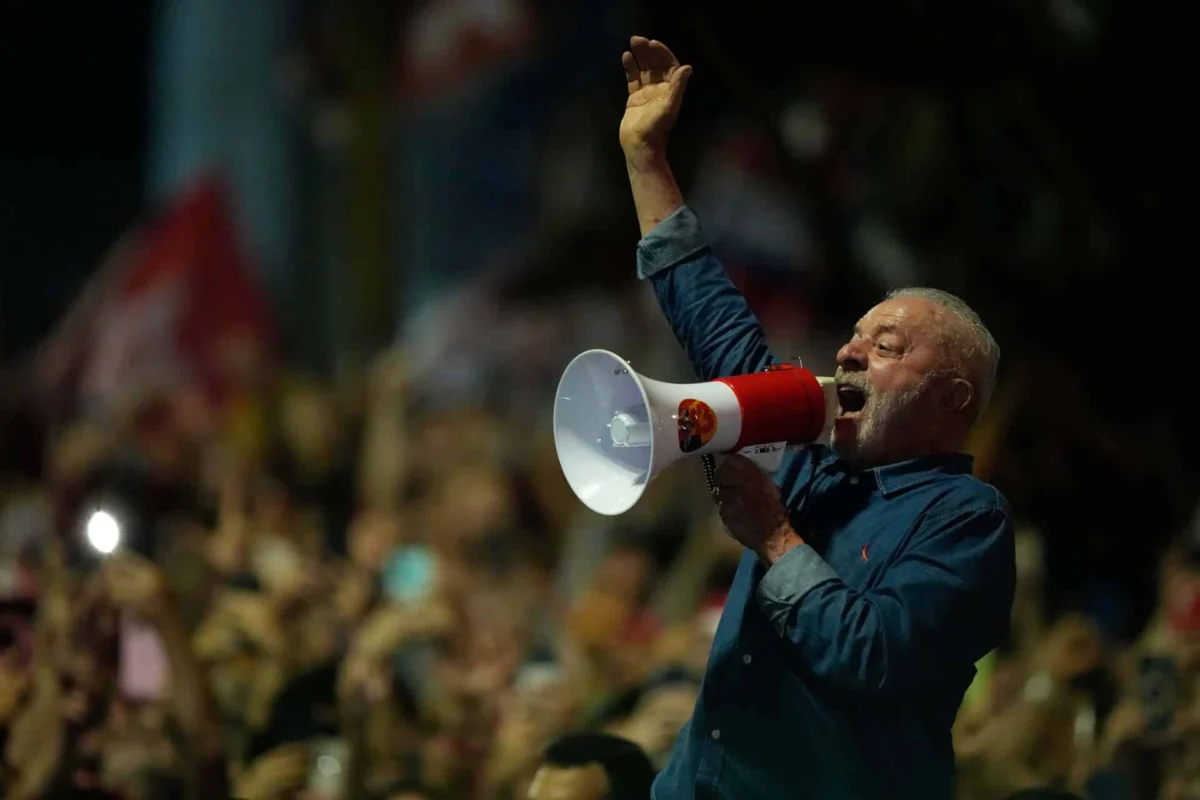
In a political landscape defined by volatility and an entrenched regional tide against incumbents, Brazilian President Luiz Inácio Lula da Silva has achieved what few political analysts believed possible. Defying the skepticism of prediction markets, the pessimism of established pundits, and a palpable anti-incumbent sentiment sweeping across Latin America, Lula secured a decisive victory in the nation’s second-round presidential election this past Sunday.
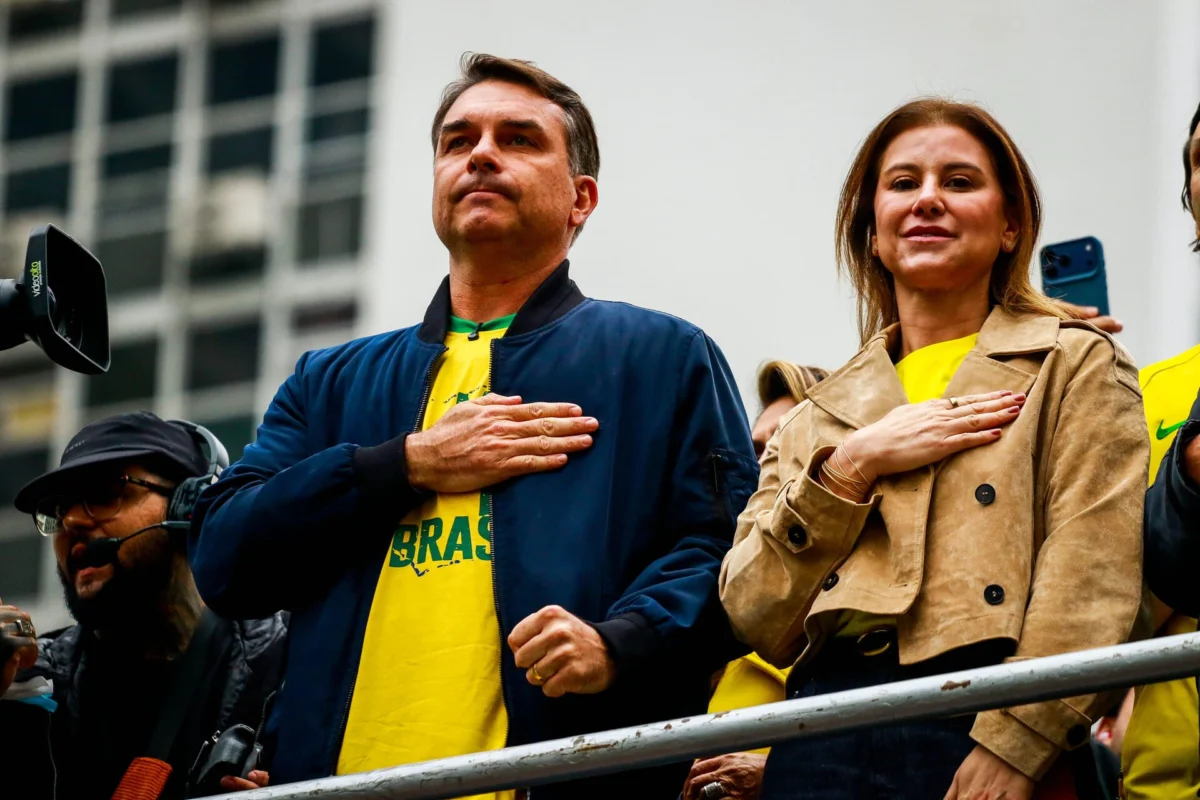
Securing nearly 52 percent of the vote, Lula vanquished his right-wing challenger, Senator Flavio Bolsonaro—the son of former President Jair Bolsonaro. The victory marks not only a personal triumph for the veteran leftist leader but a significant shift in the trajectory of the world’s fourth-largest democracy.
Chronology: A Campaign of Momentum and Resilience
The road to this victory was far from linear. Three weeks prior, the first round of voting painted a picture of a nation deeply divided, with Flavio Bolsonaro leading the pack. In that initial contest, which featured a crowded field of 12 candidates, Bolsonaro secured 47 percent of the vote against Lula’s 45 percent. At the time, the momentum appeared to be firmly with the Bolsonaro camp, suggesting that the "Bolsonarismo" brand remained resilient despite a tumultuous governing legacy.
However, the three-week interim between the first and second rounds served as a crucible for the Lula campaign. While the Bolsonaro camp relied on established voter bases, Lula’s team orchestrated a massive ground game aimed at mobilization and persuasion. The results were statistically staggering: Lula managed to add over 10 million votes to his first-round tally, while Flavio Bolsonaro’s support increased by fewer than 4 million. This disparity suggests a successful outreach to undecided voters and those who had abstained in the initial round, demonstrating a superior organizational capacity in the final stretch.
The Turning Point: The Debate That Defined the Race
Political observers often point to specific "flashpoints" that crystallize a campaign’s narrative. For this election, that moment occurred during the final televised debate, held just 48 hours before polls opened. Watched by an audience of over 20 million Brazilians, the event became the theater for a dramatic pivot in the campaign’s trajectory.
In an attempt to rattle the incumbent, Flavio Bolsonaro leaned into a tactic frequently employed by Brazil’s far-right: personal insult. He referred to Lula as "nove dedos" (nine fingers), a derogatory slur mocking the president for the loss of a finger in an industrial accident during his youth.
Rather than retreating, Lula met the provocation with a display of righteous indignation that resonated deeply with the Brazilian electorate. He immediately reframed the insult as an attack on the millions of working-class Brazilians who endure dangerous labor conditions and long hours to survive. In a sharp, calculated counter-attack, Lula contrasted his own history as a union leader and democracy activist against the perceived elitism of his opponent, characterizing Flavio as someone who had "never worked a day at a real job."
The reaction was instantaneous. The clip of Lula’s impassioned defense went viral across social media platforms, transforming a vulgar attempt at humiliation into a powerful testament to the president’s blue-collar origins. While Flavio Bolsonaro offered a perfunctory apology and attempted to pivot to policy, the narrative had already shifted. The "nove dedos" remark, intended to alienate, instead served to humanize the president and solidify his base of support.
Supporting Data: Understanding the Voter Surge
The electoral math behind Lula’s victory reveals a profound shift in voter behavior. To understand how a 2-point deficit in the first round turned into a roughly 4-point margin of victory in the second, one must look at the demographics of the turnout.
- Voter Mobilization: Lula’s ability to gain 10 million additional votes compared to his first-round performance indicates a high-functioning "get-out-the-vote" operation. In many of Brazil’s interior provinces, where turnout had been historically low for left-leaning candidates, the campaign managed to bridge the gap through grassroots organizing.
- The Anti-Incumbent Paradox: While regional trends in Latin America have generally favored challengers, Brazil presented a unique case. Lula’s status as a former president—and a well-known quantity—allowed him to capitalize on nostalgia for the economic prosperity of his previous terms, effectively neutralizing the "incumbent" tag by framing it as a "restoration" of stability.
- The Bolsonaro Ceiling: The data suggests that the Bolsonaro campaign reached its saturation point earlier than anticipated. With fewer than 4 million new voters in the second round, it became clear that the right-wing coalition failed to expand its tent beyond its core demographic, leaving them vulnerable to the broader coalition of progressives, moderates, and undecideds that flocked to Lula.
Official Responses and Political Atmosphere
The aftermath of the election has been characterized by a mix of celebration and high-stakes maneuvering. Supporters of the president gathered in major cities, marking the victory as a vindication of democratic institutions. Conversely, the Bolsonaro camp has been relatively muted in its formal acknowledgment, a reflection of the intense polarization that continues to grip the Brazilian political establishment.
International observers, including leaders from the European Union and across the Americas, have largely signaled support for the democratic process, emphasizing the importance of a peaceful transition and the restoration of institutional norms. Within Brazil, the focus has shifted toward the composition of the new cabinet and the legislative agenda. Lula’s victory, while significant, occurs within a legislature where his party will need to build broad coalitions to pass meaningful economic and social reforms.
Implications for Brazil’s Future
The implications of this election are profound, touching on both domestic policy and Brazil’s role on the world stage.
Economic Policy
Lula now faces the challenge of managing an economy burdened by inflation and the lingering impacts of global supply chain disruptions. His campaign promise to revitalize the economy through public investment and social welfare programs will face immediate scrutiny from market analysts and international financial institutions. The key to his success will be maintaining fiscal discipline while simultaneously addressing the poverty gap that he highlighted so effectively during the final debate.
Environmental Stewardship
Given the global importance of the Amazon rainforest, Lula’s victory has been welcomed by environmentalists. During his previous terms, Lula oversaw significant reductions in deforestation. His commitment to restoring these policies will be a cornerstone of his foreign policy, as he seeks to re-establish Brazil as a key player in global climate negotiations.
Institutional Stability
Perhaps the most significant implication of the election is the strengthening of Brazil’s democratic institutions. By winning in an environment fraught with skepticism and intense personal attacks, Lula has effectively reaffirmed the power of the ballot box. However, the deep-seated polarization remains a significant hurdle. The "Bolsonarismo" movement, though defeated at the presidential level, retains significant influence in the National Congress and state governments.
Social Cohesion
Lula’s challenge over the coming months will be to govern for the "other half" of the country. The debate over the "nine fingers" slur was more than just a political spat; it was a symptom of a society divided by class, culture, and values. Whether the president can translate his campaign success into a broader national consensus remains to be seen. His focus on working-class identity suggests he will lean into his labor roots, but he must balance this with the need for a inclusive national narrative that brings the Bolsonaro voters back into the democratic fold.
Conclusion: A New Chapter
Lula da Silva’s victory is a testament to the power of political narrative and the resilience of a candidate who understands the pulse of his nation. By effectively turning a moment of insult into a platform for empowerment, he secured a mandate that defies traditional political wisdom.
As Brazil moves forward, the focus will transition from the heat of the campaign trail to the cold reality of governance. The challenges—economic, environmental, and social—are immense. Yet, the outcome of this election proves that even in an age of intense polarization and digital misinformation, the connection between a leader and the lived experience of the working class remains the most potent force in democratic politics. Brazil stands at a crossroads, and the direction it takes will be defined by how the president reconciles the radical shifts of the campaign with the pragmatic requirements of a nation hungry for stability.