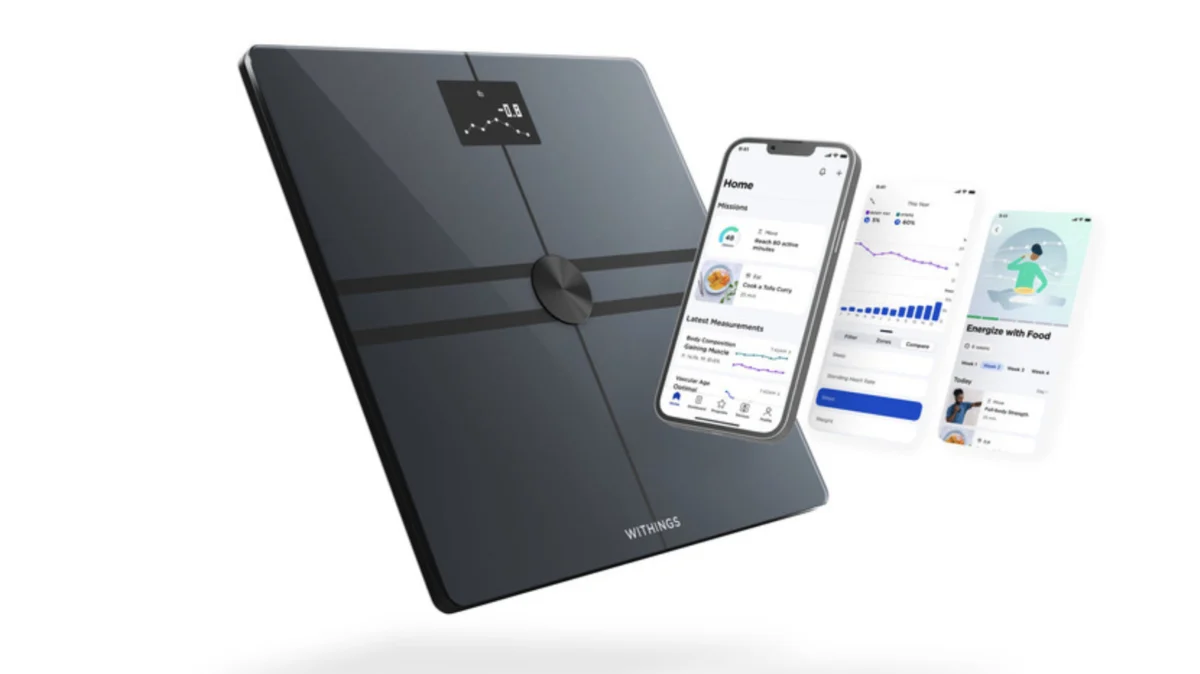
In a move that has sent shockwaves through the smart health community, Withings—a brand long synonymous with premium biometric tracking hardware—has implemented a controversial policy shift. Effective October 13, the company has effectively gated the ability for new users to automatically sync their health data with third-party ecosystems, such as Apple Health and Google Fit, behind its $100-per-year "Withings+" subscription service.
This decision marks a significant departure from the industry-standard "open data" philosophy that has helped smart scale and wearable manufacturers thrive over the last decade. While existing users remain grandfathered into the previous, open-sync model, the new paywall creates a bifurcated experience that has prompted intense debate regarding data ownership, user autonomy, and the sustainability of hardware-plus-software business models.
The Core Facts: What Has Changed?
The crux of the controversy lies in the "automatic sync" feature. Historically, Withings hardware—ranging from its high-end Body Scan scales to its sleep-tracking mats—has allowed users to seamlessly pipe data into aggregators like Apple Health, MyFitnessPal, and Strava. This interoperability is a primary selling point for the "Quantified Self" demographic, who rely on these third-party dashboards to aggregate data from multiple devices.
Under the new policy, accounts created on or after October 13 face a stark ultimatum: pay $9.95 per month or $99.95 per year for a Withings+ membership, or lose the convenience of automated data synchronization. For those who opt out, the data remains siloed within the proprietary Withings app. While the company claims users can still manually export their history, the friction of manual data management is widely viewed as a functional degradation of the product’s value proposition.
A Chronology of the Dispute
The escalation of this issue has been rapid, moving from a quiet backend update to a public relations firestorm.
- October 13, 2024: Withings quietly updates its service terms, restricting automatic third-party API access for new accounts.
- Mid-October: Early adopters and new users begin reporting "sync failure" errors on the company’s official support forums.
- Late October: A dedicated thread on the Withings community board gains traction, with hundreds of users expressing outrage. The thread, titled "Unacceptable: Apple Health Sync is now behind a $99/year paywall," becomes the central hub for the backlash.
- The Official Response: Following mounting pressure, a representative from Withings confirms the policy change, stating that "automatic sync to third-party apps is now part of the Withings+ subscription experience."
- Current Status: As of today, the policy remains in effect, with Withings maintaining its stance that the subscription provides "enhanced insights" and that basic data management remains accessible via manual tools.
Supporting Data: The Hardware-Subscription Nexus
To understand the scale of this friction, one must look at the hardware price points Withings occupies. The company recently launched the Body Scan 2 scale, a premium diagnostic tool retailing for $600. Even their mid-range models, such as the Body Comp, command prices around $280.
For a consumer who has already invested hundreds of dollars in proprietary hardware, the imposition of a $100 annual "access fee" to move their own health data is being perceived as a "double-dip" strategy.
The Cost of Convenience
Industry analysts suggest that Withings is attempting to transition from a pure hardware vendor to a recurring-revenue services company. However, the data shows that users are highly sensitive to subscription fatigue. When a consumer buys a scale, they expect the hardware to perform its core functions—measuring weight, body fat, and cardiovascular health—without a monthly toll. By gating the interoperability of that data, Withings is effectively changing the terms of the purchase after the fact for new users, which many consumer protection advocates argue borders on predatory.
Official Responses and Corporate Strategy
In its communication to users, Withings has framed the change as a way to provide a "premium experience." The company’s official response on its forums suggests that the Withings+ platform is designed to offer more than just data syncing; it provides habit-coaching, deeper biometric analysis, and exclusive content.
However, the company’s failure to differentiate between "basic sync" (a utility) and "premium insights" (a value-add) is where the disconnect lies. By bundling the basic utility of API connectivity with the premium coaching features, Withings has made the API access feel like a ransom rather than a service.
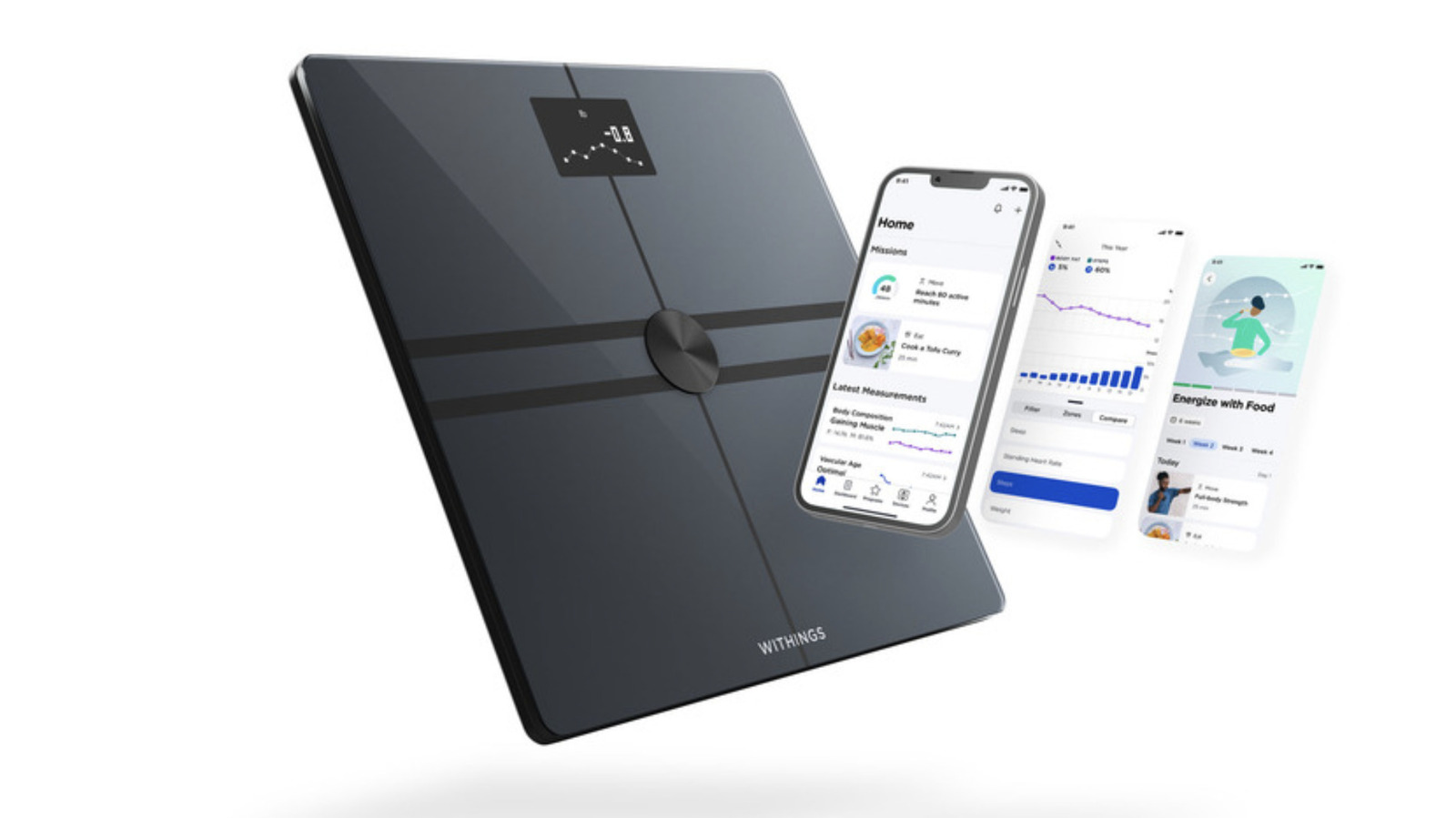
While the company has not yet provided a detailed breakdown of how many users have migrated to the subscription model, internal pressures to improve profit margins in a saturated smart-health market likely drove the decision. As Withings faces stiff competition from companies like Garmin, Oura, and Apple itself, the push toward subscription revenue is a common, if unpopular, industry trend.
The Implications: Why This Matters
The repercussions of this decision extend far beyond the immediate frustration of Withings customers. This case highlights three major trends currently defining the consumer electronics industry:
1. The Death of Interoperability
For years, the "Health Stack" was defined by its ability to talk to other apps. If a user tracked sleep on a Withings mat, activity on a Garmin watch, and nutrition in MyFitnessPal, they could see the whole picture in Apple Health. By breaking these chains, Withings is encouraging a "walled garden" approach. If every health company moves toward gating data, the vision of a holistic health dashboard will fracture, leaving users with fragmented data sets.
2. The Normalization of "Feature Stripping"
This move sets a dangerous precedent. If a company can take an existing feature—like third-party syncing—and turn it into a subscription-locked privilege, what stops them from doing the same with other hardware features? This leads to "software-defined hardware," where the device you own feels less like property and more like a leased service.
3. Impact on Long-term Brand Loyalty
Withings has built a reputation on high-end, reliable equipment. However, the current backlash suggests that the brand is trading long-term customer trust for short-term revenue. In the digital age, hardware is only as good as the software ecosystem that supports it. By alienating the "power users"—the people who are most likely to recommend Withings to their friends and colleagues—the company risks long-term brand erosion.
Looking Ahead: Is There a Resolution?
The situation remains fluid. While Withings has doubled down on its policy for now, the intensity of the community response could force a strategic pivot. Historically, when tech companies face overwhelming negative sentiment regarding API access, they often implement a "freemium" model—allowing basic sync for free while gating "advanced analytics" behind the paywall.
For the moment, new users are left with a difficult choice: accept the $100 annual fee, stick to manual data entry, or switch to competitors like Withings’ rivals who have yet to gate-keep basic synchronization.
As the digital health space continues to mature, the definition of what constitutes a "basic feature" will continue to be contested. For now, Withings has become the latest case study in the risks of prioritizing recurring revenue over the seamless user experience that originally made smart health devices so appealing to the mass market. Whether the company chooses to walk back this policy or withstand the criticism will ultimately be determined by the churn rate of their new user base in the coming fiscal quarter.
Until then, the smart scale—a device meant to simplify health tracking—has ironically become the center of a complex and increasingly expensive headache for its users.