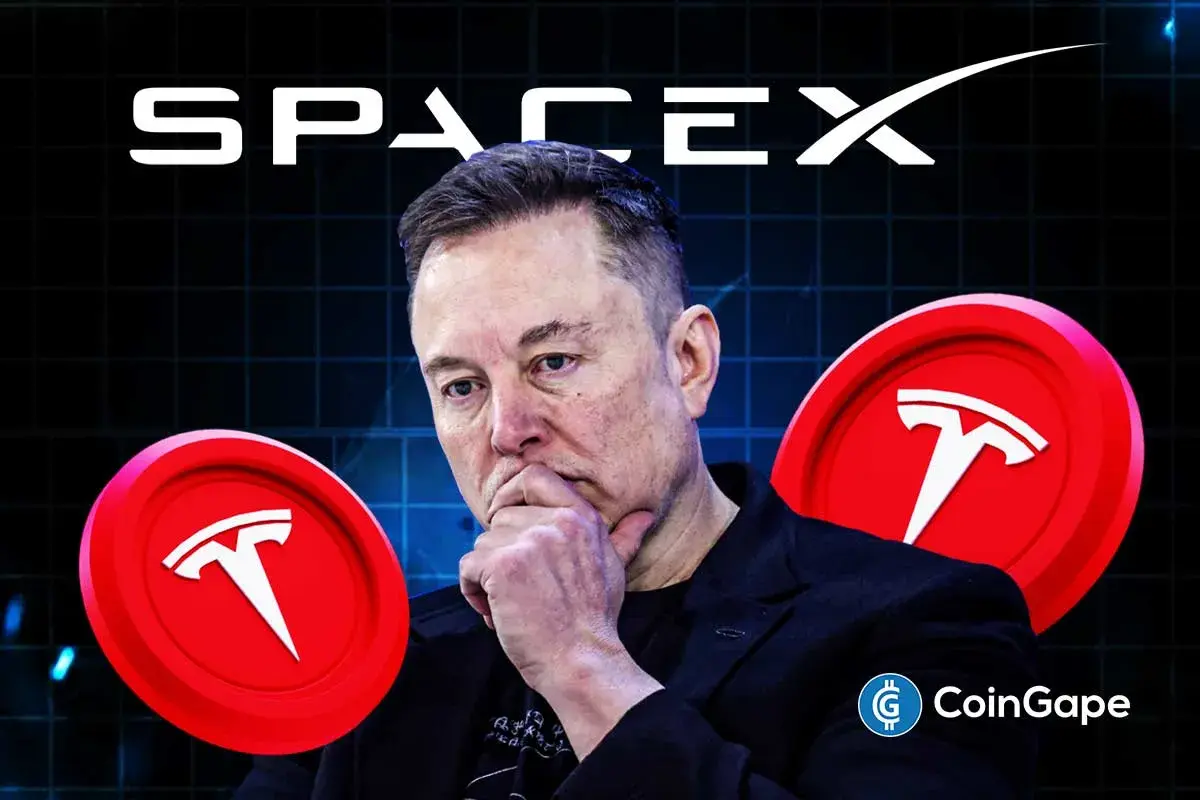
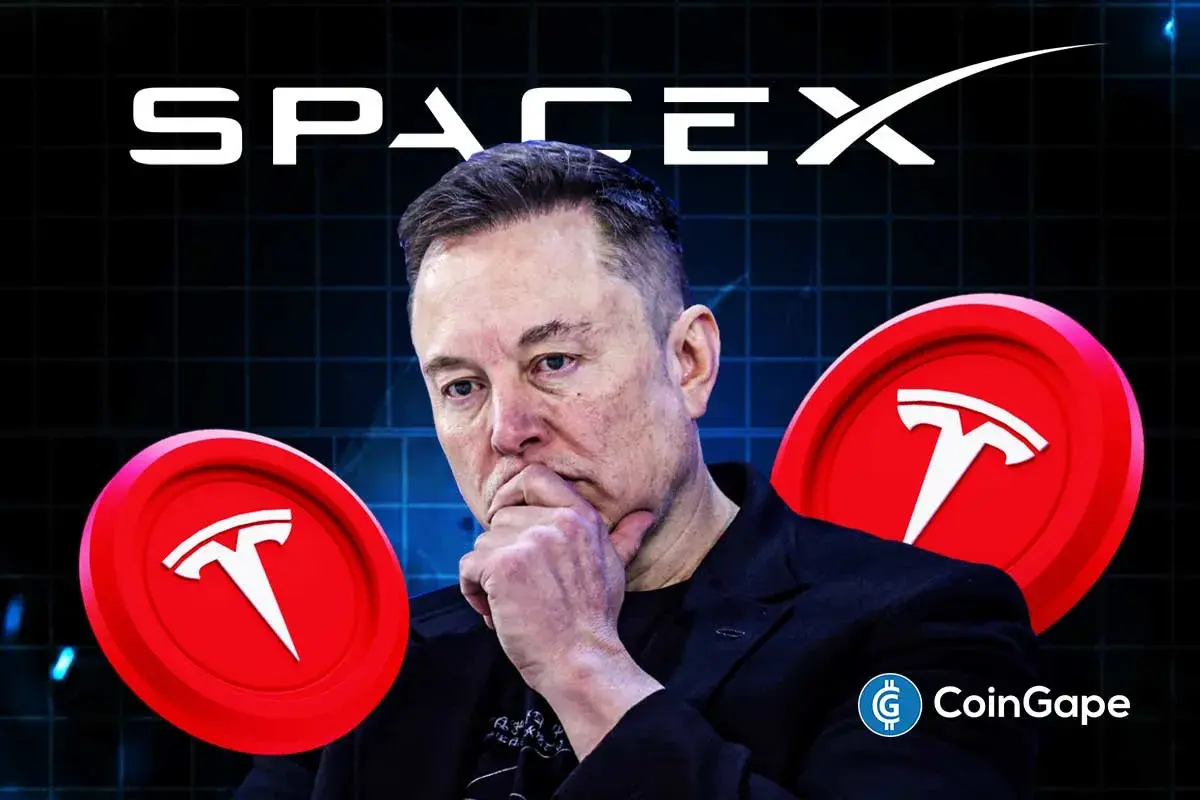
The business world is currently fixated on a singular, monumental question: Will Elon Musk orchestrate the most ambitious corporate merger in history by uniting Tesla and SpaceX? As speculation reaches a fever pitch, Wall Street analysts and industry observers are closely monitoring signals from both camps. With the annual Tesla shareholder meeting looming on December 6, rumors suggest that a formal announcement regarding a potential tie-up could be imminent.
Barclays analyst Dan Levy has been at the forefront of this discourse, suggesting that the logic behind such a consolidation is not merely speculative but grounded in a strategic vision of "AI vertical integration." Should the two giants unite, it would represent a historic shift in the landscape of technology, energy, and aerospace.
The Strategic Rationale: AI Vertical Integration
At the heart of the proposed merger lies the concept of the "AI flywheel." Elon Musk has long championed the idea that artificial intelligence will be the primary engine of value for both Tesla and SpaceX.
Levy notes that a merger would likely be pitched to shareholders as a symbiotic union of physical and virtual AI. Tesla currently drives the physical manifestation of AI through its advancements in the Optimus humanoid robot and the autonomous Robotaxi fleet. Conversely, SpaceX and its associated ventures contribute the virtual and computational heavy lifting through AI initiatives like Grok and the proprietary, high-performance computing systems often referred to as "Macrohard."
By bringing these entities under a single corporate umbrella, Musk could theoretically eliminate the friction of inter-company contracting, streamline research and development, and create an unstoppable engine of innovation. The "vertical integration" argument suggests that by owning the hardware (Tesla) and the high-level computational intelligence (SpaceX/xAI), the unified entity could dominate the market for years to come.
The Terafab Project: A Catalyst for Consolidation
Perhaps the most tangible evidence supporting a potential merger is the massive, ongoing development of the "Terafab" semiconductor manufacturing plant in Texas. As the world’s largest chip factory, Terafab represents an investment scale that defies conventional corporate accounting, with projections estimating costs in the hundreds of billions of dollars.
Currently, this facility is a joint endeavor between Tesla and SpaceX. However, the logistical and financial hurdles of managing such a project across two separate corporate boards are immense. A merger would effectively collapse this bureaucracy, allowing a single board of directors to make unified capital allocation decisions.
Levy points out that for a project of this magnitude, the current dual-structure is inefficient. By consolidating into one, the combined entity would be better positioned to navigate the immense financial risks and regulatory hurdles associated with building the world’s most advanced chip manufacturing infrastructure.

Chronology: From Collaboration to Potential Union
To understand the trajectory toward a potential merger, one must look at the historical timeline of the relationship between Musk’s ventures.
- June 2024: SpaceX captures global attention with a record-breaking IPO, shifting the market’s perception of the aerospace giant from a private passion project to a public financial powerhouse.
- Late 2024: Increased frequency of cross-company resource sharing begins to make headlines. Tesla begins utilizing SpaceX hardware for advanced networking, while SpaceX begins integrating Tesla’s energy storage solutions into its launch sites.
- September 2024: During the All In Summit in Los Angeles, Elon Musk provides his most suggestive comments to date. When asked about the potential for a formal link between his companies, Musk alluded to the sheer volume of "close collaboration" occurring, implying that the current operational reality is already outpacing the existing legal and corporate structure.
- October 2024: Market sentiment shifts, with prediction markets placing the probability of a merger announcement by year-end at roughly 19%. Analyst reports from Barclays and other major institutions begin to formalize the "AI Vertical Integration" thesis.
- October 21, 2024: Tesla’s Q3 earnings call is expected to be a pivotal moment, with investors looking for hints regarding the company’s long-term capital expenditure plans and potential restructuring.
- December 6, 2024: The scheduled annual Tesla shareholder meeting, which many analysts view as the deadline for a major announcement regarding the future of the company’s corporate architecture.
The Financial Landscape: A Multi-Trillion Dollar Titan
The combined market capitalization of a merged Tesla and SpaceX would be nothing short of staggering. As of mid-October, Tesla held a market cap of approximately $1.45 trillion, while SpaceX, following its successful public offering, commanded a valuation of roughly $2.06 trillion.
A unified entity would boast a combined valuation of over $3.5 trillion, potentially becoming the most valuable company on the planet. This level of capital access would provide the company with the financial firepower to pursue projects that were previously considered impossible, such as permanent lunar habitats, mass-scale Mars colonization, and the complete overhaul of global telecommunications through Starlink, all powered by a proprietary, in-house semiconductor supply chain.
Official Responses and Regulatory Constraints
Despite the mounting speculation, Elon Musk has maintained a guarded stance. During public appearances, he has cited the "regulatory red tape" that prevents a CEO of a public company from discussing potential mergers in a definitive manner. However, his rhetoric remains pointedly ambiguous.

At the All In Summit, Musk remarked, "With all this collaboration on so many levels, you can imagine an action one might take when there is so much close collaboration in so many areas." This is widely interpreted as a "nudge-and-wink" acknowledgement that the corporate walls between Tesla and SpaceX are becoming increasingly porous.
The regulatory landscape, however, remains the largest hurdle. The U.S. Securities and Exchange Commission (SEC) and various antitrust regulators would likely scrutinize any deal with extreme intensity. The argument for the merger—that it creates an AI powerhouse—could simultaneously be the argument used by regulators to challenge the deal on the grounds of market dominance and monopolistic behavior.
The Web of Inter-Corporate Transactions
The integration is not merely a theoretical future; it is already happening in practice. The companies have developed a complex web of commercial relationships that arguably blur the lines of independence:
- Supply Chain Synergies: Tesla is currently a primary consumer of SpaceX’s aerospace-grade materials and energy storage systems.
- Technological Integration: SpaceX is integrating Tesla’s Cybercab robotaxi terminals into its own logistics and ground operations, effectively using Tesla’s autonomous infrastructure to move personnel and equipment.
- The xAI Connection: Prior to the formalization of the AI lab, Tesla invested $2 billion into Musk’s xAI. This investment, which later translated into an ownership stake in SpaceX, serves as a crucial bridge. It established a precedent for Tesla’s capital to be deployed into Musk’s broader ecosystem, essentially serving as a trial run for a larger, more permanent merger.
Implications for Investors and the Market
Should the merger materialize, the implications for the equity markets would be profound. For Tesla investors, the move could provide a hedge against the cyclical nature of the automotive industry by diversifying into aerospace and telecommunications. For the broader market, it would signal a new era of "Conglomerate 2.0"—where massive, technology-driven entities move beyond sector-specific labels to become all-encompassing infrastructure providers for the future of humanity.

However, risks remain. A merger could result in a "complexity discount," where shareholders struggle to value the diverse operations of a combined space-auto-AI entity. There is also the risk of "key-man dependency," where the success of the entire $3.5 trillion entity remains inextricably tied to the personal focus and health of Elon Musk.
Looking Toward December
As December 6 approaches, the focus of the investment community remains squarely on the synergy between Tesla and SpaceX. Whether this ends in a merger, a closer strategic partnership, or a continuation of the status quo, one thing is certain: the current pace of collaboration is unsustainable under the current, separate corporate structures.
The Terafab project, the integration of xAI, and the shared vision of autonomous, multi-planetary expansion suggest that the entities are moving toward a singular, unified identity. For now, the world waits to see if Elon Musk will pull the trigger on a deal that would define the industrial and technological landscape of the 21st century. As analysts like Dan Levy have suggested, the stage is set—the only missing piece is the formal consent of the shareholders.