You’ve mastered the art of the subject line. You’ve refined your copy until it resonates with the precision of a high-end editorial piece. You’ve orchestrated a seamless automation sequence and hit “send” with the confidence of an experienced founder.
Then, silence.
The campaign metrics arrive, and they are abysmal. It’s not that your audience hated your offer; it’s that they never saw it. Your message has been relegated to the digital purgatory of the spam folder—a victim of the invisible gatekeepers of the internet.
Email deliverability is the silent killer of modern e-commerce. You can possess the most sophisticated marketing strategy in the world, but if your emails aren’t reaching the inbox, you are essentially shouting into a void. Understanding deliverability is no longer a technical “nice-to-have”; it is a fundamental pillar of business survival.
The Core Reality: Delivery vs. Deliverability
It is a common misconception that “delivery” and “deliverability” are synonymous. When an email is marked as “delivered,” it merely means the receiving mail server accepted it without bouncing. It does not guarantee that the email arrived in the primary inbox.
Deliverability is the measure of whether your email actually lands where the user can see it—the inbox—rather than the Promotions tab or the spam folder. This status is determined by real-time algorithms used by major providers like Gmail, Yahoo, and Outlook. These systems analyze a complex web of technical authentication, sending history, and recipient engagement to decide your fate.
For e-commerce founders, the implications are staggering. If 20% of your email list is landing in spam, you have effectively incinerated 20% of your revenue potential. Because this decline is often gradual and invisible, many founders don’t realize they have a problem until their open rates have suffered a terminal decline.
Chronology of an Email’s Journey
To understand why deliverability fails, we must look at the lifecycle of a single email send:
- The Trigger: You hit send on a blast or trigger an automated flow.
- The Handshake: Your Email Service Provider (ESP) initiates a connection with the recipient’s server (e.g., Gmail).
- The Credential Check: The recipient server checks your authentication records (SPF, DKIM, DMARC). If these are missing or misaligned, the risk of rejection skyrockets.
- The Reputation Audit: The server cross-references your sending domain and IP address against its database. Does this sender have a history of spam complaints? Are they sending to “dead” addresses?
- The Engagement Filter: The server assesses how the recipient has treated your past emails. Have they opened, clicked, or moved your emails to the trash?
- The Final Verdict: Based on these factors, the email is routed to the Inbox, the Promotions tab, or the Junk folder.
The Pillars of Sender Reputation
Think of your sender reputation as a credit score for your brand. It is an accumulation of data points generated by every campaign you send.
Supporting Data and Metrics
- Bounce Rates: A high bounce rate indicates a “dirty” list, often filled with old or invalid addresses. Internet Service Providers (ISPs) view this as a sign of amateurish list management.
- Spam Complaints: This is the most dangerous metric. When a user clicks “Report Spam,” it sends an immediate, high-priority signal to the ISP that your content is unsolicited or unwanted.
- Engagement Levels: ISPs track "positive" signals—opens, clicks, and replies—against "negative" signals like immediate deletions or ignoring the email entirely.
The strategy is clear: focus on your "warmest" leads. By prioritizing engagement over list volume, you protect your reputation. A smaller list of highly active, loyal subscribers will always generate more revenue and ensure higher deliverability than a massive list of inactive, ghost accounts.
Authentication: The Non-Negotiable ID
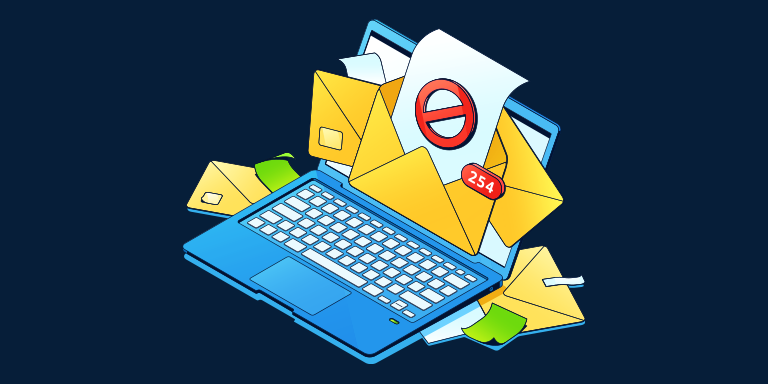
If your reputation is your credit score, authentication is your passport. In an era of rampant phishing and spoofing, ISPs are increasingly aggressive in blocking unverified senders.
The Technical Trifecta:
- SPF (Sender Policy Framework): A DNS record that lists the IP addresses and servers authorized to send email on behalf of your domain.
- DKIM (DomainKeys Identified Mail): A digital signature that attaches to your email, proving that the content has not been tampered with during transit.
- DMARC (Domain-based Message Authentication, Reporting, and Conformance): The policy layer that tells receiving servers what to do if an email fails SPF or DKIM checks.
Without these, you are essentially sending anonymous mail. Most reputable platforms like Omnisend simplify this, but founders should never assume it’s "taken care of." A 15-minute audit of your DNS settings can be the difference between a successful Q4 and a complete failure.
List Hygiene: The Unsexy Secret to Growth
List hygiene is the most underrated aspect of email marketing. Over time, every list accumulates "dead weight"—emails from people who changed jobs, abandoned accounts, or simply lost interest.
The Practical Maintenance Schedule:
- The 90-180 Day Purge: Run a re-engagement campaign for users who haven’t opened an email in three to six months. If they don’t respond, remove them. It feels counterintuitive to shrink your audience, but a bloated list is a liability.
- Hard Bounce Suppression: Ensure your ESP automatically removes hard bounces (invalid addresses) immediately.
- Double Opt-In: While it creates a small friction point at signup, double opt-in ensures that every contact on your list is a human who actively wants to hear from you. This is the single most effective way to prevent bot signups and early spam complaints.
The Psychology of Engagement Signals
Email providers aren’t just technical; they are behavioral. They watch how your subscribers interact with your brand. Every time a user marks your email as "Not Spam" or adds you to their contacts, your deliverability score climbs.
This is why the Welcome Series is the most critical campaign in your arsenal. The first three emails you send set the tone for the entire relationship. If you fail to capture interest immediately, you are training the recipient—and the ISP—to ignore you.
Content Habits That Trigger Filters
Modern spam filters are sophisticated. They no longer just look for the word "free." They scan for:
- HTML Imbalance: Emails that are entirely images with no text are often flagged, as they hide content from automated scanners.
- Link Density: Excessive linking can look like a phishing attempt.
- Urgency Traps: Using excessive capitalization, aggressive "BUY NOW" language, or deceptive subject lines that promise one thing but deliver another.
Implications: The Future of Your Business
Deliverability is not a "set it and forget it" task. It is a continuous practice of data-driven stewardship. Founders who succeed are those who treat their email list as a living asset, not a static database.
The invisible nature of the problem is its most dangerous trait. By the time you notice your revenue dipping, the damage to your domain reputation may take months to reverse. Proactive monitoring is the only defense.
For those looking to secure their infrastructure, platforms like Omnisend provide the necessary tools for real-time deliverability monitoring and automated list hygiene. By building your program on a foundation of authentication and engagement-first strategies, you ensure that when you hit “send,” your voice is actually heard.
Final Pro-Tip: Don’t let your business growth outpace your email health. Treat your subscribers with the respect they deserve, keep your technical records pristine, and always prioritize the quality of your engagement over the quantity of your list.
Ready to take control of your deliverability? Visit Omnisend and use code FOUNDR50 for 50% off your first three months.