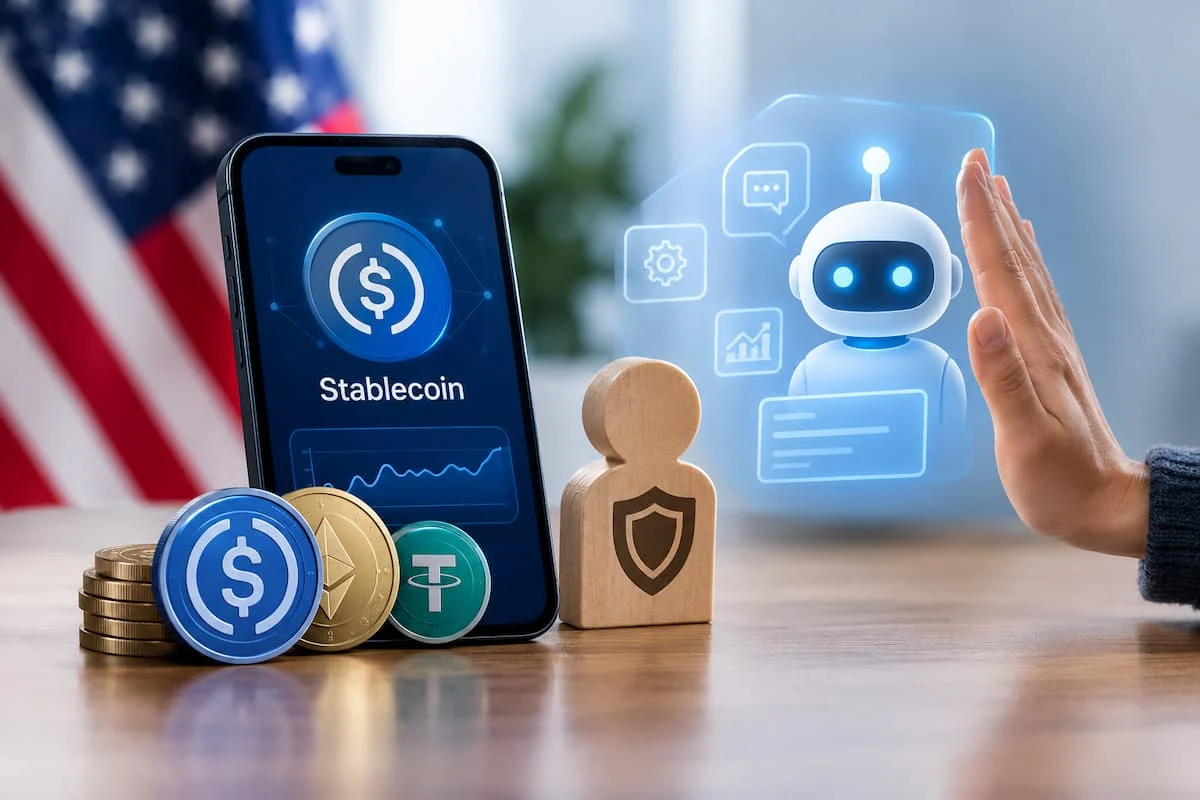
The financial landscape of 2026 is defined by a stark dichotomy: while the "frictionless" promise of digital wallets has effectively conquered the consumer consciousness, the next frontier of financial innovation—stablecoins and autonomous AI—remains stalled at the periphery. According to the second-quarter 2026 Voice of the Customer survey from S&P Global Market Intelligence, the chasm between established digital convenience and speculative tech is driven less by a lack of innovation and more by a profound, deep-seated anxiety regarding security and utility.
The survey, part of S&P’s comprehensive Disruptive Experiences series, offers a granular look at the shifting behaviors of US consumers. While contactless payments and digital wallets have become the bedrock of modern commerce, the data suggests that for the average American, the "future of finance" is currently limited to what is already in their pocket.
The Mainstream Ascendancy of Digital Wallets
The digital wallet has officially moved from a "nice-to-have" novelty to a foundational pillar of the American payment ecosystem. Two-thirds of respondents (67%) confirmed they have utilized a digital wallet for an online transaction within the last 90 days, with 45% reporting habitual, weekly usage.
Generational Adoption Patterns
The adoption curve is heavily bifurcated by age. Digital wallet integration is near-universal among younger demographics, with 91% of Gen Z and 85% of millennials reporting active usage. This adoption tapers off significantly among older cohorts, signaling a generational shift in how value is exchanged.
Market dominance in this space remains segmented by environment. PayPal continues to command the online space, capturing 62% of wallet users, largely due to its legacy as a trusted intermediary. Conversely, Apple Pay has successfully secured the physical point-of-sale, leading with 43% of the in-store market. The underlying architecture of this growth is remarkably traditional: 64% of users still link their wallets to debit cards, reinforcing that the appeal of the digital wallet is not the abandonment of banking, but the streamlining of it. The primary driver remains the same as it has been for years: the promise of an easier, faster checkout experience.
Chronology: The Evolution of Digital Friction
To understand the current state of consumer sentiment, one must look at the timeline of the last two years:
- Early 2025: The "contactless tipping point" occurs. The normalization of tap-to-pay cards reaches 50% saturation, setting the stage for the broader acceptance of mobile-based wallets.
- Late 2025: Federal initiatives, including the scaling of the FedNow network, bring real-time payments into the public consciousness. Consumer expectations for "instant" transfers begin to migrate from P2P apps to retail and bill pay.
- June 2026: The GENIUS Act passes the US Senate, marking a legislative milestone for stablecoin regulation. This creates the first federal framework for payment-backed digital assets.
- Q2 2026: S&P Global’s Voice of the Customer survey reveals that while legislative clarity is progressing, it has yet to move the needle on public skepticism regarding the safety and necessity of non-traditional digital assets.
Supporting Data: The Crypto and Stablecoin Trust Gap
If digital wallets are the success story of the mid-2020s, cryptocurrency and stablecoins represent the industry’s greatest marketing challenge. Despite years of evangelism, 68% of Americans have never interacted with cryptocurrency in any form. Perhaps more damaging to the industry’s long-term outlook is that 59% of respondents see no viable use case for crypto in their daily lives.
The Stablecoin Paradox
Stablecoins—designed specifically to solve the volatility issues that plagued early crypto—face an equally daunting trust deficit. Awareness sits at a meager 16%. Among those familiar with the technology, the sentiment is perfectly split: 40% express interest, 40% express disapproval, and 20% remain indifferent.

The barriers are not technical; they are emotional and experiential. The primary concerns identified by respondents are:
- Fraud and Scams (48%): A persistent fear that decentralized or digital-native assets are inherently less secure than traditional bank-backed accounts.
- Safety of Funds (46%): A lack of confidence in the underlying collateralization of stablecoins.
- Lack of Necessity (39%): A fundamental belief that existing payment rails—such as Zelle, FedNow, or credit card networks—already solve the problems stablecoins claim to address.
Official Responses and Strategic Implications
Industry players have begun to adjust their strategies based on these findings. Financial institutions, once wary of stablecoins, are increasingly exploring them as "rails" for B2B and cross-border transactions rather than retail payment methods. This pivot is a tacit admission that the "stablecoin for the masses" narrative is currently failing.
Regulatory Reality
The progression of the GENIUS Act through Congress is viewed as a victory for the crypto industry, providing the "rules of the road" that institutional investors have long demanded. However, the S&P data offers a sobering counter-narrative: legislative progress does not equate to consumer trust. Without a tangible improvement in security optics and a demonstrably superior value proposition, regulatory compliance will be a necessary but insufficient condition for mass adoption.
The AI Guardrail Consensus
Perhaps the most striking finding in the 2026 report concerns the role of Artificial Intelligence in personal finance. As firms race to launch "agentic" AI—tools that can autonomously make purchases, manage subscriptions, or invest funds—consumer resistance is high.
Nearly half of all respondents (47%) stated they would completely prohibit AI from making any purchases on their behalf. Even among the tech-savvy Gen Z cohort, the openness to autonomous AI is lukewarm. The message to the industry is clear: if consumers are to accept AI in their financial lives, they require "granularity." They demand approval-based systems where AI acts only as an advisor or a recommendation engine, never as an executor.
Implications: The Road Ahead
The S&P Global report paints a picture of a pragmatic consumer base. The "Disruptive Experiences" that succeed are those that act as an invisible improvement to existing habits. Digital wallets thrive because they simplify the checkout; contactless cards thrive because they speed up the queue.
Conversely, the technologies that require a shift in mental models—or those that introduce new, perceived risks—are hitting a wall. For fintech companies, the implication is that the "move fast and break things" era has been replaced by an era of "move slow and prove safety."
Key Takeaways for Market Participants:
- Prioritize the Interface: Innovation must remain subservient to the user experience. If a new technology makes the checkout process longer or more complex, it will fail, regardless of its underlying innovation.
- Addressing the Trust Deficit: For stablecoins to cross the chasm, the industry must move beyond "decentralization" as a selling point and focus on institutional-grade safety and consumer protections that mirror the FDIC standards of traditional banking.
- Consent Architecture: AI developers must build "Human-in-the-Loop" (HITL) features into the very core of their products. Any tool that aims to automate spending must provide the user with absolute control and transparent oversight, or it risks being rejected by the majority of the market.
As we move into the second half of 2026, the payments industry finds itself in a period of consolidation. The infrastructure for the future is being built—via FedNow and potential stablecoin regulation—but the final mile, the consumer, remains firmly rooted in the comfort of the familiar. The companies that succeed will be those that realize the average consumer is not looking for a revolution in their wallet, but rather a more seamless, secure version of what they already know.