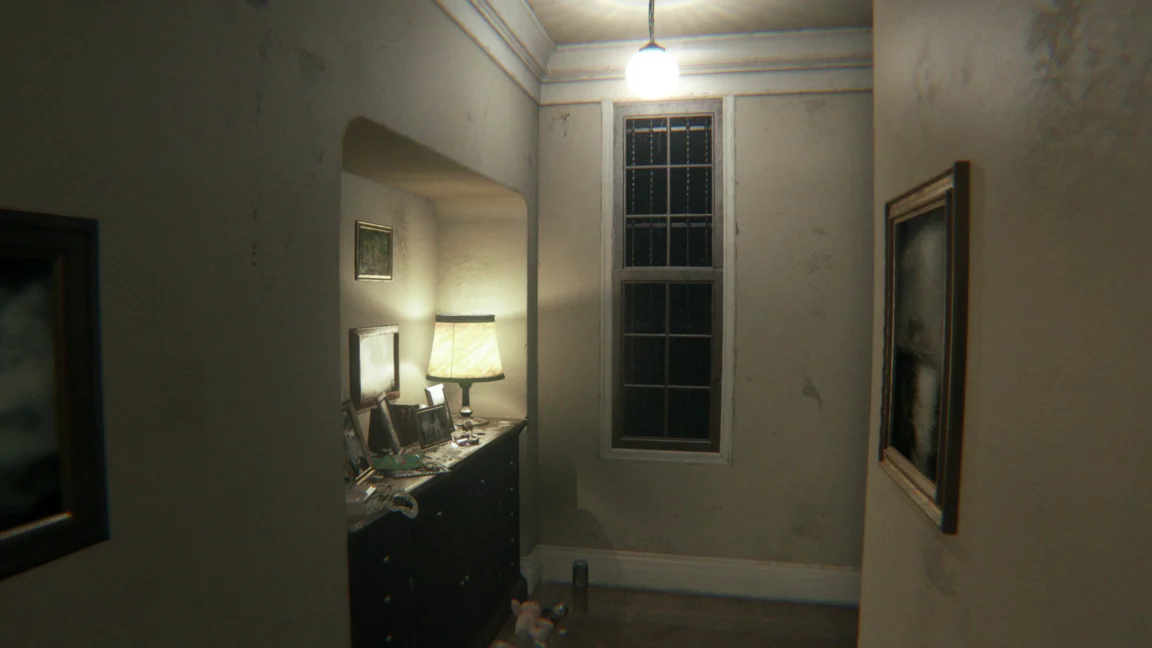
The history of video games is littered with "lost media," but few titles occupy as haunting a space in the collective consciousness as P.T., the "Playable Teaser" for the ill-fated Silent Hills. Released in 2014 by Hideo Kojima and Guillermo del Toro, the game became an instant horror classic before being unceremoniously scrubbed from the PlayStation Store by Konami. For a decade, it has remained a digital phantom—accessible only to those who own a PlayStation 4 with the original software still installed.
Now, a solo developer named Xavier is challenging that scarcity. Through years of meticulous reverse engineering and strategic use of artificial intelligence, he is building a fully functional port of the experience for modern hardware. While the project has sparked conversations about the ethics of AI in software development, it is primarily being hailed as a triumph of digital preservation.
The Genesis of a Digital Haunting: A Chronology
To understand the weight of Xavier’s undertaking, one must first understand the volatile history of P.T.
- August 2014: P.T. is released on the PlayStation Store as a "free-to-play" demo. Its cryptic puzzles and hyper-realistic aesthetic captivate the global gaming community, eventually being revealed as a teaser for a new Silent Hill game.
- April 2015: Following a public falling-out between Konami and Hideo Kojima, Silent Hills is officially cancelled. Shortly thereafter, Konami removes P.T. from the PlayStation Store, effectively making it impossible for new players to download the game.
- 2015–2023: The game enters a state of "cultural limbo." Resale prices for PS4 consoles with the game pre-installed skyrocket on eBay. Preservationists warn that as the original hardware decays, the experience of P.T. will eventually be lost to time.
- 2024: Xavier emerges as a prominent figure in the fan-preservation scene. Rather than utilizing "quick-fix" AI decompilers—a growing trend that often produces buggy, unreliable code—he opts for a manual, painstaking approach.
- Late 2024–Present: Xavier reveals that his port is nearing completion, confirming that his process involved deep-dive research into the proprietary Fox Engine, the technology that powered P.T. and Metal Gear Solid V.
Methodologies of Resurrection: The AI Debate
In an era where coding agents can generate entire applications with a simple text prompt, the gaming community has become skeptical of "fan ports." There is a valid fear that AI-generated software is a hollow shell, lacking the nuance of the original source code.
Xavier has been quick to distinguish his workflow from these automated trends. "I’ve spent years studying P.T. and the Fox Engine," Xavier explained in a statement on social media. He clarifies that his reliance on AI is strictly utilitarian. Rather than using large language models to "write" the game, he employs them as a sophisticated diagnostic tool.
"I use AI tools for debugging, troubleshooting, and investigating complex logic errors," he noted. By feeding specific, problematic snippets of code into AI models, he is able to accelerate the identification of bottlenecks that would otherwise take a human developer weeks to untangle. This hybrid approach—marrying deep human expertise with high-speed machine assistance—serves as a blueprint for how modern developers might tackle the restoration of complex, abandoned software.
The Philosophy of the Solo Developer
The labor required to port a game as visually and mechanically complex as P.T. is staggering. When asked about his motivations, Xavier emphasizes a lack of commercial incentive.
"I’m a solo developer making a free P.T. port because I love the game," he stated. "Nobody hired me or asked me to spend countless hours on this. I’m sharing something I worked incredibly hard on, simply because I want other people to enjoy it."
This ethos of "passion-driven development" stands in stark contrast to the corporate landscape of modern gaming, where intellectual property is fiercely guarded and legacy software is often left to rot. Xavier’s project is a form of digital activism; by refusing to let the game die, he is asserting that art should be accessible to those who wish to experience it, regardless of the original publisher’s corporate strategy.
Implications for Digital Preservation
The survival of P.T. is not just a win for horror fans; it is a vital case study for the field of digital preservation. As institutional archivists struggle to keep up with the pace of software obsolescence, independent developers are increasingly becoming the de facto guardians of gaming history.
The Problem with Hardware-Locked Media
The fragility of modern gaming is rooted in its reliance on specific, aging hardware. Henry Lowood, curator for the History of Science & Technology Collections at Stanford University Libraries, has long warned that this approach is fundamentally unsustainable.
"Personally… I think the hardware super-specific solutions are dead ends for preservation," Lowood told Ars Technica in 2015. "The kinds of equipment and hardware we have, the way they’re manufactured, just have a very small likelihood of surviving for super long periods of time."
Lowood’s assessment remains as accurate today as it was nearly a decade ago. If a game is tied to the physical capacitors and processors of a 2013-era PlayStation 4, it is functionally a ticking time bomb. When the last functional PS4 ceases to operate, the original P.T. will effectively cease to exist. By porting the game to a platform-agnostic environment, Xavier is effectively "migrating" the art to a format that can be emulated, shared, and preserved on future hardware.
The Ethical Landscape of Fan Ports
While preservation is the goal, the project exists in a legal gray area. Konami retains the rights to P.T., and they have historically been aggressive in protecting their intellectual property. However, the precedent set by fan-led preservation efforts—such as those for Star Wars: Galaxies or World of Warcraft private servers—suggests that as long as the project remains free and non-commercial, it may avoid the immediate wrath of corporate legal teams.
Nonetheless, the "Xavier Port" serves as a reminder that the industry needs a more formal framework for legacy software. If publishers are unwilling to re-release older titles, they must eventually reckon with the reality that the fan community will step in to fill the void.
Technical Challenges: Beyond the Surface
The Fox Engine, the technology behind P.T., was known for its photorealistic rendering and complex spatial audio—two features that were notoriously difficult to replicate without the original proprietary source code.
Xavier’s port faces several significant hurdles:
- Spatial Audio Reconstruction: P.T. relies on dynamic sound design to build tension. Recreating the "haunted house" acoustics requires a deep understanding of how the original engine handled sound triggers in 3D space.
- Lighting and Shaders: The game’s iconic "looping hallway" aesthetic is defined by its subtle lighting shifts. Recreating this in a modern engine like Unity or Unreal requires complex shader programming that mimics the original’s specific quirks.
- Physics and Scripting: The ghostly interactions are triggered by specific player movements and puzzle solutions. Any deviation from the original logic could "break" the game, rendering it an inaccurate representation of the source.
By utilizing AI for troubleshooting, Xavier is essentially "diffing" his work against recordings of the original game to ensure frame-perfect accuracy. This level of dedication elevates his project from a simple "remake" to a faithful, archival-quality reconstruction.
Conclusion: A Legacy Secured
The work Xavier is doing is about more than just a hallway and a ghost. It is about the fundamental right to access our cultural history. Video games are perhaps the most complex form of media ever created, requiring both the hardware and the software to be functional simultaneously. When corporations abandon their software, they are effectively erasing a piece of the cultural record.
Through his commitment to accuracy and his willingness to use modern tools to bridge the gap between yesterday’s code and tomorrow’s hardware, Xavier has provided a blueprint for the future of digital preservation. Whether the project remains in the shadows of the internet or is eventually absorbed into the broader discourse of game history, one thing is clear: P.T. is no longer just a memory. It is, once again, a playable reality.
As we look toward the future, the lessons learned from this port will undoubtedly influence how we save other "lost" games. We may not be able to stop the march of time, but through the efforts of developers like Xavier, we can at least ensure that the most significant chapters of gaming history are never truly forgotten.