This report is part of Modern Retail’s Supply Chain Weekly, a deep dive into the logistics and infrastructure trends reshaping the retail landscape.
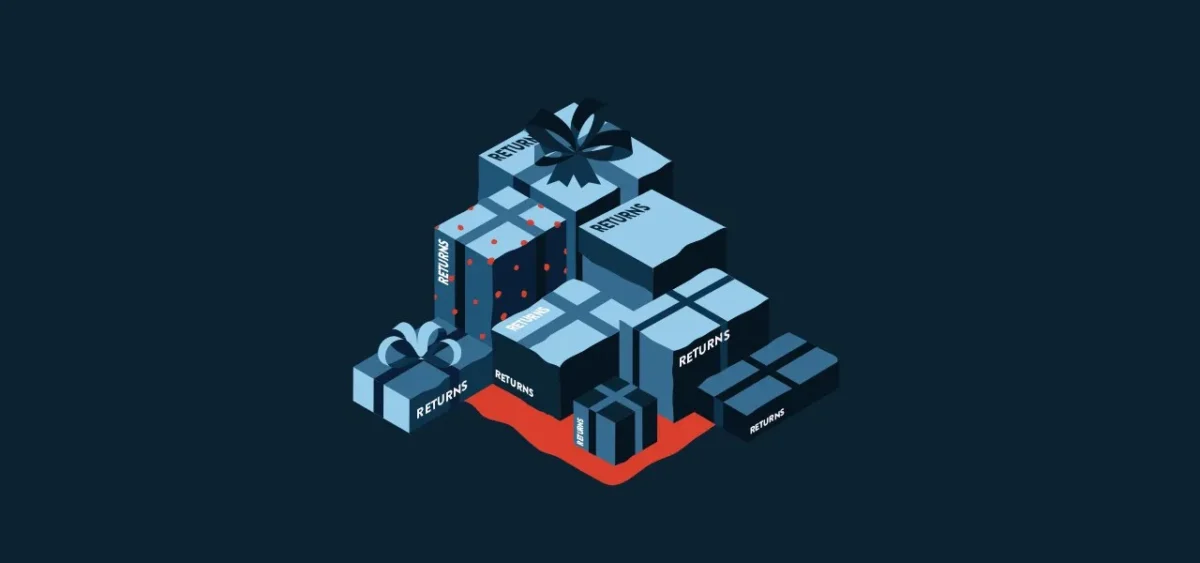
In the high-stakes theater of modern e-commerce, the battle for consumer loyalty is no longer won solely on product quality or pricing. Instead, the front line has shifted to the logistics of the "reverse supply chain." As U.S. consumers increasingly view a frictionless return process as a non-negotiable right rather than a luxury, digital marketplaces and delivery platforms are racing to integrate seamless, user-friendly return solutions into their core offerings.
The New Standard: Convenience as a Currency
For decades, the "Amazon effect" has conditioned shoppers to expect near-instant gratification and, conversely, painless returns. Now, giants like DoorDash and TikTok Shop are moving aggressively to match—and potentially exceed—those expectations to capture a larger share of the retail wallet.
In September, DoorDash launched a dedicated retail returns service, marking a significant pivot from its food-delivery roots toward a broader "mall in your pocket" strategy. The service offers a concierge-style experience: for a flat fee of $7.99, a DoorDash driver arrives at a customer’s doorstep within 30 minutes to collect pre-labeled packages. By eliminating the need for the customer to print labels, find boxes, or visit a post office, DoorDash is betting that consumers are willing to pay for the ultimate commodity—time. Currently available in select markets, the service is slated for a nationwide rollout by November, signaling the company’s intent to become a full-service logistics partner for the retail sector.
Simultaneously, TikTok Shop has deepened its commitment to physical-digital integration through a strategic partnership with Happy Returns. This integration allows shoppers to bypass traditional shipping methods by dropping off returns at one of 10,000 nationwide "Return Bar" locations. By leveraging an established physical footprint, TikTok Shop aims to transform its platform from a social discovery engine into a robust, full-funnel shopping destination.
Chronology of the Shift
The current focus on returns did not happen in a vacuum. It is the culmination of several years of evolution in the digital retail ecosystem:
- 2020–2021 (The Pandemic Surge): During the height of the pandemic, e-commerce adoption skyrocketed. Retailers, overwhelmed by volume, often opted to refund items without requiring returns, setting a dangerous, if popular, precedent for consumer expectations.
- 2022 (The Logistics Reality Check): As supply chain costs rose, the cost of processing returns began to bite into margins. Retailers scrambled to implement smarter logistics, including localized return centers and automated processing.
- 2023 (Marketplace Expansion): Platforms like TikTok Shop and DoorDash began aggressively recruiting major retailers—including Ulta, Best Buy, and The North Face—to their ecosystems. As their inventories grew, so did the necessity for a unified, reliable return infrastructure.
- Late 2024 (The Current Era): The focus has shifted from mere "processing" to "convenience-led retention." Retailers are now treating the return process as a marketing tool designed to protect conversion rates and drive repeat purchase behavior.
Supporting Data: Why Returns Drive Revenue
The shift toward simplified returns is backed by hard data. According to Brad Jashinsky, director analyst at Gartner, the Gartner Consumer Omnibus Survey reveals that a robust, consumer-friendly return policy is the primary reason 35% of U.S. consumers choose a specific shopping platform over its competitors.
The implications for conversion rates are clear. Retailers who actively advertise their return policies—placing them prominently on product pages and at the checkout screen—consistently see higher conversion rates. In a market where price sensitivity is high, the "safety net" of an easy return acts as a psychological lubricant, reducing the risk of a "blind" purchase.
The expansion of these platforms is not merely theoretical. TikTok Shop, for instance, has transitioned from a social media novelty to a massive e-commerce player, now surpassing eBay in terms of Gross Merchandise Volume (GMV). By integrating with established logistics partners like Happy Returns, TikTok is signaling that it is ready to compete with the likes of Amazon on the structural backend of retail.
Official Responses and Strategic Rationale
Industry leaders are vocal about the necessity of these moves. Regarding the TikTok Shop and Happy Returns collaboration, Patrick Nommenson, TikTok Shop’s president of strategic initiatives, noted: "Our collaboration with Happy Returns builds on our commitment to making the returns experience faster, hassle-free, and more trustworthy for our shoppers."
The strategic logic is to build "trust architecture." By making the return experience as seamless as the shopping experience, these platforms mitigate the fear of buyer’s remorse, which is particularly prevalent in the fashion and apparel categories that dominate TikTok Shop and DoorDash’s retail partnerships.
The Broader Landscape: Holiday Pressures and Inventory Management
As we look toward the final quarter of the year, the focus on supply chain efficacy extends beyond returns. Retailers are currently navigating a complex "omnichannel" environment.
Target’s "Luxe for Less" Strategy
Target has made headlines with its focus on aggressive holiday pricing, supported by a sophisticated supply chain strategy. During a recent presentation, Target executives highlighted their ability to leverage decades of sourcing and design to deliver high-quality goods at accessible price points, such as their $48 cashmere sweater. By controlling the supply chain from design to shelf, Target is attempting to maintain margins while providing the affordability consumers are demanding this season.
The Complexity of Multi-Marketplace Selling
For brands, the challenge of the current season is managing inventory across an increasingly fragmented marketplace landscape. As big-box retailers like Walmart, Target, and Nordstrom invite more third-party sellers, the operational burden on these brands has spiked.
Monil Kothari, founder of the jewelry brand Haus of Brilliance, emphasizes that the secret to survival in this environment is not just sales volume, but operational foundation. "Having a really good operational foundation goes such a long way, especially when you have two-day ship times and incredible volume," Kothari explains. "If your inventory doesn’t update and reflect that a piece has sold across multiple channels, you run the risk of overselling, which is a disaster for brand reputation."
Implications: The Future of Retail Logistics
The implications of these developments are twofold:
- The "Platformization" of Logistics: We are moving toward a future where the platform (DoorDash, TikTok, or Amazon) takes full responsibility for the logistics chain, including the "last mile" of the return. This removes the operational burden from the brand but shifts power further into the hands of the marketplace.
- Increased Operating Costs vs. Customer Lifetime Value (CLV): While services like DoorDash’s return pickup are currently fee-based, the pressure to offer "free and easy" returns will likely intensify. Retailers will have to balance the high cost of reverse logistics against the long-term benefit of customer loyalty.
As retailers prepare for the peak holiday season, the lesson is clear: logistics is no longer a background function. It is a critical component of the customer experience. Whether it is a $48 cashmere sweater or a high-end piece of jewelry, the speed, transparency, and ease with which a consumer can interact with the product—and return it—will define the winners of the next decade of retail.
To receive this weekly briefing in your inbox, sign up for the Modern Retail Supply Chain newsletter.