In the modern digital economy, the chasm between selling a physical product and marketing a digital course is profound. While an e-commerce brand selling sneakers or coffee equipment relies on the tangible quality of the goods to close a sale, the creator of a digital product operates in an ecosystem built entirely on intangible promises. When a customer buys a digital course, they aren’t purchasing a physical object; they are investing in a transformation, a skill set, or a shortcut to success.
For the digital entrepreneur, the email inbox is not just a marketing channel—it is the entire funnel. Without the tactile "shelf appeal" of a physical product, the email must do the heavy lifting of building authority, establishing credibility, and fostering an unbreakable sense of trust.
The Paradigm Shift: Why Digital Products Demand a Different Strategy
For traditional retail, email marketing is largely a retention mechanism. It is used to nudge customers back to a website, recover abandoned shopping carts, or announce seasonal sales. The product, once seen, often does the heavy lifting of conversion.
Conversely, for course creators and digital product entrepreneurs, email serves as the foundational infrastructure of the business. A subscriber typically enters the ecosystem through a podcast mention, a social media post, or a referral. They are curious but uncommitted. They opt-in for a free training or a lead magnet, and from that moment forward, the relationship is entirely dependent on the quality of the communication.
There is no retargeting pixel that can substitute for a well-crafted nurture sequence. In this arena, the creator is competing for attention in an increasingly crowded inbox. Success is defined by the ability to earn the subscriber’s trust week after week until the moment the pitch is made.
The Lead Magnet Fallacy: Moving Beyond the Initial Opt-in
A common failure point for many creators is the misconception that the "lead magnet"—the free checklist, webinar, or mini-course—is the destination. In reality, the lead magnet is merely the entry fee to a much longer, more complex conversation.
The lead magnet earns the opt-in; the welcome sequence earns the attention; the subsequent nurture content earns the sale.
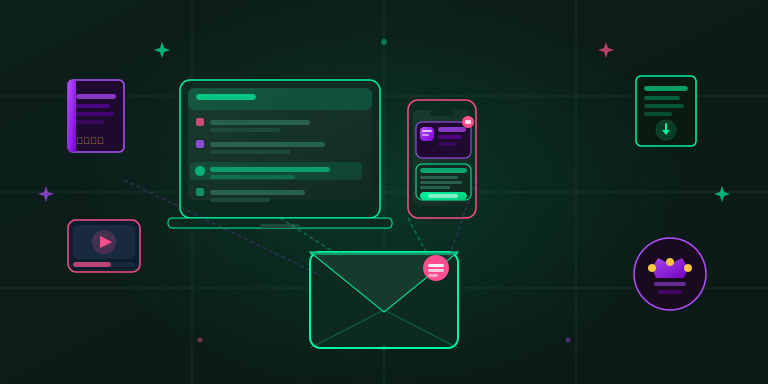
Foundr’s internal strategy serves as a prime example of this architecture. Their free trainings are not designed to be standalone products; they are the opening chapters of an ongoing dialogue. By the time a prospect considers a premium membership like Foundr+, they have already engaged with significant amounts of free, high-value content. This creates a bridge of trust, making the transition to a low-risk $1 trial or a full membership feel like a natural, logical progression rather than a high-pressure sales tactic. The goal is to remove every psychological barrier before the credit card is ever requested.
The Anatomy of a High-Conversion Nurture Sequence
A nurture sequence is not a mechanism for flooding an inbox; it is a strategic framework for progressive belief-building. To effectively move a subscriber, the messaging must follow a deliberate arc:
- Empathy and Identification: Start by acknowledging the specific, painful problem your audience is living with today. If the subscriber feels seen and understood, they are far more likely to continue reading.
- The Vision of Possibility: Once the problem is established, shift the focus to the "after" state. What does life look like once this challenge is resolved?
- The Evidence of Credibility: Introduce proof. This is where case studies, student results, and personal narratives come into play. People buy into systems that have already worked for others who look like them.
- The Logical Conclusion: By the time the course is finally mentioned, it should appear as the necessary tool to bridge the gap between their current problem and their desired future.
The length of this sequence should be directly proportional to the price point. A low-cost, $49 digital guide might convert with a three-to-four-email sequence. A flagship course or high-end membership, however, requires a longer runway—often six to ten emails delivered over several weeks—to establish the necessary authority and rapport.
Launch Strategy: Transitioning from Education to Urgency
When the cart opens, the tone must shift. The measured, value-first cadence of a nurture sequence is insufficient for the high-energy environment of a launch.
A launch is a finite window of opportunity, and the email content must reflect that urgency. During this phase, storytelling is the most effective vehicle for conversion. Instead of listing features, the emails should:
- Directly address objections: If the audience is busy, show them how to implement the course in 15 minutes a day. If they doubt their ability to succeed, share a story of a student who started with the same insecurities.
- Utilize authentic urgency: The most effective deadlines are real. If a discount expires or enrollment closes, it must truly close. Manufactured scarcity collapses under scrutiny; authentic, time-bound offers build integrity.
- Increase frequency: In the final 48 hours of a launch, daily communication is not just acceptable—it is expected. The prospects who are genuinely interested are often waiting for that final reminder to pull the trigger.
The Post-Purchase Experience: The Most Neglected Marketing Asset
The most critical mistake a course creator can make is to stop communicating once the sale is finalized. The post-purchase silence is where potential "superfans" go to die.
A simple check-in email sent one week after purchase, asking, "How are you getting on?" generates immense goodwill. It signals to the customer that the creator is invested in their success, not just their transaction. Furthermore, progress-based emails—which celebrate milestones or offer encouragement to students who have stalled—have a direct, measurable impact on completion rates.
Completion rates are the lifeblood of a digital business. A student who finishes a course and achieves a result becomes a powerful testimonial, a vocal advocate, and a repeat customer for future offerings. By focusing on the post-purchase experience, creators turn a single sale into a lifetime customer.
Implications for the Future of Digital Entrepreneurship
Building a business on an email list is perhaps the most resilient model available to modern entrepreneurs. Unlike social media reach, which is subject to the whims of shifting algorithms and platform policies, an email list is an asset that the creator owns.
The most successful creators are not those who blast the most content; they are those who master the timing and tone of their communication. They treat their email list as a community, not a spreadsheet of leads.
To facilitate this, platforms like Omnisend have emerged as essential partners. These tools allow for the automation of complex nurture flows, launch sequences, and personalized post-purchase follow-ups without requiring constant manual intervention. Through advanced segmentation, these tools ensure that the right message—whether it’s a helpful tip for a beginner or an advanced strategy for a long-time subscriber—reaches the right person at the precise stage of their journey.
Conclusion: Investing in the Long-Term Relationship
The future of the digital product industry lies in the sophistication of the relationship between creator and student. It is a business model that scales in direct proportion to the depth of trust built.
For those looking to migrate to more robust systems, the barriers to entry are lower than ever. Modern migration services—such as those offered by Omnisend—have streamlined the transition process, allowing creators to move entire libraries of lists, templates, and automated flows in as little as five days. This shift not only reduces operational costs—often by up to 35%—but also integrates high-conversion features like SMS and automated segmentation.
In an era of digital noise, the email remains the most intimate and effective channel for connection. For the creator who is willing to prioritize the subscriber’s journey over a quick sale, the reward is a durable, predictable, and highly profitable business that stands the test of time.