By Editorial Staff
October 10, 2024
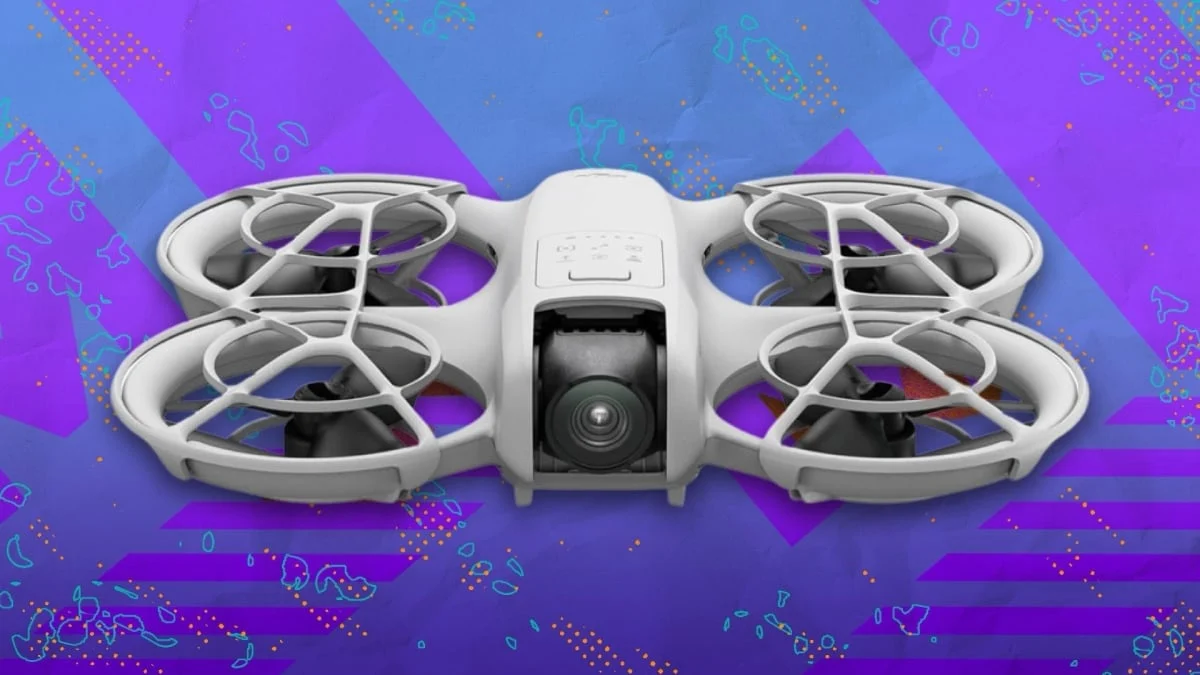
As the consumer technology landscape braces for significant shifts in international trade policy, a rare opportunity has emerged for drone enthusiasts. The DJI Neo 4K Mini Camera Drone, one of the most accessible and highly anticipated entry-level UAVs (Unmanned Aerial Vehicles) in recent memory, has plummeted to an all-time low price of $139.99 on Amazon. This represents a substantial 30% discount—a $60 reduction from its standard $199.99 retail price.
While the discount is a notable win for bargain hunters, the context surrounding this offer is equally significant. Recent legislative maneuvers in the United States concerning foreign-manufactured drone technology have cast a long shadow over the future availability of DJI products. For those who have been considering entering the world of aerial photography or looking for a compact, palm-launchable drone for recreational use, the current market dynamics suggest that the window for securing these devices at competitive prices may be closing.
Main Facts: The DJI Neo Deal
The current promotion on Amazon, active as of October 10, positions the DJI Neo as one of the most affordable 4K-capable drones on the market. According to price-tracking service camelcamelcamel, this $139.99 price point marks a record low for the unit.
The DJI Neo distinguishes itself from the wider DJI ecosystem through its ultra-compact form factor and emphasis on user-friendliness. Designed specifically for content creators and casual flyers, the drone features:
- Palm-Launch Capability: Designed to take off and land directly from the user’s hand, removing the need for a flat takeoff surface.
- 4K Video Quality: Despite its diminutive size, the Neo offers high-resolution video capture suitable for social media and hobbyist videography.
- Intelligent Flight Modes: It includes various "QuickShots" modes, such as circular, helical, and boomerang flight patterns, allowing for cinematic shots without requiring advanced pilot skills.
- Voice Control: Integration with the DJI app allows for hands-free operation, adding a layer of convenience for solo creators.
Chronology: The Road to Regulatory Uncertainty
The backdrop of this sale is defined by a rapidly evolving legal landscape. To understand why a discount on a popular consumer drone is being treated with a sense of urgency by industry analysts, one must look at the recent timeline of U.S.-China technology relations.
The Legislative Push
Over the past several years, the U.S. government has increasingly scrutinized the supply chains of consumer technology, with a particular focus on drones. DJI, which holds a dominant share of the global consumer drone market, has frequently been at the center of these discussions.
- Early 2022: Concerns regarding data security and potential links between Chinese manufacturers and military entities began to materialize in congressional hearings.
- Mid-2023: Federal agencies began implementing stricter guidelines for drone procurement, effectively blacklisting certain Chinese manufacturers from government contracts.
- September 2024: The U.S. House of Representatives passed legislation—the Countering CCP Drones Act—which seeks to prohibit the future operation and import of DJI drones within the United States. While the bill still requires Senate approval and presidential signature to become law, the sentiment in Washington has shifted decisively toward a restrictive stance.
This legislative momentum has created an environment of "pre-emptive scarcity." Consumers and retailers alike are reacting to the possibility that the supply chain for DJI products could be severely curtailed or cut off entirely in the coming months.
Supporting Data: Market Trends and Pricing
The drone market has historically been characterized by steady price points, with discounts typically tied to seasonal sales events like Black Friday or Prime Day. However, the current pricing behavior for the DJI Neo is anomalous.
Data from consumer research platforms indicates that when news of potential import bans reaches the mainstream, consumer demand spikes, often leading to price inflation rather than discounts. The current $60 price drop is, therefore, a strategic maneuver. Retailers are likely moving inventory to capitalize on current demand before the legal landscape forces a change in their product offerings.
From a value-for-money perspective, the Neo’s current price of $139.99 is difficult to beat. Competitive drones in this price bracket often lack the sophisticated stabilization software and obstacle avoidance systems that DJI has refined over a decade of industry leadership. For the average consumer, this price point transforms the Neo from a "luxury gadget" to an "impulse buy," which is likely the intended effect of the current promotion.
Official Responses and Industry Implications
The stance from Washington remains firm, centered on national security concerns. Proponents of the legislation argue that the software and hardware components within these drones could potentially be used to transmit sensitive geographical data or imagery to foreign servers.
DJI has consistently denied these allegations. In several public statements, the company has emphasized that it does not manufacture drones for military use and that its products are designed strictly for hobbyists, photographers, and enterprise users. DJI has maintained that they adhere to the privacy laws of every country in which they operate and that they do not have access to the data captured by their users.
Despite these assurances, the industry at large is preparing for a "post-DJI" market. Several domestic and alternative international drone manufacturers are currently vying to fill the vacuum that would be left should a full ban take effect. However, critics of the legislation argue that these alternatives are often significantly more expensive and less user-friendly than the DJI products they seek to replace, potentially stifling innovation and growth in the domestic drone economy.
Implications for the Consumer
If you are a prospective buyer, the implications of these developments are twofold:
1. The Value Proposition
At $139.99, the DJI Neo offers a feature set that is technically unmatched for the price. If you are interested in aerial photography, learning to fly, or capturing unique perspectives for video projects, this price point lowers the barrier to entry significantly. Even if the device eventually becomes a legacy product due to software updates or service limitations, the hardware itself remains functional and highly capable.
2. The Risk of Future Scarcity
The primary risk for the consumer is not just the potential for a price increase, but the potential for a lack of support. Should a ban be enacted, the ecosystem surrounding these drones—including spare parts, battery replacements, and app support—could become difficult to navigate. Consumers must weigh the immediate benefit of a high-quality, discounted product against the long-term reality of potential regulatory hurdles.
Final Assessment: Should You Buy?
The current discount on the DJI Neo is a rare intersection of a product cycle hitting its stride and an external market force creating artificial urgency. For those who prioritize immediate utility and the current, proven technology of the DJI ecosystem, the $139.99 price tag is a compelling offer.
However, it is vital to approach the purchase with eyes wide open. We are in a transitional period for the global drone industry. If you decide to take advantage of this deal, you are investing in a piece of hardware that is currently at the top of its class, but you are doing so within a geopolitical environment that is increasingly skeptical of the technology.
As the retail sector prepares for the upcoming holiday shopping season, it is unlikely that we will see deeper discounts on such a high-demand item. Whether this represents the "last call" for affordable, top-tier drone technology remains to be seen, but for now, the data suggests that those who want a DJI Neo would be wise to secure one while the current inventory remains available and the price remains historically low.
Disclaimer: This article contains affiliate links. Mashable may receive a commission for purchases made through these links. The information provided is for informational purposes and does not constitute financial or legal advice.