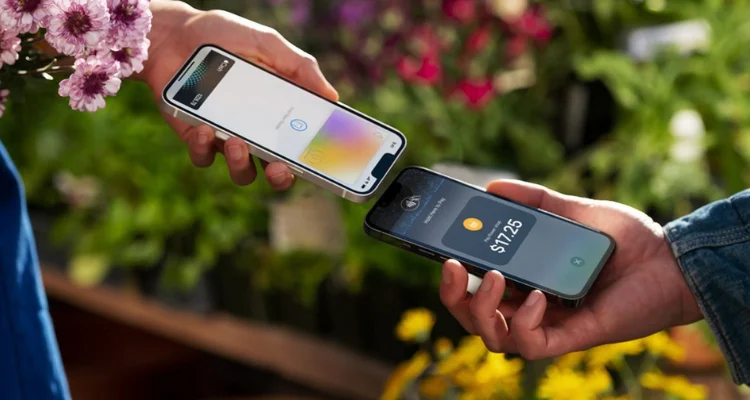
In a landmark move for South Africa’s burgeoning fintech ecosystem, Apple has officially launched its "Tap to Pay on iPhone" service. This development marks a significant shift in the country’s retail landscape, effectively transforming the smartphone into a sophisticated point-of-sale (POS) terminal. By removing the dependency on bulky, expensive, and often unreliable dedicated hardware, Apple is poised to democratize access to digital payments for thousands of small and medium-sized enterprises (SMEs) across the nation.
The launch, executed in strategic partnership with local payment giants Yoco and iStore Pay, signals a deeper integration of Apple’s financial services infrastructure within the African market. For merchants, the transition is seamless: any iPhone Xs or newer running the latest version of iOS can now accept contactless payments, including debit cards, credit cards, digital wallets, and even wearable devices like smartwatches.
The Core Mechanics of Tap to Pay
The technology leverages the iPhone’s built-in Near Field Communication (NFC) capabilities. By integrating with compatible iOS applications provided by partners, the phone’s hardware securely authenticates a transaction when a customer places their contactless card or device within close proximity to the merchant’s iPhone.
This eliminates the "dongle era," where mobile merchants were forced to purchase, charge, and maintain external card readers that frequently suffered from connectivity issues. Under the new framework, the payment process is streamlined, intuitive, and—critically—hardware-agnostic for the merchant, provided they already own a compatible Apple device.
Chronology of a Digital Shift
The arrival of Tap to Pay on iPhone in South Africa is the culmination of a broader global strategy that has seen Apple systematically expand its financial footprint.
- Global Foundations: Apple first introduced Tap to Pay in the United States in early 2022. The technology was met with immediate enthusiasm, as it provided a lifeline to post-pandemic businesses looking to reduce physical contact and operational costs.
- International Expansion: Throughout 2023, Apple expanded the service to key markets including the United Kingdom, Australia, Brazil, and several European nations. Each rollout was carefully orchestrated through partnerships with local payment service providers (PSPs) and banking institutions.
- The South African Context: South Africa has long been a leader in digital payments on the continent, with high penetration of contactless cards and a thriving mobile banking sector. The groundwork for this launch was laid by local innovators like Yoco, which spent years educating the informal market on the value of card acceptance.
- The Official Launch: In the current quarter, Apple formally activated the infrastructure in South Africa. By partnering with Yoco and iStore Pay, Apple ensured that the transition was backed by established local entities that understand the unique regulatory and technical requirements of the South African retail environment.
Supporting Data: Why This Matters
The South African retail sector is characterized by a "dual economy"—a formal sector supported by sophisticated retail chains and an expansive, vital informal sector. According to recent industry data, a significant portion of South African SMEs still operate on a cash-only basis, primarily due to the high costs associated with traditional POS terminals and the complexity of banking integration.
Cost Reduction and Financial Inclusion
The economic implications for small businesses are profound. Traditional card terminals often come with monthly rental fees, maintenance costs, and transaction-specific surcharges. By utilizing existing hardware, merchants can potentially reduce their overheads significantly.
Data from international markets where Tap to Pay has been deployed suggests that businesses adopting software-based payment acceptance see an increase in average transaction values. Customers are more likely to make impulse purchases when they know they can pay via a mobile wallet or a quick "tap" of their card, rather than being forced to find an ATM to withdraw cash.
The Role of NFC Technology
The backbone of this innovation is NFC, a short-range wireless communication technology. The security protocols governing NFC payments are robust, ensuring that the exchange of data between the customer’s card/device and the merchant’s iPhone is encrypted. As the market moves away from magnetic stripe cards—which are prone to fraud—toward chip-and-PIN and contactless NFC cards, the infrastructure provided by Apple aligns perfectly with the global migration toward safer, more secure transaction methods.
Official Responses and Strategic Partnerships
The launch is not a solo effort. Apple’s decision to partner with Yoco, a household name in South African fintech, highlights the importance of local expertise.
"We are thrilled to be at the forefront of this shift," said a spokesperson for Yoco. "By integrating Tap to Pay, we are empowering our merchants to accept payments anywhere their business takes them—from the market stall to the boutique shop—without the need for extra gear. It’s about removing friction from the economy."
iStore Pay has also touted the move as a natural extension of their commitment to the Apple ecosystem. By providing the software layer that makes the transaction possible, they are helping to ensure that the user experience is as smooth as possible for both the buyer and the seller.
Security: The "Secure Element" Paradigm
One of the most persistent concerns regarding digital payments is security. Apple has addressed these concerns by positioning the iPhone’s "Secure Element" as the heart of the transaction.
The Secure Element is a specialized chip that is physically and logically isolated from the rest of the phone’s operating system. When a payment is initiated, the encrypted data never touches the iPhone’s main processor or Apple’s servers.
Apple has explicitly stated:
- Encryption: All transactions are encrypted at the point of sale.
- Zero-Storage Policy: Apple does not store card numbers or transaction history on its servers.
- Privacy-First Design: The customer’s payment data is protected by the same security architecture that powers Apple Pay, which is widely considered one of the most secure payment methods in the world.
This architecture ensures that even in the event of a device being compromised, the payment credentials remain locked behind a hardware-based wall, providing peace of mind for both the merchant and the consumer.
Implications for the Future of South African Commerce
Disrupting the Traditional POS Market
The arrival of Tap to Pay on iPhone will likely force traditional POS providers to re-evaluate their business models. If hardware is no longer the "gatekeeper" to card acceptance, providers must compete on software features, analytics, and merchant support services. This competitive pressure will likely lead to lower costs and better services for the average South African trader.
Accelerating the Move Toward a Cashless Society
South Africa’s National Treasury and the South African Reserve Bank have long encouraged the move toward digital payments to increase financial transparency and reduce the risks associated with carrying physical cash. The ease of use offered by Apple’s solution could be the catalyst needed to bring the last of the cash-reliant informal businesses into the formal digital economy.
Expanding the Scope of Financial Services
While current support is limited to Mastercard and Visa, the ecosystem is set to grow. Support for American Express is already on the roadmap, and as more digital wallets and payment platforms integrate with Apple’s API, the versatility of the iPhone as a financial tool will only increase. We may soon see features like split-payments, loyalty program integrations, and advanced inventory management tools all tied directly into the checkout process on an iPhone.
Conclusion: A New Era for Retail
The launch of Tap to Pay on iPhone in South Africa is more than just a software update; it is a fundamental reconfiguration of how business is conducted. By stripping away the need for proprietary hardware, Apple is lowering the barriers to entry, fostering innovation, and securing the digital payment landscape.
For the street-side artisan, the mobile food vendor, or the small business owner in a shopping center, the iPhone has evolved from a communication device into a comprehensive business partner. As South Africa continues to navigate its digital transformation, the impact of this technology will undoubtedly be felt in the increased efficiency, security, and economic inclusion of its diverse and vibrant commercial sector. The era of the "tap" is here, and for the South African merchant, the future of commerce is now literally in their hands.