
Artificial intelligence (AI) is no longer a peripheral experiment in climate science; it has rapidly matured into a cornerstone of modern meteorological and climatological research. From the deployment of hyper-efficient weather forecasting systems to the automated analysis of vast satellite datasets, AI is fundamentally altering how humanity monitors, models, and responds to a warming planet.
However, this technological leap is accompanied by profound questions regarding reliability, equity, and the preservation of scientific rigour. As researchers move toward integrating machine learning into the most critical infrastructure of global climate policy, the scientific community is grappling with a central tension: how to harness the immense predictive power of AI without compromising the physical principles that have anchored climate science for decades.
Main Facts: The Intersection of Computation and Climate
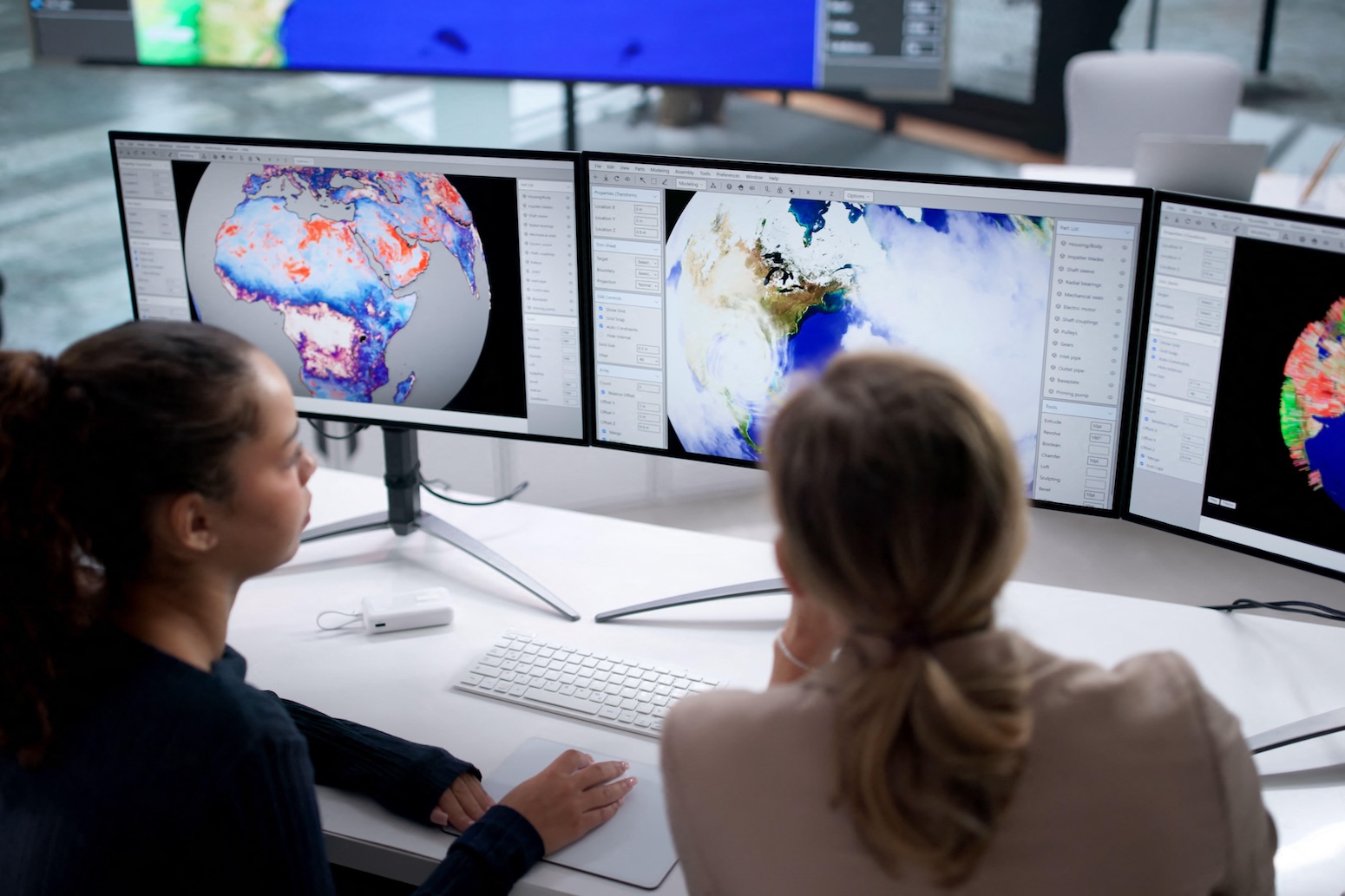
The current surge in AI-driven climate research is marked by a shift from traditional, equation-heavy numerical models to "data-driven" or "hybrid" approaches. Numerical models rely on the fundamental laws of physics to simulate the atmosphere, which is computationally expensive and time-consuming. Conversely, machine learning models—trained on decades of observational data—can generate accurate forecasts in a fraction of the time and at a significantly lower energy cost.
Recent breakthroughs include:
- Operational Integration: Major meteorological institutions, including the European Centre for Medium-Range Weather Forecasts (ECMWF), have begun integrating AI-based forecast systems alongside traditional numerical models.
- Geospatial Intelligence: AI is being utilized to interpret "raw" satellite data, enabling the near real-time detection of methane leaks, illegal deforestation, and glacial retreat.
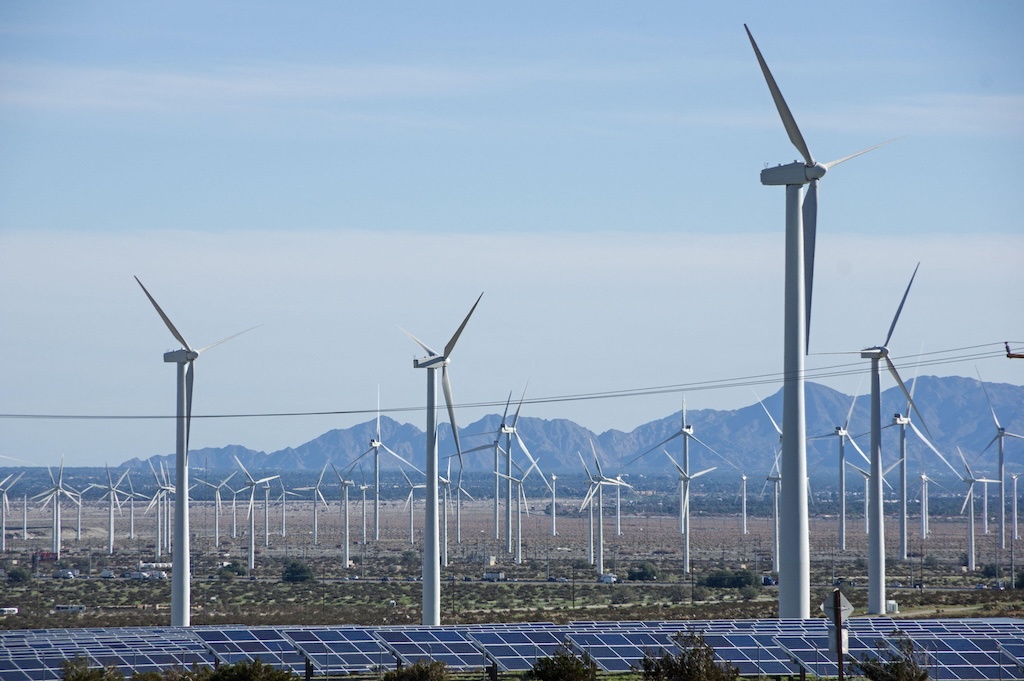
- Grid Optimization: Beyond forecasting, AI is playing a vital role in the transition to renewable energy, helping to balance power grids by optimizing the integration of intermittent solar and wind energy.
Chronology: A Rapid Evolution
The timeline of AI in climate science has accelerated dramatically over the past several years.
- Pre-2020: Climate science primarily utilized AI for narrow, specific tasks, such as pattern recognition in satellite imagery. Traditional numerical models remained the sole standard for global climate projections.
- 2021-2023: The emergence of advanced deep-learning systems—such as "Ice Net" for Arctic sea ice forecasting—demonstrated that AI could outperform traditional models in specific, localized scenarios.
- 2024-2025: The "AI renaissance" in meteorology reached a tipping point as leading global forecasting centers began deploying operational AI systems. The speed at which new architectures (like diffusion and foundation models) migrate from computer science labs to climate research labs dropped from years to mere months.
- 2026: The Intergovernmental Panel on Climate Change (IPCC) formally established an "informal group" on AI, signaling a shift toward integrating these technologies into the rigorous assessment processes of the seventh (AR7) and eighth assessment reports.
Supporting Data: The Efficiency Paradox
The primary driver for AI adoption is the "efficiency dividend." Dr. Doug McNeall, science lead in data-driven climate modelling at the UK Met Office, notes that AI weather-prediction models can simulate the atmosphere with far less computing power than legacy models. This shift effectively lowers the barrier to entry, allowing researchers in data-poor regions to generate high-resolution climate insights using modest hardware.

However, this efficiency is balanced against the "truthiness" problem. Dr. William Collins of the University of East Anglia warns that AI models are designed to provide an answer—and they will always do so, even when the underlying data is insufficient or the physical logic is flawed. While traditional models are often "wrong" in specific ways, they are built on established physics; AI models are often "black boxes" that produce highly plausible but potentially invalid predictions.
Official Responses and Scientific Governance
The global climate science community is moving toward a framework of "responsible AI." The World Climate Research Programme (WCRP) has launched a task team dedicated to ensuring the scientific rigour and trustworthiness of machine learning methods.
In September 2026, the IPCC’s move to establish guidance on AI usage marked a milestone. The goal is to move beyond the excitement of "proof of concept" to a standardized system of evaluation. As Prof. Cristiana Stan, vice-chair of the WCRP, suggests, the current challenge is not just whether AI works, but how we measure its performance relative to physics-based models. This is particularly vital for the Coupled Model Intercomparison Project (CMIP), which is now incorporating AI-driven code alongside traditional simulations to refine our understanding of future climate trajectories.
Implications: Risks, Ethics, and the Future of Policy
The integration of AI into climate science carries significant implications that extend well beyond the laboratory.
The Risk of "Black Box" Governance
As AI becomes more involved in policy-relevant research, the issue of transparency becomes paramount. If policymakers rely on AI-generated projections, they must understand the limitations of those models. Dr. Carlos Rodriguez-Pardo notes that high-resolution outputs can appear deceptively precise. Without "well-calibrated uncertainty estimates," there is a danger that AI will provide a false sense of security regarding extreme weather events or tipping points.
Exacerbating Inequalities
A major concern voiced by experts like Dr. Amirpasha Mozaffari is that "frontier" AI models are predominantly developed in the Global North, trained on data from regions with the most robust sensor networks. This risks "automating and amplifying" existing disparities. If a model is trained primarily on Western datasets, its ability to predict impacts in the Global South—where vulnerability to climate change is highest—may be fundamentally flawed.

The "Silver Bullet" Fallacy
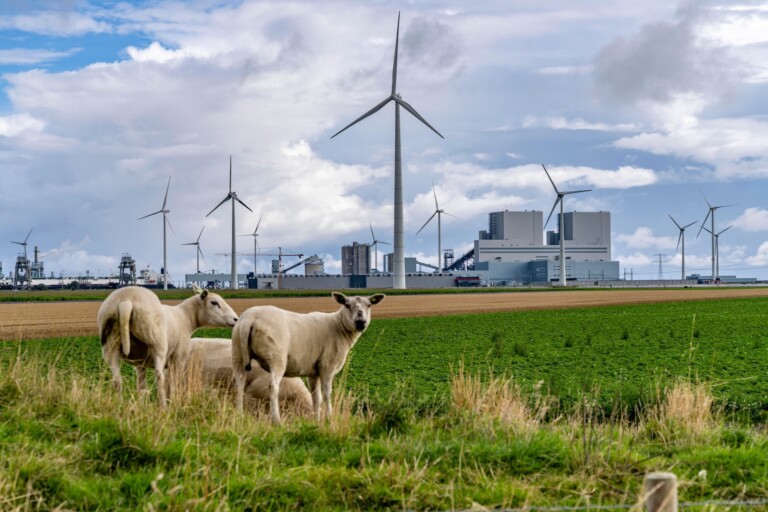
Dr. David Rolnick of McGill University cautions against the common misconception that AI is a "silver bullet" for the climate crisis. There is a persistent danger that the hype surrounding AI could distract from the necessary political and social action required for mitigation. Furthermore, the massive energy and water consumption associated with the data centers that power large-scale AI models creates a negative environmental footprint that must be factored into the overall climate impact of these technologies.
The Path Forward: Hybrid Modelling
The most promising path identified by researchers is the move toward "hybrid modelling." By merging the mathematical, physics-based rigour of Earth system models with the speed and pattern-recognition capabilities of AI, scientists hope to solve the computational bottlenecks that have previously hidden the reality of non-linear tipping points and terrestrial carbon sinks.
Conclusion: Augmentation, Not Replacement
Ultimately, the consensus among the scientific community is that AI should serve to augment human judgment, not replace it. As Dr. Carlos Rodriguez-Pardo concludes, AI is a tool for the entire climate policy cycle—from measurement and modeling to the evaluation of policy success.
The next decade will be defined by how well the scientific community integrates these tools. If handled with transparency, open-source collaboration, and a commitment to global equity, AI could revolutionize our ability to predict and prepare for a volatile climate. If managed poorly, it risks creating a future where our climate data is faster, but our understanding of the underlying truths is increasingly obscured by the digital models we built to explain them.
The transition to an AI-augmented climate science is now inevitable. The task for the coming years is to ensure that while we embrace the speed of the machine, we remain grounded in the physical reality of the planet we are trying to save.