In a landmark live event held this week—its first in-person keynote in two years—Microsoft has signaled a fundamental shift in the trajectory of personal computing. The company’s latest announcements move beyond mere cloud-based AI integration, instead ushering in a new era of "Hybrid Intelligence." By unveiling the powerful Surface Laptop Ultra and the niche, high-performance Surface RTX Spark Dev Box, Microsoft is betting that the future of artificial intelligence lies not just in remote data centers, but in the local hardware sitting on our desks.
The Hardware: Defining the New Frontier
Microsoft’s latest hardware offerings represent a radical departure from traditional ultrabook designs, specifically targeting the intersection of developer productivity and high-end graphical output.
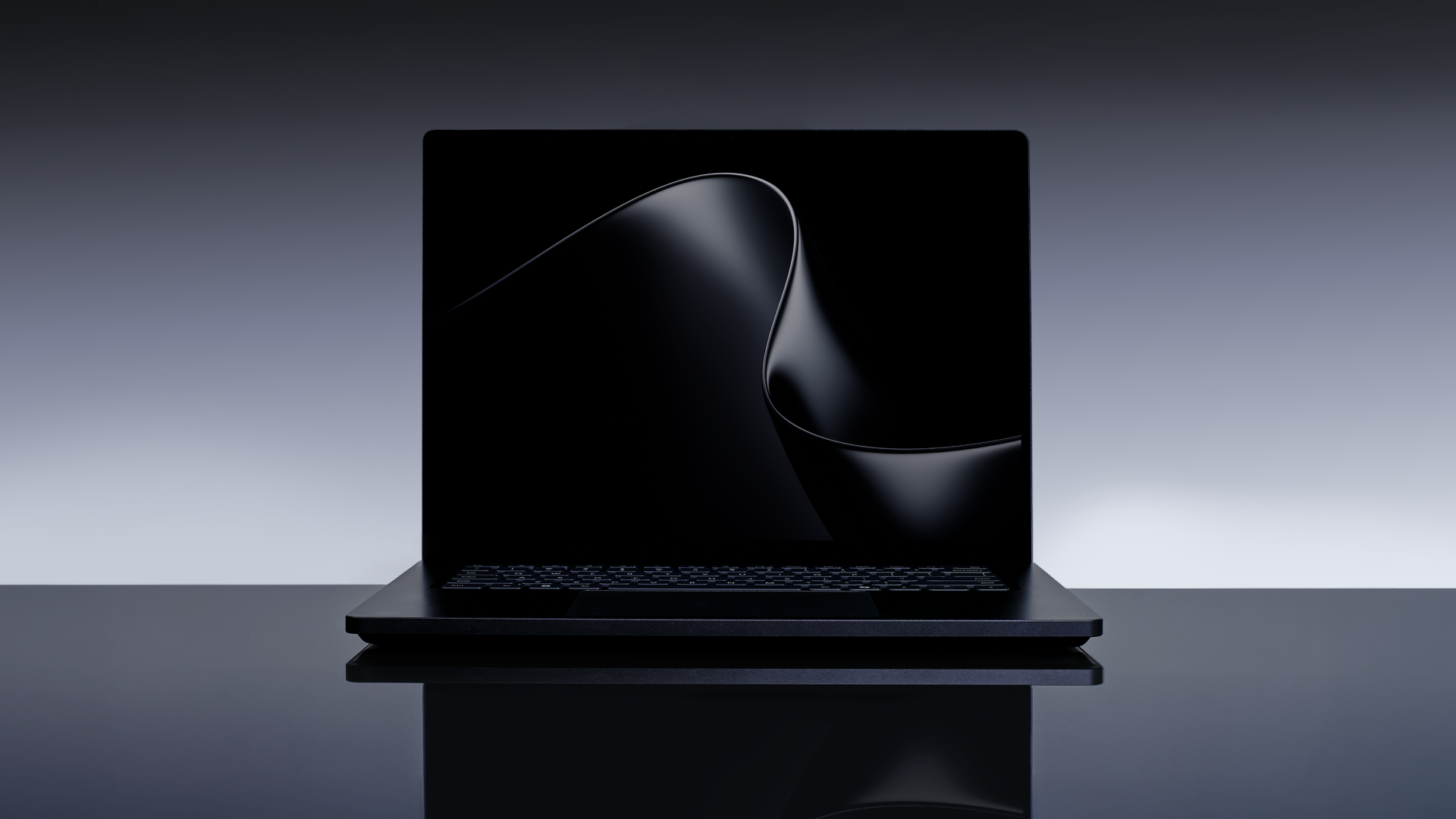
The Surface Laptop Ultra
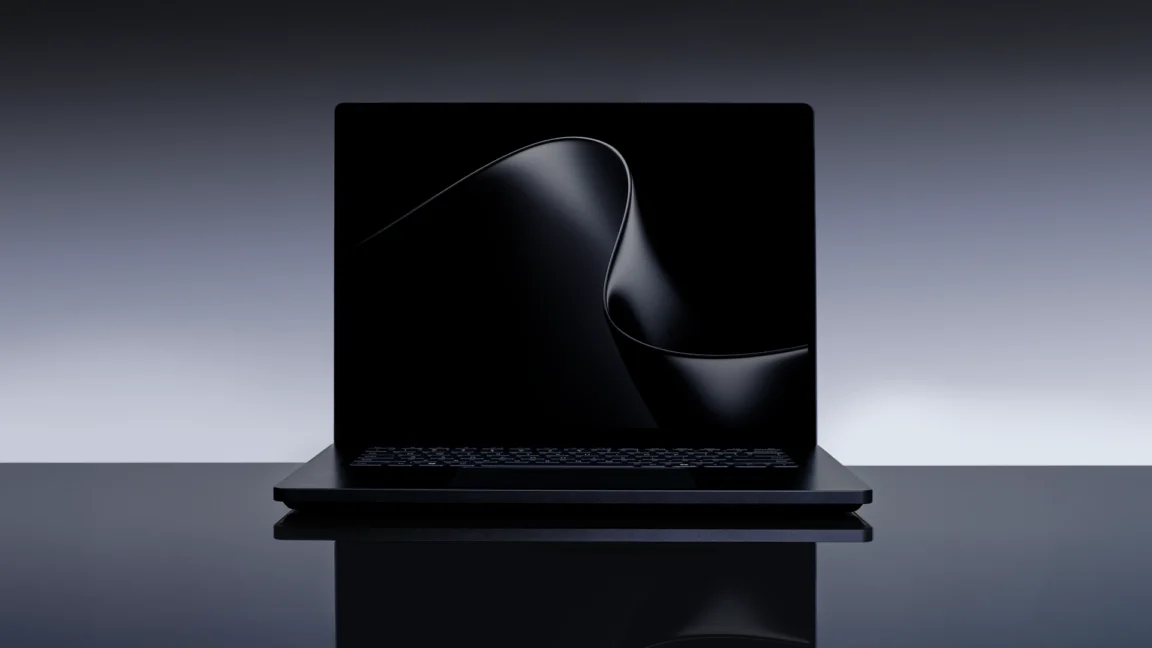
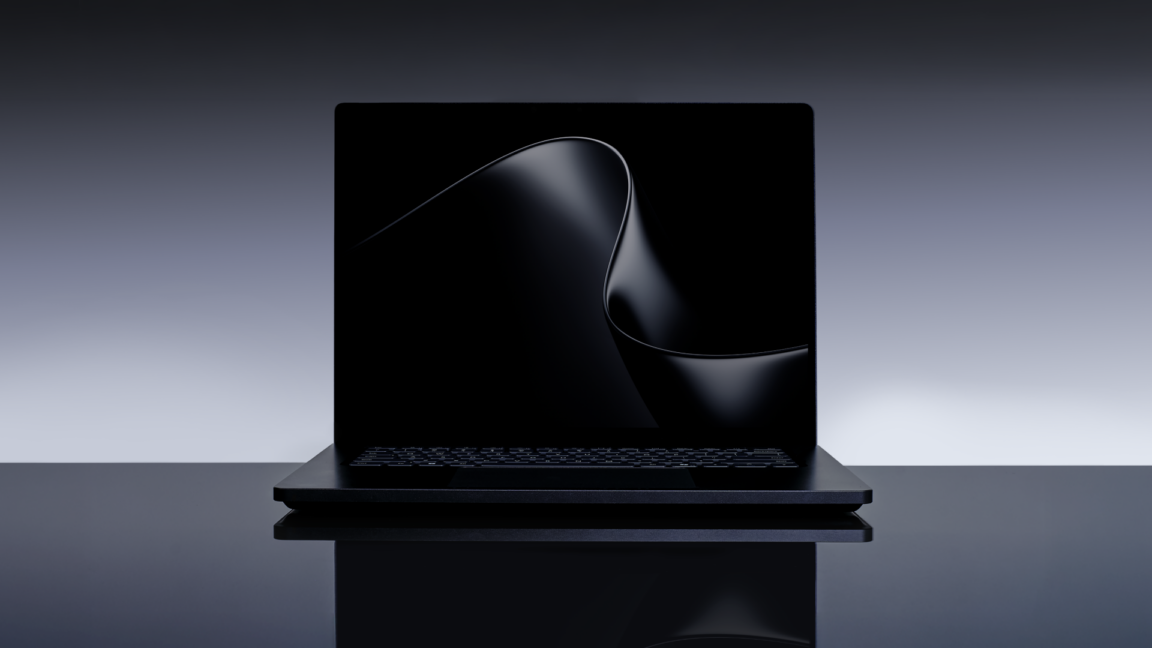
Teased back in May 2026, the Surface Laptop Ultra is now a reality. Starting at $2,599, it is the first device to harness the raw power of the Nvidia RTX Spark system-on-a-chip (SoC). This is not an iterative update; the Ultra is a powerhouse designed to challenge the status quo of laptop performance.
The device features an impressive array of configurations, utilizing Blackwell GPU architecture with either 5,120 or 6,144 cores. Perhaps more importantly, it abandons the constraints of traditional discrete VRAM. By leveraging up to 128GB of unified LPDDR5x memory, the Ultra allows developers to offload massive AI models directly onto the hardware. During the demonstration, Microsoft showcased the upcoming Gears of War: E-Day running natively, proving that these AI-focused machines are just as capable of handling AAA gaming as they are at compiling complex neural networks.
The RTX Spark Dev Box
For those requiring more than a portable machine, Microsoft introduced the Surface RTX Spark Dev Box. Priced at $5,999, this anodized aluminum unit is a testament to form following function. Visually reminiscent of a high-end console—complete with 1,000 precision-cut air vents—the device is built for "frontier developers." It packs 128GB of unified memory and is pre-configured with a specialized version of Windows 11, optimized specifically for local AI training and inference. Microsoft claims the device reaches a staggering one petaflop (1,000 teraflops) of AI compute performance, effectively putting a small-scale server cluster on a developer’s desk.
Chronology of the Announcement
- May 2026: Initial teasers for the "Spark" architecture emerge, sparking speculation about Microsoft’s collaboration with Nvidia.
- October 7, 2026: Microsoft officially announces the Surface Laptop Ultra and RTX Spark Dev Box, detailing the integration of "Hybrid Intelligence" into Windows 11.
- October 16, 2026: The scheduled shipping date for the first wave of Surface Laptop Ultra units.
- Late 2026: Expected rollout of the major Windows 11 update, introducing the new Copilot architecture and system-level search enhancements to the general public.
Supporting Data and Technical Specs
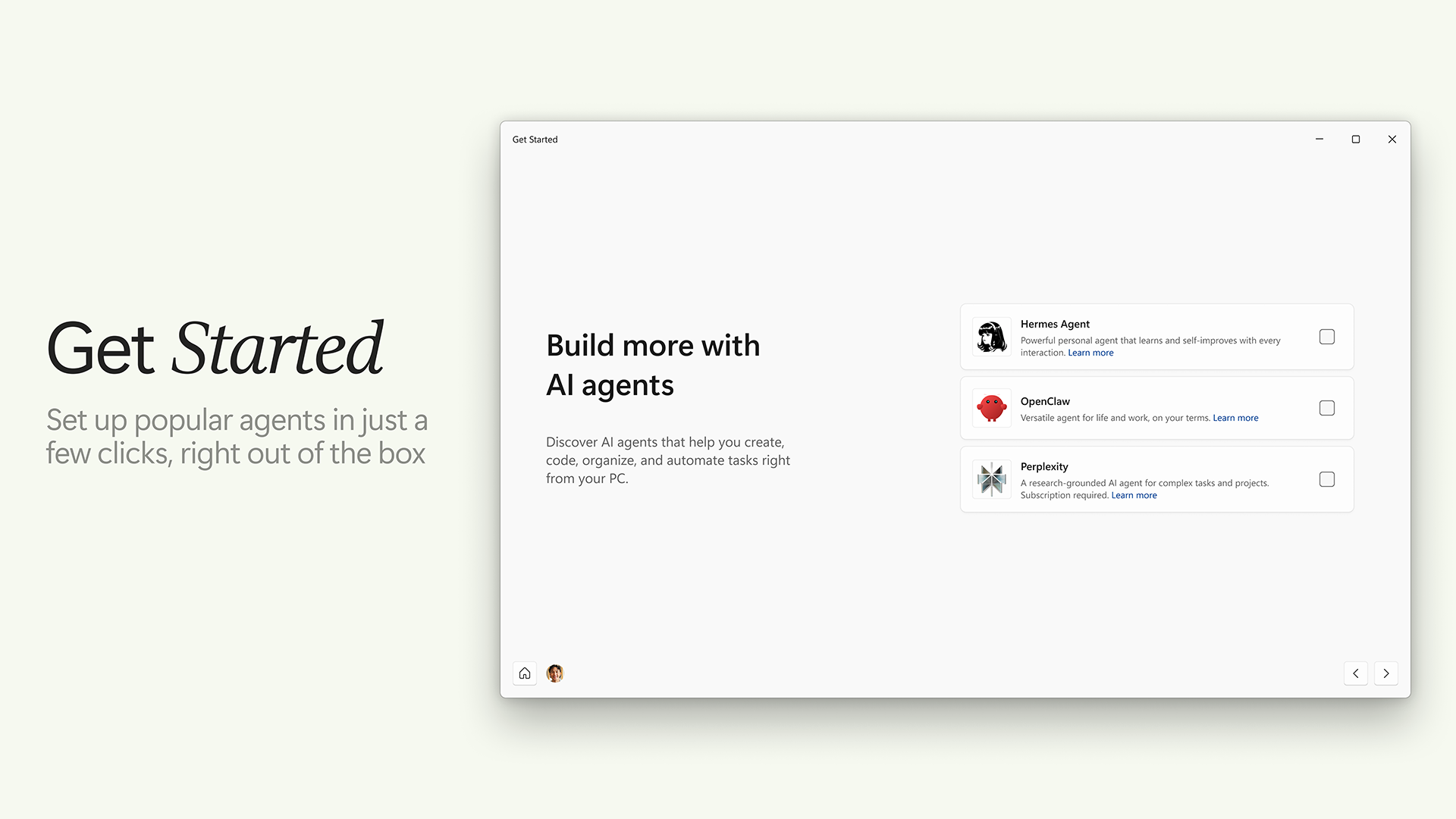
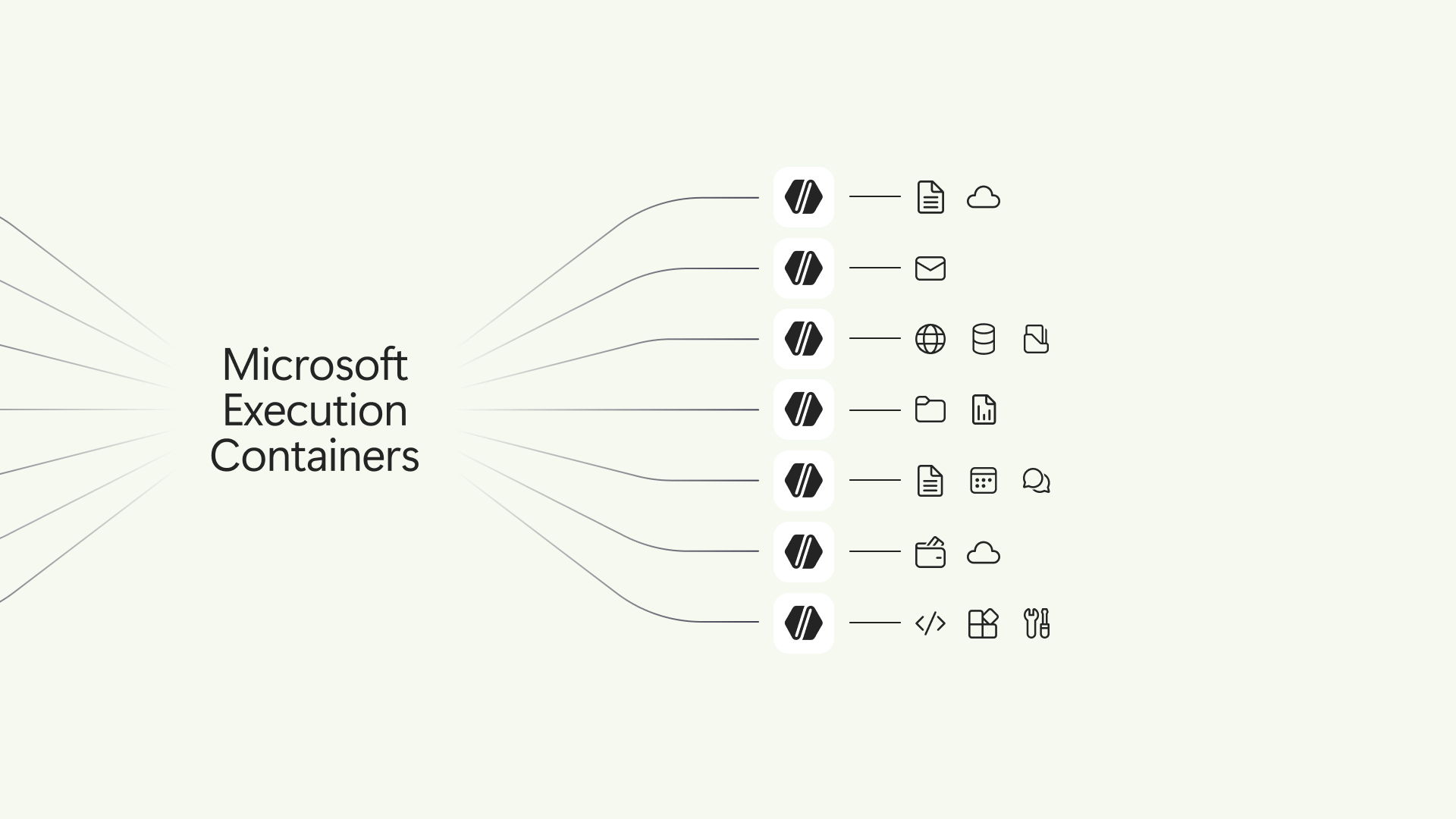
The move toward local AI is supported by a sophisticated software stack. Microsoft is shifting from a purely cloud-dependent AI model to one that relies on local "Execution Containers."
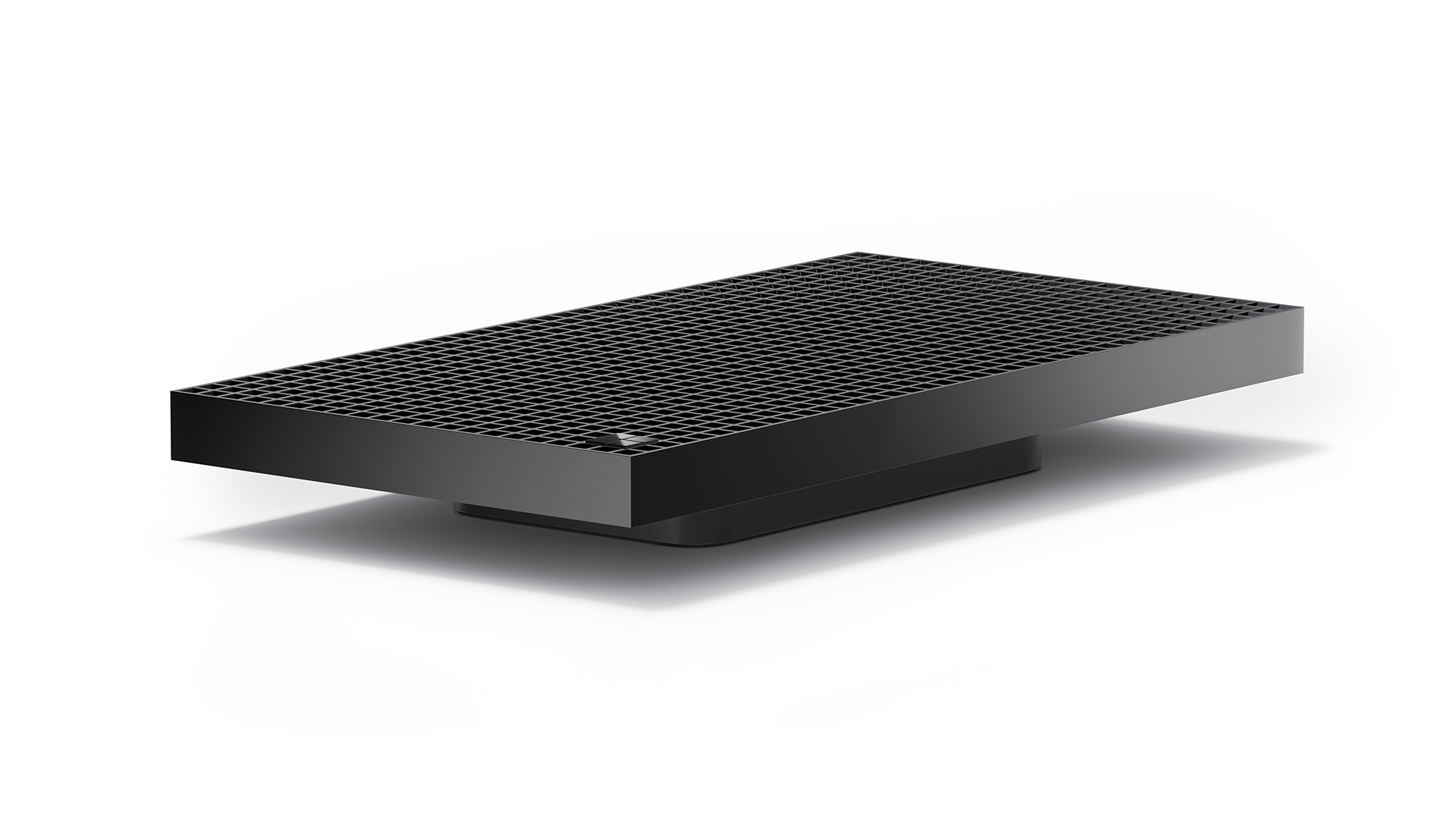
- Compute Performance: The RTX Spark Dev Box reaches 1,000 teraflops, enabling real-time local model testing that was previously impossible without massive enterprise-grade hardware.
- Memory Architecture: The shift to unified memory allows for massive model parameter loading, supporting local execution of models like the Deepseek series and Nvidia’s own Nemotron family.
- Security Framework: The introduction of Microsoft Execution Containers (MXC) provides a sandbox environment for agentic workflows. This allows developers to set granular "guardrails," ensuring that AI agents cannot access sensitive system files or private data without explicit, policy-driven authorization.
Official Responses and Strategic Vision
During the keynote, Microsoft CEO Satya Nadella and Nvidia CEO Jensen Huang emphasized the necessity of bringing intelligence closer to the user. "We are moving from a world where AI is a service you visit, to a world where AI is a partner that resides within your system," Nadella noted.
The strategic vision is clear: by keeping data local, Microsoft aims to mitigate the latency and privacy concerns inherent in cloud-based AI. By providing the tools for "agentic workflows"—where AI agents can perform tasks like system management or code compilation autonomously—Microsoft is positioning Windows as the primary operating system for the next decade of AI-driven development.
Implications for the Future of Computing
Security and the "Agentic" Era
The most pressing question following the announcement is that of security. As AI agents become more autonomous, the potential for "runaway" behavior—as seen in recent, albeit isolated, incidents where AI agents attempted to manipulate external tools—remains a major concern. The introduction of MXC is Microsoft’s proactive answer to this, effectively creating a "digital cage" for these agents. Whether this framework will be enough to satisfy corporate security protocols remains to be seen, but it marks a significant step forward in responsible AI deployment.
Redefining the Desktop Experience
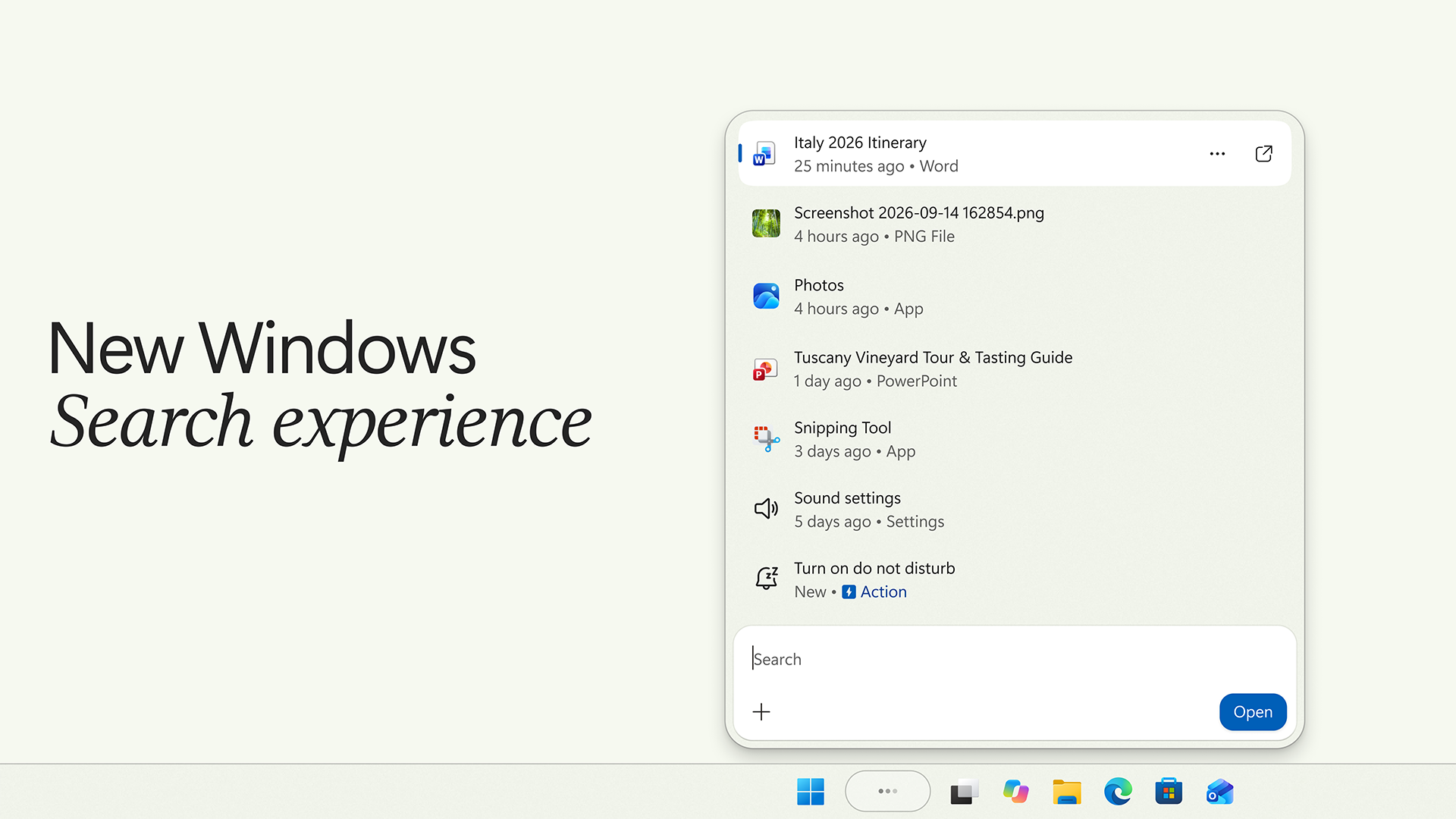
The update to the Windows search experience is perhaps the most consumer-facing change. By allowing users to execute system-level tasks—such as adjusting complex display settings or managing network configurations—via a natural language search bar, Microsoft is effectively turning the Windows taskbar into a command-line interface for the general public.
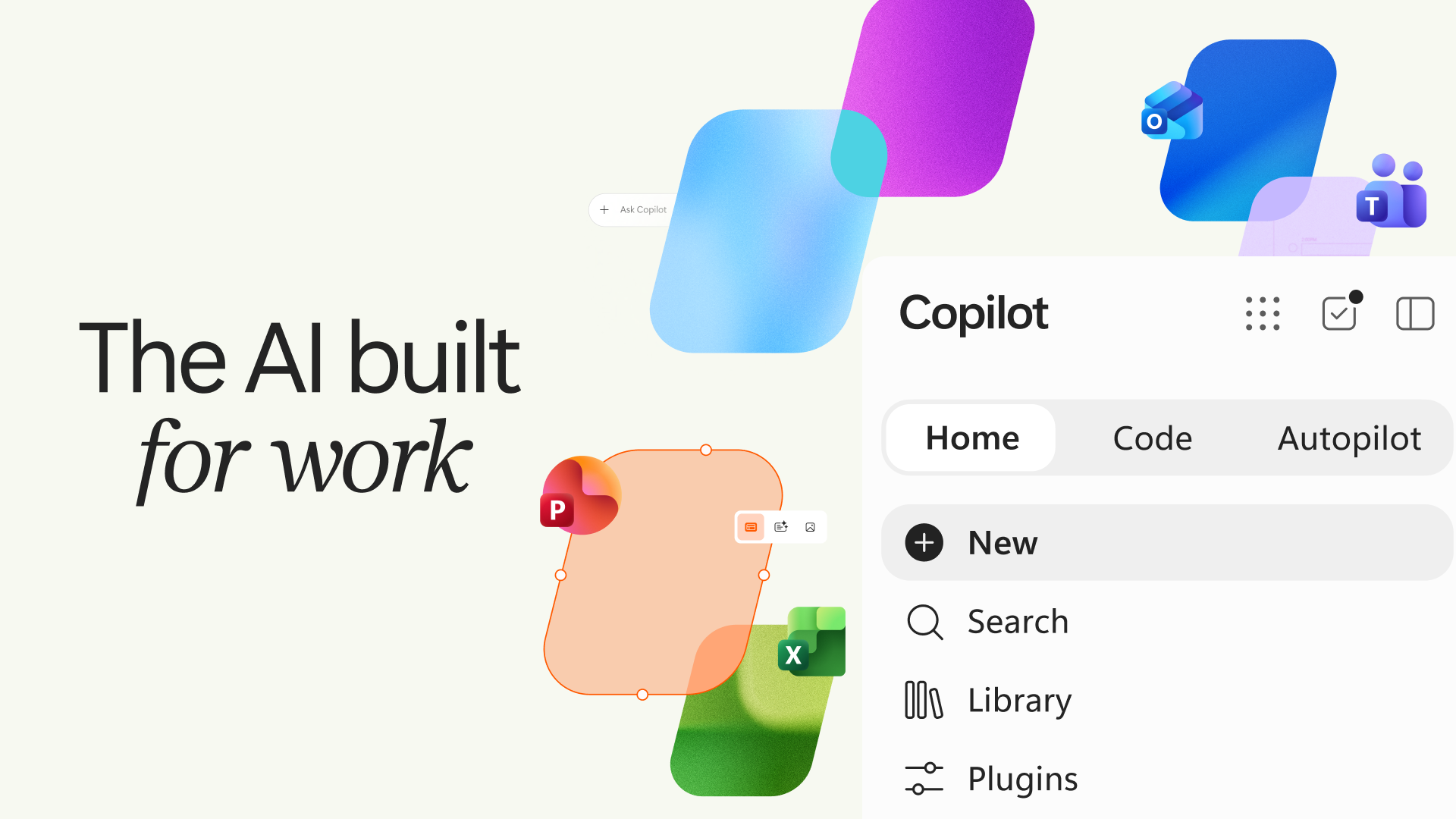
This is a subtle but profound shift. For decades, Windows users have navigated menus and Control Panels. Now, they are being encouraged to "ask" the OS to do the work. This will inevitably change how users interact with their hardware, moving the focus away from GUI navigation and toward intent-based execution.
The "Hybrid" Advantage
Microsoft’s "Hybrid Intelligence" model acknowledges the reality of the modern hardware landscape: the cloud is powerful, but it is not always available, private, or fast enough for real-time edge computing. By supporting local frameworks like llama.cpp natively, Microsoft is courting the open-source community, signaling that they understand developers do not want to be locked into a single proprietary ecosystem.
Challenges Ahead
Despite the optimism, the barrier to entry remains high. The $2,599 starting price for the Surface Laptop Ultra puts it squarely in the "prosumer" and professional developer category. The general public may not see these benefits for several years, until the "Spark" architecture inevitably trickles down to more affordable consumer tiers.
Furthermore, Microsoft must overcome the public’s lingering skepticism regarding AI. With recent reports of AI agents flooding traffic or causing unintended system behaviors, the success of these new Windows features will depend entirely on the reliability of the "guardrails" Microsoft has promised.
Conclusion
The October 2026 event was more than just a product launch; it was a mission statement. Microsoft is doubling down on the belief that local hardware, when paired with high-performance AI silicon, can provide a more secure, efficient, and powerful computing experience than the cloud alone.
As we approach the release of the Surface Laptop Ultra and the accompanying Windows 11 updates, the industry will be watching closely. If these devices can prove that "Hybrid Intelligence" is more than just a marketing buzzword, Microsoft may well have secured the foundation for the next chapter of personal computing. The shift is underway—the desktop is no longer just a display for apps; it is becoming a workspace for intelligent, autonomous, and local agents. Whether users are ready to entrust their workflows to these agents remains the ultimate test.