The role of the Chief Procurement Officer (CPO) has evolved from a back-office administrative function to a strategic linchpin in the global enterprise. Today’s CPO is tasked with navigating supply chain volatility, spearheading digital transformation, managing complex geopolitical risks, and driving sustainability initiatives—all while answering to a C-suite that demands near-perfect efficiency. Given the unrelenting intensity of this position, the risk of burnout is not merely a personal concern; it is an organizational risk.
How does one sustain such a high-velocity career? The answer, according to industry experts and global community leaders, lies in a strategic approach to "recharging the batteries" through peer connectivity and the intentional celebration of excellence.
The Art of Professional Decompression: Beyond the Boardroom
For the modern executive, the challenge is not just the volume of work, but the constant state of "high-alert" decision-making. To maintain long-term professional efficacy, CPOs must find ways to disconnect from formal agendas and reconnect with their humanity.
Evidence suggests that the most effective form of decompression involves engaging with peers who face similar systemic pressures. The "neutral ground" approach—stepping away from the office, the conference room, and the digital dashboard—is essential. Whether it is a shared meal, a glass of wine, or a round of golf, these social lubricants serve a vital purpose: they break the formal facade of corporate leadership.
When the intensity is removed and the rigid, metrics-driven agenda is abandoned, conversations naturally shift from "what" is being done to "how" it is being experienced. This organic exchange is where the most valuable professional insights are often forged. It is in these unscripted moments that CPOs find common ground, validating their struggles and discovering innovative, peer-tested solutions to intractable problems.
Chronology of a Commitment: The World Procurement Awards
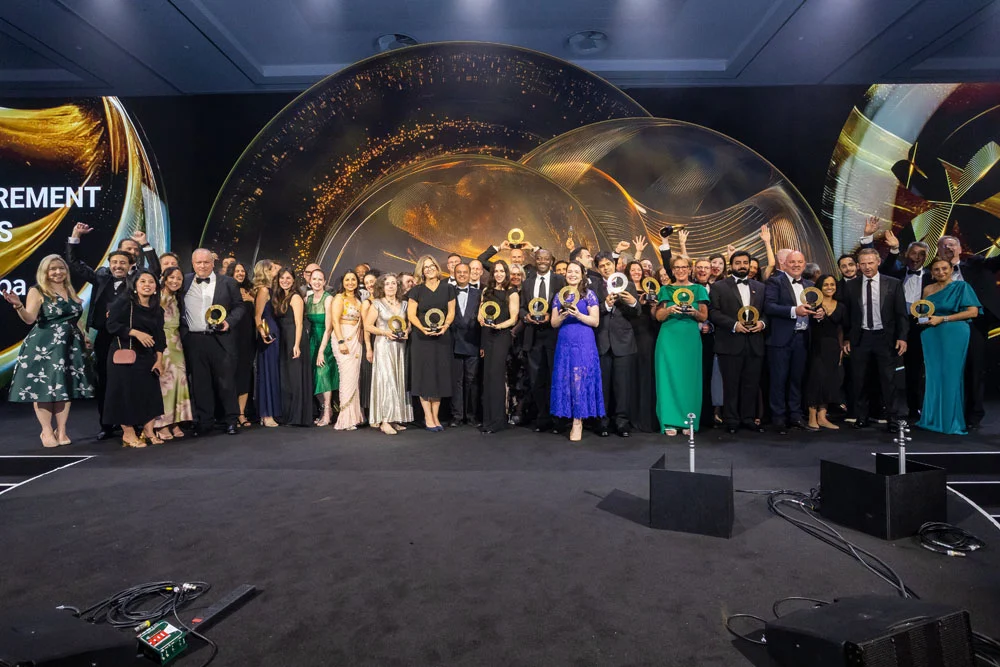
Recognizing the need to foster this sense of community and celebration, Procurement Leaders launched the World Procurement Awards over two decades ago. This initiative was designed to move beyond the transactional nature of the profession and shine a light on the human talent driving global supply chains.
The 2027 Entry Cycle
Last week marked the official opening of the 2027 World Procurement Awards, signaling the start of a multi-month process that culminates in the industry’s most prestigious night. The launch was accompanied by the assembly of a blue-ribbon panel of judges—a group of high-profile CPOs who have voluntarily committed to reviewing hundreds of entries.
This commitment is significant. These executives are choosing to add hours of rigorous analysis, evaluation, and deliberation to already overloaded schedules. The process is not merely a judging exercise; it is an intensive professional development journey that demands critical thinking and benchmarking against the industry’s best-in-class achievements.
The Psychology of Contribution: Why Leaders Say "Yes"
When asked why they would willingly sacrifice precious personal or operational time for the judging process, the response from these CPOs was remarkably consistent. They did not frame the task as a burden, but rather as an opportunity for professional rejuvenation.
The language used by these executives—"privileged," "honoured," "excited," and "insightful"—speaks to a fundamental truth about leadership: we are energized by being part of a larger, purposeful narrative. For a CPO, whose daily life can often feel like a series of fires to be extinguished, the judging process acts as a "net energy giver."
Data and Drivers: Why the Process Works
Why does the act of reviewing the work of others translate into personal energy for the reviewer? Research into professional development suggests four core drivers:
- Peer Exposure: Judges gain access to a massive repository of high-level, unique insights from diverse global organizations.
- Community Building: The process facilitates deep, meaningful interactions with other industry leaders, fostering long-term professional relationships.
- Intellectual Growth: Evaluating complex procurement strategies requires judges to step back from their own operational silos and analyze the function from a macro perspective.
- Giving Back: There is a deep, psychological satisfaction in mentoring or validating the next generation of procurement excellence. It reinforces the professional identity of the CPO as a contributor to the wider industry, rather than just a steward of a single corporate balance sheet.
The Community Model: Curating Experiences that Matter
The success of the World Procurement Awards is a testament to the power of the "community model." In an era of digital saturation, the demand for curated, high-quality human interaction is higher than ever. Organizations like Procurement Leaders have realized that their value proposition is not just in providing data or reports, but in creating spaces where that data can be discussed, debated, and celebrated.
By meticulously curating the content and the experiences surrounding these awards, organizers ensure that the "social lubricant" mentioned earlier is combined with intellectual stimulation. It is a formula that works: when professionals are brought together in an environment that celebrates their successes, they leave feeling more connected to their craft and more resilient against the stressors of their roles.
Implications for the Future of the CPO Role
As we look toward the remainder of the decade, the CPO role is likely to become even more complex. Artificial intelligence, supply chain transparency, and radical labor market shifts will continue to demand more from these leaders. Therefore, the ability to "recharge" is not just a nice-to-have; it is a professional requirement for longevity.
The implication for every procurement leader is clear: you must build your own ecosystem of support. This requires:
- Deliberate Socializing: Prioritizing networking that has no agenda other than the exchange of ideas.
- The Pursuit of Inspiration: Actively seeking out the success stories of others to combat the "daily grind" mentality.
- Active Participation: Engaging in industry-wide initiatives—like judging for awards or participating in roundtable discussions—to broaden your perspective and refresh your passion for the function.
Conclusion: Reframing the Burden
The intensity of the CPO role is, in many ways, an inevitable byproduct of its importance. Procurement is now the heartbeat of global business. However, the intensity does not have to lead to exhaustion. By shifting the perspective from "managing functions" to "participating in a community," CPOs can transform the most demanding aspects of their roles into sources of renewed vigor.
The judges of the 2027 World Procurement Awards understand this intuitively. They are not merely giving away their time; they are investing it. They are choosing to be inspired by the work of their peers, to learn from the innovation of others, and to find, in the act of judging, the very energy they need to return to their desks and continue leading their organizations with excellence.
Ultimately, the lesson for the reader is simple: to be a better leader, you must sometimes step out of the leadership chair. Whether it is through a casual lunch, a walk, or the rewarding work of evaluating industry excellence, the secret to surviving the CPO role is found in the moments where you stop trying to "do" the work and start "connecting" with the people who define the profession.
To receive further insights and stay connected with the pulse of the industry, readers are encouraged to subscribe to the CPO Crunch newsletter, your weekly digest for navigating the complexities of the modern procurement landscape.