In a provocative new report titled Firm Foundations, the UK’s opposition Conservative Party has unveiled a radical alternative energy strategy that challenges the foundational climate policies of the last decade. The document, published by the centre-right thinktank Onward, argues that the UK’s commitment to "net-zero by 2050" is effectively bankrupting the nation. The party’s proposed solution is as simple as it is controversial: abandon the pursuit of rapid decarbonization in favor of cheap, gas-heavy electricity.
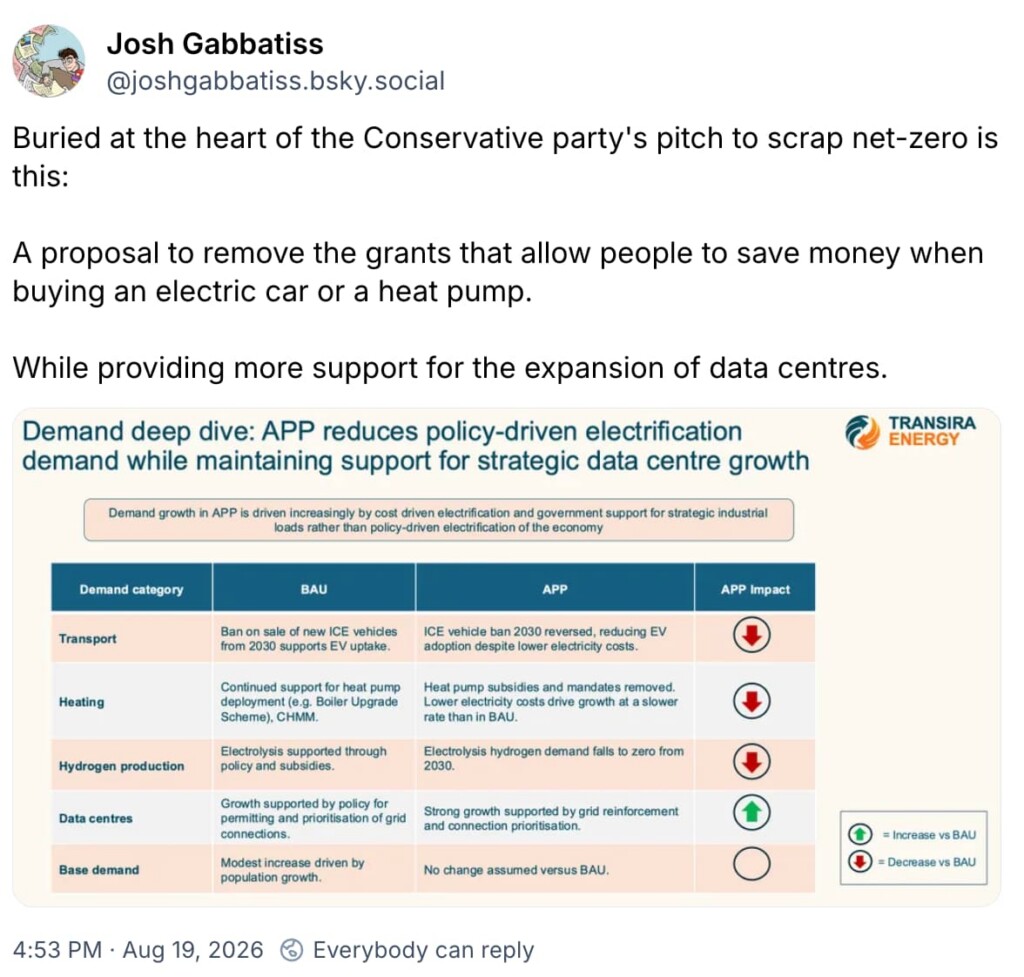
The central thesis of the Conservative platform is that by prioritizing low-cost electricity, the government can naturally incentivize the public to adopt electric vehicles (EVs) and heat pumps, thereby achieving electrification without the heavy-handed mandates associated with net-zero policies. However, a rigorous analysis of the report’s underlying modelling—conducted by experts and energy analysts—suggests that the proposal is built on a foundation of questionable assumptions, ranging from artificially low gas price forecasts to a fundamental misunderstanding of grid integration costs.

Main Facts: The Proposed Shift
The Firm Foundations report, championed by shadow energy secretary Claire Coutinho, outlines an "Alternative Policy Pathway" (APP) that would diverge sharply from the current cross-party consensus on climate action. The APP is designed to:
- Abandon the 2050 Net-Zero Target: Post-2029, the party would pivot away from current carbon reduction goals.
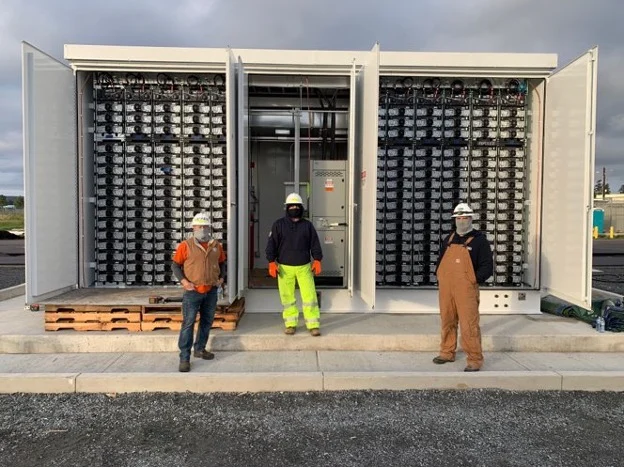
- Expand Gas Capacity: The plan calls for the construction of an additional 21 gigawatts (GW) of gas-fired power plants, a 70% increase on current capacity.
- Scale Back Renewables: Support for wind and solar would be stripped away, with government support exclusively reserved for nuclear power.
- Economic Justification: The report claims these measures would save the UK "over £320bn" by 2050.
Yet, the report’s own data contradicts its optimistic narrative. The APP scenario results in an extra 524 million tonnes of carbon dioxide (MtCO2) emissions by 2050—a volume equivalent to the entire annual emissions output of South Africa.
Chronology of the Debate
- 2019: The UK formally adopts the "Net-Zero by 2050" target, becoming the first major economy to do so.
- 2022–2025: Global energy markets experience unprecedented volatility due to the war in Ukraine and subsequent geopolitical tensions, causing retail electricity bills in the UK to skyrocket.
- March 2026: The Labour government commits to full implementation of the Fingleton Review, aiming to streamline nuclear regulation.
- August 2026: Onward publishes Firm Foundations, sparking a heated debate regarding the economic viability of fossil fuel-reliant energy policy versus renewable-led pathways.
Supporting Data: Where the Numbers Fail
The economic logic of the Onward report rests on several pillars that energy analysts have identified as structurally unsound.
The "Gas Price" Delusion
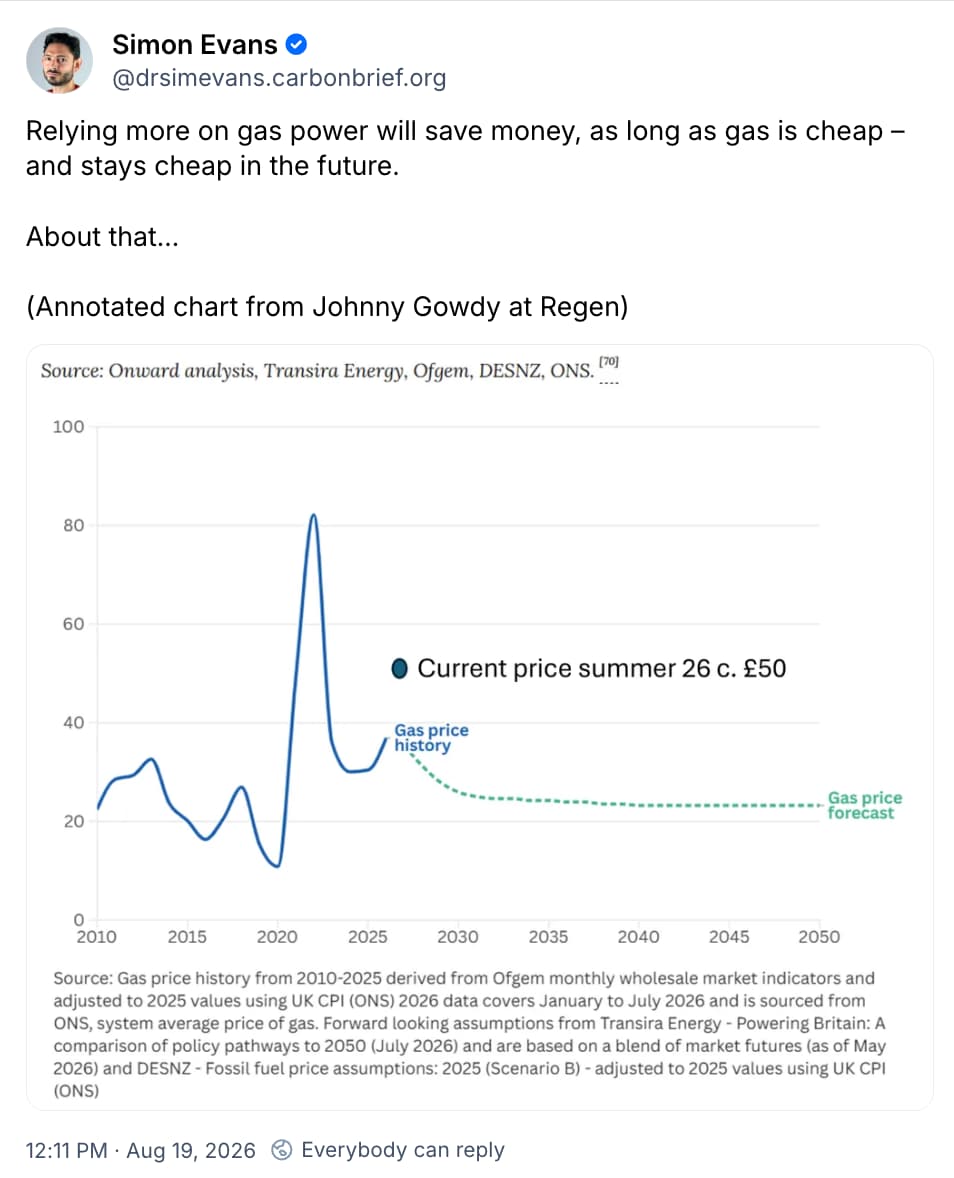
The APP assumes that natural gas prices will return to, and remain at, pre-conflict levels for the next two decades. This assumption flies in the face of market realities. As Ashutosh Padelkar of Aurora Energy Research notes, the gas price assumptions are "hard to fathom." Given that the UK’s energy price spikes were primarily driven by global gas dependency, tethering the future economy to a fuel source prone to geopolitical shocks is viewed by many as a regression, not a strategy.
The Myth of Low Capital Costs
The report assumes that building new gas plants costs £650 per kilowatt (kW). In contrast, recent data from GridLab and other global infrastructure analysts show that costs for new gas projects are frequently exceeding £1,400 to £2,000/kW. Increased demand for gas turbines to power the burgeoning AI data-centre industry has tightened global supply, driving these prices upward. By ignoring these market realities, the report artificially deflates the cost of its proposed gas-heavy future.
Nuclear Ambitions
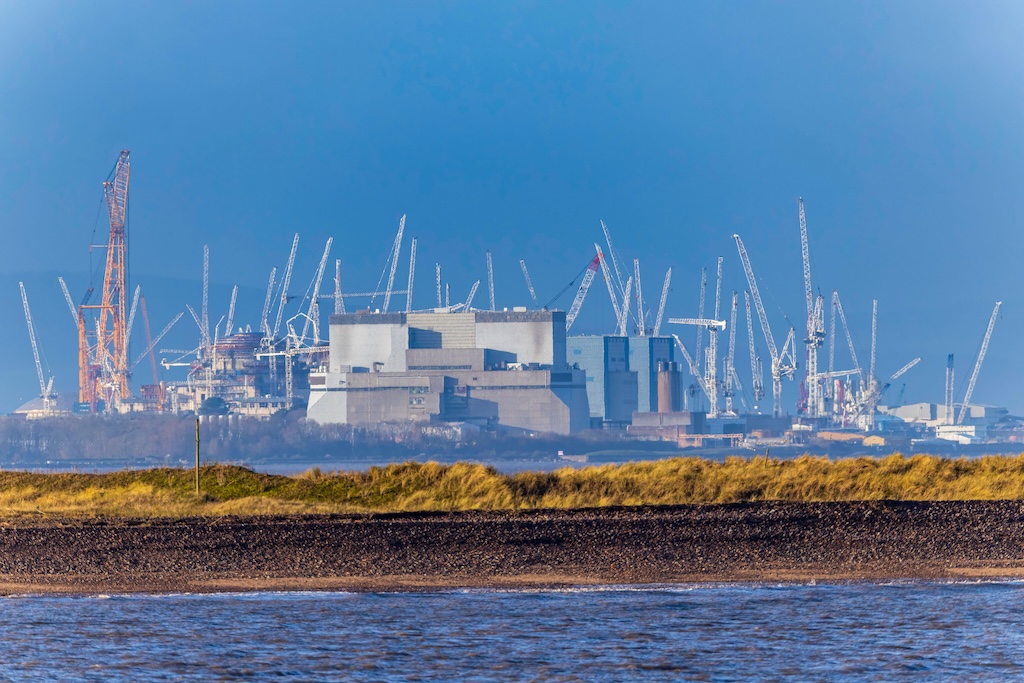
The report calls for a tripling of nuclear capacity to 20GW. While nuclear is a vital component of a low-carbon grid, the report’s cost projections are remarkably optimistic. It anticipates costs 10–20% lower than the original cost of Hinkley Point C—a project that has been plagued by massive cost overruns and delays. As Richard Howard of Aurora points out, the UK lacks a track record of managing nuclear costs down, and the report fails to provide a mechanism for how these savings would be achieved.
Official Responses and Expert Critique
The professional consensus among energy economists is that the Firm Foundations report is a piece of political rhetoric masquerading as a technical energy study.
Iain Staffell, associate professor of sustainable energy at Imperial College London, described the modelling as having "more holes than a Swiss cheese." The criticism is twofold: the report relies on "double counting" of savings and ignores the systemic costs of fossil fuel reliance.
The Network Cost Paradox
A significant chunk of the "savings" in the report (£137bn) is attributed to a reduction in network infrastructure investment. The logic is that by building gas plants closer to cities, the need for a national high-voltage grid is reduced. However, as RenewableUK’s Tara Singh notes, this ignores the fact that the UK still needs to power millions of EVs, heat pumps, and a massive expansion in data centres. If the grid is not expanded, the UK will face catastrophic capacity constraints. The report is essentially "paying to fix the problem and paying to have the problem" simultaneously.
Investor Confidence
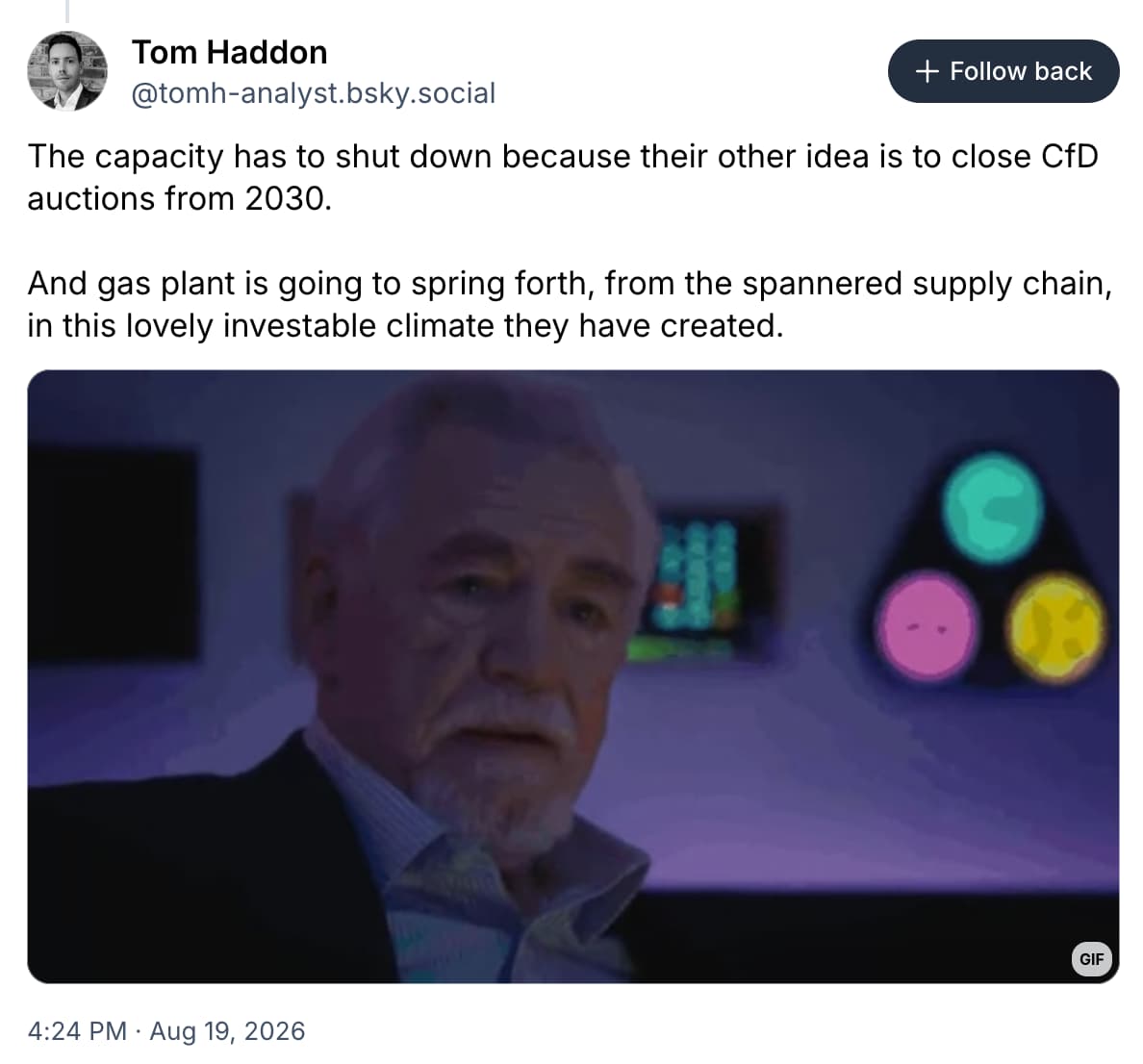
Perhaps the most damaging aspect of the proposal is the suggestion that the UK should renege on existing "Renewables Obligation" (RO) contracts. Tom Haddon of Arup warns that such a move would shatter international investor confidence. If a government is willing to tear up contracts for wind and solar, why would any private entity trust a government-backed "Regulated Asset Base" (RAB) contract for nuclear?
Implications: A Future at Risk
If the Conservative Party were to successfully implement the policies outlined in Firm Foundations, the implications for the UK would be profound and likely detrimental.
- Environmental Backsliding: The commitment to the Paris Agreement and the UK’s own climate leadership would be rendered moot. An additional half-billion tonnes of CO2 would not only accelerate climate change but also damage the UK’s standing in international diplomatic circles.
- Economic Fragility: By rejecting the transition to renewables—which have proven to be the lowest-cost energy source—the UK would lock itself into a future of volatile, import-dependent fossil fuel prices. The "savings" claimed by the report are, as experts have noted, merely an accounting exercise that rearranges debt and tax burdens rather than reducing actual costs.
- Technological Stagnation: By cutting support for long-duration energy storage (LDES) and renewable innovation, the UK risks falling behind the global curve in green technology. The energy transition is not merely about carbon; it is about the Fourth Industrial Revolution, and the Conservative proposal threatens to sideline the UK from the future energy economy.
Conclusion
The Conservative Party’s pitch is, at its heart, a reactionary response to the discomfort of the energy transition. By creating a "business-as-usual" scenario that frames renewable energy as the enemy of prosperity, they have created a document that serves political narratives rather than economic ones. As the data shows, a transition to a renewable-based economy is not just an environmental imperative; it is the most economically sound pathway forward. Abandoning that path for a reliance on volatile gas prices and unrealistic nuclear cost-savings is not a "common sense" approach—it is a high-stakes gamble with the nation’s economic and environmental future.