The Earth’s atmosphere has reached a grim milestone. According to the latest assessment from the World Meteorological Organization (WMO), concentrations of the three primary greenhouse gases—carbon dioxide (CO2), methane (CH4), and nitrous oxide (N2O)—surged to historic, unprecedented levels in 2025. This development serves as a stark confirmation that the global community’s efforts to decouple economic growth from carbon emissions remain insufficient, effectively locking the planet into a future of sustained warming for generations to come.
The Core Data: A Rapidly Changing Chemical Composition
The data released by the WMO is not merely a collection of statistics; it is a diagnostic report on the health of our planet. When the UN body first began tracking these metrics 22 years ago, the global atmospheric concentration of carbon dioxide stood at 377.1 parts per million (ppm). By the close of 2025, that number had climbed to a staggering 426.8 ppm.
This rise is not an isolated phenomenon. It represents the accumulation of two centuries of industrialization, compounded by an accelerating rate of fossil fuel combustion. Carbon dioxide remains the primary driver of climate change, responsible for roughly three-quarters of the warming effect attributed to long-lived greenhouse gases. Because CO2 is chemically stable and persists in the atmosphere for centuries, the emissions released today will continue to trap heat long after the current industrial infrastructure is decommissioned.
The Triple Threat: CO2, Methane, and Nitrous Oxide
While CO2 receives the most policy attention, the 2025 report highlights an alarming increase in shorter-lived but highly potent gases:
- Methane (CH4): Reaching 1,948 parts per billion (ppb), methane levels are now 267% higher than their pre-industrial baseline in 1750. While it has a shorter atmospheric lifespan than CO2, its immediate warming potential is catastrophic. Over a 20-year period, methane is 84 times more effective at trapping heat, acting as a "climate accelerant" that drives rapid temperature spikes.
- Nitrous Oxide (N2O): Concentrations hit 339.1 ppb, a 126% increase over pre-industrial levels. Primarily a byproduct of modern industrial agriculture—specifically the overuse of synthetic fertilizers and intensive livestock management—nitrous oxide is a significant, often overlooked contributor to the greenhouse effect.
Chronology: From Industrial Dawn to Present Crisis
To understand the gravity of the 2025 figures, one must look at the trajectory of human development.
1750 – The Pre-Industrial Baseline: This year serves as the reference point for all modern climate science. Before the widespread use of coal-fired steam engines and mechanized agriculture, the atmosphere existed in a state of relative chemical equilibrium.

1990 – The Acceleration Phase: While the Industrial Revolution began in the mid-18th century, the vast majority of human-caused emissions have occurred in the last 35 years. The period following 1990 saw an explosion in global manufacturing, globalized trade, and energy consumption that fundamentally altered the composition of the atmosphere.
2003 – The First WMO Assessment: When the WMO first began standardizing its greenhouse gas reporting, the climate crisis was already evident, but the window to act was significantly wider. The climb from 377 ppm to nearly 427 ppm in just over two decades demonstrates that the "growth" model of the global economy has failed to account for the physical limits of the planet.
2025 – The New Normal: The current record-breaking levels represent a systemic failure to transition away from fossil fuels at the speed required by the Paris Agreement.
Official Responses and Scientific Context
The WMO’s leadership has been unequivocal in its assessment. Ko Barrett, the Deputy Secretary-General of the WMO, noted that the long-term durability of these gases "commits the planet to rising temperatures not just for years, but for decades and even centuries."
The scientific community, including agencies like the National Oceanic and Atmospheric Administration (NOAA), has repeatedly observed that there is no meaningful "slowdown" in the growth rate of these gases. Despite international summits, renewable energy expansion, and climate pledges, the actual concentration of heat-trapping gases continues to follow an upward, linear trajectory. The International Energy Agency (IEA) has further warned that any new investments in oil and gas infrastructure are fundamentally incompatible with the goal of limiting global warming to 1.5°C.
The Fossil Fuel Era: Why Consumption Persists
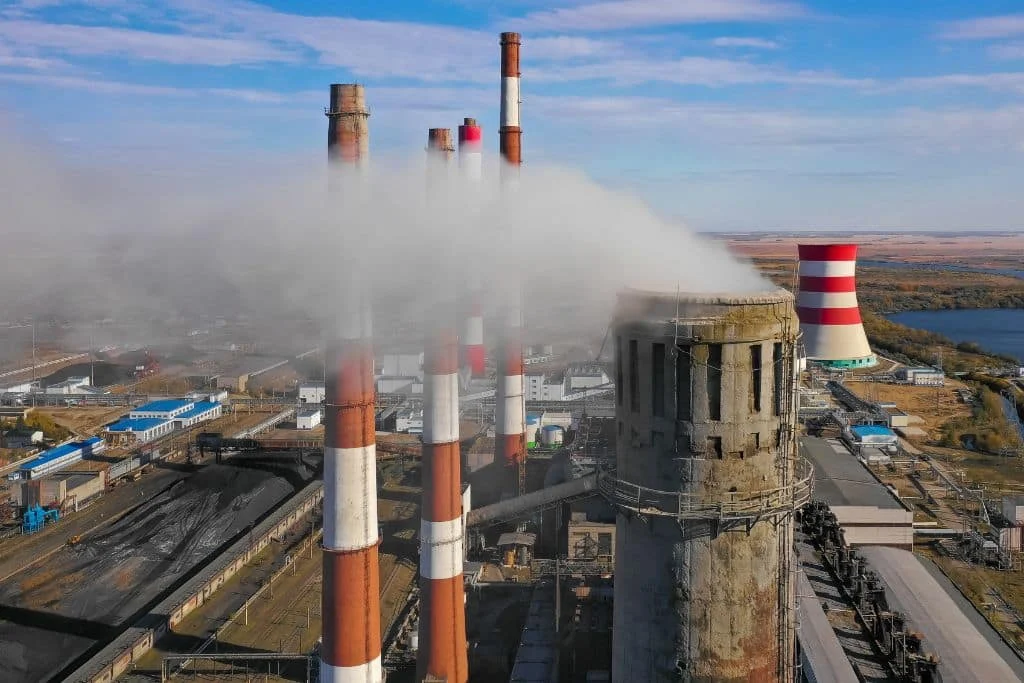
The central contradiction of the 21st century remains the reliance on fossil fuels for energy and heat. Global fossil fuel consumption has more than doubled in the last 50 years. As developing nations strive to improve living standards, they have largely followed the same carbon-intensive path taken by Western nations, creating a feedback loop of increased demand and increased emissions.

The reliance on coal, oil, and natural gas is not merely an energy choice; it is embedded in the global economic structure. Cement production, heavy shipping, and industrial agriculture all remain tethered to carbon-heavy inputs. Transitioning to a net-zero economy requires not just a shift in power generation, but a complete overhaul of how we produce food, build infrastructure, and transport goods.
The Long-Term Implications: A Warmer Future
The implications of these record-breaking concentrations are severe and multifaceted:
- Thermal Inertia: Even if we were to stop all emissions tomorrow, the planet would continue to warm due to the heat already "locked in" by the current concentration of gases. We are effectively living in a future that has already been determined by the emissions of the past.
- Weather Volatility: Higher concentrations of greenhouse gases intensify the hydrological cycle. This leads to more frequent and more severe weather events, ranging from prolonged droughts in agricultural zones to catastrophic flooding in coastal regions.
- Irreversible Tipping Points: As temperatures rise, the risk of crossing "tipping points"—such as the thawing of Arctic permafrost or the collapse of major ice sheets—increases. These events could trigger secondary emissions of greenhouse gases, creating a self-reinforcing loop that human policy can no longer control.
Conclusion: A Call to Action
The 2025 WMO data is a loud, clear signal that the time for incremental change has passed. While technological solutions like carbon capture, green hydrogen, and renewable energy storage are gaining traction, the sheer volume of greenhouse gases in the atmosphere demands a more aggressive, systemic response.
For the individual, the path forward involves advocating for systemic policy changes, reducing personal carbon footprints, and supporting institutions that prioritize sustainability over short-term economic gains. However, the data suggests that individual action alone is insufficient. The record-highs of 2025 necessitate a global, unified commitment to ending the fossil fuel era.
The atmosphere does not negotiate. It simply responds to the chemical composition we impose upon it. As we look past 2025, the primary task for humanity is to bend the curve of these emissions before the damage moves from "manageable" to "catastrophic." The history of our climate is being written now, and the 2025 data is a sobering reminder that we are writing a story of environmental instability that our descendants will be forced to live with for centuries to come.