In the rapidly evolving digital landscape of 2026, the role of a social media leader has transcended the tactical realm of content scheduling and community management. As organizations increasingly view social platforms as critical drivers of business value, the mandate for those at the helm has shifted toward strategic orchestration, governance, and enterprise-wide integration.
Leading a social team today requires a complex blend of learned technical proficiency and innate cultural intuition. In enterprise environments—where a single misstep or a brilliant campaign can trigger ripples across dozens of global markets—the difference between a manager and a leader has never been more pronounced.
The Evolution of the Social Executive: From Execution to Strategy
At its core, social media leadership is the ability to align digital output with overarching corporate objectives. While a social media manager is primarily concerned with the "how" of execution—publishing cadence, engagement rates, and content calendars—a leader is tasked with defining the "why."

According to recent data from an IBM study, 69% of CEOs now believe that organizational success is fundamentally tied to maintaining a deep bench of leaders who possess both the strategic vision and the authority to make high-stakes decisions. In the social sphere, this means moving beyond vanity metrics to focus on brand health, pipeline contribution, and long-term team efficiency.
Management vs. Leadership: A Fundamental Shift
The distinction between the two roles is best understood through their respective horizons. A manager operates within a daily-to-quarterly window, focusing on the tactical optimization of campaigns. A leader, conversely, operates on a quarterly-to-multi-year horizon, building the cross-functional systems that allow a brand to remain consistent and resilient.
| Dimension | Social Media Management | Social Media Leadership |
|---|---|---|
| Primary Focus | Execution and Output | Direction and Outcomes |
| Scope | Channels and Campaigns | Teams, Budgets, Systems |
| Core Metrics | Reach and Engagement | Brand Health, ROI, Pipeline |
| Decision-Making | Tactical Guidelines | Strategy and Governance |
Core Pillars of Modern Social Leadership
To succeed in 2026, leaders must master five essential competencies that distinguish them from their peers in traditional marketing roles.

1. Strategic Thinking and Business Alignment
The most effective leaders possess the ability to say "no." As Shakivla Todd, a 4-time Shorty Award-winning strategist, notes, the pressure to be present on every emerging platform or viral trend is immense. "You don’t need to be everywhere, everything, all at once," Todd advises. "My philosophy is that you protect your bandwidth by focusing on what actually moves the needle for the business."
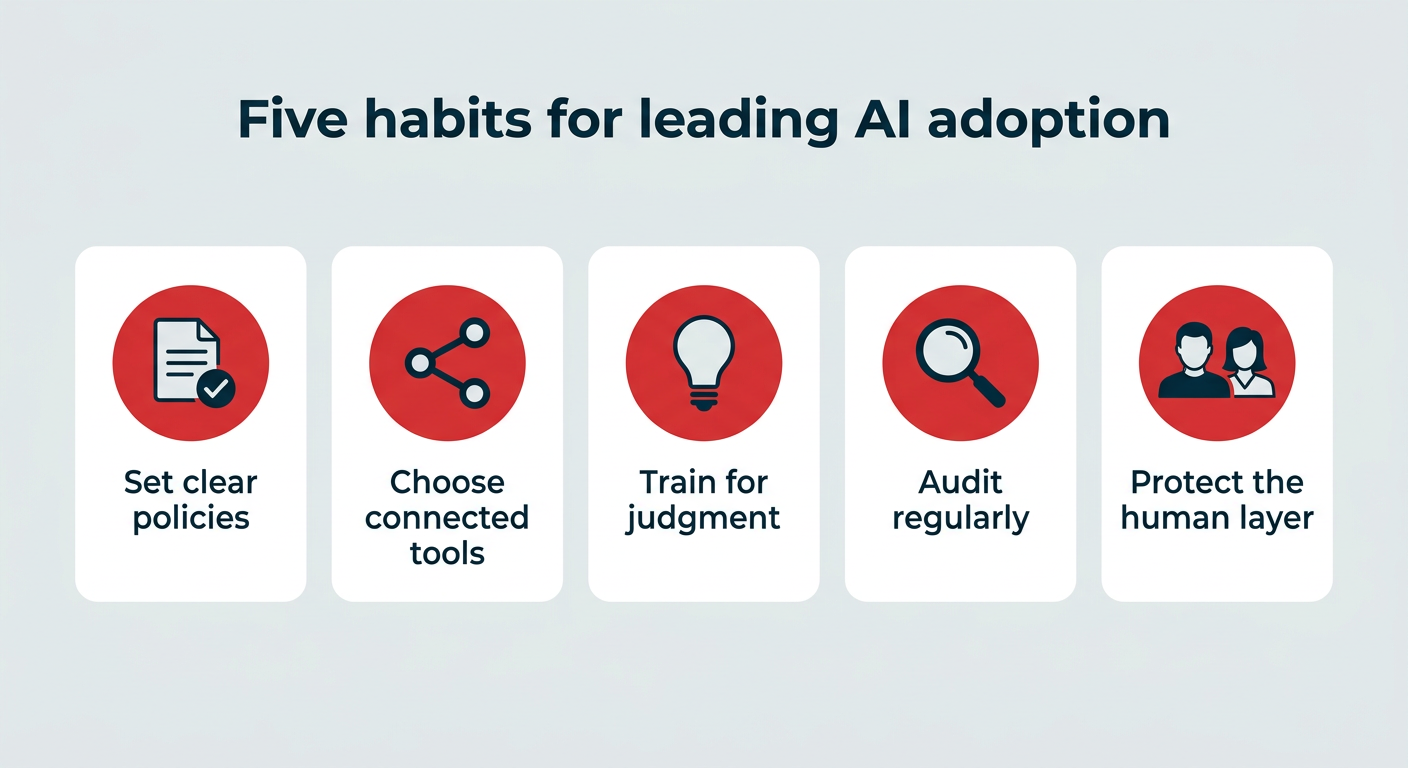
2. AI Governance and Adoption
AI is no longer an experimental toy; it is an enterprise utility. Leaders are now tasked with the responsibility of governing AI-driven workflows before their teams adopt them informally. With AI-assisted marketing automation expected to double by 2028, according to recent Gartner projections, leaders must implement robust approval frameworks that ensure AI-generated content remains compliant, brand-safe, and authentic.
3. Data Storytelling as Executive Communication
Numbers alone rarely influence budget conversations. Exceptional leaders transform raw social data into compelling narratives. By incorporating qualitative insights—such as screenshots of meaningful DMs, customer stories, and sentiment trends—leaders can provide the context that spreadsheets often lack. This human-centric data approach helps executives see social media as a genuine connection point with the customer, rather than just a megaphone for advertisements.
4. Crisis Leadership and Reputation Management
In an era of hyper-connectivity, a brand’s reputation is tested in real-time. Leaders must establish "invisible frameworks" for crisis management. This involves using social intelligence tools to monitor sentiment at scale, allowing for proactive intervention before a social media flare-up becomes a full-blown brand crisis.
5. Cross-Functional Collaboration
Social media is no longer an isolated department; it is the central nervous system of the organization. A leader’s job is to bridge the gap between silos. By feeding social listening data to the product team, surfacing competitor messaging for sales, and highlighting employer brand sentiment for HR, the social leader becomes an invaluable partner across the enterprise.
The Operational Reality: Scaling Through Systems
For enterprise teams, scaling isn’t always about adding headcount; it is about working smarter. A prime example is the shift toward integrating social communications into customer experience (CX) infrastructure. When engagement surges, rather than simply hiring more staff, a strategic leader will identify patterns—such as repetitive product inquiries—and route them to the CX team, allowing the social team to focus on high-impact strategic content.

Managing Distributed Teams
Enterprise social teams often operate across disparate time zones. To maintain cohesion, leaders must foster a culture of trust rather than micro-management. This is achieved by:
- Defining clear approval hierarchies: Establishing who has the final say in specific regions.
- Standardizing reporting: Ensuring every team, regardless of location, measures impact against the same set of KPIs.
- Centralized Governance: Using tools like Hootsuite’s "Vigil" to keep rules, audit trails, and compliance requirements attached to the work itself.
Measuring Success: Beyond the Follower Count
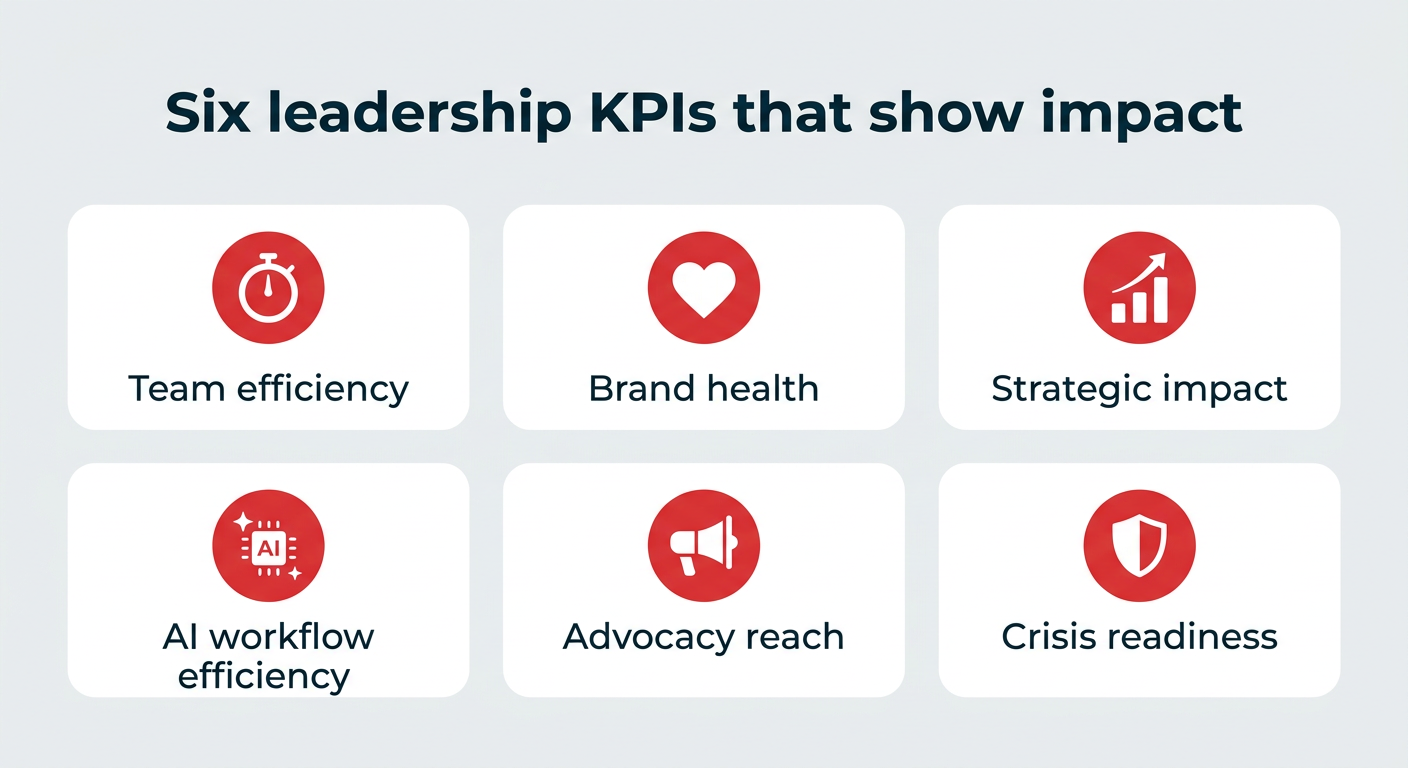
The most common trap for aspiring leaders is the fixation on vanity metrics. To demonstrate value to the C-suite, leaders must map their KPIs to business outcomes.
- Brand Sentiment and Share of Voice: Measures market perception versus competitors.
- Crisis Response Time: Demonstrates the efficacy of internal governance.
- Team Efficiency: Tracks whether workflows are optimized or creating bottlenecks.
- Social-Attributed Pipeline: Quantifies the direct commercial impact of social efforts.
By presenting these figures, leaders move the conversation from "how many likes did we get?" to "how did our presence reduce risk and increase revenue?"
Building the Next Generation of Leaders
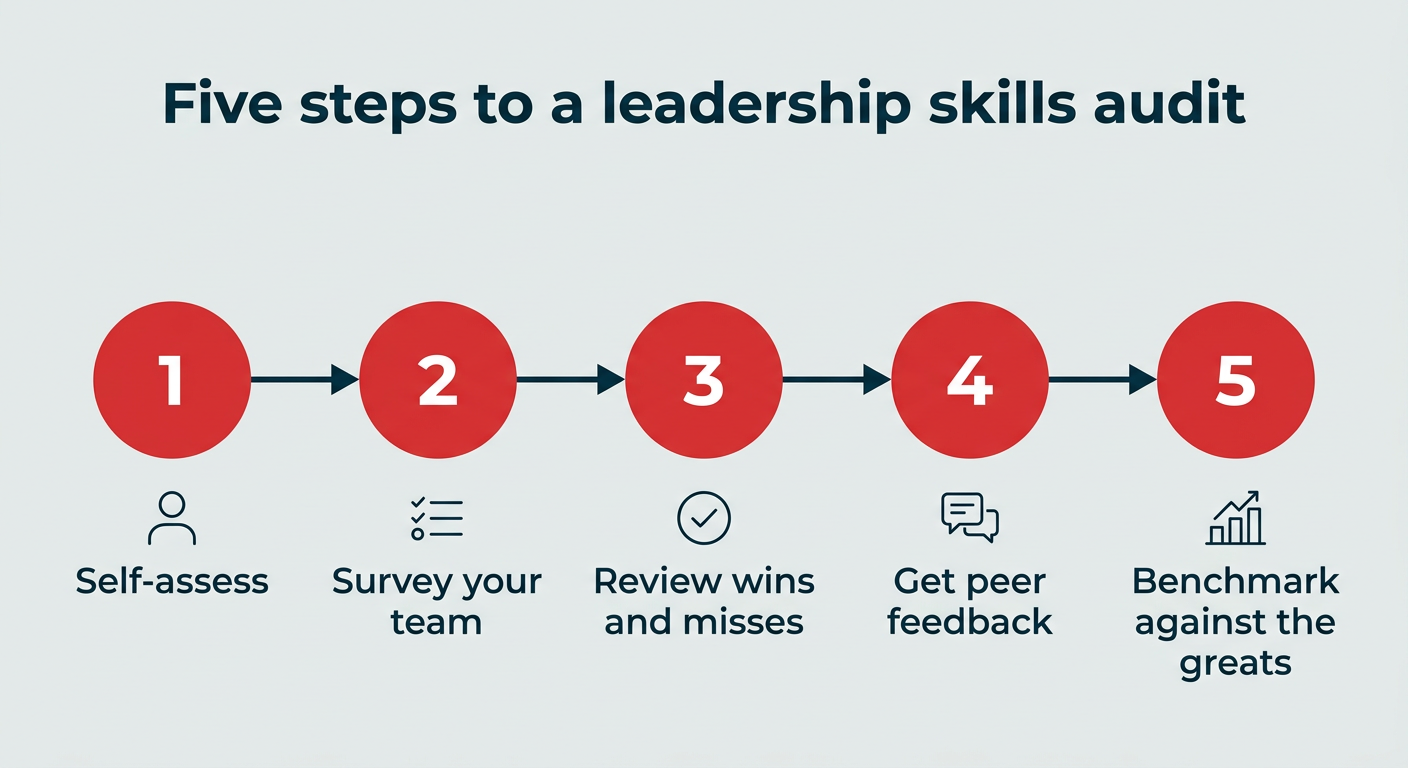
Transitioning from a manager to a leader is a journey, often marked by "trial by fire." To prepare for this role, professionals should conduct a leadership audit—a candid assessment of their own decision-making processes and communication styles.
Steps for Growth:
- Advocate for yourself: Keep a "win folder" of successes and their impact on the business. When the time comes to ask for a promotion or additional resources, you will have the documentation to prove your value.
- Seek mentorship: The most successful leaders surround themselves with peers who are not afraid to provide constructive feedback.
- Embrace "productive failure": Social media is an experimental field. Leaders who fear failure will stifle innovation. A culture of testing, learning, and quickly pivoting is the hallmark of a resilient team.
The Future of Social Leadership
As we look toward the remainder of the decade, the social media leader will continue to function less like a "content producer" and more like an "operating system pilot." With over $121 billion in U.S. social ad spending, the stakes have never been higher.
The leaders who will define this era are those who can balance the human elements of culture and creativity with the technical rigors of governance, AI integration, and cross-functional advocacy. By prioritizing connected systems over disconnected tools, and by focusing on long-term reputation over short-term trends, today’s social leaders are securing their place as essential architects of modern business strategy.
In short, the transition to leadership is the transition from doing the work to ensuring the work produces results. It requires a commitment to clarity, a mastery of data, and the courage to make decisions that keep the brand safe, relevant, and profitable in a volatile digital world.