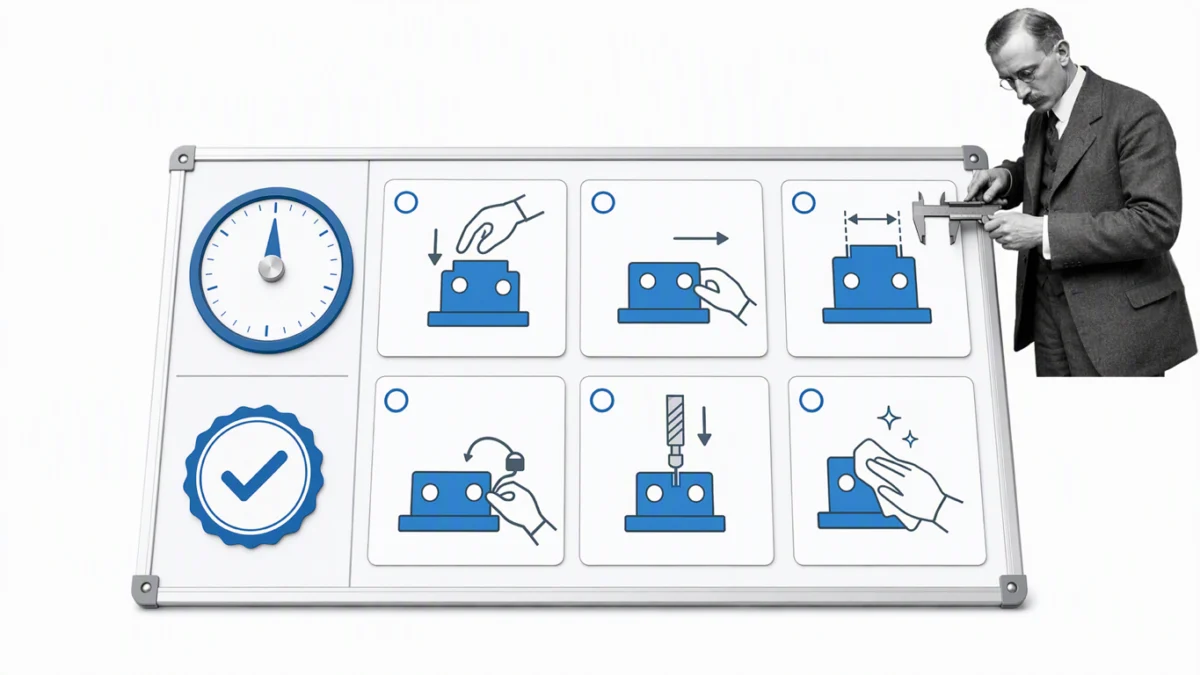
In the modern enterprise, the difference between a high-performing organization and a chaotic one rarely comes down to talent alone. It is determined by the clarity of the paths work takes from conception to completion. Workflow documentation—the deliberate, visual, and written record of tasks, decision-makers, and handoffs—is the silent engine of efficiency. When effectively implemented, it transforms tribal knowledge into a scalable asset, turning everyday operations into a repeatable, measurable, and improvable system.
Defining the Workflow: More Than Just a Checklist
At its core, a workflow is the orchestrated, repeatable sequence of business activities enabled by the systematic arrangement of resources. It is the connective tissue that links disparate tasks into a coherent outcome. While often confused with "processes," a workflow offers a distinct layer of utility: a process defines the "what" (the activities needed), while a workflow defines the "how" (the movement, timing, and ownership of those activities).
When a team documents a workflow, they are essentially creating a roadmap for work. This record identifies the trigger that starts the clock, the inputs required to initiate the process, the specific individuals accountable for each step, and the criteria that define "done." Without this documentation, teams rely on memory, which inevitably leads to inconsistent quality, delays, and the dreaded "handoff black hole," where work disappears between departments.

A Historical Perspective: From Pin Factories to Digital Systems
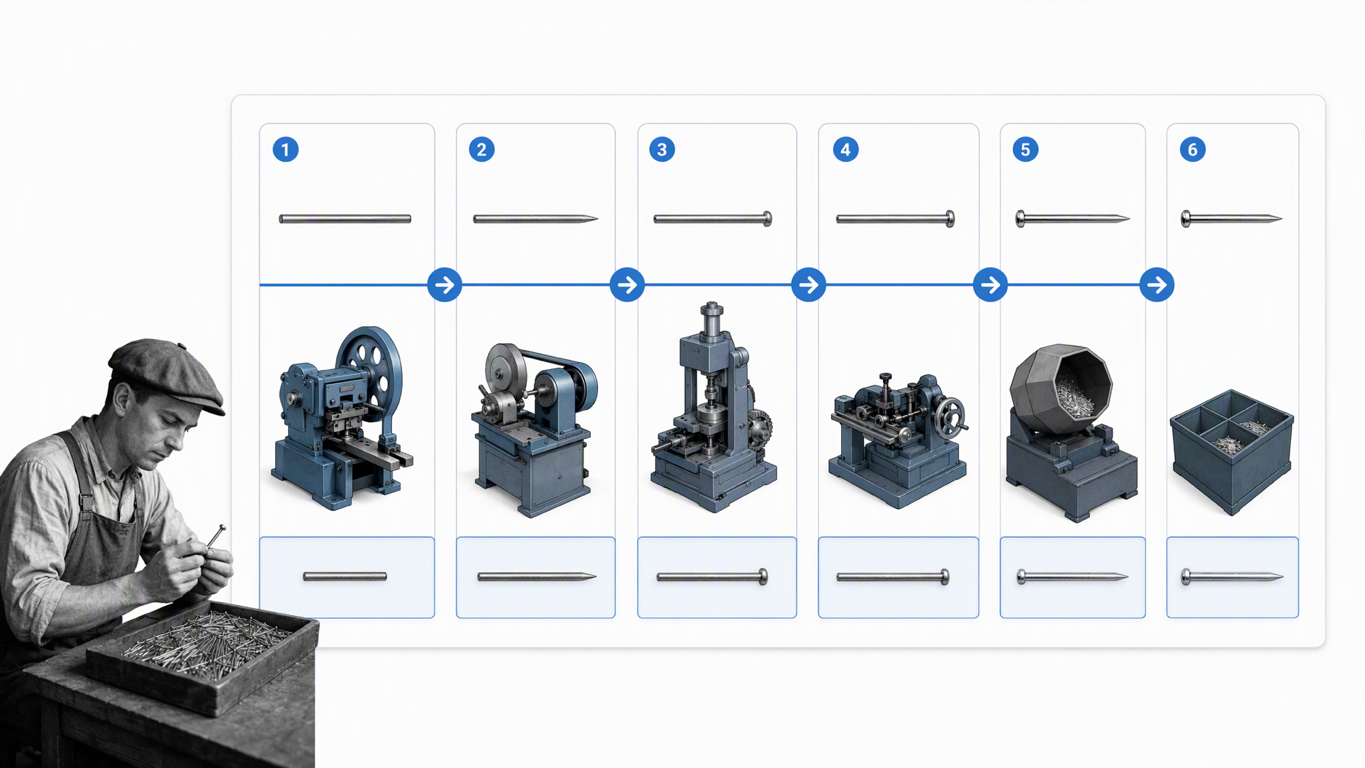
The pursuit of workflow optimization is not a byproduct of the digital age; it is a foundational pillar of the Industrial Revolution. In 1776, Adam Smith’s The Wealth of Nations famously detailed the division of labor in a pin factory. Smith observed that by breaking down the complex task of pin-making into eighteen distinct operations performed by specialized hands, a team could produce 48,000 pins in a day—a task that would have been impossible for individuals working in isolation. Smith realized that coordination and sequencing were just as important as manual labor.
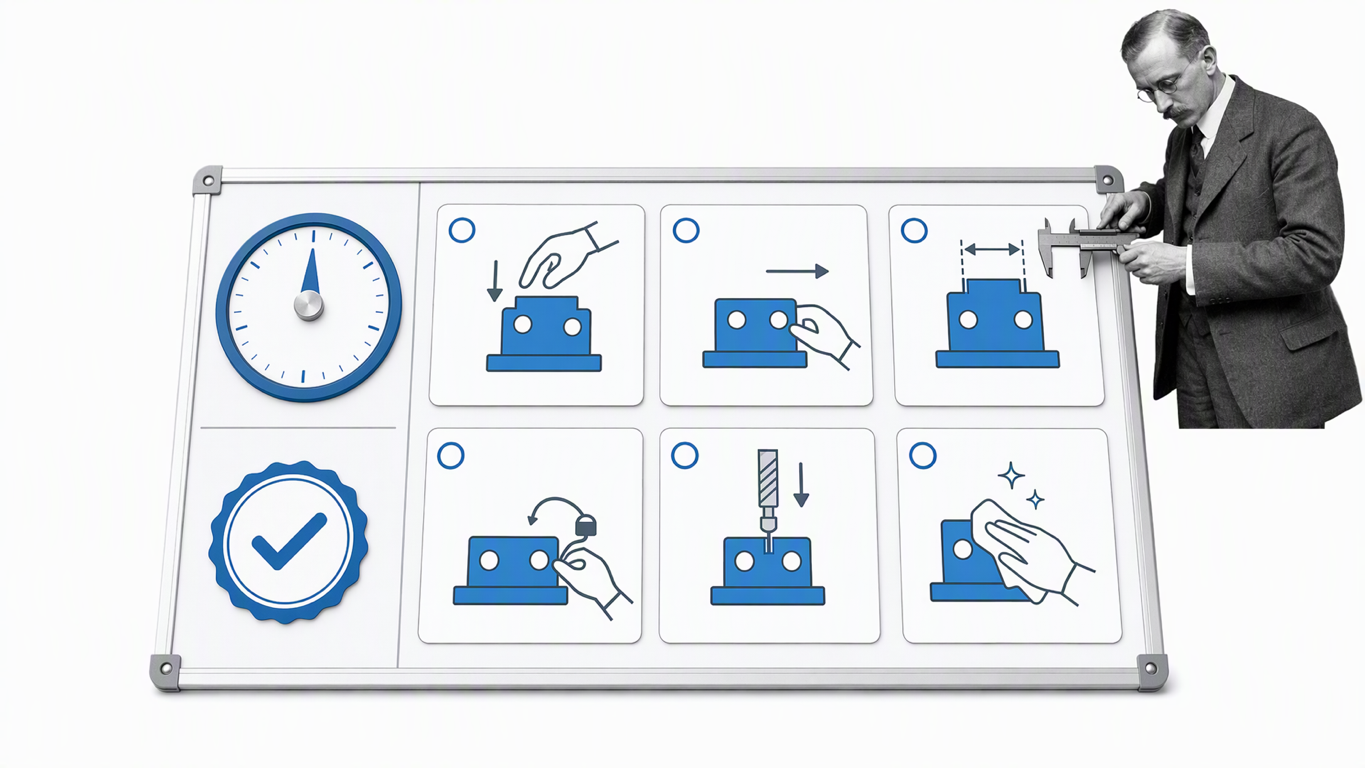
Over a century later, Frederick Winslow Taylor elevated this concept through his 1911 work, The Principles of Scientific Management. Taylor introduced the rigorous application of measurement and standardization. He argued for the systematic study of tasks, the separation of planning from execution, and the necessity of training workers in specific, optimized methods.
By the time the term "work flow" appeared in a 1921 railway engineering journal, the management world had begun to view business operations as interconnected systems. Today, that legacy has evolved. While the tools have shifted from physical stopwatches and factory-floor charts to digital platforms like Process Street, the fundamental challenge remains unchanged: to make the path of work visible so that it can be coordinated, audited, and refined.
Evidence-Based Results: The Impact of Standardized Work
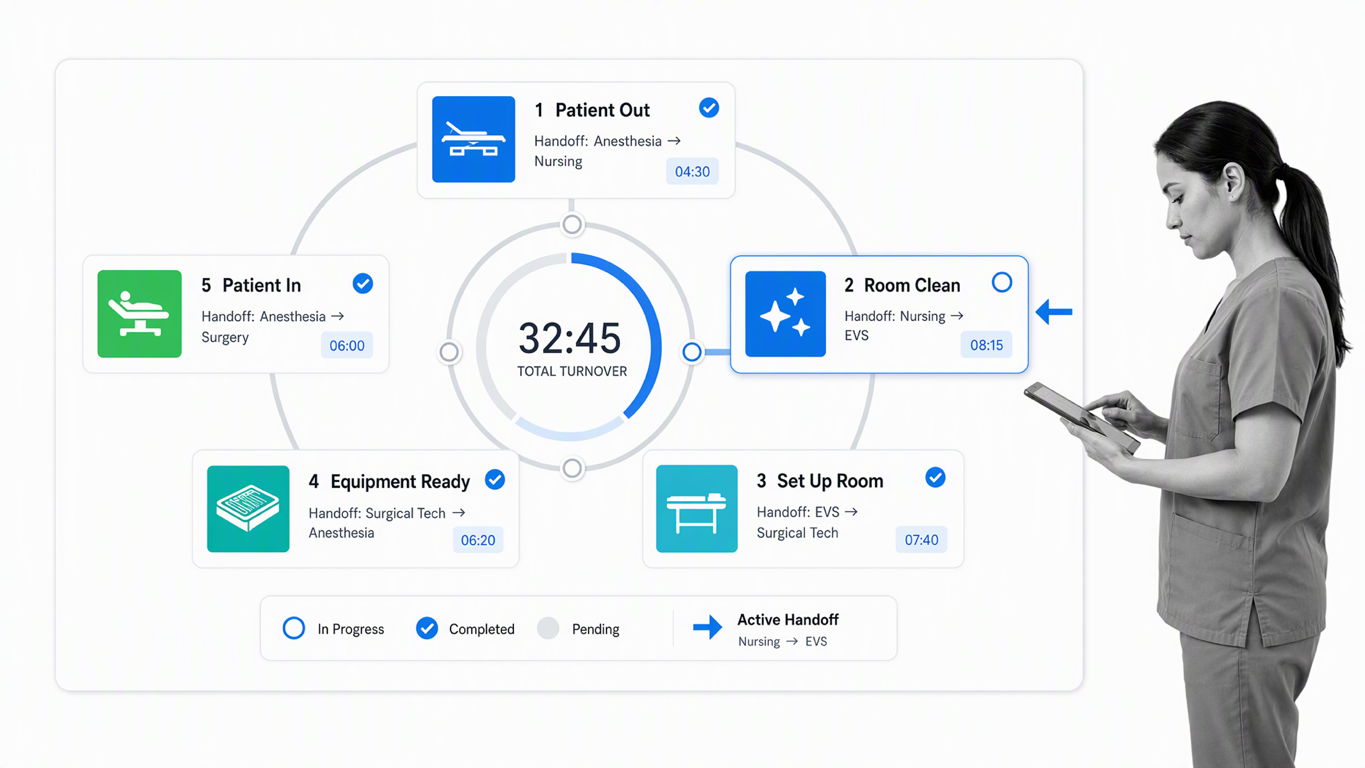
The value of documenting workflows is most visible in high-stakes environments where efficiency is measured in outcomes. A landmark study by Juan Cendan and Laura Good focused on the inconsistencies within hospital operating rooms. By observing the chaotic turnover between surgeries, the researchers identified bottlenecks caused by unclear communication between physicians and nurses.
By mapping the workflow and standardizing the roles and handoffs, the team achieved remarkable results: average room turnover time plummeted from 43.7 minutes to 27.7 minutes, while daily caseloads increased significantly. This is the "documentation dividend." It demonstrates that when responsibilities are explicit and dependencies are mapped, variation decreases and capacity expands.
Outside of the medical field, the implications are equally profound. Whether it is HR onboarding, legal document approvals, or compliance verification, clear documentation prevents work from stalling. It provides a shared definition of success, ensuring that every participant—from the author to the final approver—knows exactly what is required to move the needle.
The Risk of Ambiguity: When Controls Fail
Documentation is not merely about speed; it is about risk management. When workflows are undocumented or poorly defined, they become breeding grounds for the "normalization of deviance." As sociologist Diane Vaughan noted in her analysis of the Challenger space shuttle disaster, small, unrecorded departures from the intended process can, over time, become accepted norms.
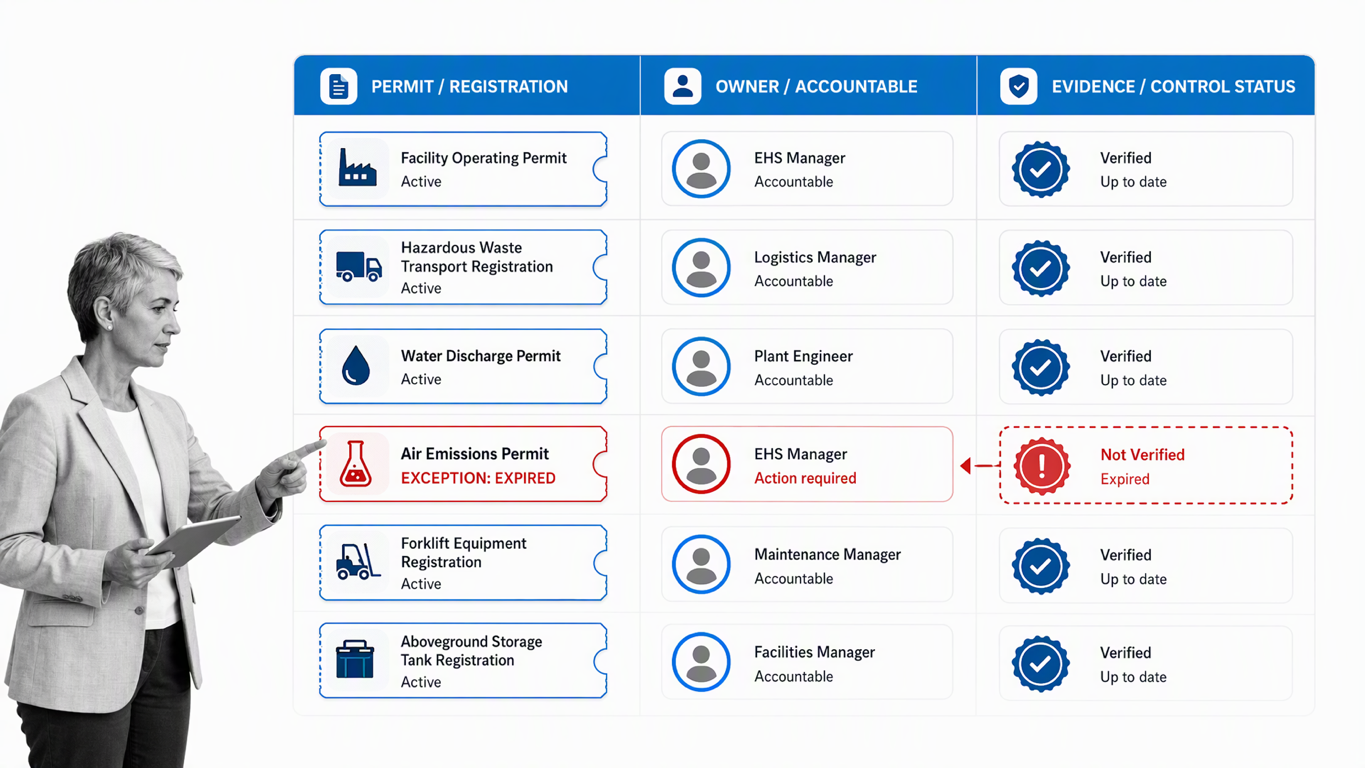
A high-profile example of this is the case of Zenefits, which faced a $7 million penalty from the California Department of Insurance in 2018. The company’s rapid growth outpaced its ability to maintain documented, controlled workflows for licensing and training. Without formal, enforceable gates, the organization failed to catch critical compliance gaps.
This serves as a cautionary tale for any scaling business: a workflow that moves quickly is only an asset if it is safe. Documentation provides the evidence needed to spot repeated exceptions before they become systemic liabilities. It creates a "paper trail" that satisfies regulators and protects the organization from the silent creep of non-compliance.
A Step-by-Step Guide to Workflow Documentation
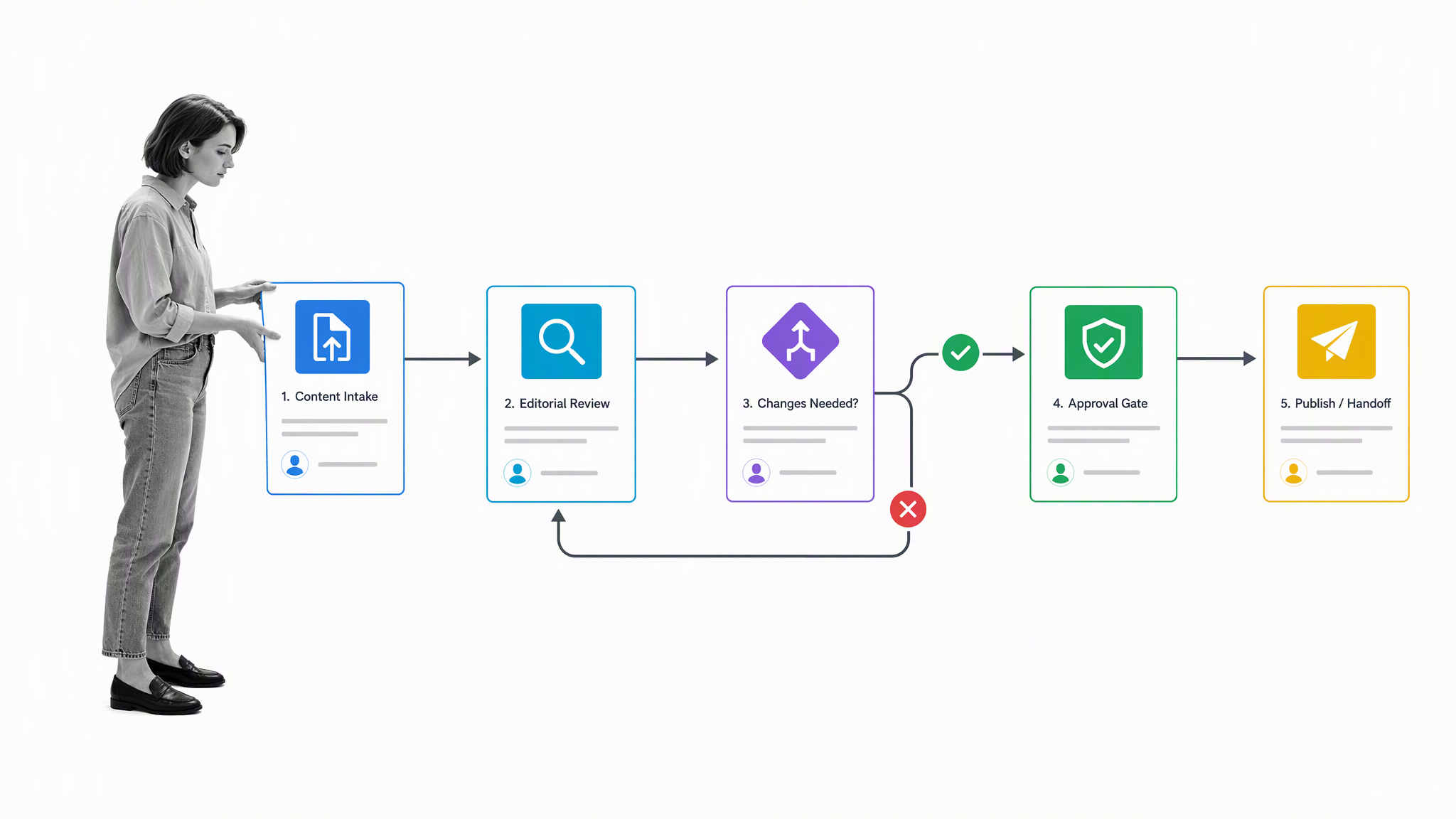
Documenting a workflow should not be an exercise in bureaucracy, but a practical effort to capture reality. Organizations looking to formalize their operations should follow this seven-step methodology:
- Define the Boundaries: Identify the specific trigger and the ultimate outcome. Avoid vague goals like "marketing project" and focus on "publish an article."
- Identify Participants: Assign an accountable owner. Map out roles rather than specific names to ensure the workflow persists through staffing changes.
- Capture the Current Path: Do not document the "ideal" workflow. Observe how work is actually done today, including the shortcuts and rework loops.
- Map Decisions and Handoffs: Clearly define the "if/then" logic. What information must be true before a task can move from the writer to the editor?
- Add Standards and Controls: Link existing SOPs and policies. Define required fields, approval criteria, and service level agreements (SLAs).
- Test with Real Work: Walk through the documentation with the team. If a new employee can follow the document without needing to ask for clarification, you have succeeded.
- Publish and Govern: Store the document in a centralized, accessible location. Assign a review cadence to ensure the documentation stays updated as the business evolves.
The Future: Continuous Improvement and Automation
Documentation is the baseline, not the finish line. Once a workflow is documented, it becomes an object of study. Teams should collect data on cycle times, wait times, and rework rates to identify where the process is breaking down.
True optimization happens when documentation meets automation. Platforms like Process Street allow teams to integrate their workflows with over 5,000 existing business systems. This means that when a step is completed in a workflow, a record can be automatically updated in a CRM, an email can be triggered, or a notification can be sent to Slack.
However, technology must be applied with caution. As AI and automation tools become more prevalent, the human element remains vital. An automated workflow should be a tool that makes human judgment more efficient, not a system that obscures it. A human owner must always remain accountable for the workflow, ensuring that changes are made intentionally and that the logic behind the process remains transparent.
Frequently Asked Questions
What should workflow documentation include?
At a minimum, it should contain the purpose, trigger, inputs, step-by-step instructions, owners, decision gates, handoffs, and completion criteria. For controlled or regulated environments, it should also include version history and review logs.
What is the difference between a workflow and a process?
A process is the high-level description of what needs to be done. A workflow is the granular, chronological map of how the work moves, including who does it and when.
How detailed should documentation be?
Provide enough detail so that a trained participant can execute the task without needing to rely on "tribal knowledge." Use links to longer SOPs to avoid clutter, and focus on the decision logic that drives the work forward.
How often should workflows be reviewed?
Workflows should be reviewed periodically, particularly after significant changes to staff, technology, or regulatory requirements. High-risk workflows should have a formal quarterly or biannual review schedule.
Conclusion
In an era of rapid digital transformation, the ability to document and execute workflows effectively is a competitive advantage. It creates an "operating system" for the business that is clear enough to teach, controlled enough to trust, and flexible enough to improve. By moving beyond ad-hoc execution and toward a culture of documented, measurable, and automated workflows, organizations can ensure that they are not just working harder, but working smarter.