In the modern digital landscape, LinkedIn has evolved from a simple networking site into a high-stakes arena for professional authority. As generative AI tools become ubiquitous, the platform has found itself at a crossroads: how to preserve the nuance of human connection while managing a deluge of automated content. For marketers and thought leaders, the message from LinkedIn is increasingly clear—AI is a powerful assistant, but it is a disastrous replacement.
The State of the Platform: LinkedIn’s War on "Slop"
LinkedIn is currently engaged in a quiet, high-stakes battle against AI-generated content—what industry insiders often term "AI slop." In recent months, the platform has blocked billions of automated posting attempts and hundreds of thousands of AI-driven comments.
The strategy is multifaceted. LinkedIn has shifted its internal AI philosophy, replacing its generic "Enhance Your Post" tool—which previously rewrote user content into a bland, robotic tone—with a proofreading-only utility. This pivot signals a strategic priority: the platform wants to help creators refine their own voice, not override it.
According to LinkedIn ads expert AJ Wilcox, the platform’s detection capabilities are being bolstered by its most powerful asset: its users. The current "report for AI-generated content" feature serves as a massive, real-time training mechanism for LinkedIn’s detection models. While these reports may not result in immediate shadowbanning, they are actively refining the algorithm’s ability to bury inauthentic content. Currently, AI-generated comments that are flagged suffer from a lack of engagement, effectively rendering them invisible to the wider network.
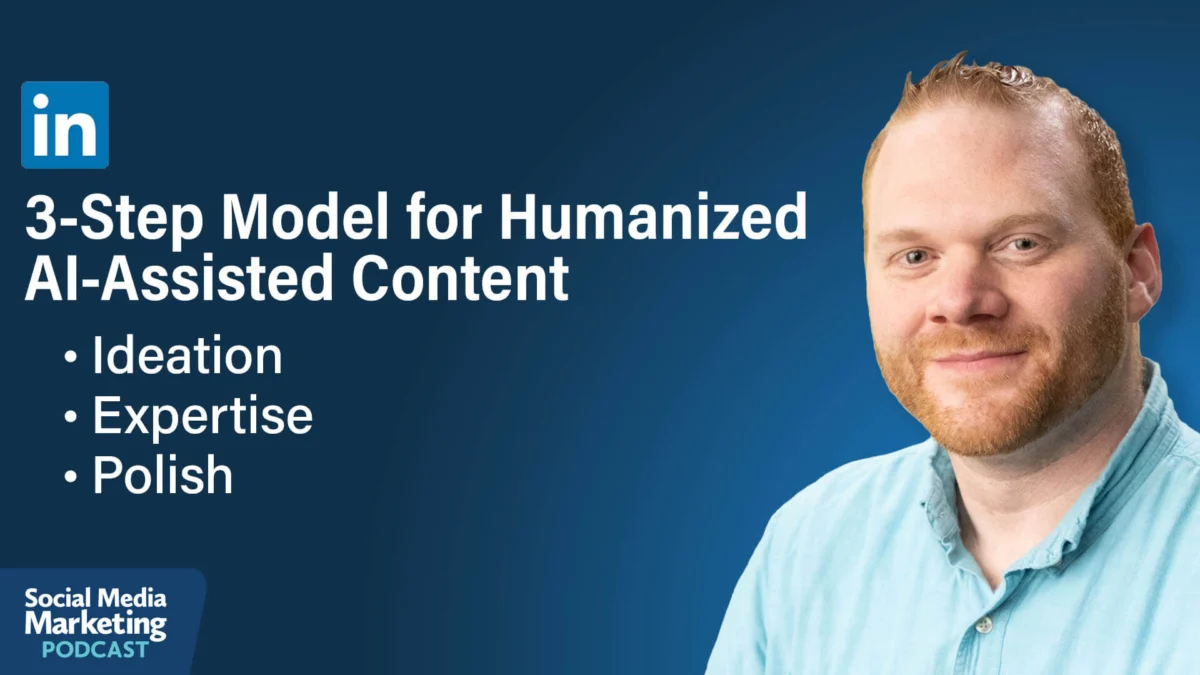
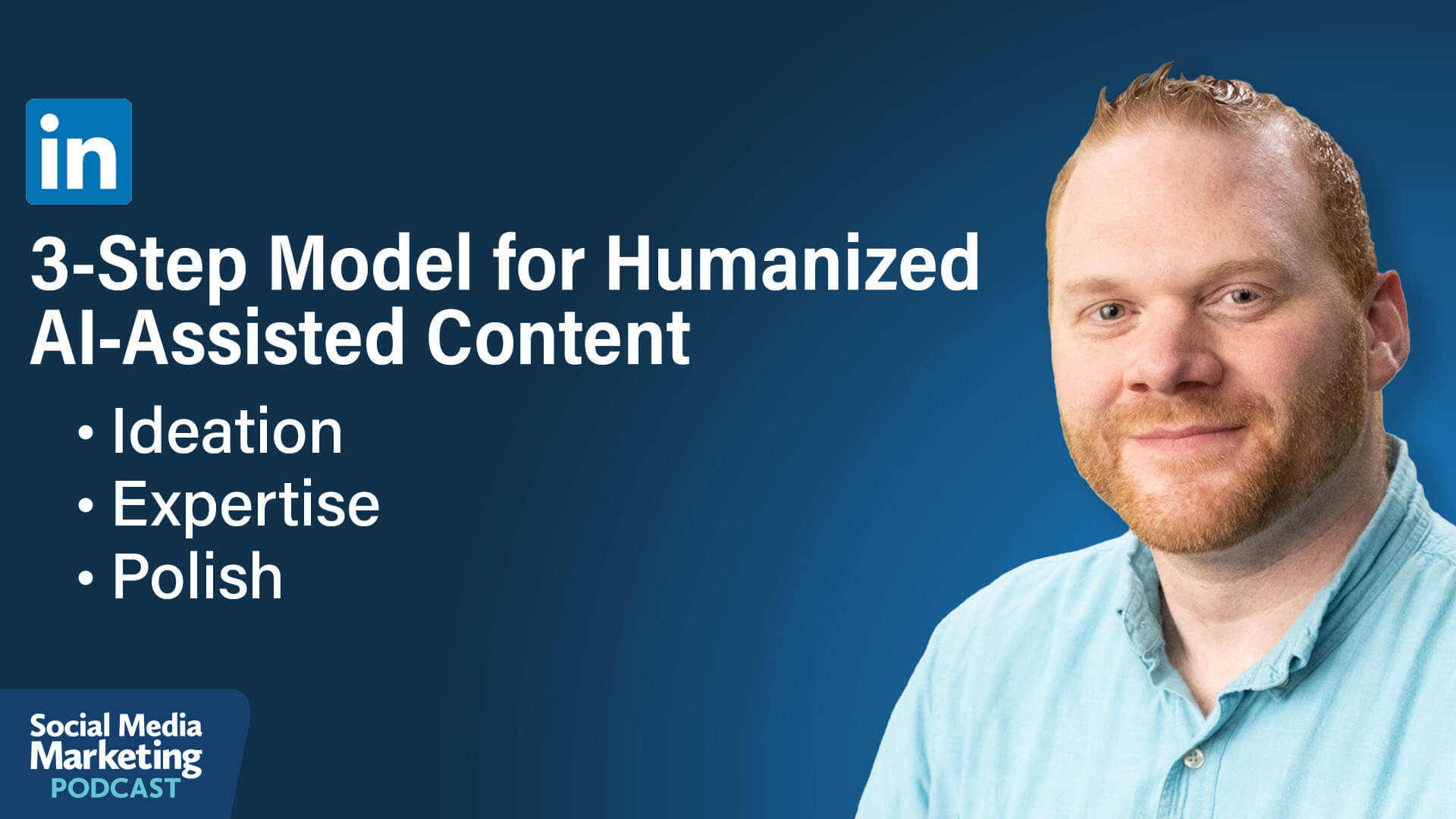
The Ideation-Expertise-Polish Model: A Strategic Framework
To thrive in this environment, creators must adopt a workflow that centers human insight. Wilcox suggests a three-stage "sandwich" model for AI collaboration:
- Ideation: This is where AI excels. Use tools like ChatGPT or Claude to brainstorm, build frameworks, or generate potential angles for a topic. The goal here is volume and diversity of thought.
- Human Expertise (The Critical Core): This is the "meat" of the sandwich. This stage requires the creator’s original experience, industry-specific anecdotes, and emotional nuance. If you skip this step, the content loses its soul, and your audience will immediately perceive the lack of authenticity.
- Polish: Only after the draft is written in your own voice should you bring AI back in. Use it to tighten sentences, correct grammar, or improve formatting. AI should be your editor, not your author.
Identifying the "Tells" of Artificiality
Audiences have become increasingly adept at spotting the markers of AI-generated content. Common "tells" include:
- Syntactic Overuse: A reliance on em-dashes and repetitive, dramatic phrases like "guard your mental faculties" or "this is silently killing you."
- Stylistic Mismatches: Emojis that feel out of character or misplaced in the context of professional discourse.
- The "Typo" Trap: Some creators intentionally insert typos to appear human, but this is a flawed strategy. Modern AI can be instructed to mimic these imperfections, meaning that content quality—not cosmetic errors—remains the true differentiator.
Mastering the Algorithm: Timing, Frequency, and Engagement
Success on LinkedIn is as much about logistics as it is about creativity. Wilcox advises a disciplined posting schedule to maximize reach:
- The Optimal Cadence: Two posts per week, scheduled for Tuesday and Thursday, is the "gold standard." For those limited to one post, Wednesday is the highest-performing day.
- The Monday/Friday Void: Avoid Mondays (high competition as people return to work) and Fridays (low engagement as users check out for the weekend).
- The Cannibalization Rule: Never post twice in one day. LinkedIn’s algorithm prioritizes the newest content; posting a second time will actively suppress the reach of your first post. Allow each piece of content "room to breathe" for at least 24 hours before publishing again.
The New Growth Engine: Strategic Commenting
The most significant shift in LinkedIn’s architecture over the past year is the elevation of the comment section. LinkedIn now surfaces comments more prominently in the feed, and users can track "comment impressions" just as they track post performance.
For creators struggling to build an audience, this is a strategic goldmine. Spending time leaving thoughtful, high-value comments on the posts of established industry leaders can generate significant reach without the burden of creating original long-form content.
The Metrics of Meaning
LinkedIn’s algorithm tracks "comment density"—the substance and depth of a thread rather than the length. Shallow comments like "Great post!" or "Thanks for sharing!" are effectively ignored. To drive engagement, use open-ended prompts:
- "Am I wrong?"
- "What am I missing?"
These questions encourage diverse perspectives, which the algorithm favors over a simple, repetitive back-and-forth between two people. Furthermore, the "Ted Lasso" principle—being curious, not judgmental—is the best approach for professional disagreement. When you have a differing opinion, lead with a compliment, state your "different take," and invite the author to share their thoughts.
Leveraging AI for Multimedia and Advertising
Live-Stream Discoverability
One of the historical weaknesses of live streaming—discoverability after the event—is being solved by LinkedIn’s native AI. The platform now automatically identifies key moments from live streams to create short-form clips and generates "chapters" for replays. This is a massive boon for executives who lack the time for high-production video. By simply recording an interview or a deep-dive conversation, the AI handles the heavy lifting of clipping and formatting for on-demand consumption.

The Ad Campaign Paradox
In the realm of paid media, LinkedIn’s advice often clashes with reality. While LinkedIn suggests running five or more ad variations per campaign to boost performance, doing so can actually be detrimental.
The issue is mechanical: LinkedIn’s frequency cap limits how often a user sees your ads. If you run five or more creatives, the platform treats each as a separate entity, causing your ads to compete against one another and driving up your costs. Wilcox recommends a "2 to 4" creative strategy: one image with two variations of intro text, or one text with two visuals. This provides enough data for the algorithm to test performance without triggering the inefficiencies of excessive fragmentation.
Implications for the Future of Professional Branding
As LinkedIn continues to refine its AI-detection capabilities, the premium on authentic, human-led content will only rise. The platform is not trying to banish AI; it is trying to banish the mindless application of AI.
For the professional marketer, the path forward is clear. Use AI as a tool for efficiency, structure, and logistical support, but protect the "human middle" of your work at all costs. In an era where anyone can generate a post in seconds, the ability to synthesize personal experience, professional wisdom, and genuine human connection is no longer just a soft skill—it is the ultimate competitive advantage.
The "AI crackdown" is not a threat to creators; it is a filter. By embracing the Ideation-Expertise-Polish model and focusing on substantive community engagement, creators can ensure that when the algorithm evaluates their work, it finds something worth amplifying. As the digital noise grows, the signal—your voice, your expertise, and your genuine perspective—will be the only thing that truly matters.