By [Your Name/Journalistic Desk]
September 19, 2026
In a significant move that underscores the mounting pressure on the surveillance technology sector, Flock Safety, the prominent license plate recognition (LPR) company, has initiated a sweeping voluntary buyout program for its 1,500-person workforce. The move, characterized by the company as a "generous" exit strategy, signals a pivotal moment for the startup as it attempts to stabilize its internal culture while navigating a firestorm of ethical, legal, and political criticism that has eroded its client base.
The announcement, which arrived on Friday, September 19, marks a strategic pivot for the Atlanta-based company. According to internal communications obtained by Wired, leadership intends to offer these packages to a substantial portion of its staff, with the company suggesting it would grant the majority of requests from those wishing to depart. By framing the program as a voluntary exit rather than a traditional involuntary layoff, Flock is attempting to navigate a crisis of confidence that has plagued the organization for months.
A Chronology of the Crisis
To understand why Flock Safety has reached this inflection point, one must look at the rapid deterioration of the company’s reputation over the summer of 2026. For years, Flock had positioned itself as a "safety-first" solution, helping law enforcement agencies track vehicles associated with violent crime. However, that narrative began to crumble in early August.
- August 2, 2026: The Washington Post publishes a damning investigative report detailing 46 documented cases where police officers weaponized Flock’s vast network of cameras to stalk their wives, girlfriends, or ex-partners. The report highlighted a systemic failure in the company’s oversight mechanisms, shattering the illusion of "secure, authorized use."
- Mid-August 2026: Public outcry begins to manifest in local city council meetings across the United States. Privacy advocacy groups, already wary of the "surveillance state," begin mobilizing, pointing to the Post report as definitive proof that the technology is prone to abuse.
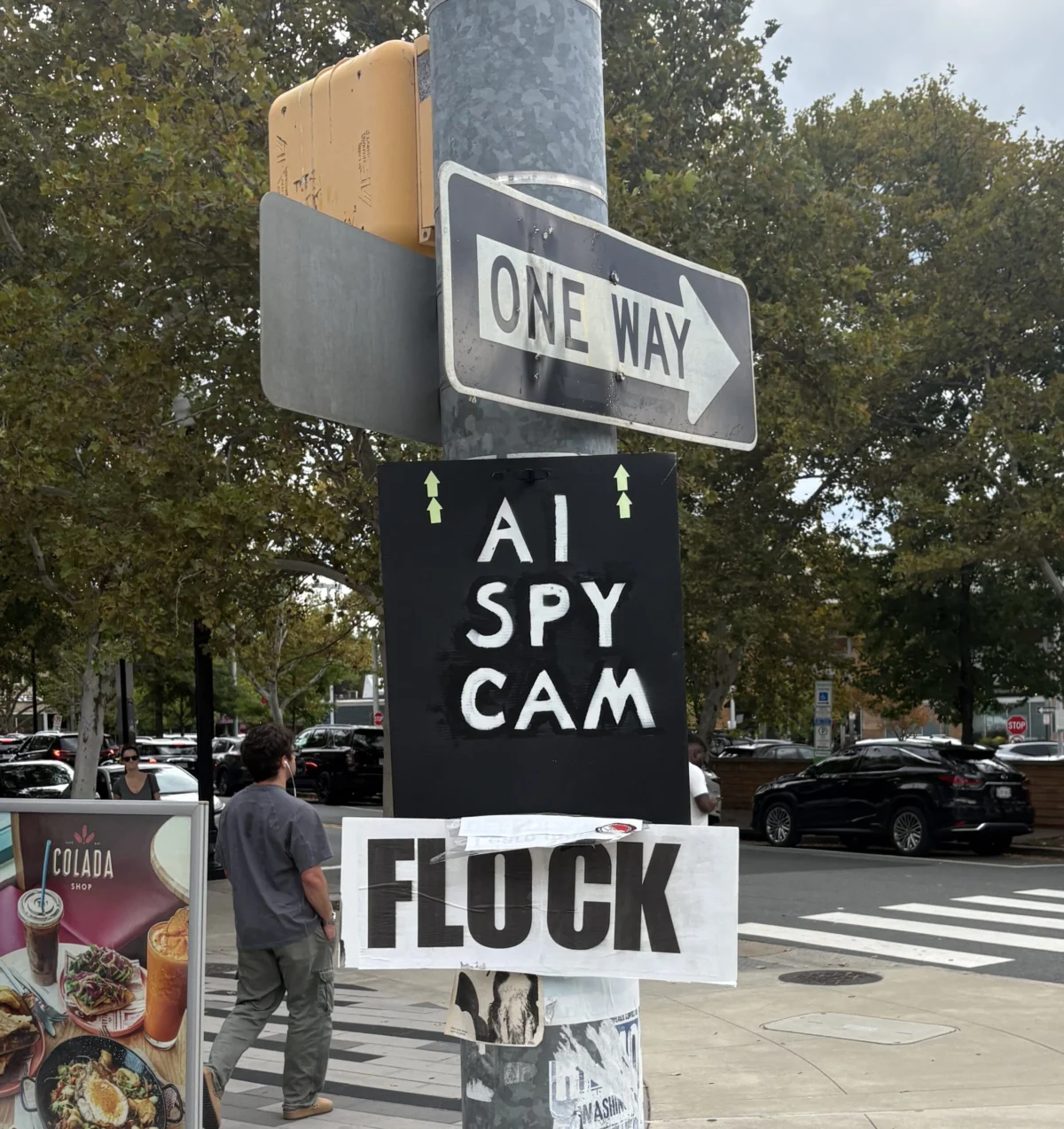
- August 31, 2026: Data from anti-surveillance watchdogs reveals that 90 cities terminated their contracts with Flock in August alone. This figure represents a four-fold increase compared to the previous month, signaling a widespread loss of institutional trust.
- September 1, 2026: The regulatory landscape turns hostile. Major jurisdictions, including Florida and Texas, formally move to restrict or outright block the use of Flock’s camera systems, citing severe privacy concerns.
- September 19, 2026: Faced with a collapsing customer base and an internal culture described as "demoralized," Flock Safety announces its voluntary buyout program, a tacit admission that the company’s growth trajectory has been fundamentally altered.
Supporting Data: The Cost of Erosion
The numbers behind the current crisis paint a grim picture for the company’s financial and operational health. Before the events of August, Flock was viewed as a high-growth "unicorn" in the public safety tech space. Now, the company is grappling with a churn rate that would be unsustainable for any SaaS (Software as a Service) business.
The 90-city exodus in August is not merely a statistical outlier; it represents a fundamental shift in how local governments view the trade-off between surveillance and privacy. When cities like those in Texas and Florida—traditionally pro-law enforcement strongholds—begin to cut ties, it suggests that the misuse of data has become a liability that outweighs the perceived benefits of the technology.
Furthermore, internal morale has become a silent, but deadly, metric. CEO Garrett Langley, in a recent appearance on the All-In podcast, candidly admitted that the most significant damage to the company has not been the loss of revenue—though that is significant—but the erosion of the team’s spirit. The "buyout" strategy is, in effect, a mechanism to prune a workforce that has been hollowed out by the ethical questions surrounding the product they build.
Official Responses and Corporate Strategy
The company’s communication to its employees regarding these buyouts has been carefully calibrated. By offering "the most generous package" the company has ever provided, management is clearly attempting to prevent the negative optics associated with mass layoffs.
In a professional landscape where "RTO" (return to office) and "cost-cutting" are often met with unionization efforts or public protests, Flock is trying to control the narrative. By offering voluntary exits, they are essentially asking employees who are no longer comfortable with the company’s direction to leave on good terms.

However, observers note that this is a "lose-lose" scenario. If the company were not offering these buyouts, as Wired reported, they would "almost certainly" be forced to initiate involuntary layoffs. This suggests that the company’s financial runway is shrinking rapidly. As of the time of this report, TechCrunch and other outlets have reached out to Flock for further clarification on the total projected cost of the buyouts and whether the company is seeking additional venture funding to cover the severance payouts, but the company has yet to provide a detailed financial breakdown.
Broader Implications for Surveillance Tech
The situation at Flock Safety serves as a bellwether for the broader surveillance industry. The argument that "technology is neutral" is increasingly being rejected by lawmakers and the public alike. The Flock case proves that even if the software functions exactly as intended, the human element—specifically the potential for police officers to use that technology for personal vendettas—creates an inherent risk that companies are failing to mitigate.
The "Privacy-First" Reckoning
We are currently witnessing a shift in the procurement policies of local municipalities. Where, five years ago, the focus was purely on "what does the camera see," the focus today is on "who has access, what is the retention policy, and what are the penalties for misuse?"
Flock’s failure to implement robust, tamper-proof audit trails that prevent the types of stalking identified in the Washington Post investigation has become the company’s "original sin." For the rest of the industry, this serves as a warning: privacy-by-design is no longer a marketing buzzword—it is a survival requirement.
The Human Capital Drain
The most overlooked aspect of this saga is the impact on the engineering and sales talent. Many who joined Flock did so under the banner of "improving public safety." As the company’s mission has become mired in controversy, the talent drain is likely to accelerate. Voluntary buyouts may clear the payroll, but they also facilitate the departure of the institutional knowledge needed to pivot the product or fix the technical flaws that led to the current crisis.
Conclusion: The Road Ahead
As the dust settles on this announcement, the question remains: Can Flock Safety survive as a viable business entity? The answer depends on two factors: the company’s ability to fundamentally overhaul its privacy protocols to satisfy its remaining clients, and its capacity to rebuild its internal culture.
The "voluntary" nature of the layoffs suggests that Flock is attempting to hit the "reset" button. However, with 90 cities having already walked away and major states signaling a permanent retreat from the platform, the company is fighting a war on two fronts: one for its financial survival and another for its social license to operate.
For now, the employees who remain face an uncertain future. As one industry analyst noted, "When you offer the most generous severance package in your history, you are telling the market that you are planning for a future that looks very different from your past." Whether that future involves a pivot to new, less controversial technologies or a slow decline into irrelevance remains to be seen. The coming months will likely be the most critical in the company’s history, as it attempts to move past the scandals of the summer and reconcile its ambitions with the reality of a public that is increasingly saying "no" to the panopticon.