In an era defined by accelerating climate change and an increasingly fragile energy infrastructure, the stakes for utility providers have never been higher. As New England faces a compounding array of extreme weather events—ranging from record-breaking droughts and emerging wildfire threats to relentless winter storms—the regional utility provider Unitil Corporation has taken a decisive step toward future-proofing its operations.
Unitil, which provides essential electric and natural gas services to more than 215,000 customers across Maine, Massachusetts, and New Hampshire, has entered into a strategic three-year partnership with Rhizome, a pioneer in AI-powered grid planning. This collaboration aims to move beyond reactive maintenance, instead leveraging advanced climate simulation tools to perform surgical, data-backed resilience planning. By integrating machine learning with historical asset data, Unitil intends to navigate the complex balancing act of upgrading aging infrastructure while maintaining affordability for its ratepayers.
The Convergence of Risk: Why New England Needs AI
Historically, New England’s grid resilience planning focused on predictable seasonal shifts. However, the last half-decade has dismantled those traditional models. The region is currently caught in a vice of competing environmental pressures. In Maine, coastal infrastructure is increasingly vulnerable to rising sea levels and intensified storm surges. Simultaneously, New Hampshire recently endured its driest summer on record in 2025, a shift that has fundamentally altered the state’s risk profile regarding wildfires.
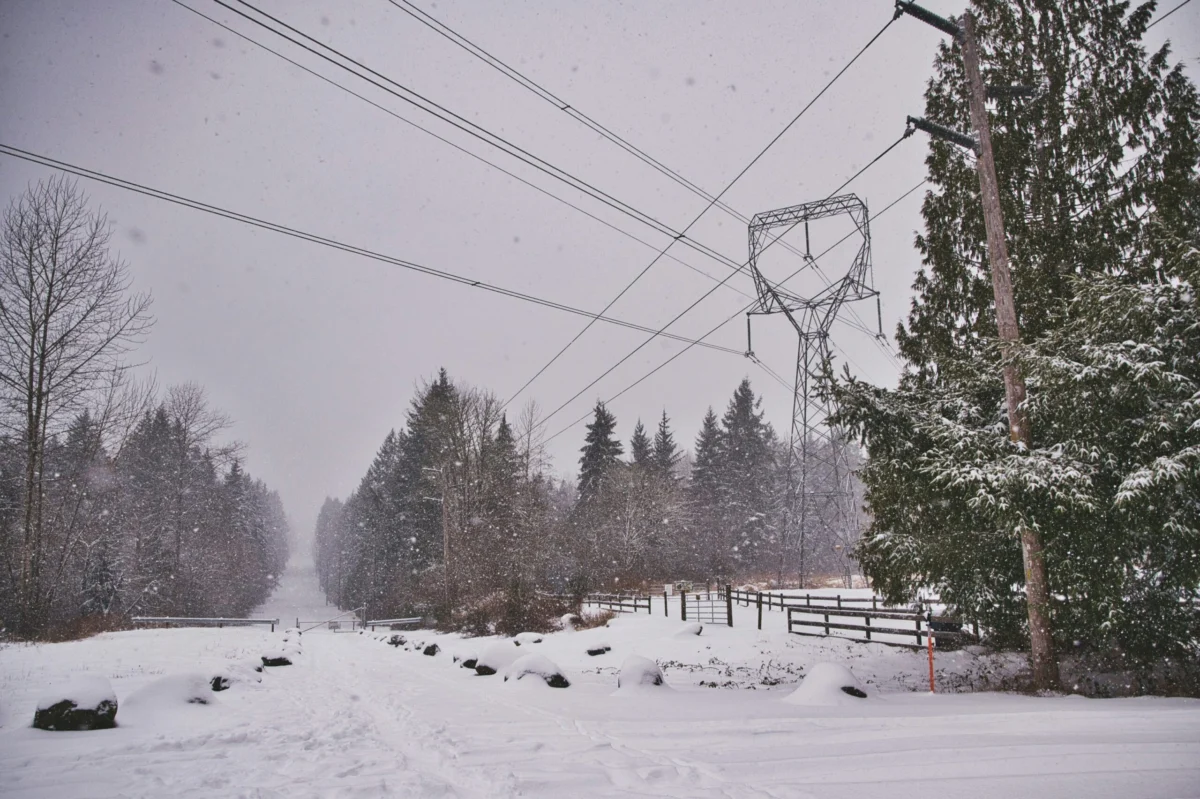
Data from the region is sobering. Since 2021, New Hampshire alone has recorded more than 504 wildfires. While the state was not traditionally classified as a high-risk zone for such conflagrations, the convergence of prolonged drought, shifting vegetation patterns, and aging electrical lines has created a "new normal." When these risks are layered atop the annual, punishing reality of New England’s severe ice and snowstorms, the task for grid operators becomes exponentially more difficult.

The Technological Solution: Rhizome’s GridADAPT and GridFIRM
To address these multifaceted threats, Unitil will deploy two of Rhizome’s flagship software tools: gridADAPT and gridFIRM. These platforms will function within a single software instance, providing a unified command center for climate risk modeling.
- gridADAPT serves as the foundational planning engine. It synthesizes climate hazard projections—such as wind speed, precipitation, and temperature fluctuations—with the utility’s own operational performance data. By mapping these variables against the current grid architecture, the software identifies which feeders and substations are most susceptible to failure under specific, projected climate scenarios.
- gridFIRM extends this predictive capability into the realm of long-term wildfire risk. By analyzing topographical data, fuel loads, and localized weather patterns, it allows utility planners to simulate how a fire might interact with specific grid assets.
For a utility provider, this is more than just predictive software; it is a tool for capital allocation. In a regulated environment where every dollar spent must be justified to state utility commissions, the ability to demonstrate that a specific infrastructure upgrade will result in the highest possible reduction of risk per dollar spent is transformative.
Chronology of a Partnership: A Strategic Evolution
The decision to partner with Rhizome did not occur in a vacuum. It represents the culmination of a broader industry shift toward "resilience-first" planning.
- Early 2023: Rhizome officially launches, positioning itself at the intersection of climate science and grid engineering. Their mission: to quantify climate risk in a way that is actionable for utility executives.
- 2024–2025: As extreme weather events increase in frequency and severity across North America, major players like National Grid, Avangrid, and Fortis begin adopting Rhizome’s platform to justify massive grid-hardening expenditures to regulators.
- Mid-2025: Following a record-dry summer in New Hampshire, Unitil identifies a critical need for more robust, data-driven resilience modeling to address state-level concerns regarding wildfire mitigation.
- October 2026: Unitil and Rhizome finalize their three-year partnership, marking a formal commitment to utilize AI-based, evidence-backed planning for all future grid investments in their New Hampshire and Massachusetts service areas.
Official Responses and Strategic Vision
The leadership teams at both organizations view this partnership as a foundational element of their long-term regulatory and sustainability strategies.

"New England has become a region where utilities are thinking holistically about the system risks they face today and tomorrow," said Mishal Thadani, co-founder and CEO of Rhizome. "This is the first step in taking a uniform approach to risk quantification across all hazards, then improving resilience and investment planning to keep their customers’ lights on and bills low."
For Unitil, the focus is squarely on defensibility. As Sara Sankowich, Unitil’s Vice President of Shared Services and Sustainability, noted, the partnership provides the necessary evidence to support capital expenditure requests. "We are excited to partner with Rhizome to better understand the climate risks facing our systems and prioritize investments that strengthen resilience," Sankowich stated. "This work will help us make informed, cost-effective decisions that benefit our customers for years to come."
Implications: The Future of Regulatory Compliance
The implications of this partnership extend far beyond the immediate technical benefits. As state utility boards—such as those in Massachusetts and New Hampshire—intensify their scrutiny of resilience spending, the traditional "gut-feeling" or historical-average approach to capital planning is becoming insufficient.
Defensible Investment Decisions
Utilities are currently facing a "perfect storm" of economic pressures: inflation in the supply chain, the massive load growth required for the energy transition, and the necessity of upgrading aging infrastructure. When a utility asks for a rate increase to fund grid hardening, they are increasingly expected to provide rigorous, quantitative proof that the investment is necessary and efficient. By using Rhizome, Unitil is effectively building an ironclad case for its budget requests.

Sustainability and Transparency
The platform also serves the needs of corporate sustainability teams. Modern ESG (Environmental, Social, and Governance) reporting mandates require utilities to clearly articulate how they are mitigating climate risk. By providing access to quantifiable, science-based metrics, the Rhizome software empowers Unitil’s sustainability teams to report on progress with a level of accuracy that was previously unattainable.
The Human and Economic Impact
Ultimately, the goal of this collaboration is the preservation of service reliability. In the context of New England’s weather, "reliability" is synonymous with public safety. From ensuring that medical equipment in homes remains powered during a winter nor’easter to preventing the sparks that could ignite a forest fire during a dry spell, the stakes are deeply human. By shifting toward an AI-assisted, proactive model, Unitil is prioritizing the long-term health of its grid, ensuring that when the next extreme weather event arrives, the system is prepared to withstand the pressure.
Conclusion: A New Standard for Utility Planning
The partnership between Unitil and Rhizome is a bellwether for the utility sector. It signals a move away from static, retrospective planning and toward a dynamic, forward-looking paradigm. By embracing the power of AI to model the volatile future, Unitil is not just hardening its wires and poles; it is building a smarter, more resilient organizational framework. As other utilities in North America and beyond observe the results of this integration, it is likely that the use of climate-simulation AI will shift from a competitive advantage to a standard industry practice.
For the residents of New Hampshire, Massachusetts, and Maine, this partnership offers a promise: that their energy provider is doing more than just keeping the lights on—it is actively preparing for a changing climate, using the best tools available to ensure that the grid of tomorrow is as reliable as it is resilient.