By Retail Dive Editorial Team
Published October 9, 2026
In a strategic move designed to bolster its position within the competitive luxury beauty sector, Bluemercury—a high-performing subsidiary of Macy’s Inc.—has announced the appointment of Stacie Borteck Dattner as its new leader of merchandising. Dattner, a seasoned executive with nearly two decades of experience at Bloomingdale’s, steps into this role during a pivotal transition period for the company, reporting directly to CEO Alexandre Choueiri.
The appointment marks a significant alignment between Macy’s luxury banners, signaling a unified effort to leverage institutional expertise to capture greater market share in the premium beauty space.
Main Facts: A Leadership Transition for Growth
Stacie Borteck Dattner joins Bluemercury with a mandate to refine the retailer’s merchandising strategy, manage proprietary brand development, and oversee vendor marketing. Her appointment is widely seen as a calculated move to inject fresh, high-level luxury retail strategy into a brand that has consistently outperformed the broader Macy’s Inc. portfolio.
Dattner will be working closely with CEO Alexandre Choueiri, who joined the company in August. Choueiri, formerly a high-ranking executive at Kering Beauté, brings a global luxury perspective that, when combined with Dattner’s deep roots in the American department store landscape, aims to sharpen Bluemercury’s "distinctive point of view."

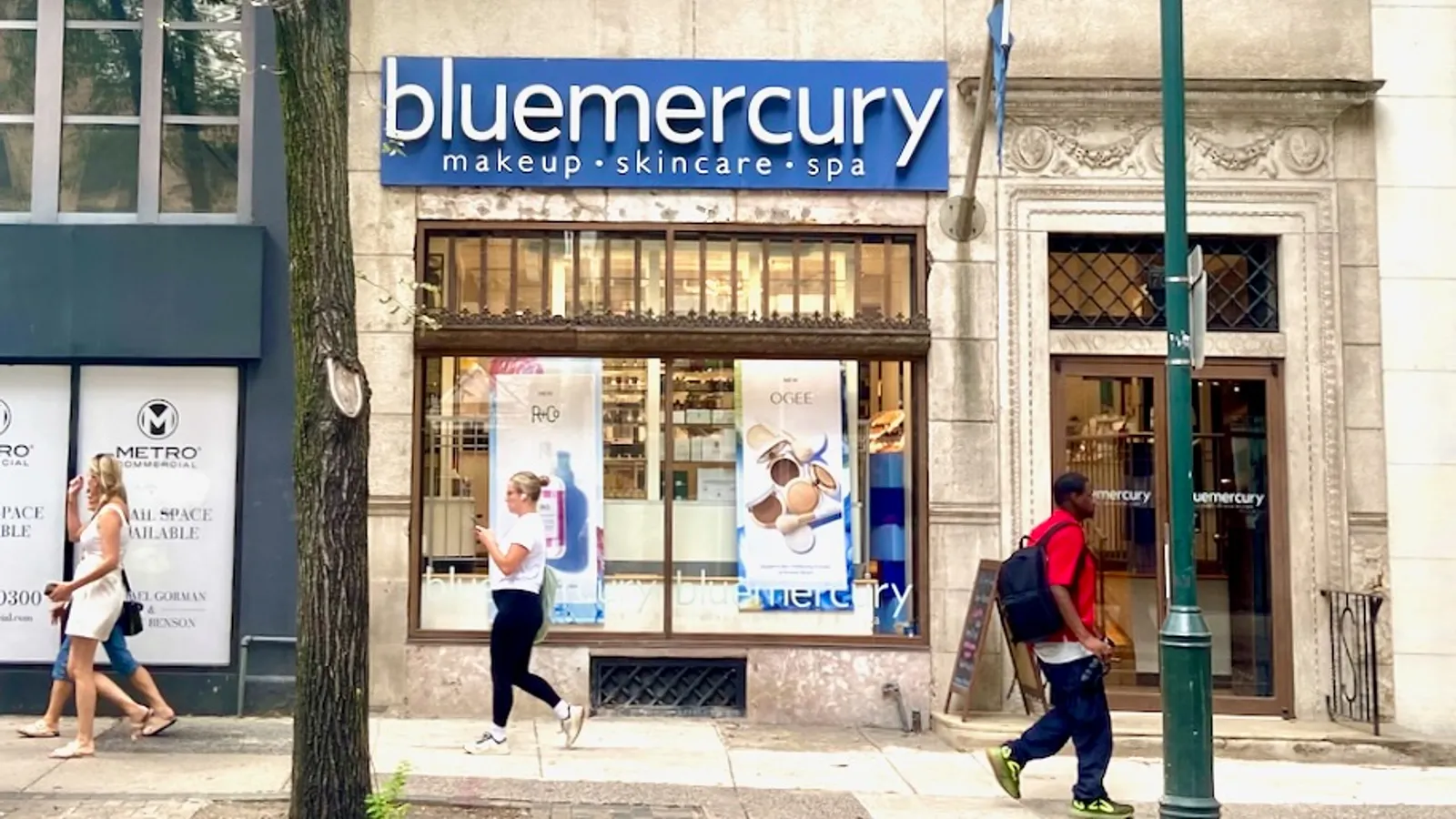
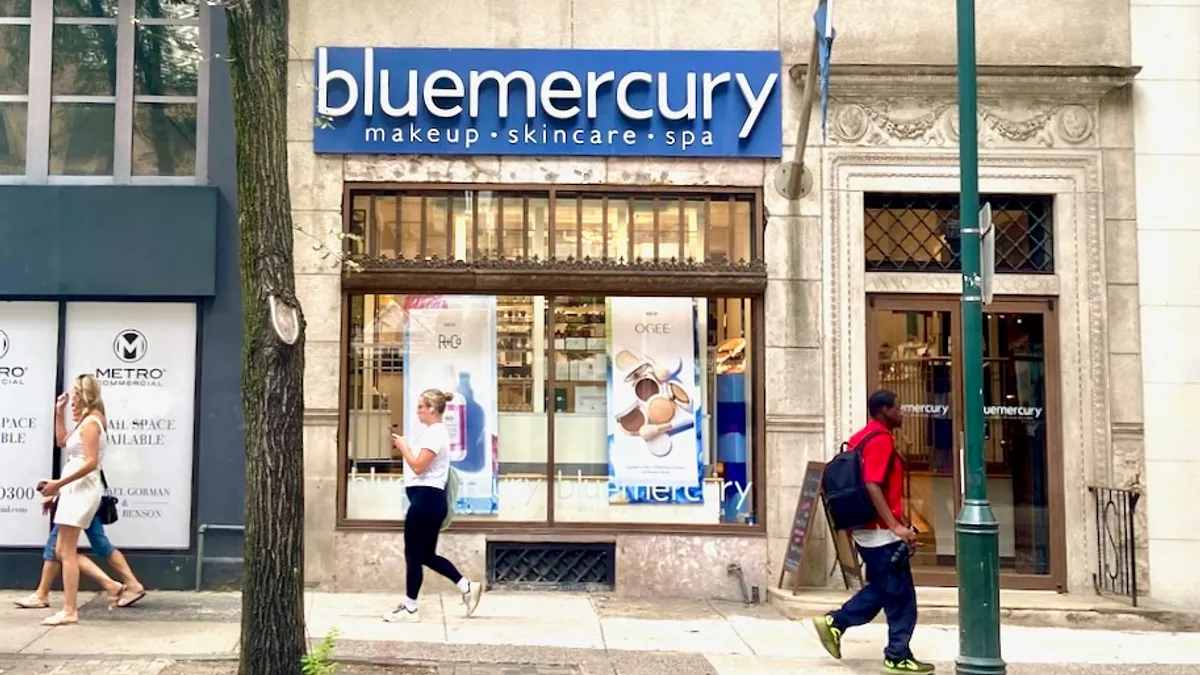
The core of Dattner’s role will involve elevating the customer experience, curating an evolving assortment of luxury products, and ensuring that Bluemercury maintains its edge as a boutique-style destination in a market increasingly dominated by massive omnichannel retailers.
Chronology: Two Decades of Retail Excellence
To understand the weight of Dattner’s appointment, one must examine her career trajectory at Bloomingdale’s, where she became an architect of the store’s modern beauty identity.
- 2007–2017 (The Formative Years): Dattner spent the early portion of her tenure rising through the ranks, developing an intimate understanding of the beauty and fragrance consumer.
- 2017–2024 (The Beauty Lead): For seven years, Dattner served as the division head for Bloomingdale’s beauty and fragrance. This era was defined by aggressive portfolio expansion, where she successfully integrated emerging indie brands into the traditional department store model. She was instrumental in launching new beauty concepts that prioritized discovery and experiential retail.
- 2024–2026 (Strategic Integration): Most recently, Dattner served as Senior Principal of Strategic Capital Planning and Brand Integration. This role expanded her scope beyond the beauty floor, tasking her with overseeing store-wide capital strategy and complex brand integration initiatives. This experience gave her a bird’s-eye view of how luxury brands must evolve to meet the needs of a changing retail landscape.
- October 2026: Dattner transitions to the Bluemercury executive team, marking the beginning of a new chapter for the retailer under the leadership of Choueiri.
Supporting Data: Bluemercury as a Performance Engine
For Macy’s Inc., the importance of Bluemercury cannot be overstated. While the flagship Macy’s department store banner continues to navigate a challenging, multi-year turnaround, the luxury segment has provided a reliable bedrock of growth.
Comparative Performance Metrics
In the most recent fiscal quarter, Bluemercury reported a comp-store sales increase of more than 6%. This growth outpaces many of its department store peers and reflects the brand’s ability to retain high-net-worth customers even in periods of macroeconomic volatility.
Market Context
Industry analysts note that while Bluemercury occupies a smaller footprint than national titans like Sephora or Ulta Beauty, its "forward potential" is substantial. According to Neil Saunders, Managing Director of GlobalData, the brand is currently punching above its weight.

"While the business is a smaller part of the beauty market compared to chains like Sephora and Ulta, it has a lot of forward potential to become a more significant part of the market and of greater benefit to Macy’s," Saunders noted in recent commentary. The brand’s ability to offer a curated, intimate, and personalized service model—a stark contrast to the self-service heavy models of larger chains—is its primary competitive advantage.
Official Responses and Executive Vision
The appointment has been met with enthusiasm from the top of the organization. CEO Alexandre Choueiri underscored the necessity of Dattner’s specific skill set in his official statement:
"Stacie is an exceptional merchant and leader who brings a deep understanding of luxury retail and the client experience, along with a strong perspective on beauty," Choueiri said. "Her ability to bridge the gap between high-level strategic capital planning and on-the-ground merchant execution is exactly what we need as we look to scale our proprietary brands and deepen our vendor partnerships."
For her part, Dattner has expressed a commitment to honoring the heritage of the Bluemercury brand while pushing it into new frontiers of the luxury market. Her focus will be on "strengthening its distinctive point of view," a phrase that suggests a move toward more exclusive product drops, enhanced store design, and potentially, a more aggressive digital-first loyalty strategy.
Implications: The Road Ahead for Luxury Beauty
The integration of Dattner into the Bluemercury fold carries several long-term implications for the retail sector.

1. The "Boutique" vs. "Big Box" Battle
As Sephora and Ulta continue to expand their physical presence, the mid-tier luxury space is becoming increasingly crowded. Bluemercury’s strategy, bolstered by Dattner, appears to be a defense of the "boutique" experience. By focusing on curated assortments rather than endless SKU counts, the brand is positioning itself as a destination for the discerning consumer who values expert consultation over speed of service.
2. Synergy Within Macy’s Inc.
The fact that Choueiri reports to Bloomingdale’s CEO Olivier Bron, and that Dattner is coming directly from the Bloomingdale’s executive suite, signals a tighter operational marriage between these two luxury banners. We can expect to see more shared logistical resources, cross-brand marketing initiatives, and perhaps even integrated loyalty programs that allow a shopper to move seamlessly between the high-end department store environment of Bloomingdale’s and the boutique luxury of Bluemercury.
3. The Future of Proprietary Brands
Dattner’s expertise in "brand integration" suggests that Bluemercury may soon ramp up its private label and exclusive proprietary brand offerings. In the current economic climate, retail margins are tighter than ever. Controlling the supply chain and owning the brand IP is a proven path toward protecting profitability. Dattner’s background in vendor marketing will be crucial in ensuring these proprietary brands sit comfortably alongside industry giants without diluting the store’s premium reputation.
4. Navigating the Turnaround
For Macy’s Inc., Bluemercury is the "bright spot" that keeps investors interested during the broader turnaround of the legacy department store business. If Dattner can accelerate the growth of the brand, it provides Macy’s with the capital and the reputational capital to continue restructuring the larger flagship stores. Success at Bluemercury is not just a win for the boutique brand—it is a vital component of the entire company’s survival and evolution strategy.
Conclusion: A Pivot Toward Premium
As the retail landscape moves further into the late 2020s, the battle for the beauty consumer is being fought on the fronts of personalization and exclusivity. Stacie Borteck Dattner’s move to Bluemercury is not just a routine corporate hire; it is a strategic maneuver designed to secure the brand’s place as the premier boutique destination in the U.S.
By combining the institutional knowledge of a legacy department store leader with the agile, luxury-focused vision of a Kering-trained CEO, Bluemercury is signaling to its competitors that it intends to grow its market share through superior curation and an uncompromising commitment to the luxury client. Whether this leadership team can scale that intimate experience to a larger national audience remains the critical question, but with the backing of Macy’s Inc. and the strategic foresight of executives like Dattner, the brand is well-positioned for its next phase of evolution.