For years, the multi-device user has faced a logistical headache: managing two separate mobile numbers, juggling SIM cards, or tethering a secondary device to a primary one. Whether for the sake of separating work and personal life, or simply wanting to keep a high-end device safe during travel while using a more rugged "beater" phone, the friction of dual-device ownership has been a persistent reality.
With the unveiling of iOS 27, Apple has finally addressed this pain point with the introduction of "iPhone Handoff." This feature represents a fundamental shift in how Apple handles cellular identity, allowing a single mobile number to exist natively on two iPhones simultaneously.
Main Facts: Redefining the Multi-Phone Ecosystem
The premise of iPhone Handoff is deceptively simple: it allows users to extend their primary cellular identity to a second device without the need for manual SIM swapping or convoluted call forwarding. Unveiled during the recent "Surprise and Shine" event on September 9, 2026, the feature is designed to be largely invisible to the end-user.
Once configured, the two devices operate in tandem. When a user picks up their secondary iPhone and unlocks it, the network recognizes the shift. A subtle, elegant notification appears within the Dynamic Island, signaling that the device is now the active participant in the user’s cellular ecosystem. From that point on, calls, iMessages, and data traffic are routed through the device in the user’s hand.
Key capabilities of the feature include:
- Unified Messaging and Calling: Both devices handle SMS and FaceTime calls using the same phone number.
- Synchronized Payment Tokens: Payment cards added to the primary device’s Apple Wallet are accessible on the secondary device, simplifying purchases on the go.
- Cloud Continuity: Most apps and iCloud services sync instantly, ensuring that a session started on the "iPhone Duo" can be picked up on a smaller, secondary device.
However, the feature is not a "magic mirror" for every function. It does not currently support the switching of a paired Apple Watch between the two iPhones, and specific secure elements—such as government-issued IDs or certain transit passes—remain locked to the primary device for security reasons.
Chronology: From WWDC Teasers to Global Launch
The journey to iPhone Handoff began in mid-2026 during Apple’s Worldwide Developers Conference (WWDC). During the keynote, Apple briefly teased a feature dubbed "Project Continuity Link," which aimed to blur the lines between hardware silos. At the time, speculation ran rampant, with many analysts suggesting it would be a niche update for iPad and Mac integration.
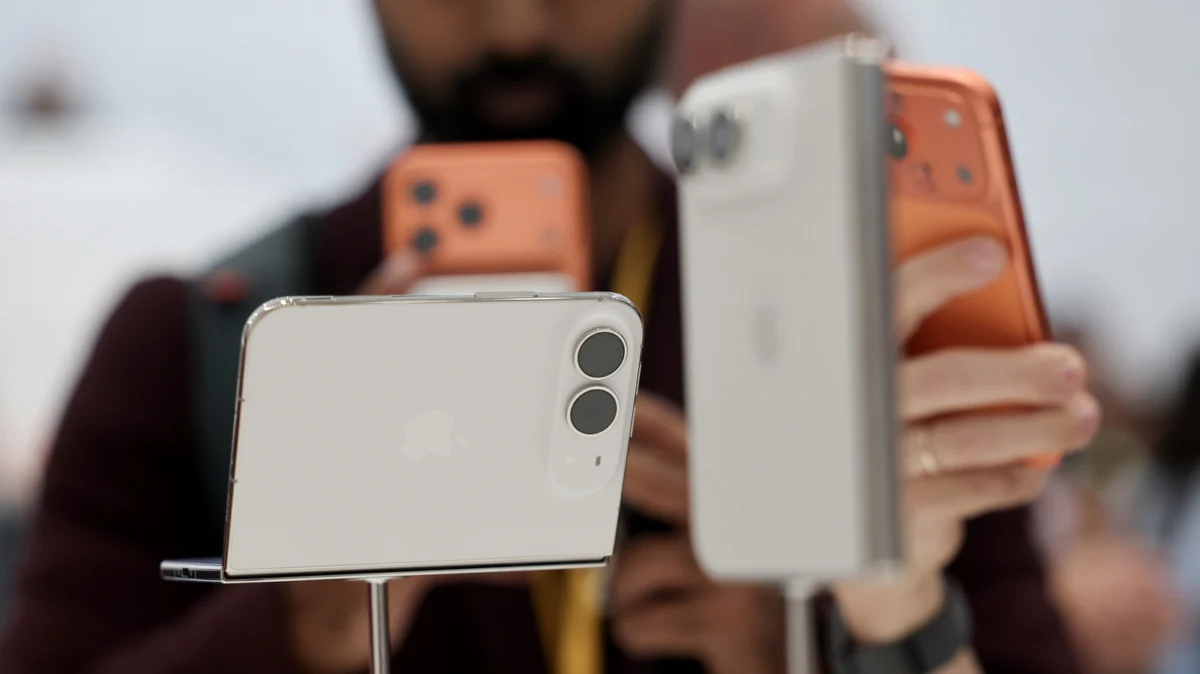
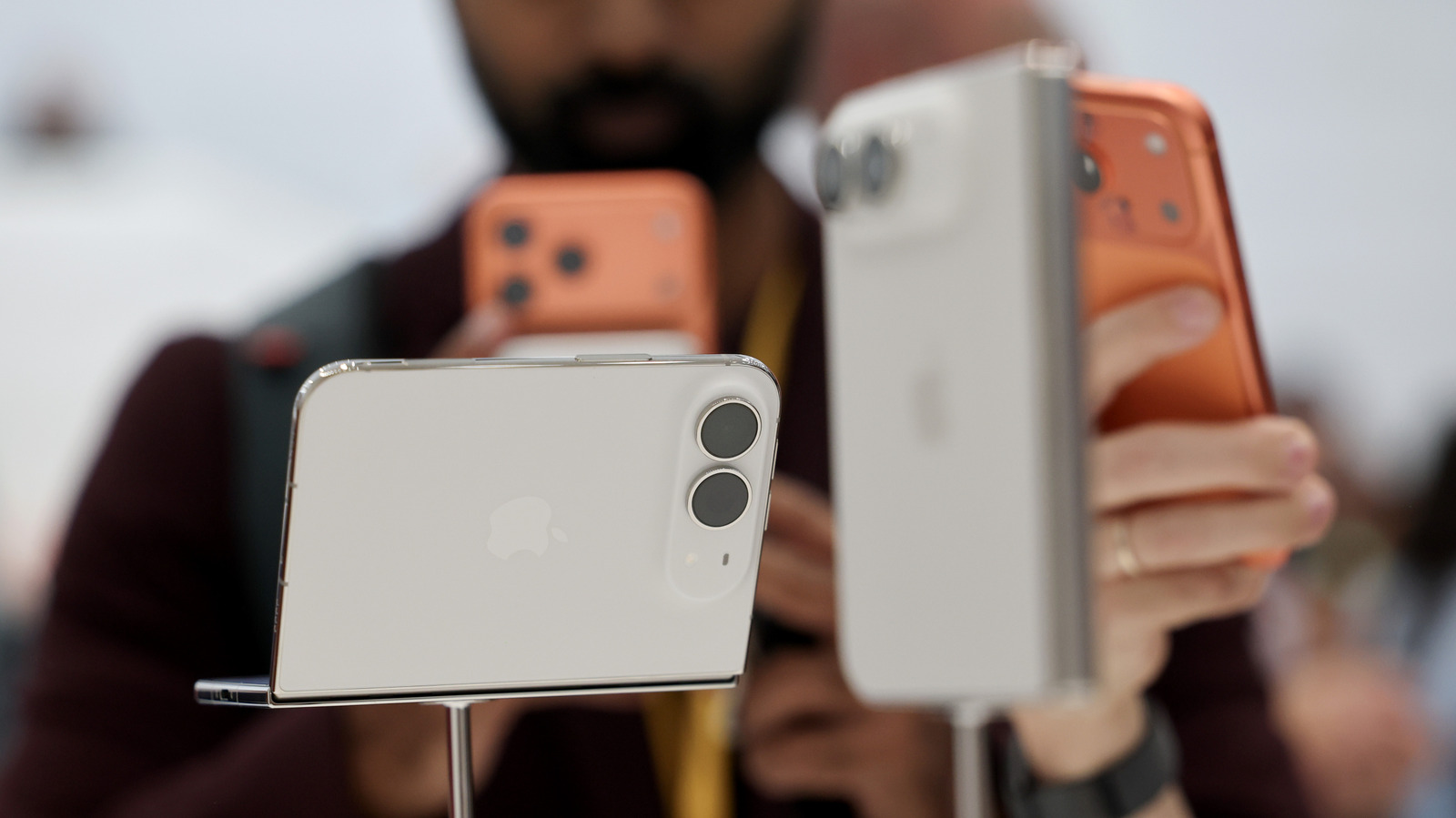
It wasn’t until the September 9 "Surprise and Shine" event that the full scope of the technology was revealed. Apple executives positioned it as the "logical evolution of the iPhone ecosystem," specifically highlighting the use case of the premium $2,000 iPhone Duo alongside more specialized hardware.
Following the event, the beta cycle for iOS 27 saw rigorous testing, with carrier partners working to implement the backend protocols required to host a single IMSI (International Mobile Subscriber Identity) across two distinct IMEI (International Mobile Equipment Identity) numbers. By late 2026, the feature moved from experimental status to a core pillar of the iOS 27 launch.
Supporting Data and Technical Requirements
Implementing iPhone Handoff is not merely a software toggle; it requires a sophisticated handshake between the user’s Apple Account, the local Wi-Fi environment, and the carrier’s core network.
Prerequisites for Activation
To utilize iPhone Handoff, users must ensure their hardware and account environment meet the following criteria:
- OS Requirements: Both devices must be running iOS 27 or later.
- Account Synergy: Both phones must be signed into the same Apple Account, with iCloud, FaceTime, and iMessage configured identically.
- Network Proximity: During the initial setup phase, both devices must be on the same Wi-Fi network to authorize the handshake.
- Carrier Support: This is the most significant hurdle. The feature requires the carrier to support "Shared Number Provisioning." Currently, only T-Mobile in the United States and Telekom in Germany have officially launched support.
The Cost of Convenience
While Apple has baked the feature into the OS for free, the carriers are taking a different approach. T-Mobile has confirmed a $5 monthly surcharge for the privilege of "Handoff" service. This fee covers the administrative cost of the secondary device’s network registration and the increased bandwidth usage on the carrier’s HLR/HSS (Home Location Register/Home Subscriber Server) databases.
Official Responses and Carrier Strategies
The response from the telecommunications industry has been measured. While T-Mobile and Telekom were the first to jump on board, other global carriers are taking a "wait and see" approach.
In a brief press statement, a T-Mobile spokesperson noted: "We are excited to work with Apple to enable the next generation of mobile flexibility. Our network is uniquely positioned to handle the dynamic routing required to make iPhone Handoff feel instantaneous. We believe the $5 service fee offers significant value to power users who currently pay for a second line or struggle with the limitations of physical SIM cards."
Apple, conversely, has remained focused on the user experience. In their documentation, they emphasize the "frictionless" nature of the transition. They have also been clear about the limitations: the primary device remains the "master" of the carrier settings. If a user wishes to decommission a secondary device, they must work with their carrier to unprovision the number from the second device’s eSIM, a move that ensures network security and prevents unauthorized device cloning.
Implications: The Future of the "Multi-Device" User
The introduction of iPhone Handoff has profound implications for how we define "owning a phone."
The End of the "Secondary Device" Stigma
For years, the secondary phone was either a hand-me-down or a cheap burner. With the rise of high-end, specialized devices like the iPhone Duo, users are increasingly moving toward a "device for the task" mentality. One might use a high-performance model for professional creative work and a smaller, more portable model for a night out or travel. iPhone Handoff removes the mental tax of switching, turning two phones into one coherent mobile experience.
Security and Privacy Concerns
Security researchers have noted that while the feature is convenient, it increases the attack surface. If a user loses their secondary device, they are effectively losing a "live" connection to their primary number. Apple has countered this by requiring the same biometric authentication (Face ID) for the secondary device as the primary, and by ensuring that if one device is flagged as "Lost" via Find My, the Handoff credentials can be remotely revoked without affecting the primary phone.
The Competitive Landscape
This move puts immense pressure on other smartphone manufacturers. Android, which has long relied on Google’s "Device Pairing" and "Messages for Web" to bridge the gap between devices, now faces a challenge from Apple’s deeper, carrier-integrated approach. By controlling both the hardware and the OS-level integration, Apple has created a "walled garden" that is significantly more attractive to the professional and enterprise sectors.
Conclusion
iPhone Handoff is more than just a software trick; it is a signal that Apple understands the changing habits of its most dedicated users. By removing the barriers to using multiple devices, Apple is encouraging its customers to invest in a broader range of hardware, tailored to their specific needs throughout the day.
While currently limited by carrier adoption and a small surcharge, the technology is a clear indicator that the future of mobile connectivity is not about the device itself, but about the identity of the user. As more carriers join the fold and the technology matures, we may look back at the era of the "single-device lifestyle" as a relic of the past, replaced by a fluid, multi-device ecosystem that moves exactly where we do.