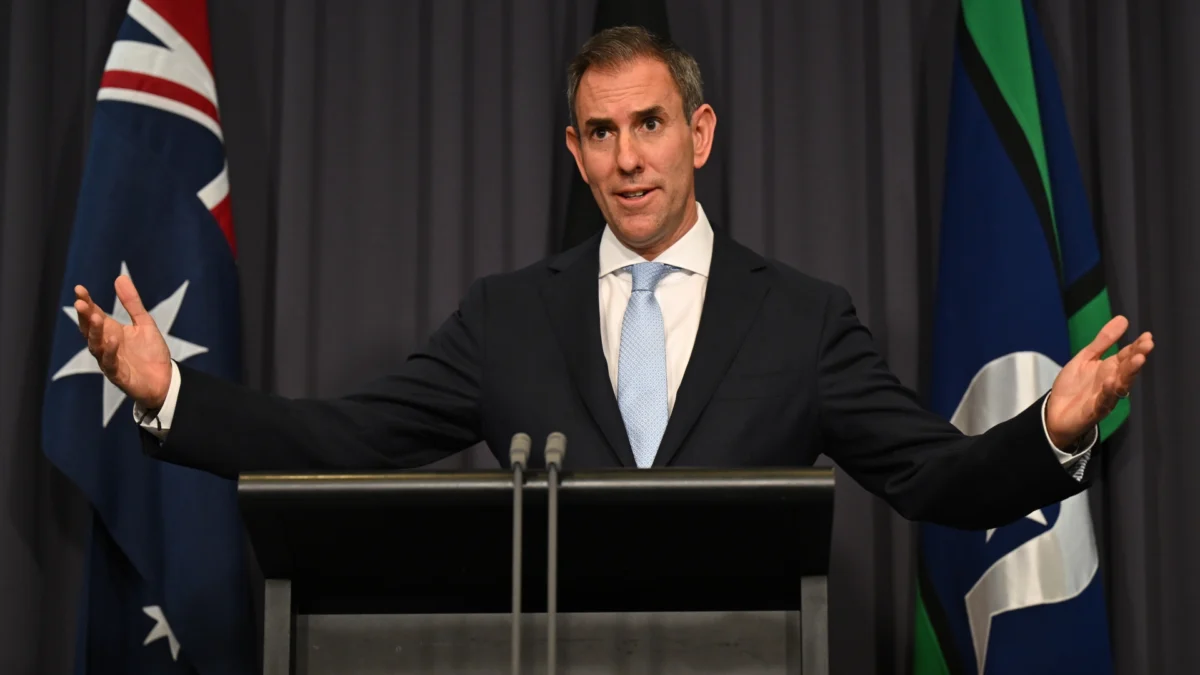
In a move designed to calm a growing storm of public and business-sector discontent, Federal Treasurer Jim Chalmers has announced a significant funding intervention to ensure the Australian Taxation Office (ATO) continues to accept credit card payments for tax liabilities. The decision, revealed on Friday, provides a critical bridge for taxpayers and businesses, extending the facility until July 2027.
The intervention follows a period of intense lobbying from industry groups and small business advocates, who had warned that the ATO’s plan to cease credit card processing would create a "logistical nightmare" for thousands of taxpayers. While the funding provides a temporary reprieve, the underlying fiscal pressures—specifically the costs associated with payment surcharges—remain a point of contention in the corridors of Canberra.
The Genesis of the Conflict: A $200 Million Dilemma
The controversy began when the ATO signaled its intent to discontinue credit card payments as an accepted method for settling tax debts after November 30, 2026. The rationale provided by the tax office was rooted in the evolving landscape of merchant fees and the federal government’s recent legislative crackdown on excessive payment surcharges.
Under current regulations, the ATO is prohibited from passing on the cost of credit card merchant fees to taxpayers. Consequently, the tax office found itself in the position of absorbing these costs directly. Projections indicated that this policy would cost the ATO approximately $200 million annually. Tax officials argued that these funds, which are ultimately drawn from the public purse, would be better utilized in core service delivery and compliance activities rather than being paid to financial institutions to facilitate credit card transactions.
However, the announcement was met with immediate, fierce backlash. Critics argued that removing the ability to pay by credit card would disproportionately affect small businesses and individuals who rely on the liquidity provided by credit to manage cash flow fluctuations during peak tax seasons.
Chronology of the Dispute
- Early 2026: Initial reports emerge regarding the ATO’s internal review of payment processing costs.
- March 2026: Small Business Minister Anne Aly publicly acknowledges the concerns surrounding the potential ban, urging the ATO to find "a way forward" that does not alienate the business community.
- August 2026: Business advocacy groups escalate their campaign, citing the importance of credit card flexibility for tax compliance.
- September 2, 2026: Treasurer Jim Chalmers holds a press conference in Canberra to address the broader economic climate, where the mounting pressure regarding the ATO’s payment policies is brought to the fore.
- September 4, 2026: The Federal Government formally announces a funding injection to maintain credit card acceptance until July 2027.
Official Responses: Balancing Fiscal Responsibility and Service
The government’s response has been a delicate balancing act between maintaining fiscal discipline and ensuring that essential government services remain accessible.
Treasurer Jim Chalmers, flanked by Minister for Small Business Anne Aly and Assistant Treasurer Daniel Mulino, emphasized that the decision was driven by a desire to avoid disruption. "We understand the importance of flexibility for Australian businesses and individuals," Chalmers stated. "This funding ensures that we do not force a change in behavior that would negatively impact the economy at a time when we are already navigating complex fiscal headwinds."
Minister Anne Aly, who had previously faced pressure to intervene, expressed satisfaction with the outcome. "Small businesses have been very clear about the impact this would have had on their cash flow management," she noted. "This extension allows us to work through a more sustainable, long-term solution that protects the taxpayer from unnecessary costs while maintaining the services they expect."
Assistant Treasurer Daniel Mulino added that the government remains committed to ensuring that the ATO’s digital infrastructure is modern and cost-efficient. "The goal has never been to restrict payment options, but to ensure that the public cost of those options is sustainable. We are using this time to evaluate how we can modernize payment systems without shifting the burden onto the public treasury."
Supporting Data: Why the $200 Million Matters
To understand the scale of the issue, one must look at the mechanics of Australian payments. Financial institutions charge merchant fees for processing credit card transactions, typically ranging from 0.5% to 2% of the transaction value. When a taxpayer pays a $50,000 tax bill via credit card, the "cost" to the government in fees can be significant.
In the 2025–2026 financial year, the ATO processed billions of dollars in payments. With the rise of high-value credit card transactions for tax settlements, the $200 million annual cost estimate was not merely a budgetary figure—it represented a tangible leakage from the federal budget.
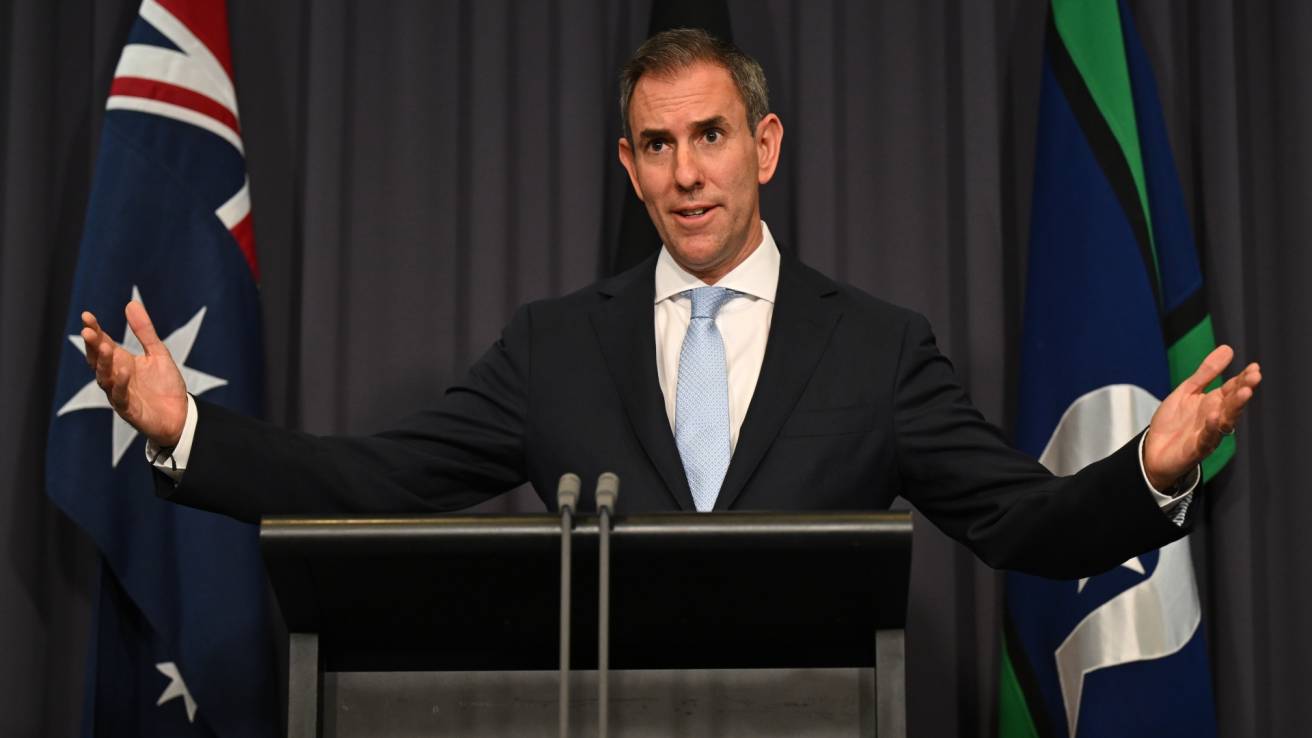
Economists have pointed out that while $200 million is a fraction of the total federal budget, it is a politically sensitive number. During a period of high inflation and interest rate sensitivity, the government is wary of any move that could be perceived as increasing the cost of doing business. Conversely, for the ATO, the challenge is to prevent "leakage" in a system where they are legally barred from recouping their own transaction costs.
Implications for Small Business and Individual Taxpayers
For the average small business owner, the news is a significant relief. In the Australian economy, where cash flow is often "tight," the ability to use a credit card as a short-term financing tool is critical. Many businesses utilize credit cards to pay their quarterly Business Activity Statements (BAS), effectively using the bank’s credit to bridge the gap until their own receivables are paid.
"If the ATO had gone ahead with the ban, we would have seen an immediate drop in compliance," said a representative from a leading national business association. "Small businesses operate on razor-thin margins. The ability to use a credit card is often the difference between staying current with tax obligations and falling into arrears."
For the individual taxpayer, the impact is less acute but still relevant. Many Australians use credit cards for personal tax payments to earn reward points or to manage personal budget cycles. The removal of this option would have represented a significant reduction in consumer utility.
Looking Ahead: The Clock is Ticking
The extension until July 2027 provides a window of approximately 10 months. However, the underlying problem—how to process payments without the government bearing a massive annual cost—remains unresolved.
The government has indicated that the coming months will involve a comprehensive review of the ATO’s payment systems. This may involve:
- Exploring Alternative Payment Rails: The government may look into promoting the use of the New Payments Platform (NPP) or PayTo services, which offer real-time, low-cost bank transfers that bypass traditional credit card networks and their associated high fees.
- Legislative Reform: There is speculation that the government might consider amending the rules surrounding surcharges to allow for a more nuanced approach, potentially permitting the ATO to pass on transaction costs to taxpayers under specific, regulated circumstances.
- Modernizing the ATO Interface: A significant overhaul of the ATO’s online portal could be in the cards to encourage taxpayers to move away from legacy credit card systems toward more efficient, low-cost digital payment methods.
Industry experts caution that if a sustainable solution is not found by mid-2027, the government will likely face the same "firestorm" of criticism all over again. The challenge will be to socialize the idea of moving toward lower-cost payment methods before the deadline, ensuring that by the time the subsidy expires, the taxpayer base is ready to transition to alternative technologies.
Conclusion: A Temporary Fix to a Structural Problem
The decision by Treasurer Jim Chalmers to fund the ATO’s credit card acceptance until 2027 is a classic example of political pragmatism. It addresses an immediate pain point for a vocal constituency—small business owners—while buying the government the necessary time to address a structural fiscal challenge.
However, the $200 million price tag is a stark reminder of the costs associated with maintaining legacy payment systems in an era of rapidly evolving financial technology. As the government pivots toward the next phase of its economic agenda, the "credit card question" will serve as a bellwether for its ability to balance fiscal responsibility with the digital expectations of the Australian public.
For now, taxpayers can breathe a sigh of relief. But the countdown to July 2027 has already begun, and the pressure is on the Treasury and the ATO to deliver a permanent, cost-effective solution that works for everyone.