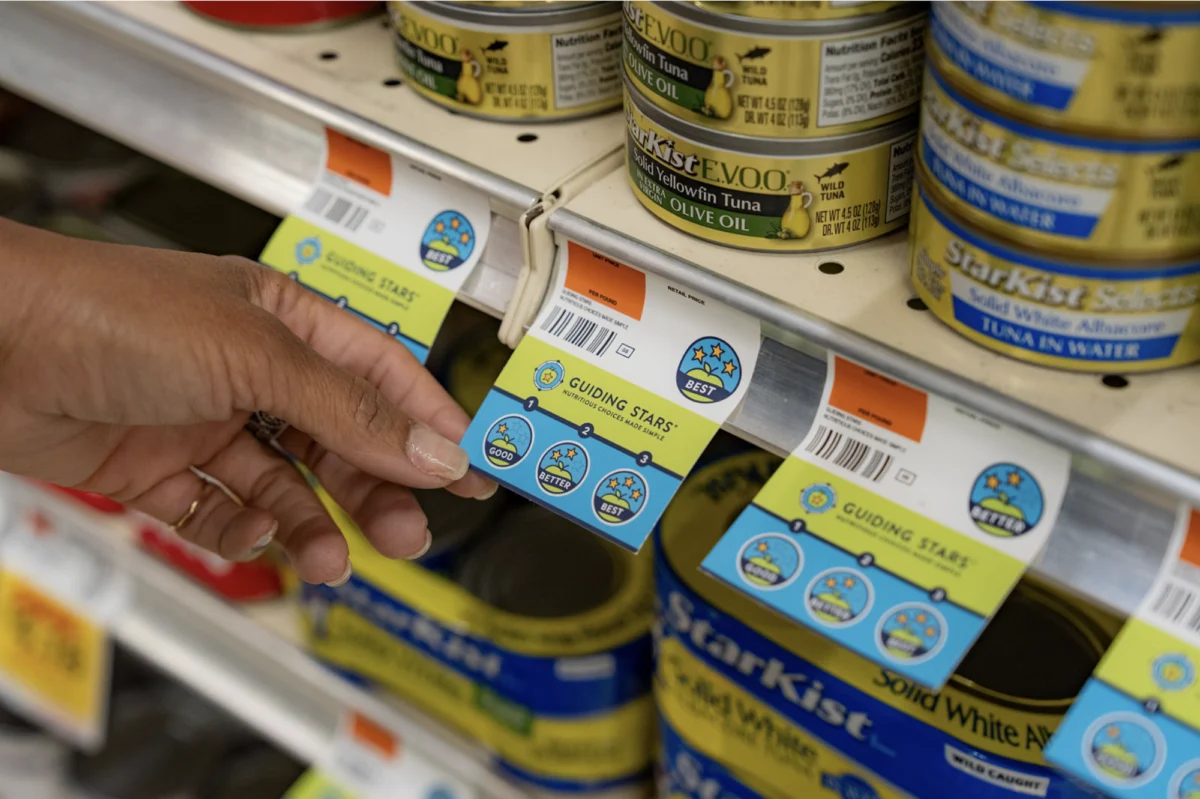
In the modern supermarket, the path to a healthy diet is often obscured by a thicket of conflicting advice. For the average consumer, navigating the grocery aisles can feel like a high-stakes guessing game, pitted against a $300 billion weight-loss industry that thrives on the cyclical nature of "miracle" diets. From the cabbage soup fads of yesteryear to the high-tech pharmacological interventions of today, the quest for optimal health has been defined more by marketing trends than by clinical consensus.
For two decades, the Guiding Stars nutrition guidance program has served as a lighthouse in this sea of confusion. By distilling complex, evidence-based nutritional science into a simple, star-based rating system, the program has helped demystify the grocery shopping experience. As Guiding Stars celebrates its 20th anniversary, it offers a unique vantage point to look back at two decades of nutritional volatility and examine how science-backed guidance has remained a steady, evolving constant amidst the noise.
The Cost of Confusion: Social Determinants and Nutritional Literacy
To understand why nutrition guidance is so vital, one must first recognize that dietary choices are not made in a vacuum. Public health experts emphasize the "social determinants of health"—factors such as income level, neighborhood infrastructure, access to fresh produce, and the time available for meal preparation. When a consumer is forced to choose between convenience and quality, or budget and nutrition, the complexity of food labeling can become an insurmountable barrier.
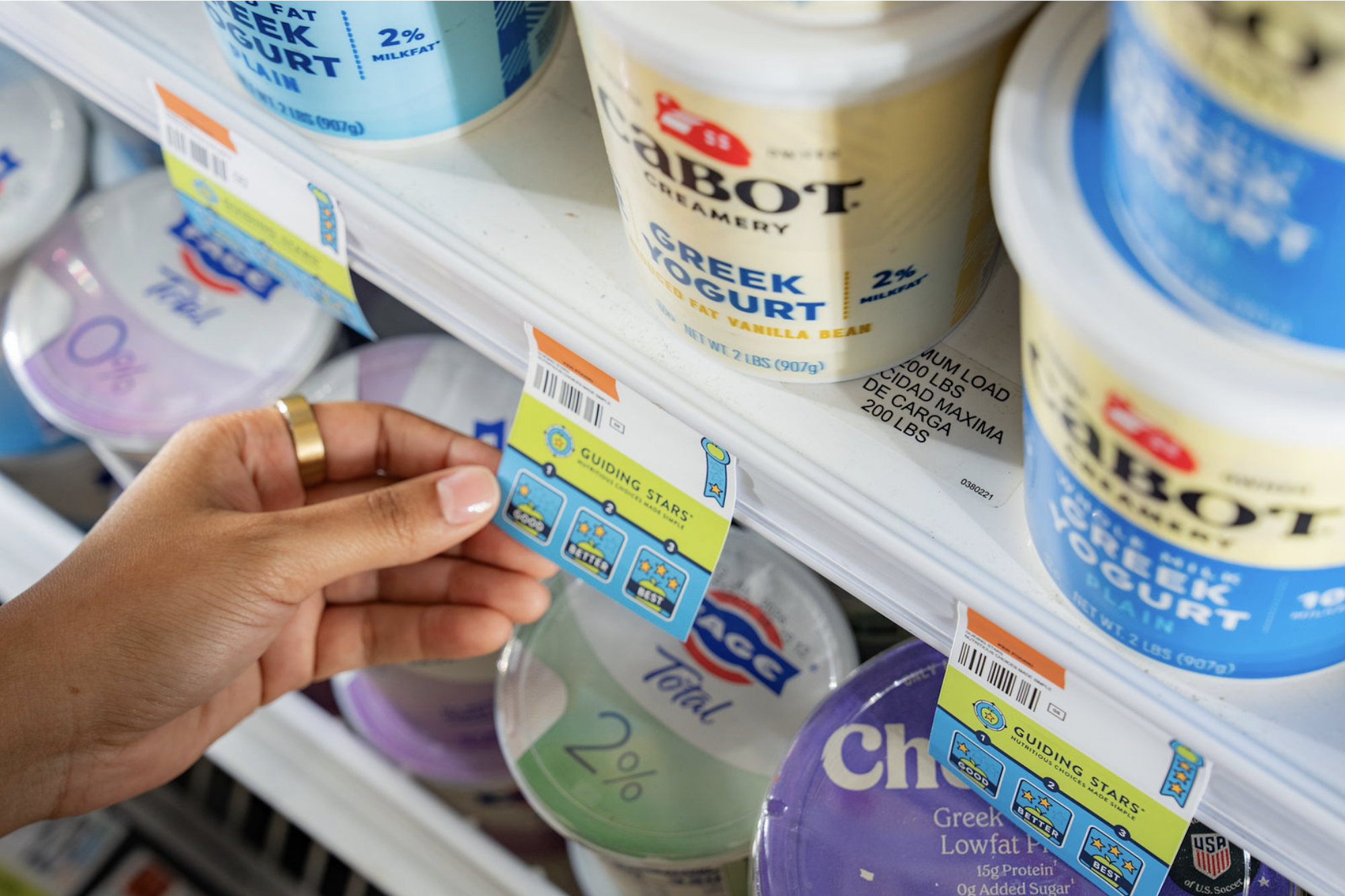
The Guiding Stars program was born in 2006 out of a fundamental need: to provide shoppers with an unbiased, transparent, and immediate metric to evaluate the nutritional density of products. By moving away from restrictive diet culture—which often demonizes entire food groups—and toward a model of ingredient diversity and nutrient density, the program has provided a practical tool for real-world application.
A Chronology of Consumption: Two Decades of Dietary Trends
The history of the last 20 years is a testament to how quickly public perception of "healthy" can shift. By tracking these fads, we can see a clear pattern: the more a trend relies on rigid restriction, the faster it tends to fizzle out.
The 2000s: The Low-Carb Revolution
At the dawn of the millennium, the dietary zeitgeist was dominated by the resurgence of the Atkins Diet and the emergence of the South Beach Diet. These programs fundamentally altered the American relationship with carbohydrates, shifting the spotlight toward fats and proteins. While these diets saw massive commercial success, they often led to a fractured understanding of nutrition. Consumers were left wondering if fruit was "bad" due to sugar content or if whole grains were suddenly the enemy.
Amidst this, the 2005 Dietary Guidelines for Americans attempted to course-correct, advocating for nutrient-dense, diverse food groups. Guiding Stars launched during this climate, providing a scientific counter-narrative to the "carb-phobia" of the time by prioritizing fiber, vitamins, and minerals.
The 2010s: From Paleo to Plant-Based
The subsequent decade saw a pivot toward "ancestral eating." The Paleo diet encouraged a return to pre-agricultural consumption, while simultaneously, the "juice cleanse" craze promised rapid detoxification. Both trends were characterized by an extreme approach to caloric intake and food groups.
The scientific community, represented by the 2010 Dietary Guidelines, pushed back with the introduction of "MyPlate," a visual tool designed to simplify portions into a balanced framework of vegetables, fruits, grains, and proteins. During this era, Guiding Stars underwent rigorous algorithmic updates, responding to the growing evidence that added sugars and refined grains were the primary culprits behind metabolic health issues, rather than the fats or carbohydrates that were previously targeted by fad diets.
The 2020s: Bio-Hacking and the GLP-1 Era
Today, we are witnessing a shift toward bio-hacking, gut-health optimization, and the rise of GLP-1 receptor agonists (such as Ozempic). While pharmacological solutions for weight management are now at the forefront of public discourse, the necessity for foundational nutrition remains unchanged. The current landscape is one of high-tech interest, yet more than 60 percent of Americans still live with at least one chronic disease. The need for simple, evidence-based guidance at the point of purchase has never been more critical.
The Architecture of Evidence: How Ratings Evolve
The efficacy of a nutrition program is only as good as the science that underpins it. Guiding Stars operates on a proprietary algorithm developed by an independent scientific advisory panel. This panel does not rely on trends; it relies on the consensus of global health authorities, including the USDA and the World Health Organization.
The system functions on a binary of "attributes to encourage" and "attributes to limit." Products containing fiber, whole grains, and omega-3 fatty acids are rewarded, while those high in added sugars, chemical preservatives, or artificial colors see their scores adjusted downward.
As nutrition science advances, so does the algorithm. In 2022, for instance, the program introduced a specialized beverage algorithm to better account for the specific nutritional profiles of liquids, which are often overlooked in standard solid-food metrics. Regular updates in 2023, 2024, and 2025 demonstrate a commitment to reflecting the most current research on non-nutritive sweeteners and ultra-processed ingredients.
Supporting Data: Does Guidance Actually Work?
Critics often argue that nutritional labels are ignored by the average shopper. However, data from the International Food Information Council (IFIC) indicates that nearly 90 percent of consumers consult package information before making a purchase. The challenge, therefore, is not a lack of interest, but a lack of clarity.
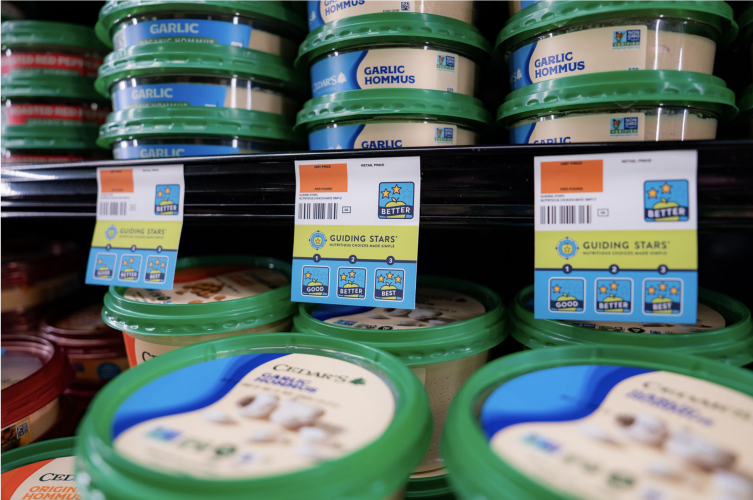
Research published in Food Policy in 2013 provided empirical support for the impact of Guiding Stars, showing that the presence of shelf-tag scoring significantly shifted consumer demand toward more nutritious options. Similar studies in both the U.S. and Canada have corroborated these findings, proving that when provided with a "good, better, best" indicator, consumers consistently opt for higher-scoring products. This behavior modification is not the result of marketing, but of a simplified decision-making process that aligns with the consumer’s subconscious desire to eat better.
Official Responses and Public Health Implications
The impact of the Guiding Stars program has not gone unnoticed by federal health authorities. In 2009, the U.S. Surgeon General explicitly cited the program as a positive influence on national nutrition efforts during the CDC’s inaugural Conference on Obesity Prevention.
The broader implication of this 20-year experiment is that health literacy is a public good. By partnering with grocers, schools, and hospitals, Guiding Stars has helped bridge the gap between abstract nutritional science and the concrete realities of the grocery store aisle. As we look toward the next 20 years, the focus is shifting from simply labeling food to integrating nutrition guidance into the digital ecosystem—through mobile apps and personalized health tracking—ensuring that even in an age of rapid dietary change, the core principles of evidence-based health remain accessible to everyone.
Conclusion: The Constant in a Changing World
The last two decades have proven that while the "diet of the month" will always find an audience, the fundamental pillars of human health remain remarkably consistent: eat more fiber, reduce added sugars, and prioritize nutrient-dense, whole foods.
As Guiding Stars enters its third decade, it stands as a case study in the power of evidence-based simplicity. By resisting the temptation to follow fads and instead anchoring itself to the slow, steady progression of clinical science, the program has provided a roadmap for consumers. In a world that is increasingly complex, the simple, star-based icons on a grocery shelf serve as a reminder that the best path to health is not found in the latest trend, but in the informed, daily choices we make in the aisles of our local stores.