In an era where flagship smartphones frequently command prices exceeding $1,200, the allure of the "budget" handset has never been stronger. For many consumers, a phone is simply a utility—a tool for communication, navigation, and occasional media consumption—that does not necessitate a month’s rent in capital. However, the budget segment of the Android market is notoriously treacherous. It is a landscape littered with devices that look the part on a spec sheet but fail the "real-world" test of daily endurance.
To secure a reliable Android device for $300 or less, one must become a discerning critic of internal hardware. While you can comfortably sacrifice premium materials like aerospace-grade titanium or sophisticated telephoto lenses, compromising on core performance metrics leads to a cycle of frustration, obsolescence, and unnecessary electronic waste.
The Foundation of Functionality: Screen and RAM Standards
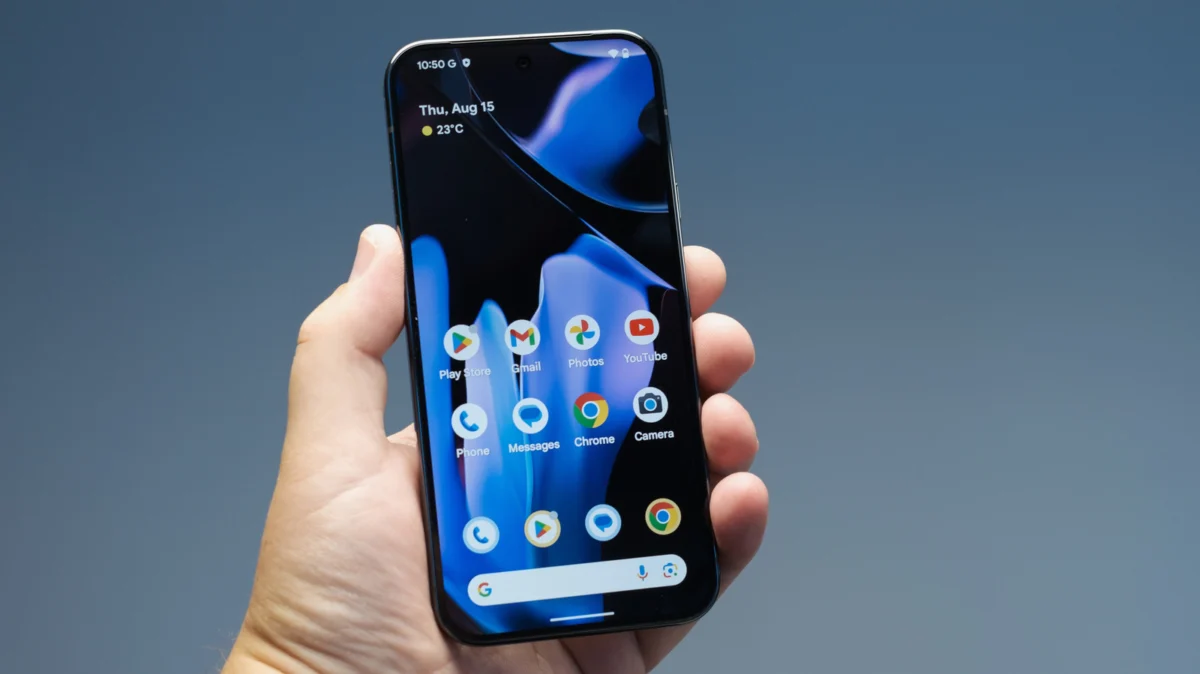
The primary point of contact between user and device is the display. In the early days of the smartphone revolution, a 4-inch screen was considered expansive; today, such dimensions are debilitating.
Display Technology and Ergonomics
For a device to remain relevant in the modern digital ecosystem, it requires a minimum screen size of 6.1 inches. This footprint provides the ideal balance between screen real estate—necessary for navigating complex web pages and multitasking—and physical ergonomics.
More importantly, display technology has evolved beyond mere size. A modern budget device must utilize an AMOLED panel. Unlike traditional LCDs, AMOLED technology offers true blacks and higher contrast ratios, which are essential for readability. Furthermore, peak brightness is a critical metric; look for a display capable of at least 1,000 nits. Anything less will render the device virtually useless under the direct glare of sunlight, a common failure point for bottom-tier budget handsets.
The Memory Bottleneck
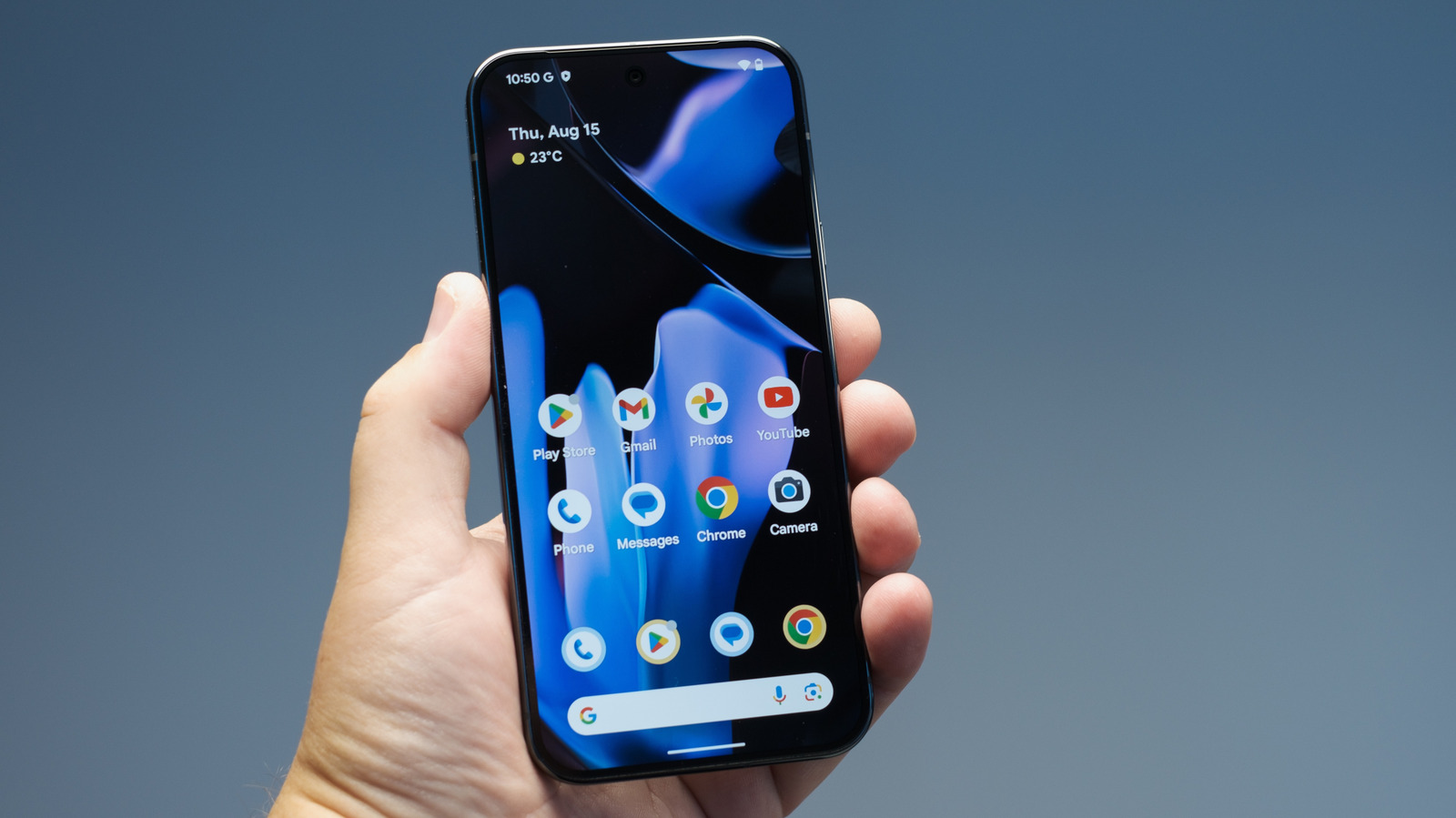
RAM (Random Access Memory) is the nervous system of your smartphone. In 2024 and beyond, 6GB of RAM is the absolute floor for a functional Android experience. The operating system, combined with modern background applications, is resource-intensive. If you settle for 4GB of RAM, you will inevitably encounter "app-refreshing" syndrome, where your phone clears background tasks to free up memory, forcing you to reload apps constantly. For those who dabble in casual mobile gaming or heavy multitasking, 8GB of RAM should be the target.
Regarding storage, 128GB is the entry-level standard. If the device does not offer expandable storage—a dying feature in the industry—anything less than 128GB will leave you facing "Storage Full" notifications within months. For long-term peace of mind, 256GB is the recommended baseline.
The Silicon Heart: Why Processor Age Matters
There is a pervasive myth that casual users do not need a capable processor. This is a fallacy. A slow processor is not just a hindrance for gamers; it is a bottleneck for everything from opening the camera app to rendering web pages.
When shopping, ignore the raw number of cores and instead research the specific chipset model. Older, budget-tier chips from three or four years ago may technically "work," but they will struggle to keep up with the bloat of modern software updates. A processor that was mid-range two years ago is often a better purchase than a brand-new entry-level chip. A device that stutters during simple tasks like scrolling through a social media feed is a liability, not an asset.
Power and Optics: The Daily Drivers
Two areas where budget manufacturers traditionally cut costs are battery capacity and camera sensor quality. Both are fatal mistakes for the average user.
Battery Longevity and Efficiency
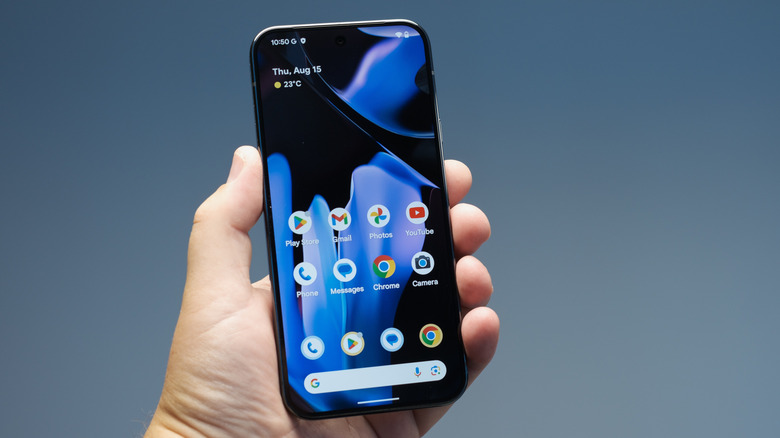
A smartphone is only as good as its ability to remain powered. A battery capacity of 4,500mAh is the minimum acceptable threshold, but 5,000mAh is the current gold standard. In the absence of high-end AI processing that optimizes power consumption, a larger physical battery is the only reliable way to ensure a device lasts from morning until night. Without this, you are tethered to a wall outlet or a power bank, which negates the portability of the device.
The Camera Quality Paradox
Many budget phones advertise "50MP" sensors, but megapixel count is a deceptive marketing metric. Sensor size is far more important. A larger sensor captures more light, which is the primary driver of image quality in low-light environments.
For a budget phone to be considered a viable purchase, the rear camera should feature at least a 32MP sensor paired with a high-quality lens array. Similarly, for the front-facing camera—often used for video calls and social media—a 12MP sensor is the minimum to ensure sharpness and decent color reproduction.
Beyond the Specs: Connectivity and Software Longevity
The hidden cost of cheap hardware is often found in connectivity and support. Consumers must ensure that any budget device includes NFC (Near Field Communication) for secure mobile payments, as this is a feature often stripped from ultra-budget models. Additionally, check for the latest Bluetooth standards to ensure reliable pairing with modern wireless audio peripherals.
Perhaps the most important factor, however, is software support. A phone is not a static object; it requires security patches to stay safe. Before purchasing, verify the manufacturer’s commitment to update cycles. If a device is already two years old and is nearing the end of its security update window, it is a poor investment, regardless of the price.

Strategic Buying: The Used and Mid-Range Market
The most effective way to secure a high-quality Android experience on a budget is not to buy a brand-new "budget" phone, but to look for a "renewed" or "open-box" mid-range device.
For instance, older Google Pixel models (such as the Pixel 8a or 7a) frequently drop to the $300 price point during seasonal promotions or through certified refurbished programs. These devices often feature superior cameras, better software optimization, and longer update lifespans compared to brand-new entry-level handsets from obscure brands.
Implications of the "Cheap" Trap
The industry push toward ultra-cheap handsets has led to a significant increase in e-waste. When a user buys a $150 device that becomes unusable within a year due to poor performance or a degraded battery, they are forced to purchase another device. This cycle is detrimental to both the consumer’s wallet and the environment.
By adhering to these "non-negotiable" standards—6GB+ RAM, 5,000mAh battery, and a capable, modern chipset—consumers can break the cycle of disposable technology. Investing slightly more time in research ensures that a budget-conscious purchase remains a productive companion for years, rather than a frustrating paperweight destined for the recycling bin.
Summary Checklist for Budget Buyers
- Display: 6.1"+ AMOLED, 1,000+ nits brightness.
- Memory: 6GB RAM (8GB preferred).
- Storage: 128GB minimum (256GB recommended).
- Battery: 5,000mAh capacity.
- Connectivity: NFC included for contactless payments.
- Software: At least two years of remaining security updates.
Ultimately, the goal is not to find the cheapest phone, but the most efficient one. By prioritizing these specific features, the average consumer can navigate the crowded Android marketplace with confidence, ensuring their purchase is a value-driven success rather than a budget-friendly mistake.