
In the digital marketplace, visibility is the primary currency. With Google maintaining over 200 ranking factors and the landscape of AI-driven search evolving rapidly, store owners often find themselves paralyzed by the complexity of Search Engine Optimization (SEO). However, for the vast majority of new and growing online stores, the secret to success does not lie in chasing every algorithm update; it lies in mastering a handful of fundamental principles that build long-term authority and trust.
The Foundation: Why Content is Your Best Salesperson
Good product page copy serves three critical functions simultaneously: it acts as a guide for search engine crawlers, answers the nuanced questions of prospective customers, and ultimately, drives the conversion.
A high-performing product page should ideally contain between 150 and 300 words. This space is not merely for keyword stuffing; it is for addressing the specific needs of your audience. If a customer is searching for a rare "Miles Davis Kind of Blue original pressing," they are not satisfied by a simple photograph and a price tag. They are looking for expertise. By detailing the pressing information, the condition of the sleeve, the deadwax matrix, and the historical context of the item, you are doing more than selling a product—you are establishing yourself as a trusted authority.
This "human-first" approach is precisely what search engines and AI models now prioritize. By answering the questions a customer is likely to have before they even ask them, you signal to Google that your page provides high utility, thereby increasing your chances of ranking.
Decoding Search Intent: The Strategic Keyword Approach
Keywords are the bridge between a user’s problem and your solution. However, not all keywords are created equal. The intent behind the search query dictates the type of content you must provide.
The Four Pillars of Search Intent
- Informational: The user seeks knowledge (e.g., "how to clean vinyl records"). This intent is best served by blog posts or comprehensive guides.
- Commercial: The user is in the research phase (e.g., "best turntable under $200"). This requires comparison pages or curated category pages.
- Transactional: The user is ready to buy (e.g., "Miles Davis Kind of Blue vinyl"). This is the domain of your product pages.
- Navigational: The user is looking for a specific destination (e.g., "[Your Brand] return policy"). Your site architecture must be clear enough to lead them there immediately.
By aligning your page type with the user’s intent, you reduce bounce rates and increase the likelihood of a successful transaction.
Outmaneuvering the Giants: The Power of Longtail Keywords
New store owners often make the mistake of attempting to rank for broad, high-volume terms like "vinyl records." In doing so, they enter a losing battle against retail giants like Amazon. The winning strategy is to pivot toward longtail keywords.
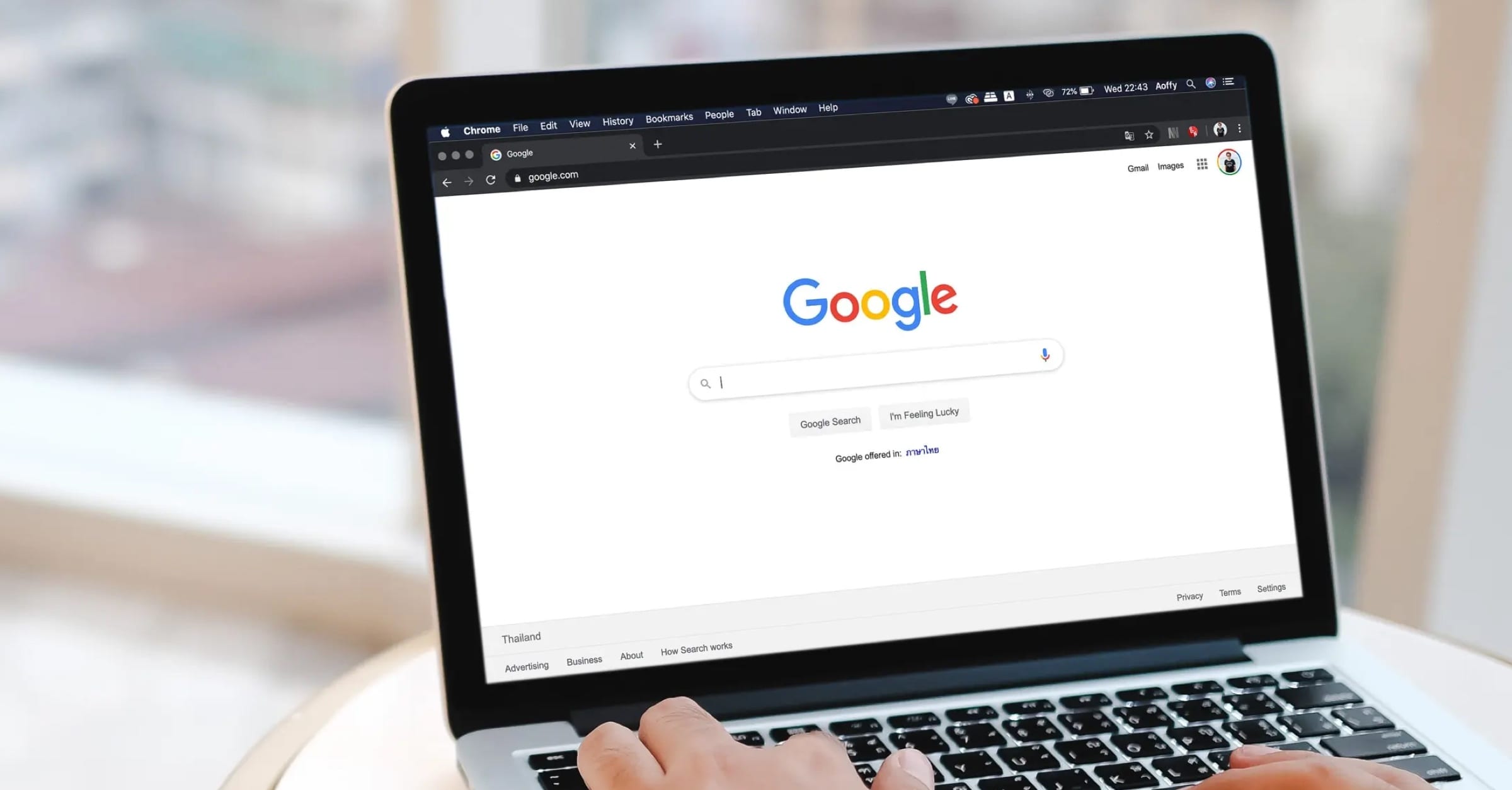
Longtail keywords, such as "collectible Blue Note jazz vinyl records," have significantly lower search volume but far higher purchase intent. A user searching for this specific phrase is a "high-intent" buyer who knows exactly what they want. To identify these opportunities, utilize the simplest tool available: Google’s own search bar. Watch the "autofill" suggestions as you type; these represent real queries from real people. Each suggestion is an untapped opportunity to create a landing page that solves a specific customer need.
Architectural Integrity: Why Site Structure Matters
A clear site structure is the skeleton of your SEO strategy. It allows search engines to understand the hierarchy of your catalog and the relationship between your pages. A foundational rule of thumb is the "three-click rule": a user should be able to reach any product on your site within three clicks of your homepage.
This is best achieved through "breadcrumbs"—the navigational trail that tells a user (and Google) exactly where they are. For instance, a structure like Vinyl Records > Jazz Records > Miles Davis Records > Kind of Blue provides vital context. It tells the search engine that the Miles Davis page is a subset of jazz, which is a subset of vinyl. This logical categorization helps search engines prioritize your pages for relevant queries.

The Mobile-First Imperative
In the current digital landscape, desktop optimization is secondary. More than 70% of e-commerce purchases are now completed on mobile devices, and Google utilizes mobile-first indexing to determine search rankings.
If your store is difficult to navigate on a smartphone, you are effectively invisible to the majority of your audience. Ensure your buttons are at least 24x24px for ease of tapping, your font size is legible (16–20px), and your images are optimized using modern formats like WebP or AVIF to ensure rapid load times.
The Technical Checklist for New Stores
Before you invest heavily in marketing, ensure your site is technically "open for business."
- Check Indexing Settings: In platforms like WordPress, verify that "Discourage search engines from indexing this site" is unchecked. It is a common oversight that can render a site invisible.
- Google Search Console: This is your primary dashboard for monitoring performance. Use it to submit your sitemap, check for crawl errors, and identify which pages are successfully being indexed by Google.
- Performance Audits: Regularly test your site speed. A slow site is a deterrent to both users and search engines.
The Long-Term Engine: Content Marketing
Once your product pages are optimized, your blog becomes your primary growth engine. While product pages target users who know what they want, blog posts target those who are still in the discovery phase.
By answering questions like "How do I know if a record is warped?" or "What is the difference between 180g and standard vinyl?", you capture potential customers at the top of the sales funnel. When your content provides genuine value, it naturally invites links to your product categories. This creates a self-sustaining cycle: your blog brings in traffic, and your product pages convert that traffic into revenue.

Implications for Future Growth
The reality of SEO is that it is a compound investment. Unlike paid advertising, which stops working the moment you stop paying, an optimized product page or a high-ranking blog post provides value for years.
By focusing on these foundational steps—writing detailed, helpful copy, understanding user intent, structuring your site for clarity, and prioritizing the mobile experience—you create a resilient digital store. You are not just gaming an algorithm; you are building a repository of expertise that serves the customer. In an era of AI-driven search, that commitment to quality is the only strategy that remains consistently effective. Start by auditing your site today, and remember: the goal is not to win the search engine, but to be the best answer for the customer who is searching for you.