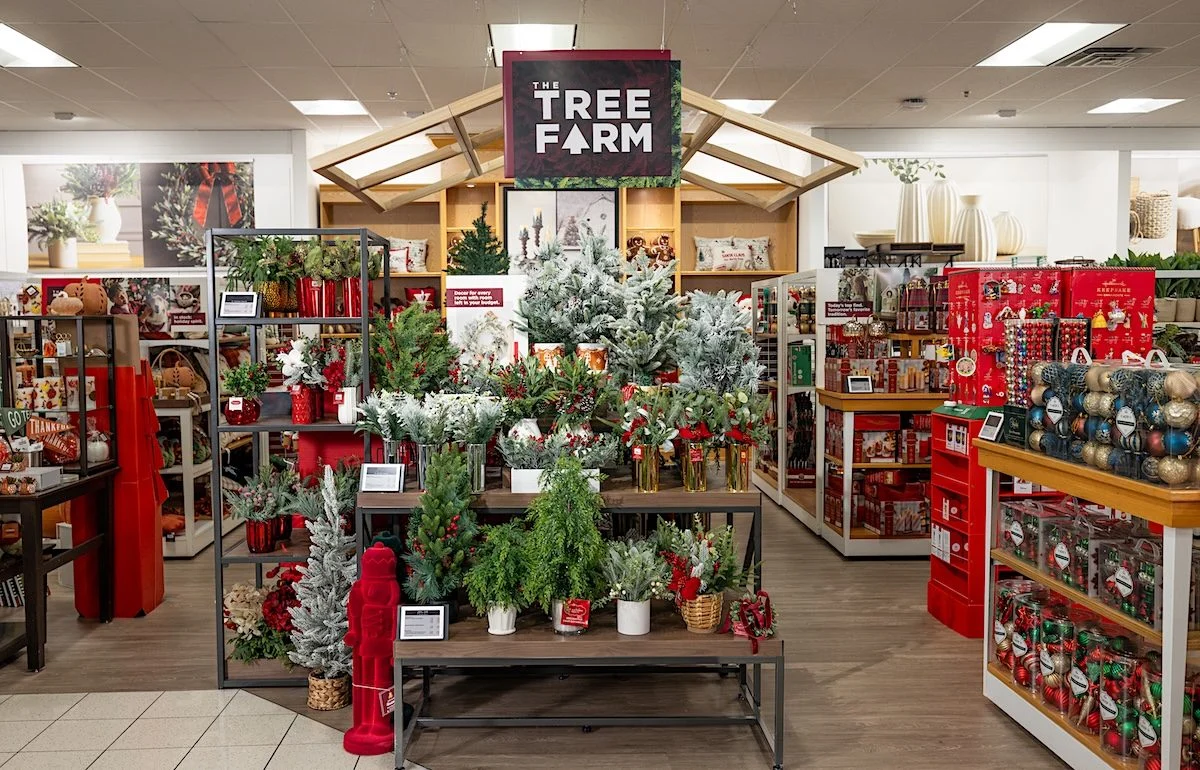
As the 2026 holiday shopping season intensifies, Kohl’s is embarking on a mission-critical turnaround, positioning itself as the premier destination for value-conscious consumers. Under the leadership of CEO Michael Bender, the department store giant is eschewing complex promotions in favor of radical transparency, deep discounts, and enhanced delivery infrastructure. Facing a macroeconomic landscape defined by persistent inflation and cautious consumer sentiment, Kohl’s is betting that a "back-to-basics" approach to pricing will help it reclaim its status as a retail titan.
The Core Strategy: Clarity as a Competitive Edge
For years, retail analysts have suggested that Kohl’s struggled with a messaging disconnect—its value proposition was often buried beneath layers of confusing promotional math. This holiday season, the company is pivoting toward an unambiguous strategy: "Value at a glance."
Kohl’s has overhauled its in-store and digital signage to feature stark, percentage-based discounts. By moving away from abstract loyalty rewards as the primary hook and toward clear "X percent off" messaging, the retailer aims to reduce the "cognitive load" on shoppers. The strategy is bolstered by the introduction of rigid pricing tiers—$5, $10, $15, and $20—designed to help shoppers stick to specific budgets in an era where every dollar is scrutinized.
This shift comes at a time when the National Retail Federation (NRF) reports that over 56% of holiday shoppers are letting the state of the economy dictate their spending patterns. Kohl’s executives have acknowledged that they haven’t always communicated their value effectively in the past; this year, they are treating that communication as a fundamental operational pillar.
Chronology of a Turnaround
The road to the 2026 holiday season has been paved with significant organizational shifts and a series of experimental retail maneuvers.
- Mid-2025: Following a period where the company lost nearly 70% of its stock value over five years, Michael Bender assumes the role of CEO, tasked with stabilizing the brand and revitalizing its relevance.
- August 2026: Kohl’s reports a 0.9% year-over-year decline in net sales. However, the company surprises Wall Street by raising its full-year financial outlook, signaling confidence in the second-half recovery plan.
- October 2026: A surge in foot traffic—with visits running 9.6% above the same-weekday average—during October sales events provides the retailer with empirical evidence that shoppers are responding to its aggressive promotional posture.
- October 21, 2026: Kohl’s leadership hosts a media briefing, formally outlining the "North Kohl’s" holiday campaign and the operational changes being rolled out across its 1,100+ store footprint.
- November/December 2026: The retailer initiates its final push, integrating Uber Eats into its delivery ecosystem to complement existing partnerships with DoorDash and Instacart.
Supporting Data: Why Value Drives Volume
The urgency of this strategy is rooted in hard data. While traditional retailers often struggle to bridge the gap between digital discovery and physical conversion, Kohl’s has a unique advantage: proximity. Approximately 80% of the U.S. population resides within 15 miles of a Kohl’s store.
The integration of these stores into the digital supply chain is a cornerstone of the company’s Q4 strategy. Currently, more than 50% of Kohl’s digital orders are "touched by a store," meaning the store acts as a fulfillment hub for online purchases. By leveraging this existing real estate, the company is attempting to keep inventory levels high while simultaneously reducing shipping costs and delivery times.
Furthermore, the data regarding its new delivery partnerships is promising. According to Arianne Parisi, the company’s Chief Customer Officer, 80% of customers utilizing same-day delivery through third-party platforms like Instacart and DoorDash are "net new" to the Kohl’s ecosystem. This suggests that convenience is acting as a powerful acquisition tool for a younger, more mobile-first demographic.
Official Perspectives: Leadership Speaks
The shift in strategy is not just about aesthetics; it is a calculated response to the "pinched consumer."
"The data that we’ve seen is that we haven’t always been as clear about our prices and as clear about value," said Ryan Waymire, Chief Merchandising Officer at Kohl’s. Waymire emphasized that the goal is to make the math "easy to do in your head." When a customer enters a store with a $20 budget, they should be able to identify exactly what they can afford without needing a calculator or a deep dive into the fine print of a loyalty program.
Arianne Parisi added that the company feels a profound "responsibility to cut through with value." She noted that the current economic environment, characterized by high energy costs and tariff-driven price increases, has made the consumer exceptionally fragile. By introducing bundled gift sets—specifically the 400+ sets, including exclusive Sephora at Kohl’s collections—the retailer is providing a "lower price per unit," which serves both the budget-conscious gift giver and the self-purchaser.
The Merchandise Mix: From Basics to "Squishies"
Kohl’s is balancing its traditional department store offerings with a more modern, trend-driven inventory. The company is leaning heavily into both its private-label brands, such as Sonoma Goods for Life and LC Lauren Conrad, and powerful national brands like Nike, Under Armour, and Adidas.
Perhaps most tellingly, the retailer is aggressively chasing trends. With more than half of the gifting department consisting of "net new" items, Kohl’s has stocked up on popular items like Lego sets and "NeeDoh" fidget toys. As Waymire noted, "We definitely see squishies as a big opportunity." This willingness to pivot toward viral, low-cost "impulse" items is a departure from the company’s more conservative inventory history and reflects an effort to appeal to younger shoppers who are active on social media.
Implications for the Future
The implications of this holiday push extend far beyond the next two months of sales. Kohl’s is in the midst of a broader "sales reset" that includes scaling creator efforts, expanding private labels, and integrating AI-powered shopping assistants to guide styling decisions.
However, the company faces a precarious balancing act. While it must appeal to its core, older demographic, it is simultaneously trying to capture new market share through modern convenience and trendy product categories. The "North Kohl’s" marketing campaign—featuring actress Ellie Kemper—is designed to bridge this gap by leaning into themes of home, comfort, and approachable style.
The success of this strategy will be the primary indicator of whether the Kohl’s turnaround under CEO Michael Bender is truly taking root. If the company can prove that it can maintain its 60 million active customer base while converting new shoppers through convenience and transparent pricing, it may set a new blueprint for the mid-tier department store sector.
However, if the strategy fails to drive the necessary top-line growth to offset the costs of these promotions and logistical partnerships, the pressure on the company to further restructure will only mount. As the fourth quarter accounts for the lion’s share of annual revenue, the stakes could not be higher.
Kohl’s is not merely selling sweaters and toys this season; it is selling the idea that it is a retailer that finally "gets it." Whether that narrative resonates with the American public—who are increasingly skeptical of promotional gimmicks—remains the defining question of the 2026 holiday season. By doubling down on the simplicity of a "50% off" sign and the speed of an Uber Eats delivery, Kohl’s is gambling that, in a volatile economy, there is no greater luxury than the certainty of a good deal.