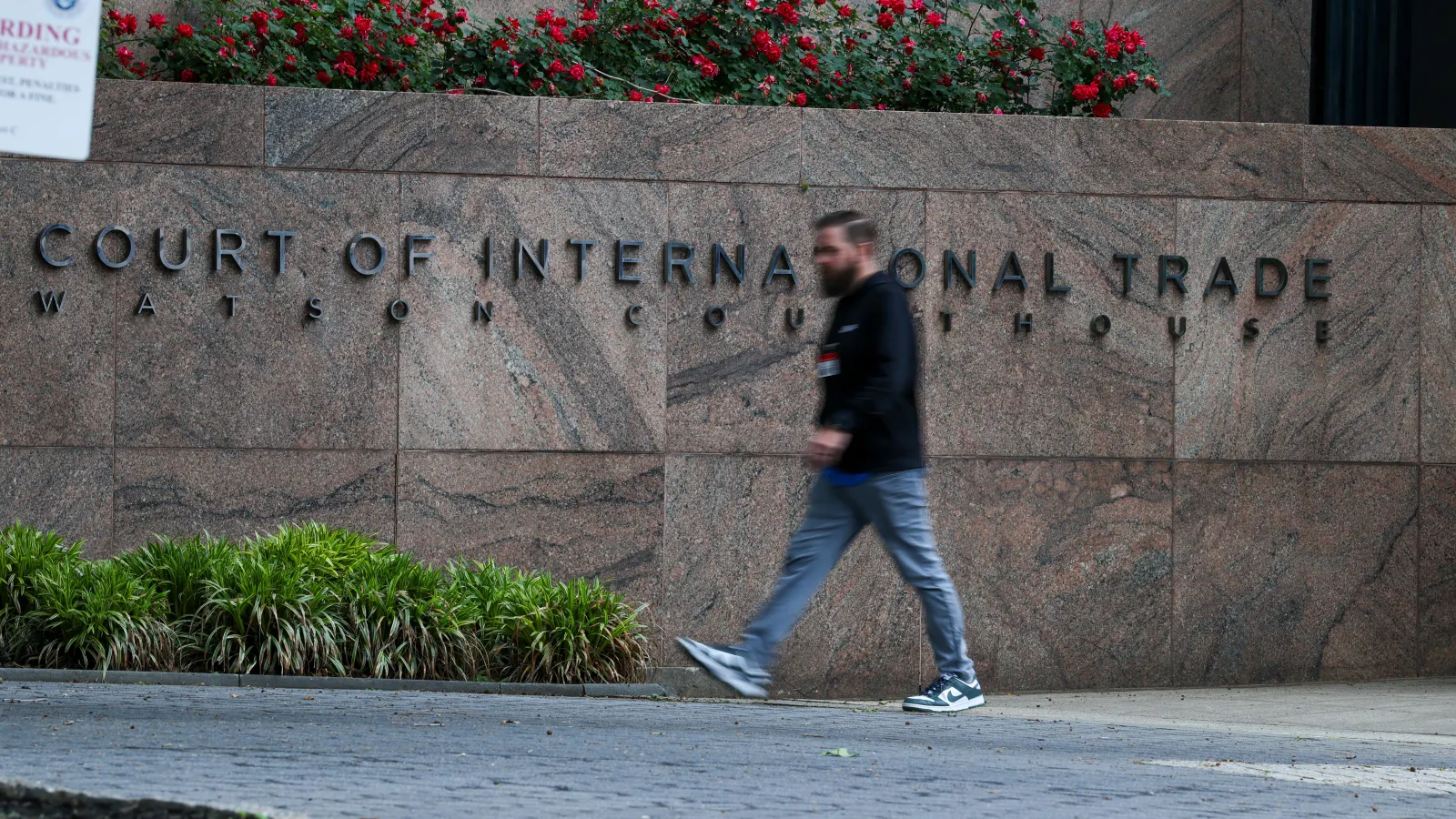
The U.S. Court of International Trade (CIT) has issued a landmark ruling that promises to reshape the landscape of international commerce and federal administrative accountability. In a decisive move, the court has certified a class-action lawsuit on behalf of thousands of importers who were subjected to tariffs imposed under the International Emergency Economic Powers Act (IEEPA) between February 1, 2025, and February 19, 2026.
This certification marks a critical escalation in the ongoing legal battle surrounding the invalidated levies. By grouping together potentially thousands of businesses—many of which are small-to-mid-sized enterprises—the court is effectively creating a mechanism to recover approximately $30 billion in remaining, unrefunded duties that the government had previously shown little urgency in returning.
The Genesis of the Crisis: A Chronology of Legal and Administrative Conflict
To understand the gravity of the court’s latest order, one must examine the turbulent timeline that brought the U.S. trade system to this impasse.
The Rise of IEEPA Tariffs (2025)
The conflict began in early 2025, when the administration utilized the International Emergency Economic Powers Act to levy massive tariffs on imported goods. While the administration framed these measures as essential to national security and emergency economic stability, the legal community and the import-export industry immediately questioned the breadth of executive authority being exercised.
The Supreme Court’s Intervention (February 2026)
The turning point arrived in February 2026, when the U.S. Supreme Court delivered a stinging rebuke to the administration’s trade policy. The high court ruled that the application of IEEPA in this specific context was illegal, invalidating the tariffs and triggering a constitutional and fiscal crisis. The total value of duties collected under these unlawful levies was estimated at approximately $166 billion.
The CAPE Portal and Initial Refunds
In the immediate aftermath of the Supreme Court ruling, the Court of International Trade mandated that Customs and Border Protection (CBP) begin the process of refunding these billions of dollars. CBP responded by launching the Consolidated Administration and Processing of Entries (CAPE) portal. As of recent filings, the agency has successfully processed over $100 billion in refunds. However, the system has been plagued by accessibility issues, administrative red tape, and a lack of awareness among smaller importers.
The Certification of the Class (October 2026)
Following the realization that a vast segment of the importing community was being left behind, the CIT issued a slip order certifying the class. This order explicitly excludes entities that have already filed individual lawsuits, focusing instead on the “silent majority” of importers who were either intimidated by the legal process or unaware of their rights under the CAPE system.
Supporting Data: Why the Class-Action Was Necessary
The rationale for the class-action certification rests on a stark disparity in access to justice. According to the court’s order, there is a significant cohort of "importers of record" who have not utilized the CAPE portal. The court noted: "It is believed that these are overwhelmingly small importers who, because of the cost or effort involved in filing a CAPE declaration, or because they are unaware of the program, will never take advantage of CAPE."
Key Statistical Breakdown:
- Total Invalidated Duties Collected: ~$166 Billion.
- Total Refunded via CAPE: Over $100 Billion.
- Estimated Outstanding Balance: ~$30 Billion.
- Individual Lawsuits Filed: Over 4,000 separate cases.
- Target Population for Class-Action: Thousands of small-to-mid-sized importers who have not yet initiated legal proceedings.
The court argues that without the class-action mechanism, the $30 billion in question would likely remain in the U.S. Treasury indefinitely. By consolidating these claims, the court is shifting the burden of administration from the individual importer to a streamlined, court-supervised process.
The Tug-of-War: Official Responses and Legal Friction
The path to a full refund remains obstructed by a series of legal and bureaucratic hurdles. The Department of Justice (DOJ), acting on behalf of the administration, continues to fight the refund process on jurisdictional grounds.
The DOJ’s Stance on Jurisdiction
The Justice Department is currently engaged in an ongoing appeal, arguing that the Court of International Trade lacks the legal authority to force universal refunds for companies that did not initiate their own litigation. The DOJ’s position is that the court’s power is limited to specific litigants, not the entire population of importers. This appeal remains a significant shadow over the proceedings, as the government continues to defend its interpretation of administrative law.
Perspectives from the Private Sector
Legal experts view the certification as a vital, if cautious, step forward. James Kim, an international trade partner at ArentFox Schiff, noted that while the decision is not an immediate "check-in-the-mail" for businesses, it represents a monumental shift in strategy.
"The decision doesn’t immediately expand refund eligibility or direct payment," Kim observed in a LinkedIn commentary. "It does, however, create a potential path forward for non-litigants, toward a single order requiring refunds to be issued to importers that have not pursued individual lawsuits."
The Role of the Court
The court’s tone in its latest order is one of urgency. By stating its "hope and expectation" that the certification will lead to the liquidation or reliquidation of all entries, the judiciary is effectively signaling to the executive branch that it expects compliance with the Supreme Court’s original ruling, regardless of whether a company had the legal resources to sue individually.
Implications: What This Means for Global Supply Chains
The implications of this class-action certification extend far beyond the immediate financial recovery of $30 billion.
1. Leveling the Playing Field
Small and medium-sized enterprises (SMEs) have historically been disadvantaged in international trade disputes. The cost of retaining legal counsel to challenge a federal agency often exceeds the value of the potential refund. By certifying this class, the court is effectively democratizing access to justice, ensuring that an importer’s ability to recover funds is not solely dependent on the size of their legal department.
2. A Precedent for Executive Overreach
This case will be studied for decades as a masterclass in the checks and balances of U.S. governance. The invalidation of IEEPA tariffs and the subsequent effort to recover the funds demonstrate that even in the face of executive emergency powers, the judiciary maintains the ultimate authority to interpret the legality of revenue collection.
3. Operational Uncertainty
For businesses, the uncertainty remains a major headache. The October 13 closed conference and the October 22 deadline for scheduling additional filings suggest that the legal wrangling is far from over. Importers who qualify for the class should be prepared for a protracted administrative process, even if the legal principle of "entitlement to refund" is firmly established.
Next Steps and Future Outlook
As the legal proceedings move toward the late-October deadlines, stakeholders should pay close attention to several key indicators:
- The Outcome of the DOJ Appeal: Should the government succeed in its appeal, the scope of the class-action could be severely curtailed, forcing thousands of importers back into a position of having to sue individually.
- Expansion of CAPE Functionality: CBP has recently expanded the portal to process finally liquidated entries for select litigants. The speed at which this functionality is extended to the broader class will be a primary indicator of the government’s willingness to cooperate.
- The "Reliquidation" Process: The court’s focus on the "liquidation or reliquidation" of entries is technical but critical. This process ensures that the formal record of the import is updated to reflect the removal of the tariff, which is the necessary predicate for any refund to be issued.
In conclusion, the U.S. Court of International Trade has taken a bold step toward rectifying one of the most contentious trade policy errors of the decade. While the $30 billion remains in federal coffers for now, the path toward its return is becoming increasingly clear. For the thousands of importers who have felt the squeeze of the now-defunct tariffs, the certification of the class is not just a procedural win—it is the first tangible sign that the administrative machinery of the government is finally turning toward restitution.