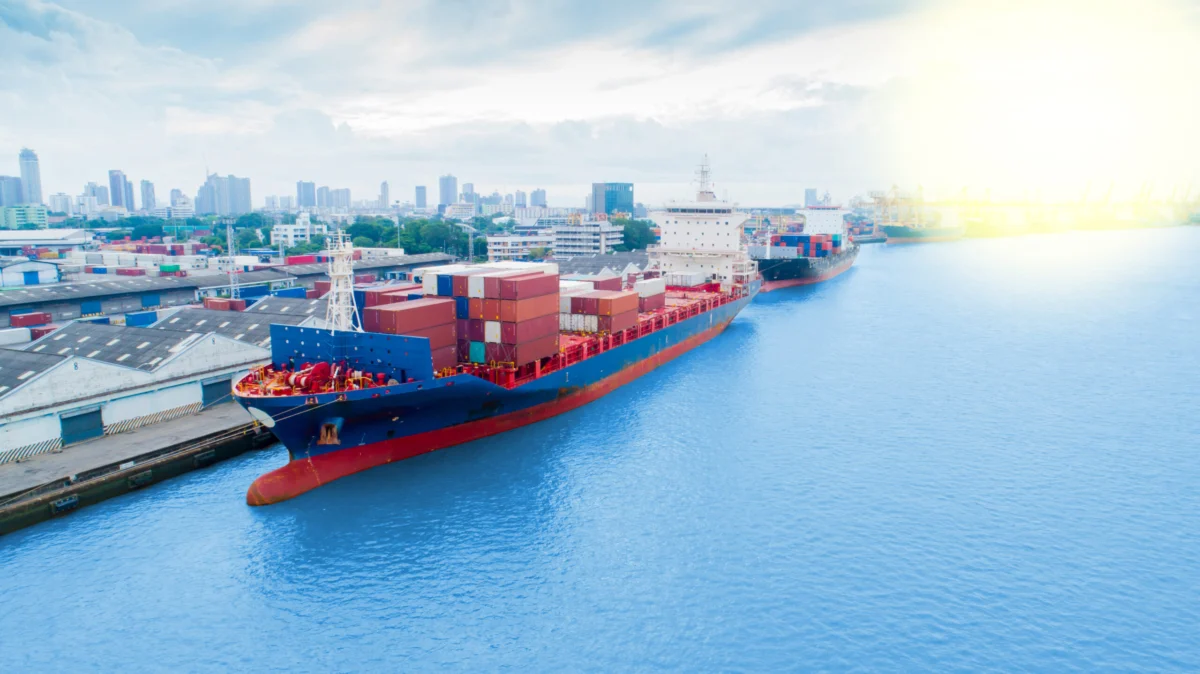
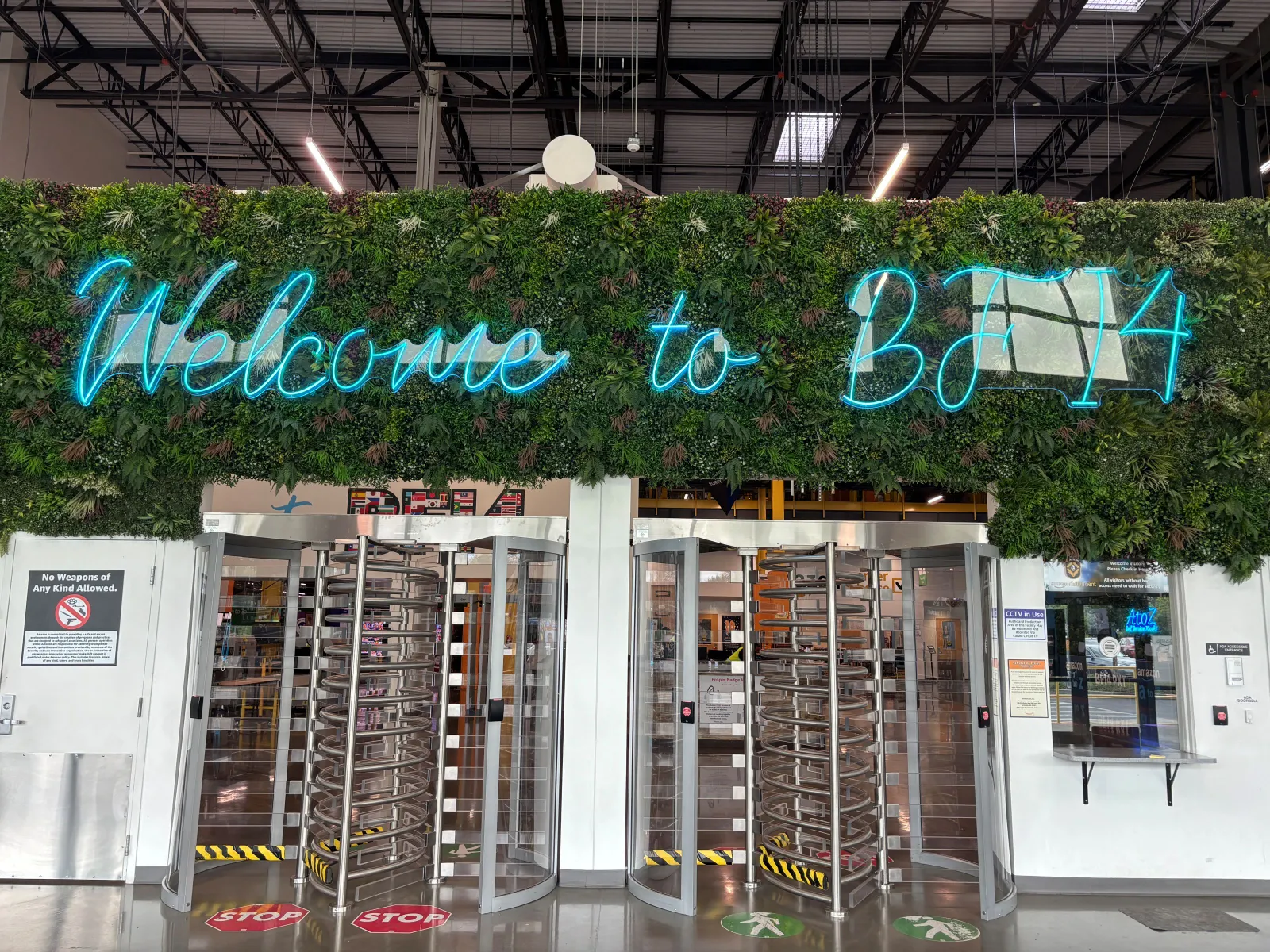
The global e-commerce landscape is undergoing a radical transformation, driven by the relentless consumer demand for speed and precision. At the heart of this logistical revolution lies the Amazon fulfillment center, a sprawling testament to the marriage of human ingenuity and advanced robotics. Among these, the BFI4 facility in Kent, Washington, stands as a premier example of high-volume logistics. Since its inception in 2016, BFI4 has evolved from a standard warehouse into a technological powerhouse capable of processing over one million parcels daily, effectively setting the standard for how the world’s largest retailer manages its intricate supply chain.
The Anatomy of an E-Commerce Giant: Main Facts
BFI4 is not merely a warehouse; it is a meticulously orchestrated ecosystem designed to minimize latency. Spanning a massive footprint, the facility integrates approximately 3,500 associates with a fleet of sophisticated automation tools. The core objective of the facility is to streamline the "stow, pick, and pack" lifecycle.
The site represents a significant departure from traditional warehousing, where workers spent hours traversing miles of aisles to retrieve inventory. Instead, BFI4 utilizes a "goods-to-person" model, where inventory comes to the worker, fundamentally changing the ergonomic and operational dynamics of the facility. By leveraging AI-driven inventory management and automated packaging, the site maintains a level of throughput that would have been considered impossible only a decade ago.
The Logistics Lifecycle: A Chronology of a Package
To understand how a million items per day move through BFI4, one must follow the journey of a single product from the moment it enters the facility until it is loaded onto a delivery truck.
Stage 1: Induction and Stowing
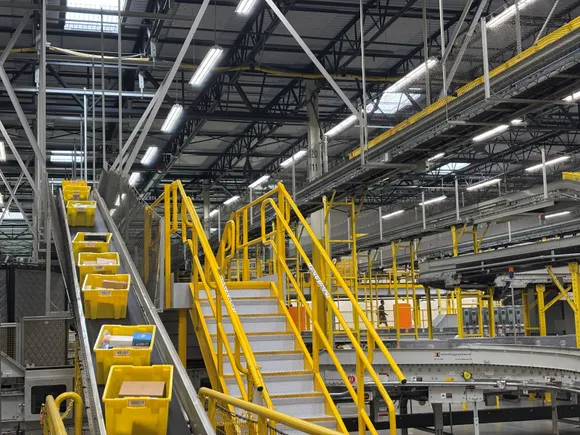
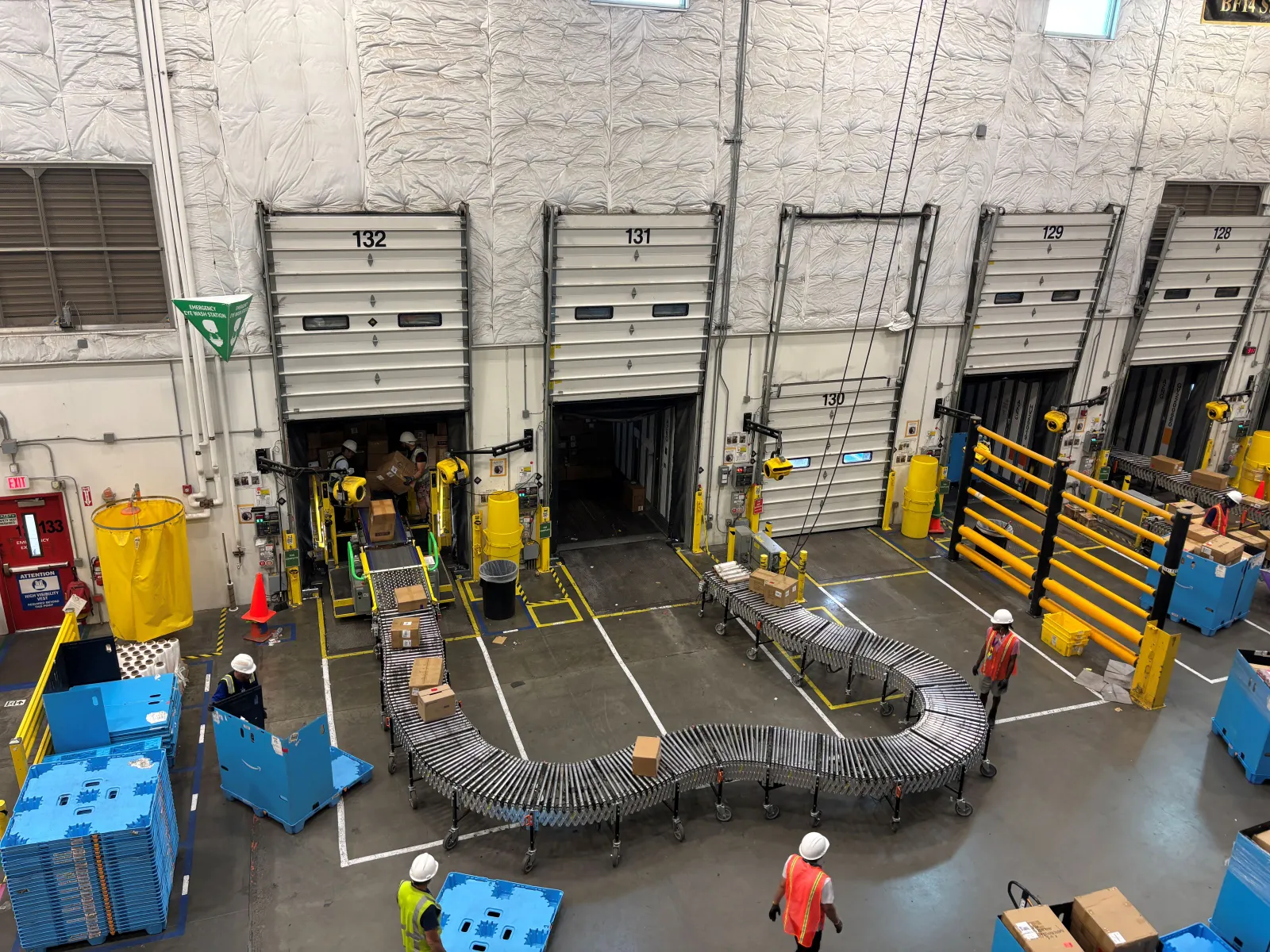
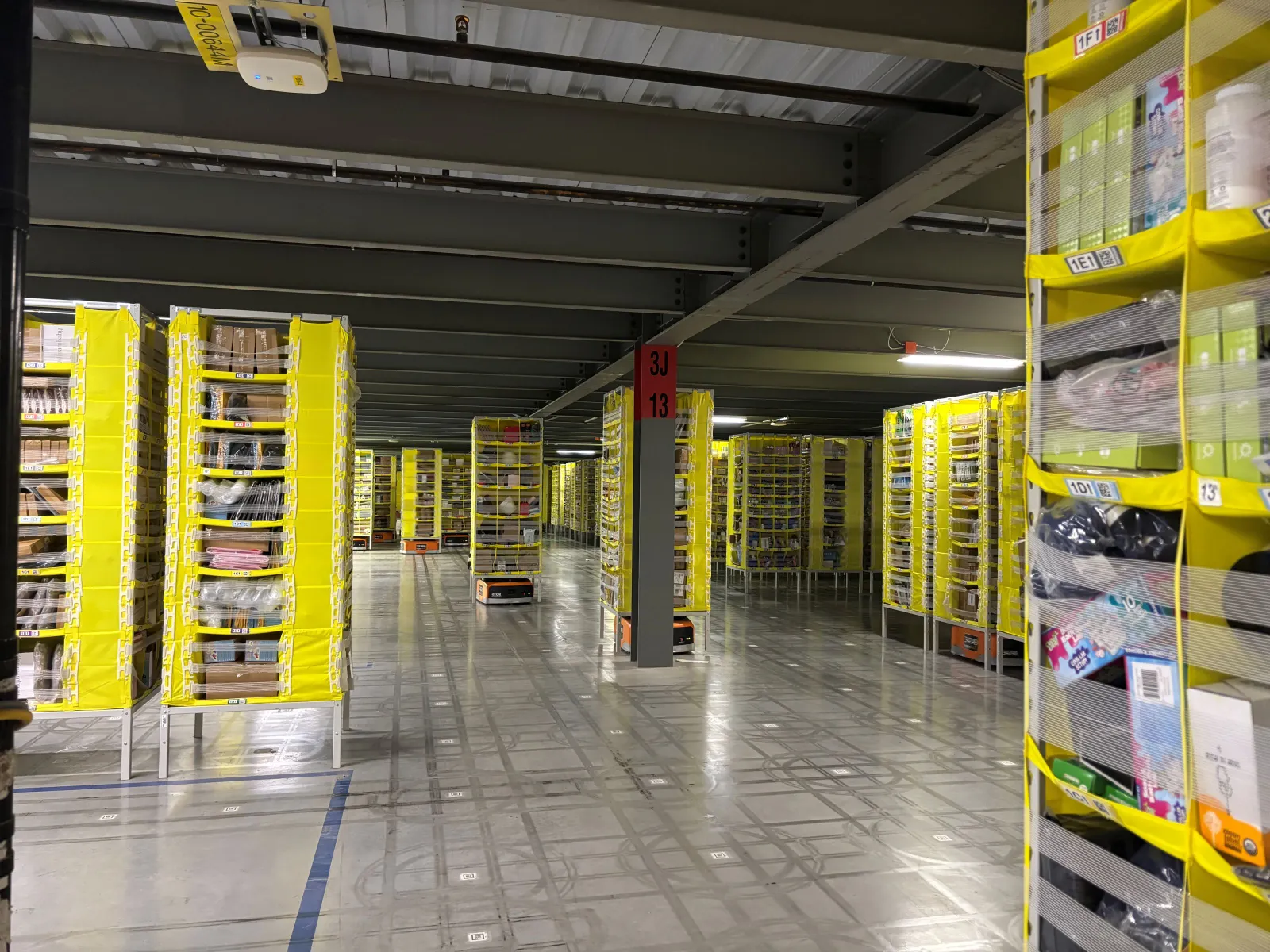
The process begins at the receiving docks, where trucks arrive loaded with inventory. Associates offload these items onto a high-speed conveyor system. From here, items are directed to "Universal Stations." These stations serve as the entry point for inventory into the warehouse’s internal memory. Associates manually stow items into inventory "pods"—tall, modular shelving units. Once stowed, these pods are integrated into the automated grid.
Stage 2: The Robotic Dance
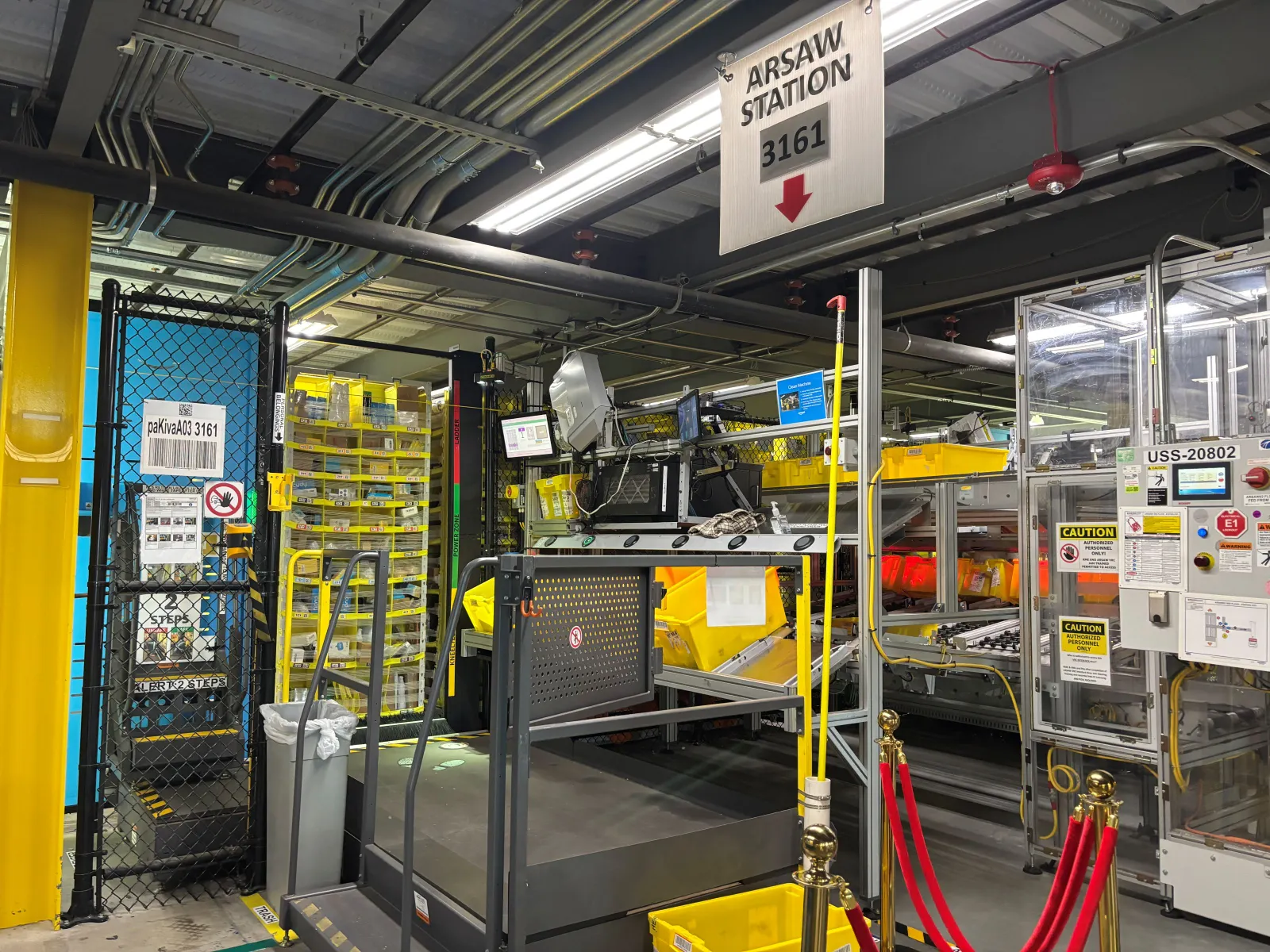
The true "magic" of BFI4 lies in its fenced, high-security floor where Hercules robots operate. These mobile units navigate the warehouse floor to retrieve specific pods requested by the inventory system. By bringing the pods directly to an Amazon Robotics Semi-Automated Workstation (ARSAW), the system eliminates the need for human travel. The robots, guided by a sophisticated central server, navigate the facility with millimeter-level precision, ensuring that the right pod reaches the right station exactly when needed.
Stage 3: Picking and Sorting
Once a pod arrives at an ARSAW station, the picking process begins. Projector lights illuminate the exact bin on the pod containing the desired item, providing a visual cue to the associate. The associate picks the item and places it into a tote. These totes are then funneled into a complex series of conveyors that sort packages based on their destination and order complexity. Single-item orders follow a different path than multi-item orders, ensuring that the facility maintains an optimized flow regardless of the order type.
Stage 4: Precision Packaging
In the packing department, the facility emphasizes both efficiency and sustainability. The CW1000 packaging machine is a highlight of this stage. Utilizing advanced sensors, the machine measures the exact dimensions of an item to tailor the packaging material, significantly reducing the environmental impact of shipping by eliminating unnecessary space and excess dunnage. For multi-item orders, associates work at stations equipped with smart-guidance systems that suggest the optimal box size and utilize automated tape dispensers to expedite the process.
Stage 5: Final Dispatch
The final step is the ship dock, where completed parcels are sorted onto pallets and loaded into trailers. These trucks then transit to regional sorting centers or final-mile delivery stations, marking the end of the warehouse journey and the beginning of the consumer experience.
Supporting Data and Operational Metrics
The scale of BFI4 is staggering. Handling 1 million items daily requires more than just hardware; it requires a data-heavy infrastructure capable of managing thousands of concurrent processes.
- Workforce: 3,500 associates working in concert with automation.
- Capacity: The first site in the Amazon network to consistently breach the 1-million-parcel-per-day threshold.
- Robotic Fleet: Hundreds of Hercules robots operate across multiple floors of the facility, managed by "Amnesty Floor Monitors" who ensure the grid remains clear of obstructions.
- Sustainability Metric: The integration of the CW1000 machine serves as a critical KPI for waste reduction, proving that automation can contribute to a smaller carbon footprint by optimizing shipping volumes.
Official Perspective: The Human-Robot Synergy
Amazon officials emphasize that the goal of this technology is not to replace the human workforce, but to enhance it. The role of the "Amnesty Floor Monitor," for instance, highlights the necessity of human intervention in a robotic system. Robots can handle the heavy lifting and the navigation, but the nuanced tasks of troubleshooting, quality control, and system oversight remain firmly in human hands.
"Our goal is to make the work safer and more efficient for our associates," says an Amazon spokesperson. By removing the physical strain of walking miles per shift and utilizing ergonomic workstations like the ARSAW, the company aims to reduce repetitive strain injuries while allowing employees to focus on the higher-level decision-making tasks that machines cannot yet replicate.
Implications for the Future of Logistics
The BFI4 model offers a blueprint for the future of global supply chains. As consumer expectations for "next-day" or "same-day" delivery become the standard, the pressure on logistics providers to automate will only intensify.
1. The Death of Distance
As fulfillment centers become more localized and automated, the "distance" between the product and the consumer shrinks. BFI4 demonstrates that a massive facility can act with the agility of a local boutique, provided the internal infrastructure is sufficiently digitized.
2. Evolving Labor Markets
The rise of the "robotic warehouse" necessitates a shift in the labor market. While manual labor is still required, the skill set is shifting toward system monitoring, robotic maintenance, and data analysis. This evolution suggests a need for vocational training that aligns with the modern automated facility.
3. Sustainability and Efficiency
The use of sensors to optimize packaging and the efficiency of robotics in managing floor space suggest that automation is a powerful tool for environmental stewardship. By minimizing the amount of cardboard and shipping space required, Amazon is effectively proving that high-volume logistics and environmental sustainability are not mutually exclusive.
Conclusion
The BFI4 facility is a microcosm of the modern digital economy. It is a place where the physical world of cardboard and steel meets the abstract world of algorithms and real-time data. As we look toward the future, the lessons learned in Kent, Washington, will continue to echo throughout the supply chain industry. While robots and machines may be the visible stars of the warehouse floor, the true engine of the operation remains the collaboration between the thousands of employees and the sophisticated technology they guide. In the race to deliver the world, Amazon’s BFI4 has firmly established itself as a frontrunner, proving that the future of logistics is not just fast—it is incredibly smart.