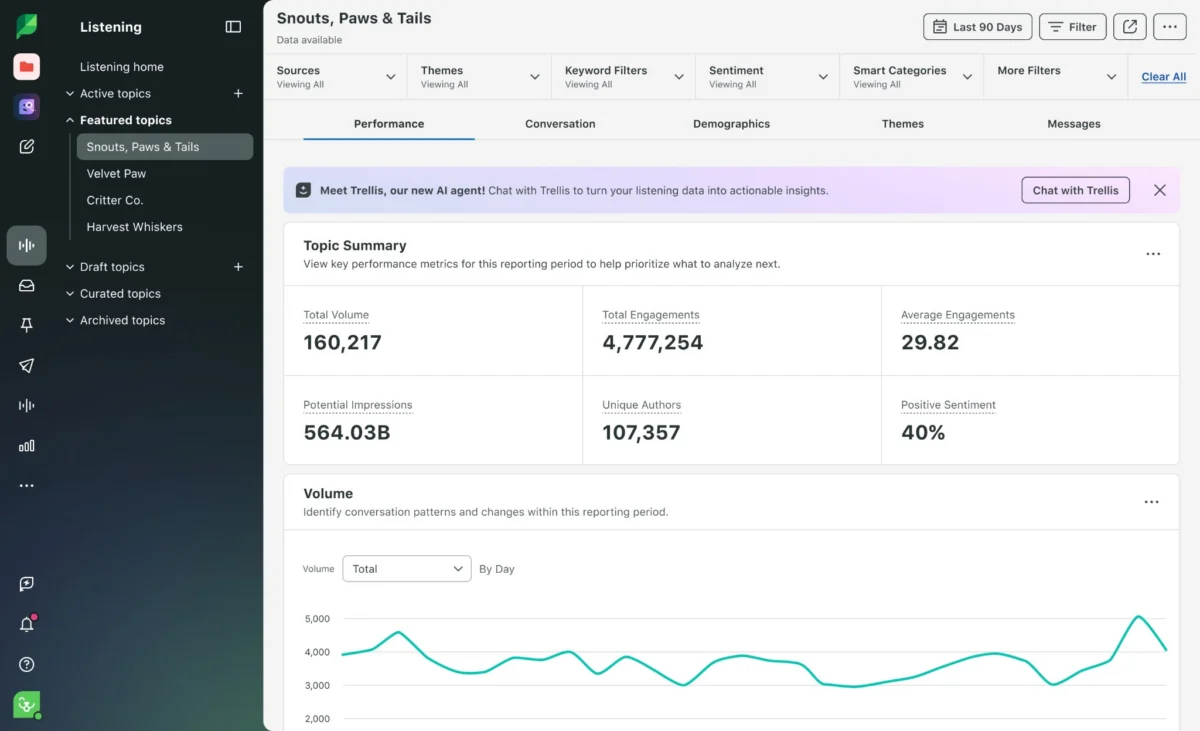
In the modern digital landscape, corporate reputation is no longer defined by massive PR crises alone. Instead, it is eroded by a thousand small, often invisible, cuts: inconsistent messaging across regional social media accounts, unanswered customer queries, or a subtle drift in brand sentiment. For large, multinational organizations, the challenge of maintaining a unified brand identity while managing diverse, localized operations is a gargantuan task.
Traditional reputation management has long relied on “monitoring”—a reactive posture that waits for the storm to break before attempting to weather it. However, as the digital ecosystem grows more complex, this approach is increasingly obsolete. A new, more sophisticated paradigm is emerging: Reputation Intelligence.
By shifting from monitoring what has happened to predicting what is likely to occur, industry leaders like Atlas Copco Group are setting a new standard for organizational resilience. Their success, which recently earned them the 2026 Predictive Edge Award from Sprout Social, provides a blueprint for how global enterprises can transform scattered social data into actionable business strategy.
The Anatomy of Reputation Risk: Why Small Signals Matter
Reputation risk rarely arrives with a siren. It manifests in fragmented, seemingly minor anomalies. When customer concerns in one market are ignored, while marketing teams in another market utilize tone-deaf messaging, these disparate threads form a pattern of negligence. Individually, these issues seem like minor operational friction. Collectively, they represent a systemic failure that can severely damage brand equity.
The primary hurdle for many enterprises is a lack of visibility. Data is often siloed within marketing departments, leaving leadership in the dark until a problem escalates into a public relations emergency. According to Sprout’s Social Intelligence Report, the consequences of this delay are severe: 86% of organizations report that siloed or slow-moving insights have resulted in missed business opportunities, while 26% have seen minor customer issues escalate into major crises simply because the early warning signs were ignored.
The data indicates that most organizations take one to two weeks to act on social media signals, whereas only 10% are capable of responding within hours. In an era where a single viral post can undo years of brand building, a two-week lag is essentially a failure to manage risk.
Reputation Intelligence vs. Monitoring: A Crucial Distinction
To understand why companies like Atlas Copco Group are shifting their strategy, one must distinguish between monitoring and intelligence.
Reputation Monitoring is essentially an observational exercise. It tracks reviews, mentions, and sentiment shifts—the digital equivalent of checking the weather. It tells you it is raining, but it doesn’t tell you how the flood will affect your supply chain.
Reputation Intelligence, by contrast, is a diagnostic and predictive framework. It connects brand data across disparate markets, social channels, and internal business divisions. It doesn’t just track the "what"; it contextualizes the "why." By integrating social data with business intelligence, companies can identify recurring issues, bridge the gap between marketing and operations, and provide leadership with the foresight necessary to intervene before a crisis materializes.
The Atlas Copco Group Case: A Five-Step Model for Success
Atlas Copco Group, a global powerhouse in industrial technology, faced the classic enterprise dilemma: how to empower local teams to act quickly while maintaining global brand integrity and regulatory compliance. Their solution was the implementation of a rigorous, five-step intelligence model.
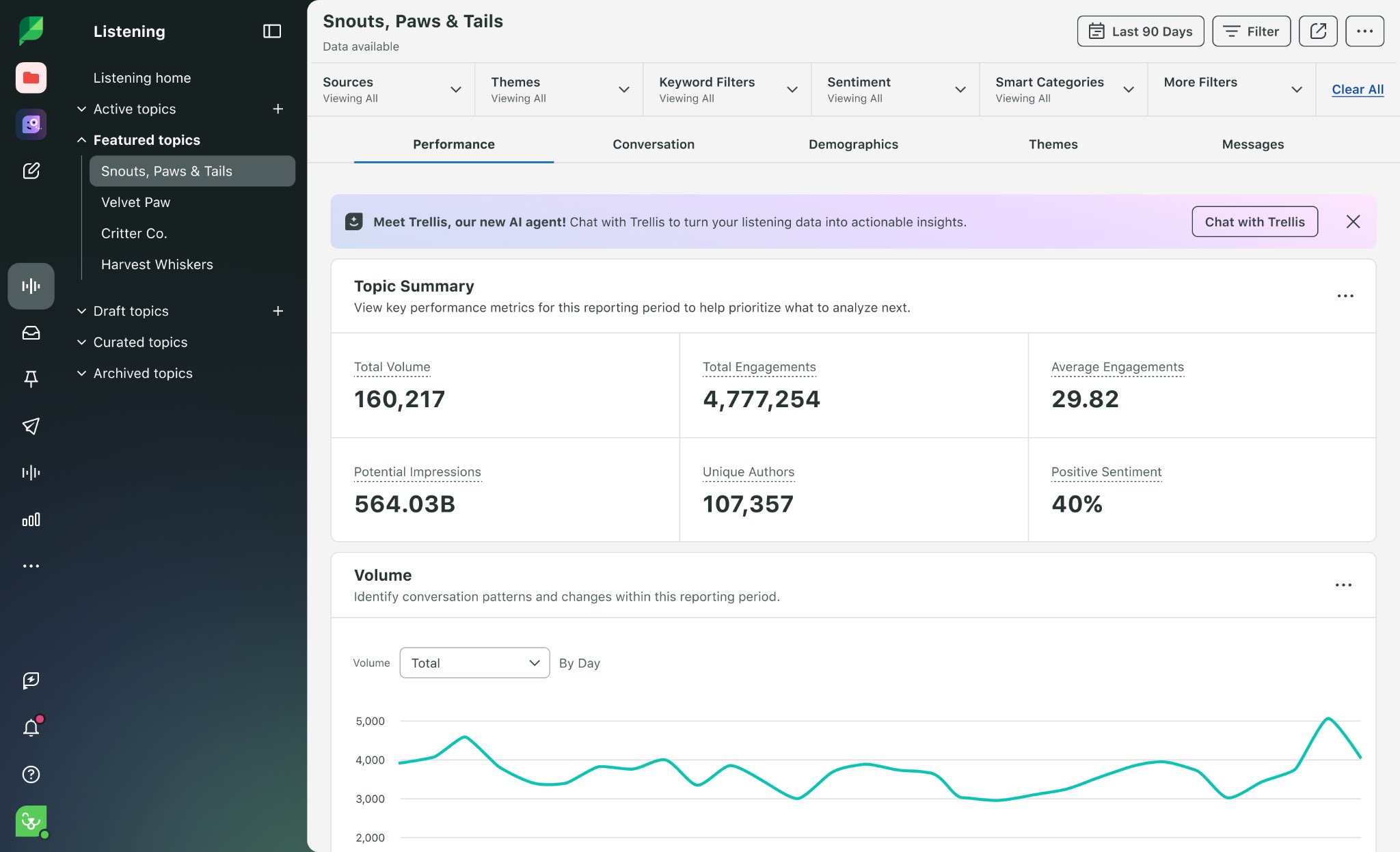
1. Catching Weak Signals Early
The group began by identifying "weak signals"—the precursors to larger, systemic issues. By tracking patterns in customer inquiries and internal team behaviors, the central team could spot when an account’s health was slipping. Using social listening, they looked for patterns across channels that would be invisible if analyzed in isolation. They learned that if a specific type of question starts appearing across multiple regions, it often points to a product or service gap that requires a unified corporate response rather than a series of disconnected, local replies.
2. Establishing a Clear Governance Framework
Intelligence is useless without a mandate for action. Atlas Copco Group implemented a "social media action matrix." This framework established clear ownership of social accounts, mandated daily content checks, and introduced semi-annual account health scorecards. By formalizing these processes, the company ensured that no account—no matter how small or remote—was left to drift. This provided the necessary structure to ensure brand safety and consistency across the board.
3. Standardizing Account Health Metrics
To evaluate performance objectively, the company moved away from vanity metrics. Instead, they focused on a standardized set of KPIs: response times, brand compliance, audience engagement, and overall activity levels. By using performance reports to compare profiles, the central team could identify which local teams required additional training, support, or clearer directives. This transformed the relationship between headquarters and local markets from one of oversight to one of support.
4. Connecting Social Insights to Leadership Decisions
Perhaps the most significant step was moving social data out of the marketing silo. For Atlas Copco, reputation data became a key input for risk management and high-level communications planning. By feeding social insights into the broader corporate dashboard, leadership could make informed decisions about market interventions and strategic pivots. This effectively turned the social media team into a source of business intelligence.
5. Operationalizing Reputation Intelligence
The final step involved creating a supportive, rather than punitive, culture. When social listening surfaced gaps in governance, the central team responded with resources—training, clearer documentation, or strategic feedback. This operationalization ensured that the intelligence model was not just a surveillance tool, but a mechanism for continuous organizational improvement.
The AI Factor: Navigating the New Frontier
The rapid rise of generative AI has fundamentally altered the reputation equation. While AI allows brands to scale content production, it also allows for the rapid, automated spread of misinformation and the proliferation of fake narratives.
As the volume of online conversation grows, the "noise-to-signal" ratio has become a significant challenge for risk managers. Brand safety tools are no longer optional; they are a prerequisite for survival. However, technology alone is not the answer. AI can process massive datasets to identify trends, but it lacks the cultural context and nuanced judgment required to decide on an appropriate course of action.
Tools like Trellis, Sprout Social’s AI agent, act as a bridge. By aggregating data and translating it into plain-language summaries, these tools allow human teams to spend less time manually crunching numbers and more time interpreting the cultural and business implications of emerging threats. AI provides the speed, but human leadership provides the intent.
Implications for the Future of Business
The shift toward reputation intelligence represents a maturation of the digital department within the enterprise. No longer viewed as a peripheral marketing concern, social reputation is now being recognized as a pillar of corporate risk management.
For organizations looking to replicate the success of the Atlas Copco Group, the journey begins with an honest audit of current capabilities. Ask yourself:
- Are we tracking the "why" or just the "what"?
- Does our social data reach the C-suite, or does it die in the marketing department?
- Do we have an escalation plan for when small, repetitive signals indicate a larger, systemic problem?
The goal is not to eliminate all risk—that is impossible—but to reduce the "time to insight." In an interconnected world, the brands that win will not be those that simply have the best products or the loudest voices; they will be the brands that possess the greatest level of situational awareness. By moving from reactive monitoring to proactive reputation intelligence, companies can stop chasing crises and start shaping the narrative of their own future.
Frequently Asked Questions (FAQ)
What is the fundamental difference between monitoring and intelligence?
Reputation monitoring is the act of gathering data on what is already happening—reviews, mentions, and sentiment. Reputation intelligence is the practice of connecting those data points across the organization to identify patterns and predict future risks, allowing for proactive, strategic decision-making.
Why is social data increasingly vital for enterprise risk management?
Social platforms are the "early warning system" of the modern business world. Customer dissatisfaction, shifting market sentiment, and potential regulatory or ethical concerns often surface on social media long before they appear in traditional financial reports or official news channels. Integrating this data provides leadership with a real-time view of the company’s health.
How does AI change the landscape of reputation management?
AI enables organizations to scan vast quantities of data that would be impossible for humans to process manually. It helps identify emerging trends and patterns in seconds. However, the role of the human operator remains critical; while AI can identify a potential risk, human judgment is required to navigate the nuance of cultural context and determine the appropriate strategic response.